
 Worksheets
Ecology and DNA Review
Total questions: 101
Worksheet time: 1hrs 19mins


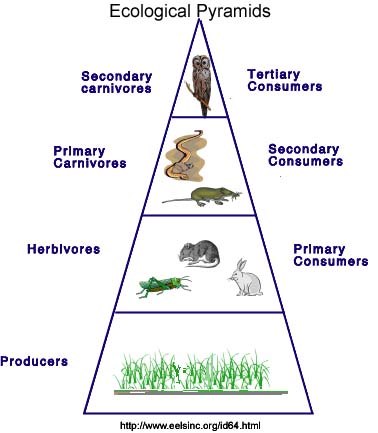

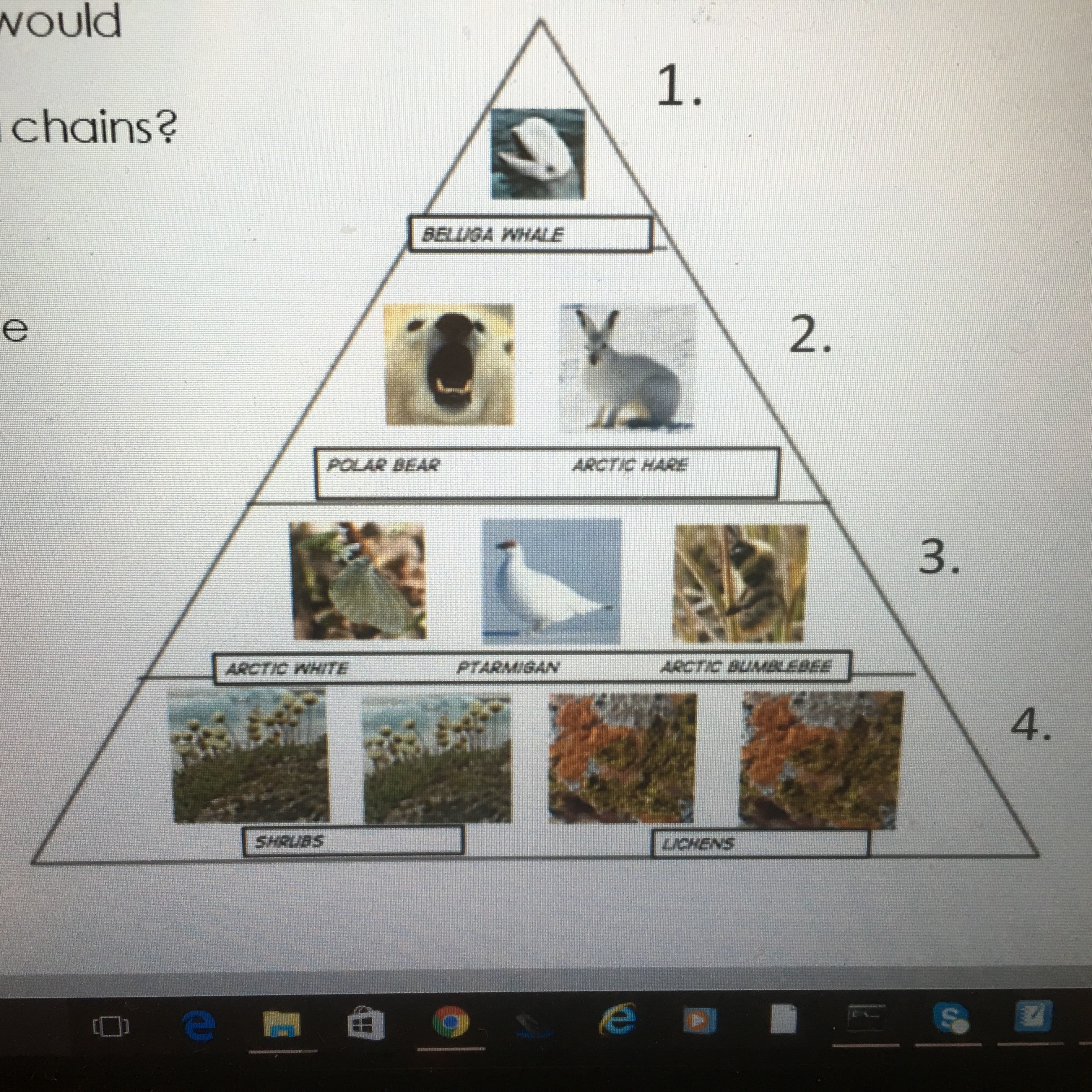
What amount of percentage does the energy decrease as it goes up the pyramid?
100%
1000%
10%
1%
How does the energy flow in an energy pyramids?
up the pyramid
down the pyramid
Photosynthesis is important because...
it makes carbon dioxide
it makes food for the food webs
it makes water
it's not important


What happens when different species try to occupy the same niche?
The species compete with each other
The species cooperate with each other
The species coexist with each other
All of the above
What is a niche?
The habitat that an organism lives in
An organism’s “role” in an ecosystem
A type of consumer
The relationship between a producer and consumer
The first organism in a food chain is ALWAYS a:
producer
consumer
decomposer
Any of the above
What is biodiversity?
The different ways species reproduce
The degree of variation of life on Earth
A way to describe similarities between different species
The process of creating new species
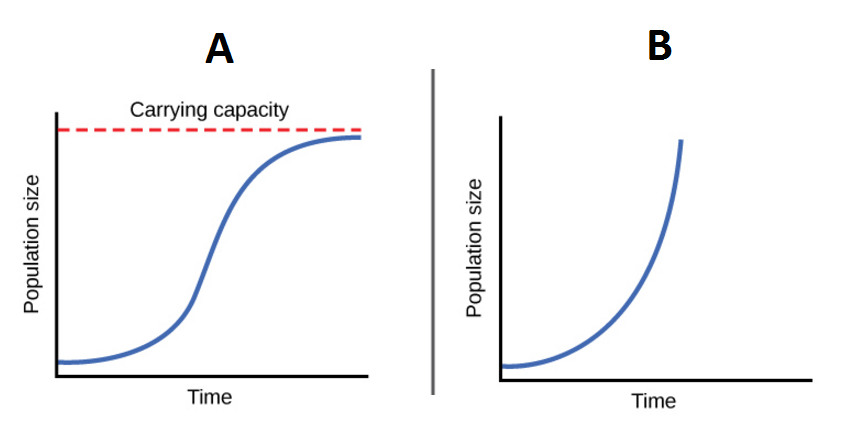
What type of growth model is shown in image B?
Exponential
Logistic
What type of growth model is shown in image A?
Exponential
Logistic

This graph shows ....
When one population increases, the other decreases.
When one population decreases, the other increases.
When one population increases, the other increases instantly.
When one population increases, it causes the other to increases shortly after.


Which of the following shows the symbiotic relationship between the Rodent and the Bird?
Mutualism
Commensalism
Competition
Hermit Crabs live in shells made and then abandoned by snails.
Commensalism
Parasitism
Competition


DNA stands for
Dioxyribo Nucleic Acid
Dunder Nucleic Acid
Dopamine Nucleic Acid
Deciduous Nucleic Acid
Which is in order from largest to smallest structure?
chromosome, DNA strand, gene, nucleotide
chromosome, gene, DNA strand, nucleotide
gene, DNA strand, chromosome, nucleotide
DNA strand, chromosome, gene, nucleotide
What are the parts of a nucleotide?
phosphate, sugar, base
A, T, G, C
Nucleic Acids
two base pairs connected
One strand of DNA has how many nucleotides
millions
about 20
billions
thousands
Which of the following is correctly matches: ATT GTA CGA
TAA CAT GCT
ATT GTA CGA
TAA GTA TCG
GCC ACG TAC
What do genes do?
make proteins
store energy
create covalent bonds
create hydrogen bonds
The size and shape of proteins determines:
their function
their bonds
their nucleotides
their chromosomes
The 'backbone' or 'ribbon' of the DNA strand is made of:
phosphate and sugar
phosphate only
phosphate and base
sugar and base
Covalent bonds occur:
on the ribbon (between the sugar)
between the bases
only between A & T
only between G & C
Hydrogen bonds occur:
on the ribbon (between the sugar)
between the bases
only between A & T
only between G & C

What is this a picture of?
nucleotide
DNA strand
chromosome
gene

Label the picture in order:
phosphate ; sugar ; base
phosphate ; base ; sugar
base ; sugar ; phosphate
base ; phosphate ; sugar
Which of the following correctly matches: GCT AGA TCG
CGA TCT AGC
TAG CTC GAT
ATC GAG CTA
ATG CTC CGT
DNA is shaped in a:
double helix
tightly packed swirl
twisted ladder
nucleotide
antiparallel stands of nucleotides run in:
opposite directions
the same direction
base pairs
chromosomes
In which phase does the DNA copy itself?
interphase
metaphase
anaphase
telophase
In which phase do the chromosomes line up?
prophase
metaphase
anaphase
telophase
In which phase do the chromosomes form?
prophase
metaphase
anaphase
telophase
In which phase do the chromatids split apart?
prophase
metaphase
anaphase
telophase
In which phase do new nuclear membranes form?
prophase
metaphase
anaphase
telophase
What is a cell?
Groups of similar types of cells that work together to carry out a specific task
Groups of different tissues working together to perform a particular job
Groups of different organs working together to complete a series of tasks
The smallest unit of life

What terms should replace X and Y in the table?
elements; compounds
abiotic; biotic
microscopic; macroscopic
natural; man-made
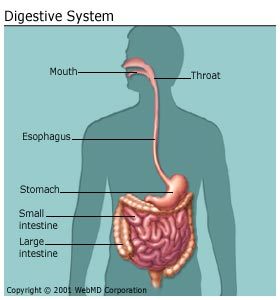
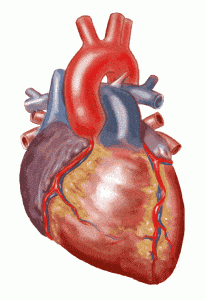
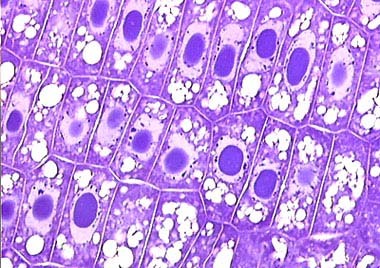

What are organs made out of?
cells
organisms
tissues
organ systems
The diaphragm links the respiratory to the muscular system because...
it is made of skeletal muscle tissue that helps you breath.
it is made of smooth muscle tissue that helps you breath.
it is made of cardiac muscle tissue that helps you breath.
The digestive and respiratory systems pair together to ...
bring carbon dioxide and wastes to cells for diffusion.
bring oxygen and wastes to cells for diffusion.
bring oxygen and nutrients to cells for cellular respiration.
bring carbon dioxide and nutrients to cells for cellular respiration.
The digestive and respiratory rely on the ___ systems to transport needed materials to the cells.
circlatory and excretory
circulatory and muscular
nervous and digestive
nervous and skeletal
The immune system fights diseases. The circulatory system pairs with the immune system because ___.
blood is made in the bones.
plasma carries nutrients.
red blood cells carry oxygen.
white blood cells fight infection.
What tissue type carries information from your brain to the heart telling it to pump blood.
nerve tissue
epithelial tissue
muscle tissue
connective tissue
The organ within the circulatory system that allows for the diffusion of materials between all other tissues of the body is the...
heart
artery
capillary
vein
Why are the lungs, the major organ of the respiratory system, also considered an excretory organ?
They get rid of carbon dioxide, a cellular waste
They get rid of oxygen, a cellular waste
They get rid of urea, a cellular waste
They get rid of salt, a cellular waste
Which list contains only connective tissues?
blood, tendon, bone marrow
smooth muscle, ligament, cartilage
nerve tissue, tendon, skeletal muscle
What is the correct relationship between the digestive system and the muscular system?
Most organs of the digestive tract are made of skeletal muscle.
Peristalsis is controlled by smooth muscle tissue.
The stomach has three layers of cardiac muscle tissue.
What systems do neurons depend on to be able to conduct cellular respiration (a process that has the key ingredients of oxygen and glucose)?
excretory, digestive, circulatory
musculoskeletal, nervous, respiratory
nervous, excretory, digestive
respiratory, digestive, circulatory
How do the skeletal and circulatory systems relate to each other?
Bone marrow produces blood.
The heart is made of cardiac muscle tissue.
The heart is held in place in the chest by ligaments.
The blood brings carbon dioxide and glucose to the cells of the bones.
All organ systems have this at its most basic unit.
Cells
Neurons
Tissues
Organs

