
 Worksheets
Economics Final Review
Total questions: 127
Worksheet time: 1hrs 20mins
Who is affected by the condition of scarcity?
The rich
Large economies
All societies
Producers (ie: businesses)
Why do all societies have to make decisions about how resources will be used?
People are greedy
There are not enough resources for those who want them
Resources are too expensive for most people
Because there is a huge gap between the rich and poor
If all resources are being used, what would have to be produced less of if more houses are built?
Cars
Candy
Computers
Cabinets
Which is NOT a question all societies have to answer due to scarce resources?
When will products be produced?
How will products be produced?
What products will be produced?
Who will gets access to the resources and the products they produce?
Which is NOT a scarce resource?
Labor
Trees
Time
Candy
Scarcity is defined as a limited supply of resources and...
limited wants for those resources
unlimited resources
limited resources
unlimited wants for available resources
Which two products use the same scarce natural resources?
Gasoline and Electricity
Gasoline and plastic
Apples and glass
Glass and gasoline
Why do we have to make production choices about available resources?
Too many resources for the demand
Limited wants
Unlimited resources
Scarcity
What are all societies forced to do because of scarcity?
Make production decisions
Conserve resources
Limit resource use
Charge large amount of money for available resources
What is the condition that exists when Albertson's runs out of 2% milk?
Scarcity
Shortage

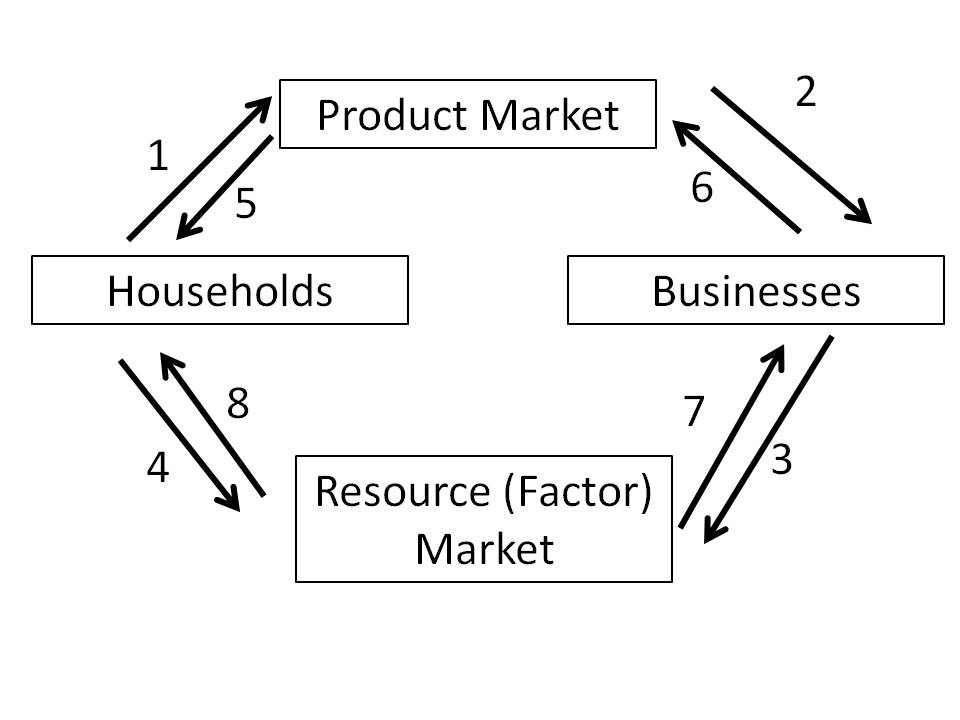
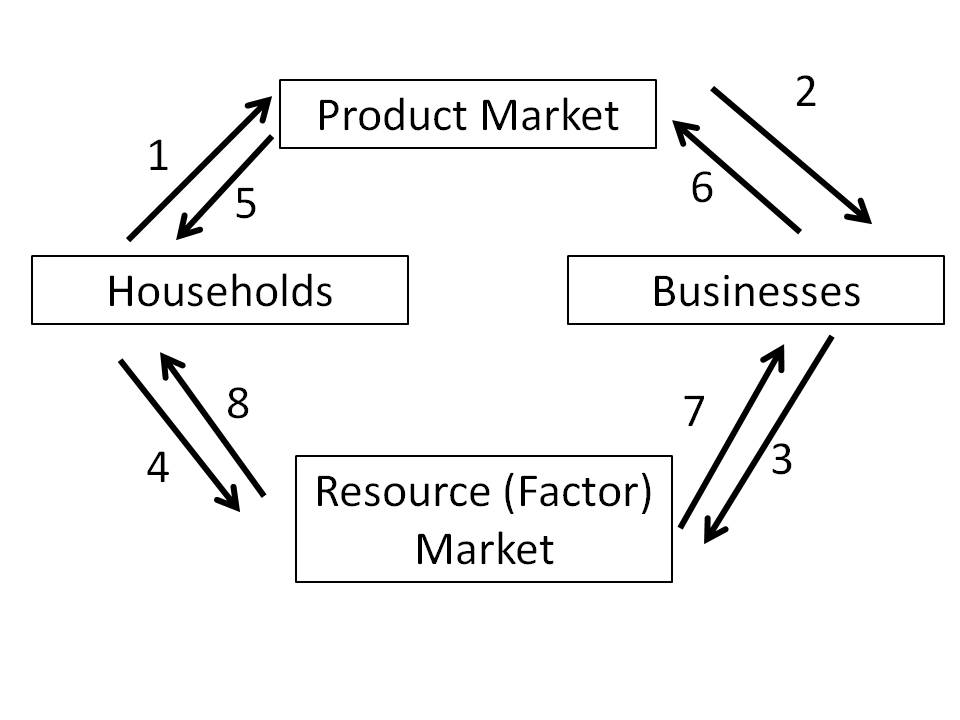
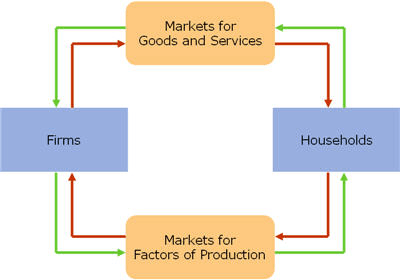
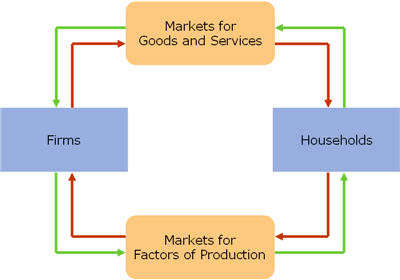

Goods and services are sold in the ___ market
Factor
Product
Illegal
Black
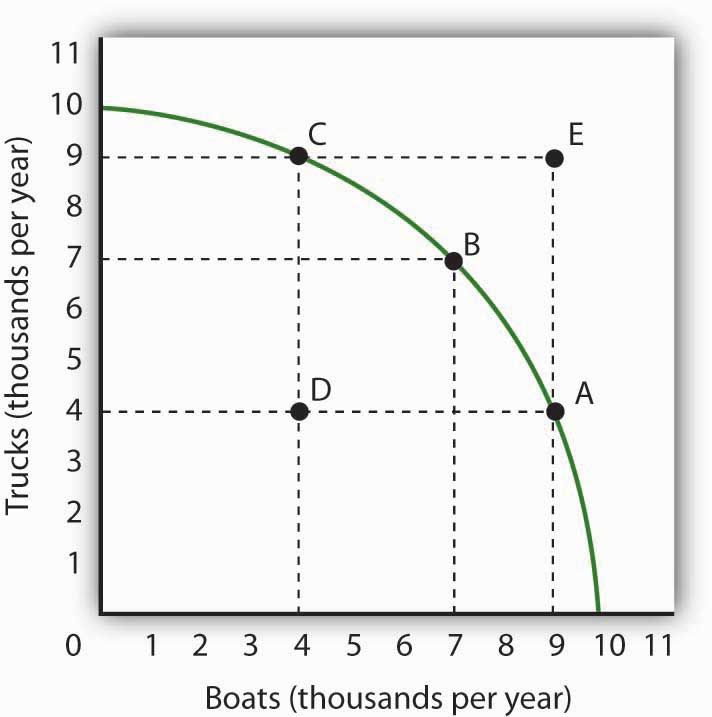

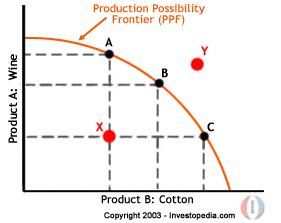
If there is improved technique of Production in both the goods , how will the PPC be affected?
Leftward shift of PPC
Rightward shift of PPC
Rotation of PPC
None of the above
In which economic system is the protection of private property rights essential?
Command
Traditional
Market
Socialism
In which economic system does the government answer all three of the big economic questions? (What to produce? How to produce? For whom to produce?)
Command
Socialism
Market
Traditional

Based on the passage, East Germany's government planned to transform its economy from: Click the magnifying glass for a better view.
Traditional to mixed
Command to traditional
Market to mixed
Command to mixed
Which of the following best explains a mixed economy?
Private ownership of the factors of production and regulation of businesses by government
Market exchanges answer all three of the big economic questions
Family customs and traditions determine what and how to produce a good
Government answers all three of the big economic questions
_____________ are a positive incentive for entrepreneurs to start a business despite the risks.
Pride
Wealth
Profits
Being an employer
In a __________________ economy, families, clans, or tribes make economic decisions based on generational customs and beliefs.
Mixed
Market
Traditional
Command
For markets to work efficiently, _________________ need to be well defined and enforced by law, otherwise trade would break down.
competition
private property rights
voluntary exchange
consumer soverignty
What does government provide with the revenue it takes in from taxes?
Headaches
Public goods and services
More Congressmen
Greater control of the media
The desire to have some good or service and the ability to pay for it
supply
equilibrium
demand
quantity demanded
Which of these best describes the law of demand?
if prices go up, quantity demanded will fall and if prices go down, quantity demanded will go up
if prices go up, quantity demanded will also go up and if prices go down, quantity demanded will also go down
there is no law of demand, each situation is unique and demand and prices cannot be predicted
prices will go up for certain goods when quantity demanded goes up and vice versa
A change in the price of a good causes people to buy more or less of an item. This best describes the concept of
the demand curve
change in quantity demanded
change in demand
elasticity
The quantity demanded of a good or service changes at all price levels best describes the concept of
change in quantity demanded
elasticity
change in demand
demand curve
Elasticity refers to
how producers of goods and services react to price changes
how consumers of goods and services react to price changes
how far a supply of scarce goods can be stretched
how often the price of a good or service changes when quantity demanded changes
Which of these demonstrates elastic demand?
a sharp increase in the price of milk causes a large drop in the quantity demanded for milk
the price of homes steadily increase but the quantity demanded for homes does not change
car dealerships cut prices to clear out previous year models and consumers rush to dealerships to take advantage of the sales
gas prices increase in the summer as more people want to go on road trips but the increases do not deter people from buying less gas
Which of these demonstrates inelastic demand? (multiple answers)
a cold snap destroys an apple crop causing prices to jump, however, people still buy apples and quantity demanded does not change
Super Bowl tickets hit record high prices but are still sold out in a matter of minutes and starting going for even higher prices on resale sites
concert tickets are not selling well, so the venue drops prices by 80%; the tickets sell out shortly thereafter
a restaurant starts charging a $10 delivery fee, delivery orders drop by 50% in the first month
Which of these shows a decrease in the quantity demanded?


Which of these shows an increase in the quantity demanded?


Which of these demonstrates inelastic demand?


When producers offer more of a good as its price increases and less as its price falls, this defines the
law of demand
law of supply
change in demand
change in supply
The willingness and ability of a producer to make a product is referred to as
quantity supplied
quantity demanded
supply
demand
Movement along a supply curve demonstrates
a change in quantity supplied
a change in quantity demanded
a change in supply
a change in demand
A shift in a supply curve demonstrates
a change in quantity supplied
a change in quantity demanded
a change in supply
a change in demand
Which of these demonstrates an example of a supply curve? (More than one answer)


Which of the following supply curves demonstrates a decrease in the quantity supplied?
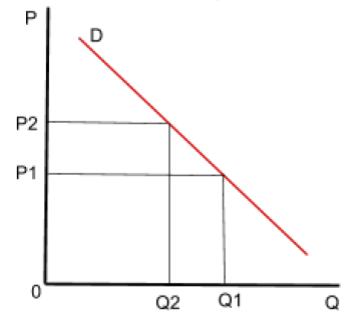


A decrease in supply is demonstrated by which of the following?


A hurricane wipes out an orange crop in Florida, sharply affecting the supply of oranges. Which chart demonstrates this concept?


The prices for houses steadily increase, causing more people to want to sell their homes. Which of these demonstrates this concept?


A popular musical act announces a concert at a 10,000 seat venue. Prices for tickets skyrocket so the venue announces that there will be 500 standing room only tickets offered. What concept does this demonstrate?
elastic supply
inelastic supply
change in supply
change in quantity supplied


Which area is NOT part of GDP:
Consumer sector
Business Sector
Government Sector
Private Sector
A Japanese car company makes a new sedan in Kentucky. Which country's GDP is this added to?
U.S.
Japan
U.S. and Japan
China
no answer
what does GDP stand for:
(a)
Which of the following is NOT part of GDP:
a new car that is sold
a teacher working in the classroom
a used TV on Craigslist
no answer
Which of the following are NOT in GDP:
Secondhand Sales
Retail Service
Intermediate Goods
Illegal Products
all
Which of the following can NOT be used to evaluate inflation?
PPI
CPI
GNP
GDP Deflator
A new iPhone is made in China. What country's GNP does this count for?
China
U.S.
U.S. and China
Japan
What can be used to measure standard of living?
GDP
GNP
CPI
PPI
GDP per capita
What does GNP stand for?
(a)
Most countries try to maintain an inflation rate of ______ per year.
One percent or less
Two to three percent
Four to five percent
Six to seven percent
Which of the following types of inflation interferes with a company’s ability to plan for the future?
Expected inflation
Unexpected inflation
Creeping inflation
Galloping inflation
Which of the following terms is also known as total output?
Price index
Price level
Aggregate demand
Aggregate supply
The _______ considers the weighted averages of a group of consumer goods and services.
Consumer price index
Aggregate supply
Producer price index
Aggregate demand
_________ is a decrease in the rate of inflation.
Hyperinflation
Disinflation
Deflation
Stagflation
__________ refers to a decrease in price level.
Hyperinflation
Disinflaation
Deflation
Stagflation
__________ occurs in the economy when unemployment and inflation are both high.
Hyperinflation
Disinflation
Deflation
Stagflation
Which of the following explains the relations between the average price of aggregate supply and the quantity demanded?
Aggregate demand
Price level
Producer price index
Consumer price index
Which of the following is NOT one of the components of Gross Domestic Product (GDP)?
Consumption
Producer Price Index
Government spending
Investment
Which of the followings is NOT one of the forms of inflation?
Hyperinflation
Disinflation
Stagflation
Pre-inflation
Which of the following types of inflation occurs when sales drop and retailers cannot place higher prices on customers?
Deflation
Disinflation
Hyperinflation
Pre-inflation
Which of the following causes of inflation is often described as “too much money chasing too few goods”?
Demand-pull inflation
Cost-push inflation
Demand-push inflation
Cost-pull inflation
Which of the following types of inflation involves the government using financial stimuli to increase the country’s output?
Deflation
Disinflation
Reflation
Hyperinflation
Which of the following interest rates is expressed in terms of current dollars as the percentage of the amount loaned?
Simple interest rate
Nominal interest rate
Real interest rate
Compound interest rate
Which of the following is NOT one of the constants the aggregate supply curve assumes?
State of technology
Resource prices
Rules providing production incentives
Rate of production
An unemployment rate of 3% - 5%.
full employment
unemployment rate
labor force
underemployed
This reflects those who are actively seeking employment.
full employment
unemployment rate
labor force
underemployed
This reflects those who are actively seeking employment AND those who are currently employed.
full employment
unemployment rate
labor force
underemployed
You will always have this because people will always want to change jobs.
frictional unemployment
seasonal unemployment
cyclical unemployment
structural unemployment
Prior to the pandemic, we had over 5,000 open jobs in Broome County but not the skilled people to fill them. This is an example of
frictional unemployment
seasonal unemployment
cyclical unemployment
structural unemployment
Santa's helpers in July would represent
frictional unemployment
seasonal unemployment
cyclical unemployment
structural unemployment
You have the least amount of control over this since it is based on the ups and downs of the business cycle.
frictional unemployment
seasonal unemployment
cyclical unemployment
structural unemployment
As an outdoor lifeguard, you don't have control over your end date, but you expect it and can plan for it.
frictional unemployment
seasonal unemployment
cyclical unemployment
structural unemployment
If Mrs. Murat left her job to go back to college to get her administration degree.
frictional unemployment
seasonal unemployment
cyclical unemployment
structural unemployment
According to the data we looked at this week, which sector was hit hardest during the pandemic?
Education
Leisure and Hospitality
Health Care and Social Assistance
Construction
a U.S. congresswoman proposes a tax code revision that taxes large estates more than smaller estates
Progressive
Regressive
Proportional
a U.S. senator proposes that a flat tax take the place of the graduated income tax
Progressive
Regressive
Proportional
a U.S. congressman puts forward an amendment to a tax bill that would give poor families a tax credit based on their income, with those earning the lowest income getting the highest tax credit
Progressive
Regressive
Proportional
a state raises the sales tax on all sales of clothing
Progressive
Regressive
Proportional
the Senate passes a bill that all earned income is subject to FICA taxes (Social Security, Medicare)
Progressive
Regressive
Proportional
a vegetarian state legislator proposes a uniform tax on sales of meat
Progressive
Regressive
Proportional
a U.S. senator introduces a bill to raise the tax on capital gains (profits on sales of stock)
Progressive
Regressive
Proportional
the federal government increases the entrance fees to all national parks
Progressive
Regressive
Proportional

