
Font size
 Worksheets
biology cp final exam review 1 (2023)
Total questions: 90
Worksheet time: 1hrs 10mins

Which structure inside a cell makes proteins?
Ribosomes
Golgi Body
Nucleus
Endoplasmic Reticulum

This is found in prokaryotic cells and plant cells, it surrounds the plasma membrane.
Cytoskeleton
Plasma Membrane
Cell Wall
Golgi Body

An internal network of tubes that help the cell keep its shape and helps with cell division.
Plasma Membrane
Cell Wall
Capsule
Cytoskeleton

This part of a Eukaryotic cell holds the DNA and acts like the "brain" of the cell.
Nucleus
Ribosomes
Endoplasmic Reticulum
Golgi Body

This is the membrane that protects the nucleus and has pores so things can move in and out.
Nucleolus
DNA
Nuclear Membrane
Plasma Membrane

This is the part of the nucleus where ribosomes are made...
Nucleolus
Chromatin
Smooth ER
Rough ER

Which organelle's job is to package and ship out proteins and lipids?
Rough ER
Golgi Body
Smooth ER
Nucleus

Which organelle in a Eukaryotic cells digests food and worn-out organelles?
Rough ER
Smooth ER
Lysosomes
Golgi Body

This organelle is found in plant cells and performs photosynthesis.
Cell Wall
Chloroplasts
Central Vacuole
Nucleus

This organelle is found in plant cells, its job is to store extra water, sugar and toxins for the plant.
Cell Wall
Chloroplasts
Chlorophyll
Central Vacuole
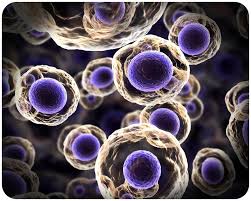

Semi-__________ refers to the ability to only allow certain molecules to cross the membrane.
conductive
pro
solid
permeable

What part of the cell is labeled #50?
nucleus
endoplasmic reticulum
Golgi apparatus
mitochondria
vacuole
What part of the cell is labeled #51?
vacuole
endoplasmic reticulum
Golgi apparatus
ribosomes
cytoskeleton
What part of the cell is labeled #52?
vacuole
cytoplasm
Golgi apparatus
ribosomes
cytoskeleton
What part of the cell is labeled #53?
cell membrane
cytoplasm
cell wall
ribosomes
cytoskeleton
What part of the cell is labeled #55?
mitochondria
endoplasmic reticulum
Golgi body
nucleus
cytoskeleton
What part of the cell is labeled #56?
lysosome
endoplasmic reticulum
nucleolus
nucleus
cytoskeleton
What part of the cell is labeled #57?
Golgi apparatus
endoplasmic reticulum
nucleolus
nucleus
mitochondria
What part of the cell is labeled #58?
Golgi apparatus
endoplasmic reticulum
nucleolus
nucleus
mitochondria
What part of the cell is labeled #59?
vacuole
ribosome
nucleolus
nucleus
mitochondria
What part of the cell is labeled #60?
vacuole
ribosome
cytoplasm
nucleus
mitochondria

Observe the structure of the plasma membrane. What is the identity of the molecule labeled X?
cholesterol
nucleotide
phospholipid
protein
What type of microscope can produce three-dimensional images of a cell's surface?
transmission electron microscope
scanning electron microscope
simple light microscope
compound light microscope
Looking at a cell under a microscope, you note that it is a prokaryote. How do you know?
The cell lacks cytoplasm.
The cell lacks a cell membrane.
The cell lacks a nucleus.
The cell lacks genetic material.
Which of the following is NOT found in the nucleus?
mitochondria
nucleolus
chromatin
DNA
Electron microscopes can reveal details
only in specimens that are still alive.
about the different colors of cell structures.
of cell structures only once they are stained.
1000 times smaller than those visible in light microscopes.


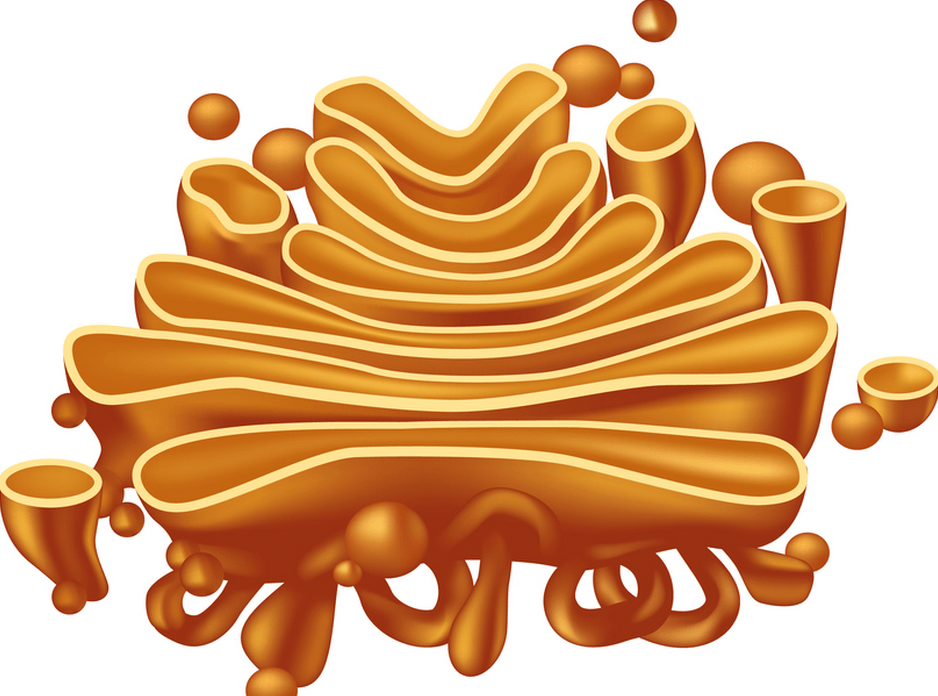
What is the definition of OSMOSIS?
Diffusion of water through a selectively permeable membrane
Molecular structure that surrounds the cell and controls what enters and leaves the cell
Movement of molecules across the cell membrane against the concentration gradient
Movement of molecules across the cell membrane from an area of high concentration to low concentration
What is the definition of ACTIVE TRANSPORT?
Movement of molecules across the cell membrane against the concentration gradient
Diffusion of water through a selectively permeable membrane
Molecular structure that surrounds the cell and controls what enters and leaves the cell
Movement of molecules across the cell membrane from an area of high concentration to low concentration

Identify the following structure
Phospholipid
Cell
Cell membrane
Protein
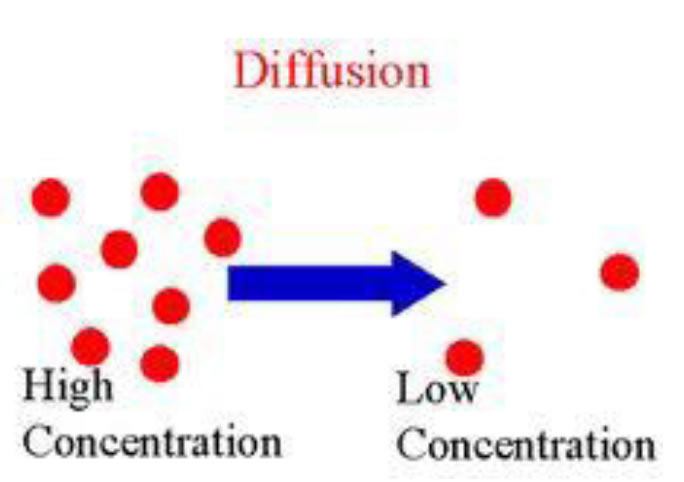
In passive diffusion, substances always move...
from an area of higher concentration to an area of lower concentration
from an area with more of the molecules to an area with fewer of the molecules
from an area of lower concentration to an area of higher concentration
from an area with fewer of the molecules to an area with more of the molecules
What is the definition of FACILITATED DIFFUSION?
Movement of molecules across the cell membrane from an area of high concentration to low concentration
Diffusion of water through a selectively permeable membrane
Movement of molecules across the cell membrane against the concentration gradient
Molecular structure that surrounds the cell and controls what enters and leaves the cell


Which type of transport uses energy in the form of ATP to transport substances?
Active transport
Passive transport
Which type of passive transport uses transport proteins to transport items such as glucose through the membrane?
Facilitated diffusion
Osmosis
Diffusion
ATG TGA CAG?


ATG TGA CAG
"The ________ system allows us to move around, but the _________ system controls our movement."
Receives info from the environment and responds to it
Skeletal System
Muscular System
Integumentary System
Nervous System
Which of the following is that correct Levels of Organization?
1. Tissue
2. Organ
3. Cell
4. Organism
5. Organ System
1. Cell
2. Tissue
3. Organ System
4. Organism
5. Organ
1. Organism
2. Organ
3. Cell
4. Organ System
5. Tissue
1. Cell
2. Tissue
3. Organ
4. Organ System
5. Organism

What is the image above:
Chromosome
Chromotid
Centromere
Centriole
A chromosome is packaged
DNA
Protein
Carbohydrates
Lipids

What stage of mitosis is depicted here
Prophase
Metaphase
Anaphase
Telophase

What stage of mitosis is depicted here
Prophase
Metaphase
Anaphase
Telophase



