
 Worksheets
Unit 3 Cell Review
Total questions: 91
Worksheet time: 3hrs 2mins
What biomolecule makes up the double layer of our cell membrane?
protein
carbohydrates
nucleic acids
lipids
What is the most important contribution DNA makes?
nucleic acids
nucleotides
information
cell division
The cell part found only in plant cells that provides support and structure to the cell is
Cell membrane
Cell wall
Nucleus
Chloroplast
The organelle found only in plant cells that makes glucose during photosynthesis is:
Chloroplast
Mitochondria
Nucleus
Vacuole
The organelle that makes ATP or energy is all cells is
Mitochondria
Chloroplast
Nucleus
Vacuole
The control center of the cell. It contains the DNA
Vacuole
Chloroplast
Nucleus
Mitochondria
Organelle that is much larger in plant cells than animal cells. It stores liquid in the cell
Mitochondria
Chloroplast
Vacuole
Nucleus
Organelles found in both plant cells and animal cells. It filters what goes in and out of the cell
Cell wall
Chloroplast
Mitochondria
Cell membrane
Cell parts that build proteins according to the DNA code
Mitochondria
Chloroplast
Nucleus
Ribosomes
The cell membrane is selectively permeable. What does "selectively permeable" mean?
Anything can enter.
Nothing can enter.
Some things can enter, while other things can't enter.


Chromosomes are found in _____________________ of cells.
the nucleus
the cytoplasm
both the nucleus and the cytoplasm
None of the above
The function of flagella is:
Movement
Provide Energy
Protection
Make Proteins
Prokaryotic cells have all of the following parts EXCEPT:
Cell membrane
Ribosomes
Cytoplasm
Nuclear membrane
Organelles where photosynthesis occurs, are green due to chlorophyll pigment found in them.
Chloroplasts
Cell Wall
Cell Membrane
Cytoplasm
Saclike structures that store materials such as water, salts, proteins, and carbohydrates.
Nucleus
Ribosomes
Organelles
Vacuoles
What organelle is associated with the production of proteins during protein synthesis?
nucleus
ribosome
mitochondria
cell membrane
The function of the rough ER is to:
Produce and folding lipids
Produce and folding proteins
Produce and folding carbohydrates
Produce and folding Nucleic acids
The function of the smooth ER is to:
Make proteins
Make lipids
Make carbohydrates
Make nucleic acids

Organisms whose cells do not have a nucleus are called _____.
Prokaryotes
Unicellular
Eukaryotes
Multicellular
What fluid can be found in cells that holds organelles?
Cytoplasm
Chlorine
Blood
Plasma
Which plant organelle transforms light into glucose to use as food?
Nucleus
Vacuoles
Mitochondria
Chloroplasts
What organelle is used as storage?
Ribosome
Cell Wall
Vacuole
Cell
What are the small structures inside of cells that carry out specific functions called?
Tissues
Organelles
Organs
example of a prokaryote cell is
Animal Cell
Plant Cell
Virus
Bacteria
all organisms are made of cells
Cell Wall
Cell Theory
Golgi Apparatus
Chloroplasts
An organism made of only one cell is called
Unicellular
Multicellular
Monocellular
Eukaryotic
When an organism has cells with a nucleus, they are called _______.
Prokaryotes
Eukaryotes
Bacteria
Archaea
What kind of organism is made of many cells, each with a special function?
Multicellular
Prokaryotic
Eukaryotic
Unicellular

What kind of cell?
Eukaryote
Prokaryote
Both

What kind of cell?
Prokaryote
Eukaryote
Both

What kind of cell?
Prokaryote
Both
Neither
Eukaryote
Where is DNA found in Prokaryote cell?
Inside of the Nucleus
Inside of the cell (No specific place)
Where is DNA found in a Eukaryotic Cell?
No specific location (Scattered around the cell)
Inside of the Chloroplast
Inside of the cell membrane
Inside of the nucleus
What is the function of the mitochondria?
Structure that manufactures ribosomes
Structures that converts nutrients to energy
Stack of membranes that packages chemicals
Structure that contains DNA and directs the cell
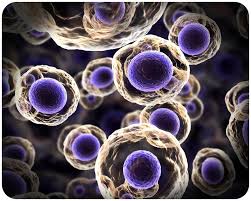

What is the function of the mitochondria?
Structure that manufactures ribosomes
Structures that converts nutrients to energy
Stack of membranes that packages chemicals
Structure that contains DNA and directs the cell
The Cell Theory states - (select all that apply)
The cell is the basic unit of life
All cells are crested from existing cells
All cells reproduce sexually
All organisms are made from cells
Regulates the entering and exiting on materials in the cell
Cell Wall
Cell Membrane
Mitochondria
Endoplasmic Reticulum
Responsible for protein synthesis with ribosomes and lipid production -
Mitochondria
Endoplasmic Reticulum
Lysosomes
Chloroplast
Gel-like substance that holds all organelles in place -
Chloroplast
Call wall
Cytoplasm
Lysosomes
contains enzymes that break down materials
lysosomes
vesicles
vacuoles
cilia
TRUE or FALSE: ALL cells have DNA, but NOT ALL cells have a nucleus
TRUE
FALSE
Organelle that is much larger in plant cells than animal cells. It stores liquid in the cell
Mitochondria
Chloroplast
Vacuole
Nucleus

What is the name of the structure labeled 5?
cell membrane
mitochondria
cell wall
nucleus

Which number indicates the location of the mitochondria?
3
4
7
11
Which of the following structures would only be located in this type of cell?
11
12
14
7
Which number would represent the control center of the cell?
3
6
7
11
Which cell part would you NOT expect to find in this kind of cell?
centrioles
mitochondria
cell wall
nucleus
You identify the following in a cell image: a cell membrane, cytoplasm, mitochondria, and a cell wall. What kind of cell must this be?
bacteria cell
plant cell
animal cell
Which number is most likely to help maintain homeostasis in a cell by controlling what is able to go in and out?
1
6
11
5
what is Gene?
Jelly-like substances
Cell having nuclear material without nuclear membrane
unit of inheritance in living organisms
entire content of a loving cell is known as gene
What organelle is called "power house of the cell"
Nucleolus
Endoplasmic
reticulum
chromosomes
Mitochondria
The basic components of a cell are
cell membrane, cytoplasm and nucleus
Cytoplasm, Nucleus and DNA
Cell, Nuclear membrane
Cell wall, chromosome and DNA
Nucleus contains thread-like substances called
nuclear membrane
nucleolus
cytoplasm
chromosomes
Each organ is further made up of smaller parts called?
Tissues
Cork
chloroplasts
_______ are the smallest units of life becuase they grow, reproduce, respond, and use energy.
atoms
elements
cells
molecules
Cells come from ___________
other pre-existing cells
cytoplasm
organelles
prokaryotes
Which organelle sorts, packages, and transports materials in the cell?
mitochondria
golgi apparatus
endoplasmic reticulum
ribosomes
There are used to transport substances between the cell.
vesicles
ribosomes
lysosomes
uber eats
This organelle is responsible for removing waste and dead parts from the cell.
mitochondria
lysosome
vacuole
cell wall
Which is the correct levels of organization from smallest to largest?
tissue, organ, cell, organism, organ system
organism, organ system, organ, tissue, cell
cell, tissue, organ, organ system, organism
Which is NOT a characteristic of life?
obtain and use energy
able to use oxygen
contains genetic material
made of cells
Moves materials around the cell; has 2 types smooth and rough
lysosome
endoplasmic reticulum
golgi apparatus
cytoplasm
Whip-like structure on outside of the cell (used for movement)
Mitochondria
Cilia
Flagella
Microvilli
Hair-like structure on the surface of the cell
Flagella
Microvilli
Chloroplast
Cilia
Structure within the Nucleus that holds the DNA, RNA and Proteins
Nucleus
Ribosomes
Lysosome
Nucleolus
This organelle's function is to synthesize RNA that forms ribosomes.
Endoplasmic reticulum
Golgi Apparatus
Nucleolus
Nucleus
This organelle dictates the activities of the organelles inside the cell.
mitochondria
nucleus
cytoplasm
ribosomes
What organelle contains centrioles and is a specialized region for building new structures?
ribosomes
endoplasmic reticulum
nucleolus
centrosome
Which organelles release chemicals that break down large food particles into smaller ones?
vacuoles
endoplasmic reticulum
Golgi bodies
lysosomes
Unlike the cell wall, the cell membrane
is made of chromatin.
is found in all cells.
produces energy for the cell.
protects the nucleus with a rigid layer of cellulose.
There are three parts to the cell theory. Which is NOT one of those parts?
All organisms are composed of one or more cells.
The cell is the basic unit of structure and organization in organisms.
Cells spontaneously arise from carbon and nutrients carried in the bloodstream.
All cells come from pre-existing cells.
Who named the cell?
Robert Hooke
Robert Redford
Robert Smith
Robert DeNiro
Which scientist realized that, by studying samples under a microscope, all animals are made up of cells?
Rudolf Virchow
Robert Remak
Theodor Schwann
Isaac Newton
Which scientist looked at dental scrapings & pond water and called the single-celled organisms "animalcules"?
Van Leeuwenhoek
Hooke
Pasteur
Virchow
Who said that all plants are made of cells?
Schleiden
Schwann
Van Leeuwenhoek
Pasteur
Who wrote a book that said that cells come from other cells like them?
Virchow
Pasteur
Hooke
Van Leeuwenhoek
What is NOT part of the modern cell theory?
all cells contain a nucleus
metabolism (processing energy) occurs in cells
genetic (hereditary) info is passed from one cell to another
all cells have the same basic composition (a cell membrane, cytoplasm, cytoskeleton, ribosomes, etc).
Which invention was the most important thing that helped scientists develop the cell theory?
compound light microscope
petri dish
scanning electron microscope
dissection tools
While looking at cork, Hooke observed box-shaped structures, which he called “cells” because...
they reminded him of the cells, or rooms, in monasteries.
they looked like cellulitis

