
 Worksheets
ML Chem S2 Final Sell 2023
Total questions: 94
Worksheet time: 1hrs 10mins
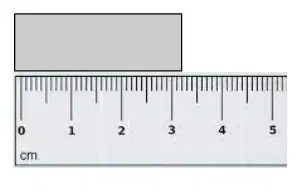
What is the length of the block?
3 inches
3 centimeters
3.2 inches
3.2 centimeters
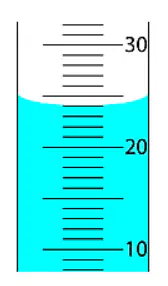
How much liquid is in the cylinder?
20 mL
30 mL
24 mL
25 mL
What is the scientific notation for this number?
1,504,000,000.00
1.5049
1.50410
1.50411
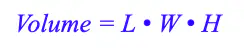
What is the volume of this square object?
Length: 8.73 cm
Width: 4.56 cm
Height: 6.23 cm
The volume is (a) cm3.

What is the density of this cylindrical object?
Volume: 8.15 mL
Mass: 6.39 g
The density is 0. (a) g/mL

Match the measurement with the correct unit.
mass
kilogram (kg)
length
meter (m)
volume
cubic meter (m3) or cubic liter (L3)
Match the measurement with the correct unit.
time
second (s)
amount of substance
mole (mol)
temperature
kelvin (K) or celsius (°C)

Convert 0.35m to mm.
(a) mm
Convert 254.6 g to kg.
0. (a) kg

Which field of science studies the composition and interactions of matter?
physics
biology
chemistry
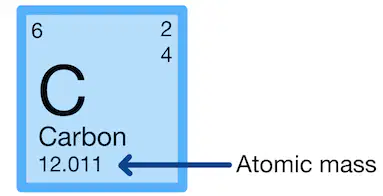
(a) is the mass of one mol of a particle and has units of g/mol.
The (b) unit is the mass of one particle and has a unit of amu.

The Law of Conservation of Mass:
Mass is (a) in a chemical reaction.
What is the molar mass of NaCl?
Na: 22.99
Cl: 35.45
__.__ g/mol
(a)
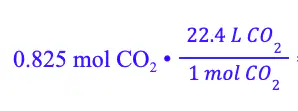
How many CO2 gas are present in 0.825 moles?
(a) ._ L CO2

Put the three steps of stoichiometry in the correct order.
Convert to moles --> Use the Mole Map
Multiply by the mole ratio from balanced equation
Convert to required unit --> grams, liters, molecules

What is the formula for the compound magnesium sulfate?
(a) (b) 4
Balance the chemical equation:
(a) Fe + (b) O2 ---> (c) Fe2O3

The combustion of ethanol (C2H5OH) in the reaction above produces 26.63 g of carbon dioxide.
How many moles of CO2 are produced?
0. (a) mol
The combustion of ethanol (C2H5OH) in the reaction above produces 26.63 g of carbon dioxide.
How many molecules are produced?
_. (a) ⋅ 1023 molecules
The combustion of ethanol (C2H5OH) in the reaction above produces 26.63 g of carbon dioxide.
How many oxygen atoms are in 26.36 g of CO2?
_. (a) ⋅ 1023 O atoms

A 100.0g sample of an unknown organic compound was analyzed and found to contain 40.7% carbon, 5.1% hydrogen and 54.2% oxygen.
Determine the empirical formula of the unknown compound.
(a) 2 (b) 3 (c) 2

(a) = reactant that is used up in a chemical reaction. It determines the amount of product that is produced.
(b) = reactant that is only partially used up in a chemical reaction, so some amount will be left over.

Aluminum metal reacts with chlorine gas according the the reaction shown below:
2 Al(s) + 3 Cl2(g) → 2 AlCl3(s)
If 3.0 mol of aluminum reacts with 5.3 mol of Cl2, identify the limiting reagent.
(a) is LR
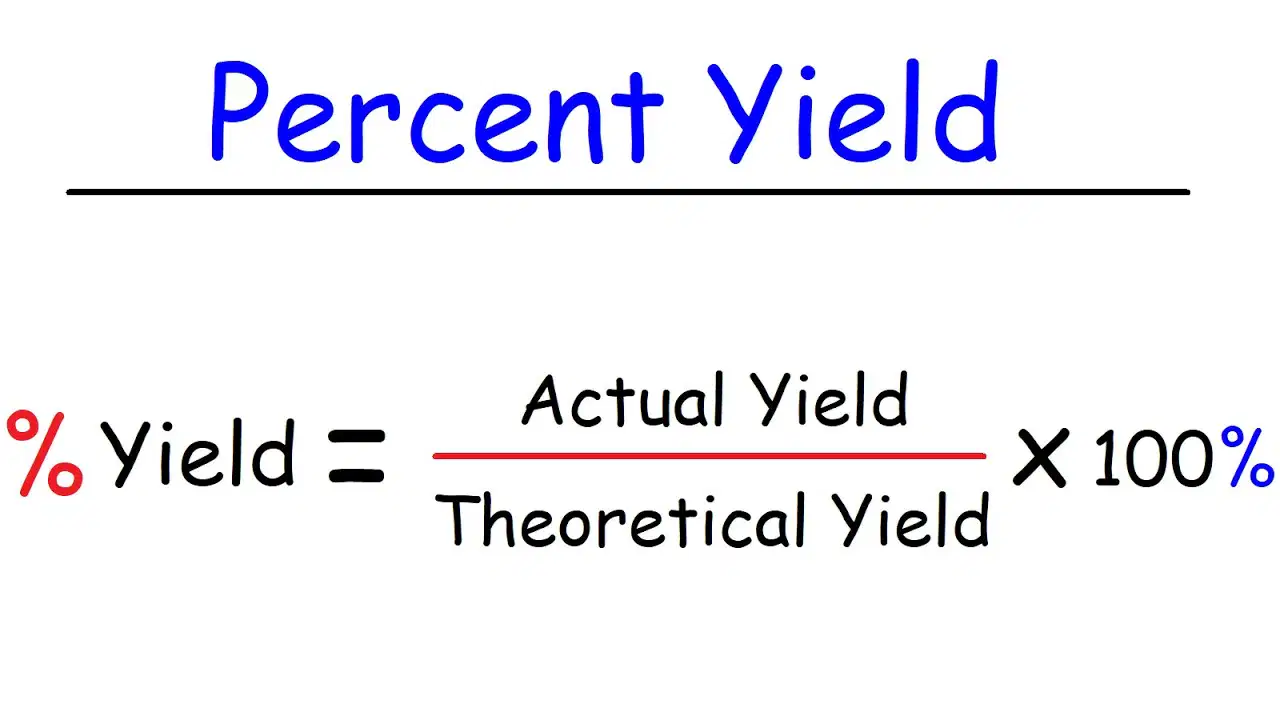
(a) = The amount of product that actually forms when the reaction is carried out (measured value).
(b) = The maximum amount of product that can form based on the amount of the limiting reactant (calculated value).
(a) measure of the change in the number of moles during an interval of time.
(b) = atoms, ions, and molecules can react to form products when they collide with one another with sufficient energy and proper alignment
(c) = transition from reactants to products and products back to reactants occurs at an equal rate - no net change in reactant or product concentrations occur
Match the four factors that affect reaction rates with how they work.
Temperature
when higher - increase particle motion (kinetic energy) and increase effective collisions
Concentration
when increased - increase the number of effective collisions and therefore increase reaction rate
Particle Size
when decreased - will increase the surface area for collisions, increasing the reaction rate
Catalysts
will lower the activation energy necessary for a reaction to take place
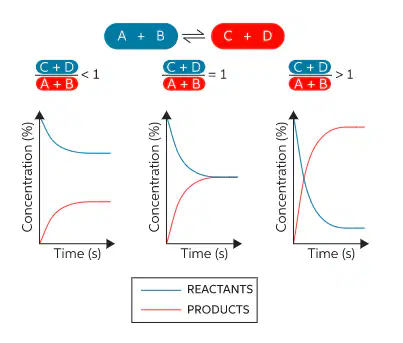
If Keq is greater than 1, where does the equilibrium position lie?
The equilibrium position lies to the (a) (products because numerator is larger)
If Keq is less than 1, where does the equilibrium position lie?
The equilibrium position lies to the (b) (reactants because denominator is larger)

According to Le Châtlier’s Principle,
if (a) is applied to a system at equilibrium, the system changes in a way that relieves that stress.
According to Le Châtlier’s Principle,
if (a) is increased, the system shifts towards the side opposite the increase.
According to Le Châtlier’s Principle,
if (a) is increased, the system shifts to the side with the lower total number of particles (lower total of coefficients).

Correctly label a reaction coordinate diagram.
reactant energy
a
activated complex
b
product energy
c
activation energy
d
energy released (ΔH)
e
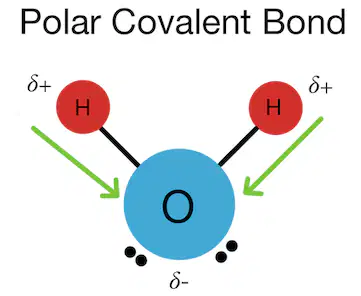
Water is a polar covalent molecule.
TRUE
FALSE
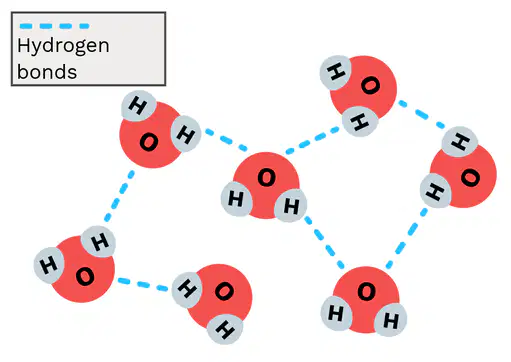
Water molecules are attracted to each other by hydrogen bonds.
TRUE
FALSE
Which demonstrates surface tension?


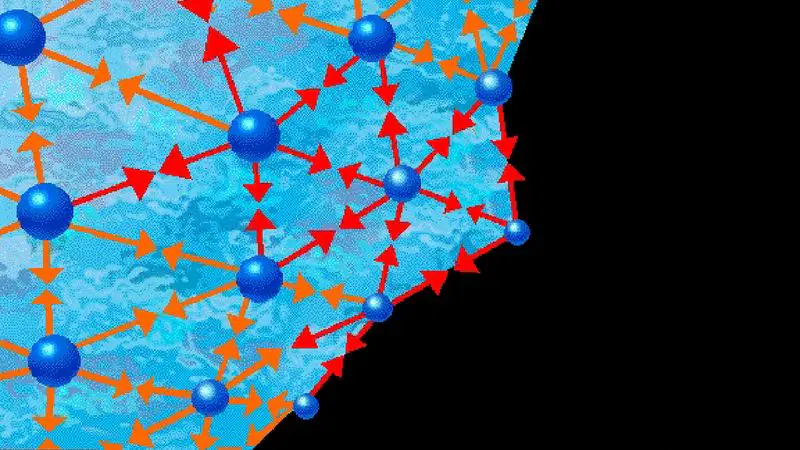
Surface tension in water is caused by ___ bonds.
hydrogen
oxygen
What can break surface tension?
a surfactant
a solute

What is the name for pressure exerted by a gas that has evaporated from a liquid?
vapor pressure
water pressure
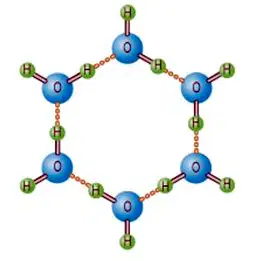
Which structure is shown here?
ice
water
gas
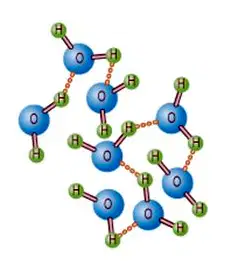
Which structure is shown here?
ice
water
gas
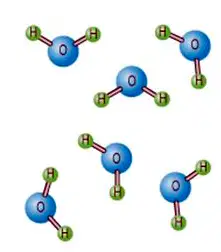
Which structure is shown here?
ice
water
gas
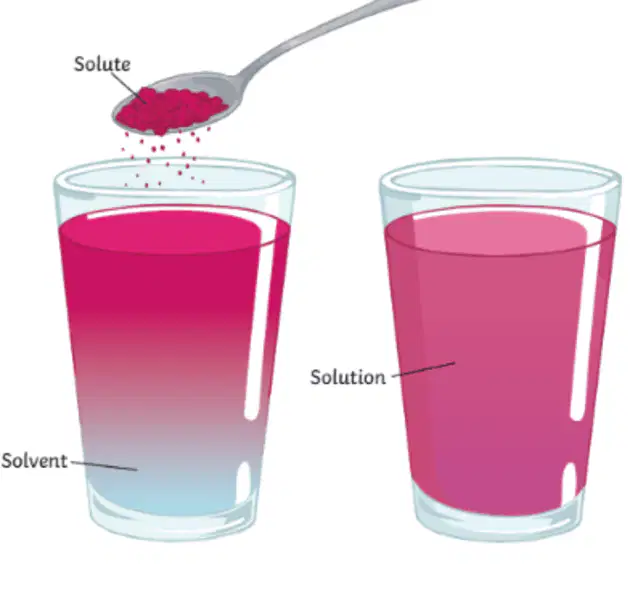
Which means water that contains dissolved substances?
aqueous solution
solvent
solute
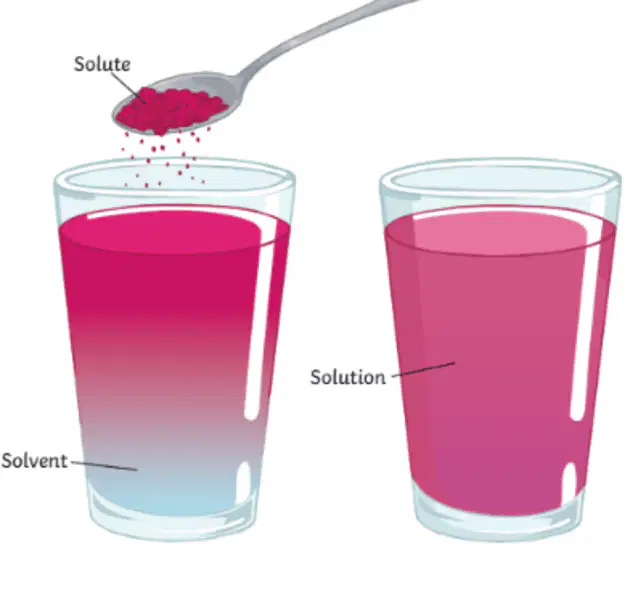
Which means the dissolving medium in a solution?
aqueous solution
solvent
solute
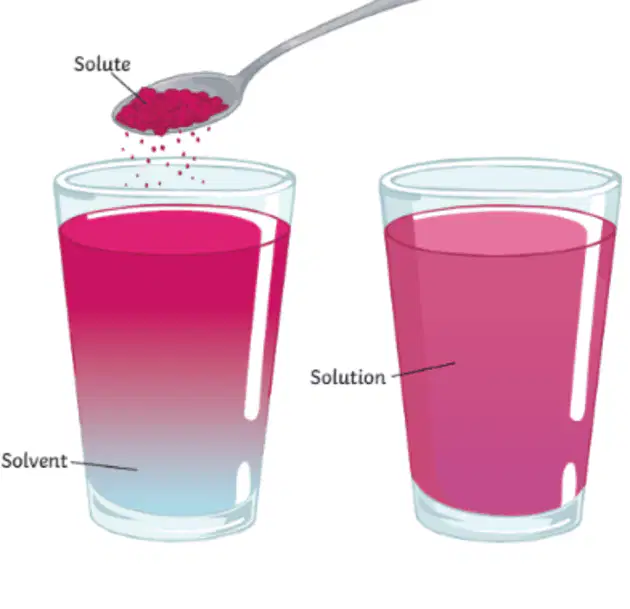
Which means the dissolved particles in a solution?
aqueous solution
solvent
solute
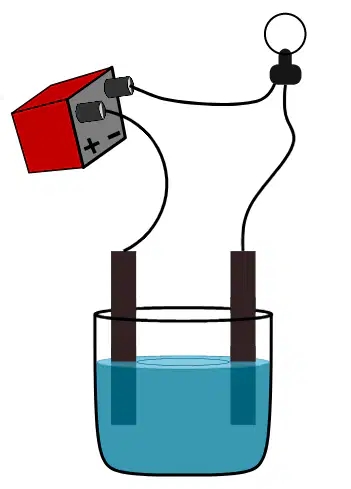
Which is pictured here?
electrolytes
nonelectrolytes
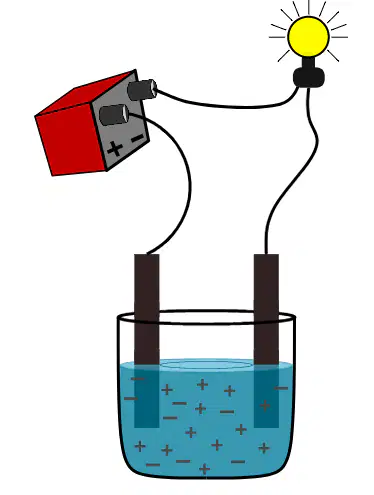
Which is pictured here?
electrolytes
nonelectrolytes
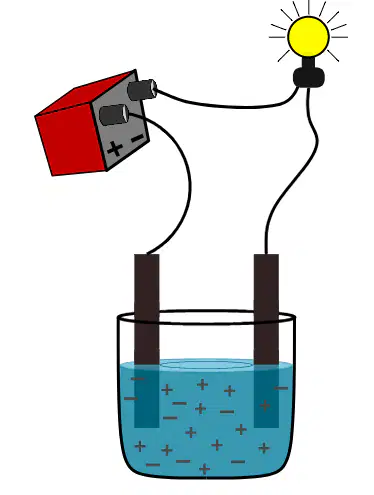
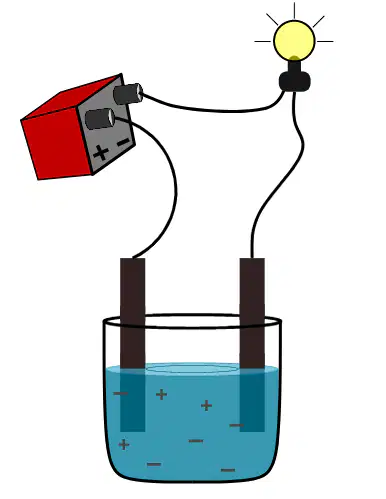
Which electrolytes are strong?
Which is a homogeneous mixture?


Which is a heterogeneous mixture?
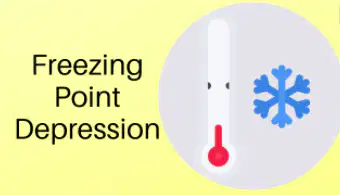
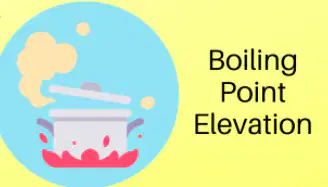
Which are examples of the colligative property? (Choose 2.)

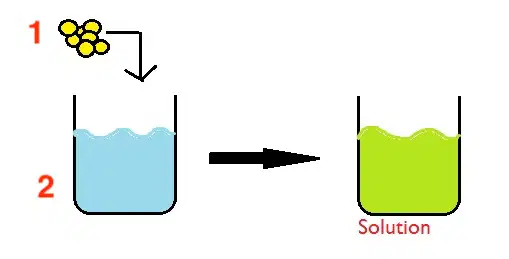
Which is the solute?
1
2
Which is the solvent?
1
2
Which is a solution?
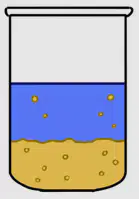
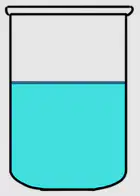
Which is a suspension?
Which solution is dilute?
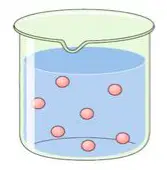
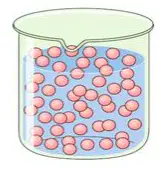
Which solution is concentrated?
Which solution is unsaturated?
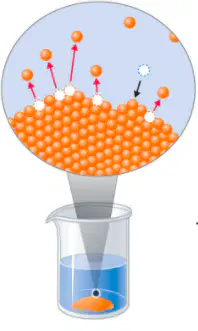
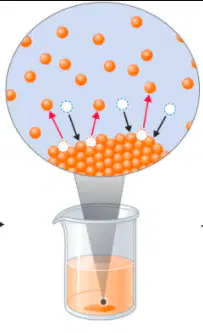
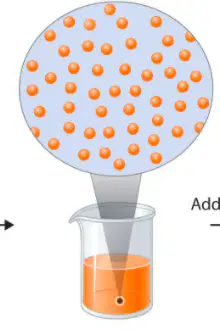
Which solution is saturated?
Which solution is supersaturated?
Which shows miscible liquids?
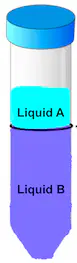
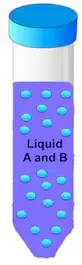
Which shows immiscible liquids?
What is the ideal value (i) for this compound?
CaCl2
1
2
3
What is the ideal value (i) for this compound?
NaBr
1
2
3
What is the ideal value (i) for this compound?
C6H12O6
1
2
3
In a dilute aqueous solution of potassium chloride, which is the solute?
potassium chloride
(KCl)
water
(H2O)
In a dilute aqueous solution of potassium chloride, which is the solvent?
potassium chloride
(KCl)
water
(H2O)

What is the molarity of this solution?
0.40 mol of NaCl dissolved in 1.6 L of solution
(Look at the equation!)
(a)
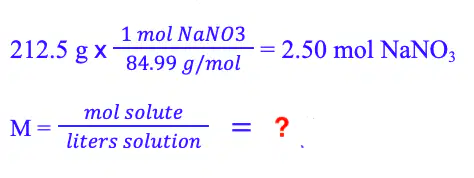
What is the molarity of this solution?
212.5 g of sodium nitrate (NaNO3) in 3.0 L of solution
(Look at the equation!)
(a)

How many grams of solute are needed to prepare this solution?
2500.0 mL of a 3.0 M solution of potassium hydroxide (KOH)
(Look at the equation!)
(a)
The ideal value for CaCl2 is 3.
The ideal value for NaCl is 2.
If you dissolve an equal number of moles of NaCl and CaCl2 in equal volumes of water, which solution will have the lower freezing point?
NaCl
CaCl2
The ideal value for CaCl2 is 3.
The ideal value for NaCl is 2.
If you dissolve an equal number of moles of NaCl and CaCl2 in equal volumes of water, which solution will have the lower boiling point?
NaCl
CaCl2
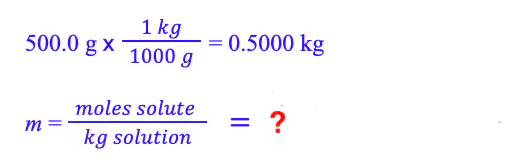
Find the molality of...
2.3 moles of glucose dissolved in 500.0 g of water.
(Look at the equation!)
(a)
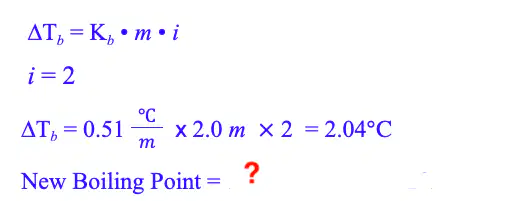
Find the boiling point of this solution. Remember, Kb for water is 0.51 oC/m.
2.00 m solution of sodium chloride, NaCl
(Look at the equation!)
(a)
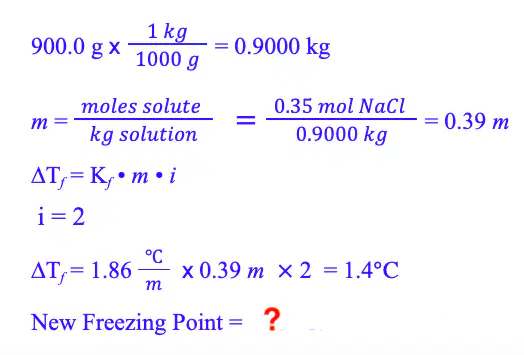
Find the freezing point of this solution. Remember, Kf for water is 1.86 oC/m.
0.35 moles of sodium chloride, NaCl, dissolved in 900g of water
(Look at the equation!)
(a)
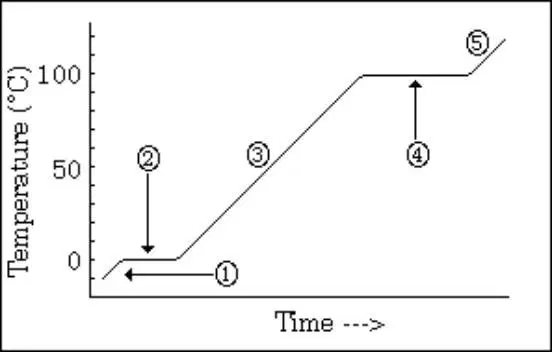
1?
gas
liquid
solid
melting
vaporizing
2?
gas
liquid
solid
melting
vaporizing
3?
gas
liquid
solid
melting
vaporizing
4?
gas
liquid
solid
melting
vaporizing
5?
gas
liquid
solid
melting
vaporizing

Which is true about boiling water?
the water temperature will gradually increase
the water temperature will remain the same
the water will break down into hydrogen and oxygen gasses

Which is true about condensing water?
the water releases energy
the water absorbs energy
the particles of hydrogen and oxygen combine to form H2O
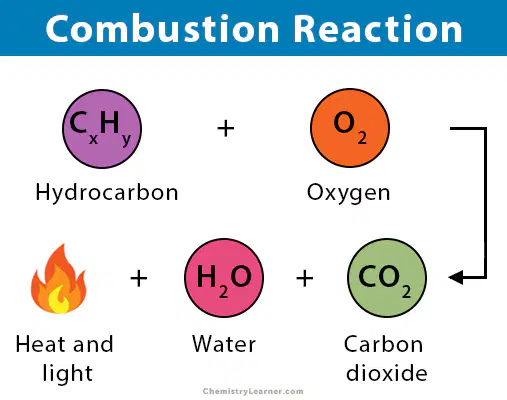
If 20 kJ is produced in a combustion reaction of one mole of methane (CH₄), how many kJ of heat is produced when 4 moles of methane are combusted?
CH₄ + 2 O2 --> CO2 + H₂O ΔH = -20 kJ/mol
-5 kJ
-20 kJ
-80 kJ

What is the reason that heat is transferred between two objects?
difference in temperature
specific heat capacity
enthalpy difference
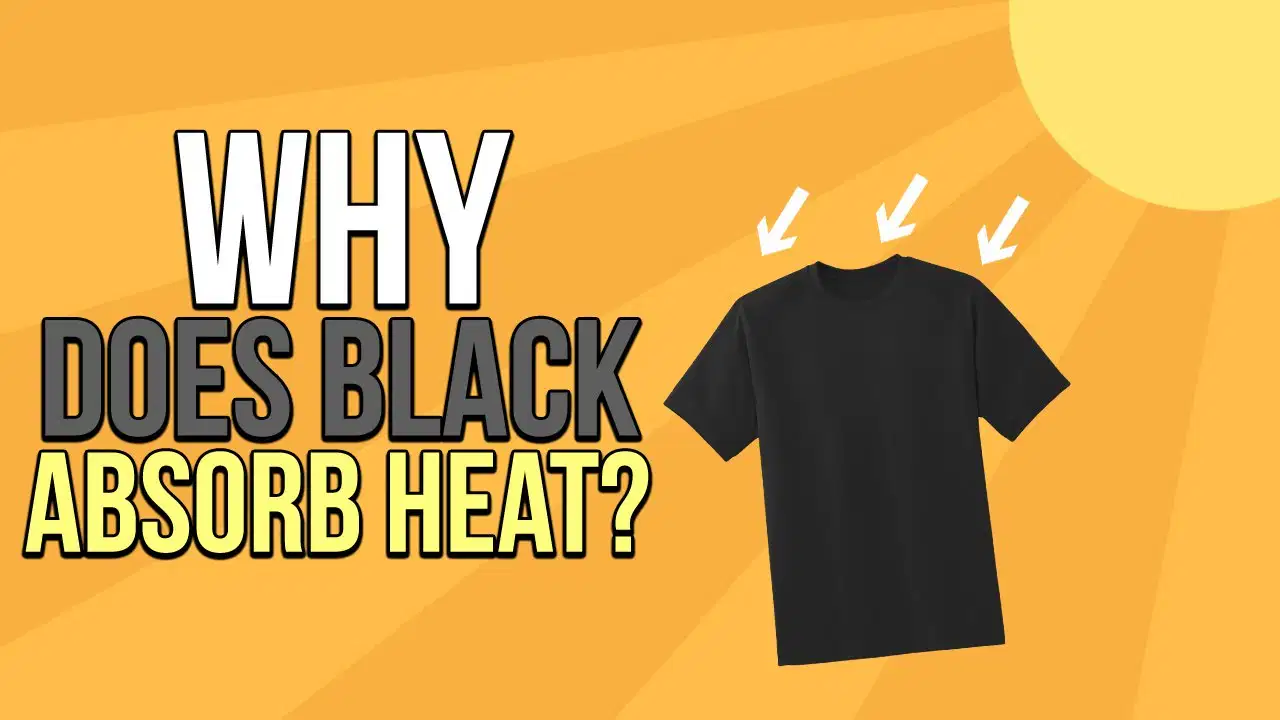
Which process happens when a chemical reaction absorbs heat?
exothermic
endothermic

When a substance is heated, the speed of its particles ____.
increases
decreases
remains constant
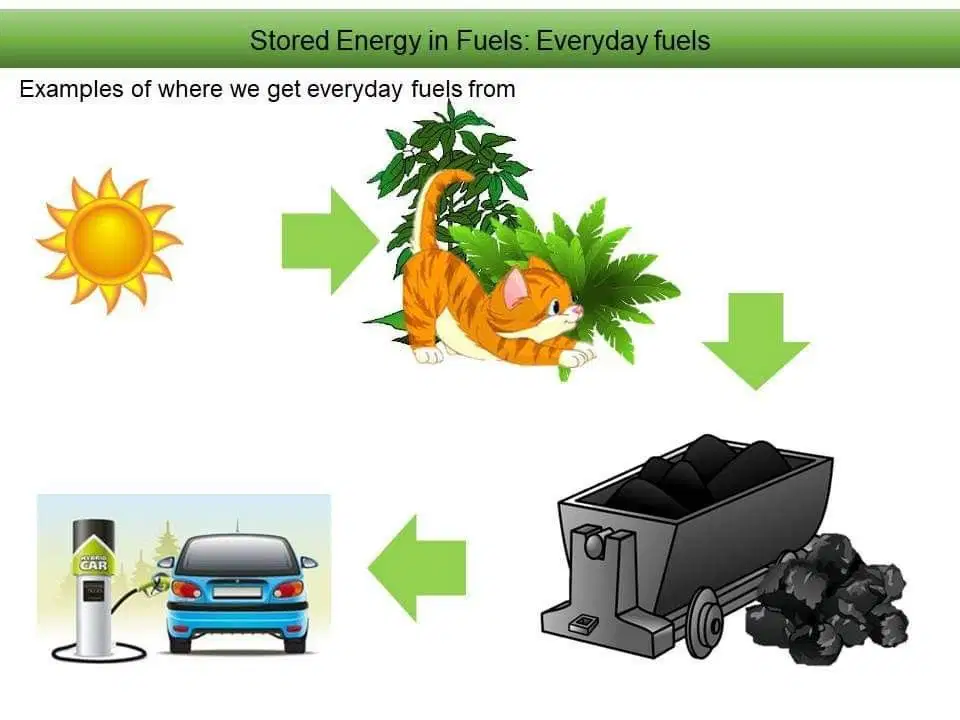
Which is the energy stored in the chemical bonds of a substance?
phase energy
thermal energy
chemical energy

What is the SI unit of energy?
calorie
kcal
joule
What is the energy required to raise the temperature of 1g of a substance by 1 degree C?
specific heat
enthalpy
heat capacity
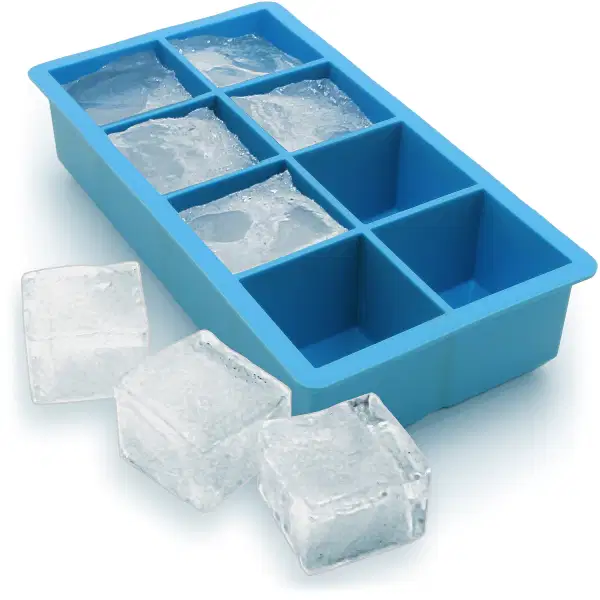
What is the heat released when a solid freezes at a constant temperature?
heat of fusion
heat of combustion
heat of solidification
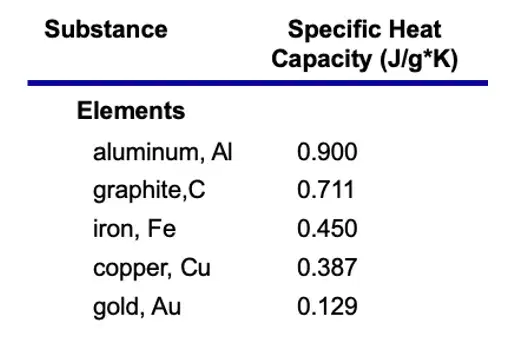
If equal masses of gold and aluminum have equal amounts of energy added to them, which sample would have the largest temperature change?
aluminum
gold
iron

heat of fusion for water = 6.01 kJ/mol
molar mass of water = 18.02g/mol
Convert 50.0 g of ice (at 0oC) to moles using this formula:
moles = # of grams ÷ molar mass
How many kJ?
(a)
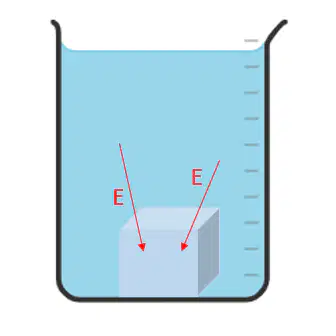
Which is the surroundings?
water
ice
Which is the system?
water
ice
Energy is transferred from the system to the surroundings.
TRUE
FALSE
A reaction of 4 moles of iron and 3 moles of oxygen gas produces 2 moles of iron (III) oxide (Fe2O3) and releases 375 kJ of heat.
What is thermochemical equation for this reaction?
4Fe + 3O2 → 2Fe2O3
2Fe + 3O2 → 4Fe2O3
4Fe + 3O3 → 2Fe3O2

