
 Worksheets
Valence Elelctrons
Total questions: 144
Worksheet time: 1hrs 28mins

How many electrons go in the first shell (ring) ?
6
8
4
2

This is a Bohr Diagram of Aluminum. How many valence electrons does Aluminum have?
3
4
5
How many valence electrons does Tin (Sn) have?
8
7
5
4
How many valence electrons does Lithium (Li) have?
8
1
5
2
How many valence electrons does Bromine (Br) have?
5
6
7
8
Which of these is incorrect?


Which of these is correct?


Which element is this?
Nickel
Neon
Sodium
Nitrogen

Name this element.
Argon
Chlorine
Aluminum
Boron

Name this element.
Neon
Magnesium
Sodium
Manganese

What is this element?
Beryllium (atomic #4)
Boron (atomic #5)
Carbon (atomic #6)
Nitrogen (atomic #7)

How many valence electrons?
2
3
4
5
How many valence electrons are found in atoms of group 14?
4
3
14
16
What are valence electrons?
The total number of electrons in an atom
The number of electrons in the outermost shell
The number of electrons in the second shell
The number of protons in the outermost shell
Which elements have the most similar chemical properties?
boron and carbon
oxygen and sulfur
aluminum and bromine
argon and silicon
All atoms are most stable with (or would "prefer") how many electrons in their valence shell?
1
2
8
18
When trying to identify an unknown element, a scientist determines what other elements reacts with chemically. Which property of the unknown element determines the other element it reacts with?
The total number of neutrons in the unknown element
The total number of particles in the nucleus of the unknown element
The number of protons in the nucleus of the unknown element
The number of valence electrons in the unknown element
What group is the most reactive metals?
2
18
1
16
What group is the most reactive non metals?
1
17
2
1
Why are halogens so reactive?
They want to get rid of their only valance electron
They only need one more electron
They are non reactive, they have a full shell
How do electrons of an element determine that element's reactivity?
If the valence shell has missing electrons it is very reactive to attract or lose more electrons.
If the valence shell has a full ring of electrons it is very reactive because it needs more.
If the valence shell has a full shell of electrons it is very reactive because it is already full.
If the valence shell has missing electrons it is not reactive because it is missing electrons.
Which of the following statements describes group 17 of the periodic table?
Stable non-metals with 1 valence electron
Stable Metals with 7 valence electrons
Highly reactive non-metals with 7 valence electron.
Highly reactive metals with 2 valence electrons.

What are valence electrons?
The total number of electrons in an atom
The number of electrons in the outermost shell
The number of electrons in the second shell
The number of protons in the outermost shell


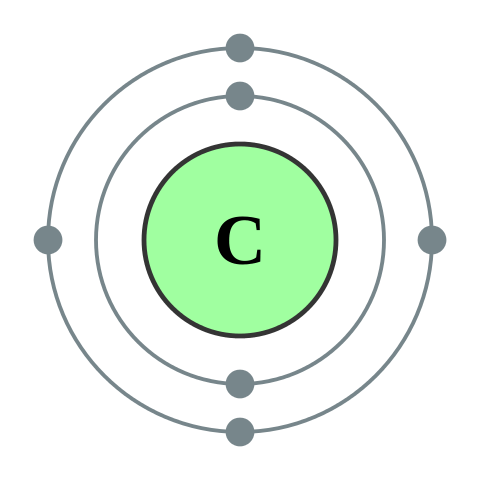
How many valence electrons does carbon have?
4
5
6
7
Appear Vertically on the periodic table
Periods
Groups
Energy Levels best describe .....
Periods
Groups
Elements that are similar in chemical reactivity
Periods
Groups
Elements that appear horizontally on the periodic table
Periods
Groups
Valence Electrons are organized into .......
Periods
Groups
Elements are organized by REACTIVITY into.....
Periods
Groups
Families on the Periodic table are organized into .....
Periods
Groups
What are valence electrons?
The # of electrons in the atom
The # of electrons in the outermost shell
The # of electrons an atom will pick up
The # of electrons an atom will get rid of
What is an ion? (general definition)
An element with a neutral charge
An element that has gained an electron
An element that has gained or lost an electron
An element that has lost an electron
Select all that apply
An anion loses electrons
A cation loses electrons
A cation is positive
An anion is positive
Anions are generally found where in the Periodic Table?
Alkali Earth Metals
Noble Gases
Transition Metals
Nonmetals
Chlorine (atomic# 17) is more likely to:
Become a cation
Become an anion
Stay neutral
Use the Periodic Table
Select all elements that will have a +2 ion
Oxygen
Beryllium
Magnesium
Calcium

USE THE PERIODIC TABLE
How many valence electrons does sodium have?
1
2
3
4
USE THE PERIODIC TABLE
How many valence electrons does Phosphorus have?
31
5
15
4
Ions are ________
atoms with an electric charge
atoms with different number of protons
atoms with different number of neutrons
Metals form positive ions which are also known as (a)
Non-metals form negative ions which are also known as (a)
Which of the following ions have a +1 charge?
Hydrogen (H)
Helium (He)
Calcium (Ca)
Lithium (Li)
Ions have the same number of protons but different number of _________________
neutrons
electrons
protons
toes
Isotopes have the same number of protons but different number of _________________
neutrons
protons
electrons
eyes
______________ electrons are found in the outermost energy level of an atom.
neutral
valence
purple
proton
Which of the following ions have a +2 charge?
Hydrogen (H)
Magnesium (Mg)
Calcium (Ca)
Lithium (Li)
How many valence electrons does Hydrogen (H) have?
1
2
3
4
How many valence electrons do Group 2 atoms have?
1
2
3
4
Atoms in Group 13 will (a) 3 electrons to form a +3 charge
Atoms in Group 16 will (a) 2 electrons to form a -2 charge
Which of the following ions have a -2 charge?
Oxygen (O)
Magnesium (Mg)
Fluorine (F)
Sulfur (S)
How many valence electrons are needed to fulfill the octet rule?
2
4
6
8
Which of the following ions have a +3 charge?
Boron (B)
Aluminum (Al)
Calcium (Ca)
Lithium (Li)
Which of the following ions have a -3 charge?
Nitrogen (N)
Aluminum (Al)
Phosphorous (P)
Sulfur (S)
Which of the following ions have a -1 charge?
Oxygen (O)
Chlorine (Cl)
Fluorine (F)
Sulfur (S)
Which of the following ions have a NO charge?
Helium (He)
Neon (Ne)
Fluorine (F)
Sulfur (S)
Atoms in Group 18 have NO charge because they fulfill the __________ rule.
duet
quartet
octet
golden
How many valence electrons does Oxygen (O) contain?
6
5
8
2
How many valence electrons does Hydrogen have?
1
2
3
4
5
How many valence electrons does Helium have?
1
2
3
4
5
How many valence electrons does Lithium have?
1
2
3
4
5
How many valence electrons does Beryllium have?
1
2
3
4
5
How many valence electrons does Boron have?
1
2
3
4
5
How many valence electrons does Sodium have?
1
2
3
4
5
How many valence electrons does Potassium have?
1
2
3
4
5
How many valence electrons does Magnesium have?
1
2
3
4
5
How many valence electrons does Calcium have?
1
2
3
4
5
How many valence electrons does Nitrogen have?
1
2
3
4
5
How many valence electrons does Phosphorus have?
4
5
6
7
8
How many valence electrons does Oxygen have?
4
5
6
7
8
How many valence electrons does Sulfur have?
4
5
6
7
8
How many valence electrons does Fluorine have?
4
5
6
7
8
How many valence electrons does Chlorine have?
4
5
6
7
8
How many valence electrons does Bromine have?
4
5
6
7
8
How many valence electrons does Iodine have?
4
5
6
7
8
How many valence electrons does Neon have?
4
5
6
7
8
How many valence electrons does Argon have?
4
5
6
7
8
How many valence electrons does Krypton have?
4
5
6
7
8
Ions are ________
atoms with an electric charge
atoms with different number of protons
atoms with different number of neutrons
Metals form positive ions which are also known as (a)
Non-metals form negative ions which are also known as (a)
Which of the following ions have a +1 charge?
Hydrogen (H)
Helium (He)
Calcium (Ca)
Lithium (Li)
Ions have the same number of protons but different number of _________________
neutrons
electrons
protons
toes
Isotopes have the same number of protons but different number of _________________
neutrons
protons
electrons
eyes
______________ electrons are found in the outermost energy level of an atom.
neutral
valence
purple
proton
Which of the following ions have a +2 charge?
Hydrogen (H)
Magnesium (Mg)
Calcium (Ca)
Lithium (Li)
How many valence electrons does Hydrogen (H) have?
1
2
3
4
How many valence electrons do Group 2 atoms have?
1
2
3
4
Atoms in Group 13 will (a) 3 electrons to form a +3 charge
Atoms in Group 16 will (a) 2 electrons to form a -2 charge
How many valence electrons are needed to fulfill the octet rule?
2
4
6
8
Which of the following ions have a -2 charge?
Oxygen (O)
Magnesium (Mg)
Fluorine (F)
Sulfur (S)
Which of the following ions have a +3 charge?
Boron (B)
Aluminum (Al)
Calcium (Ca)
Lithium (Li)
Which of the following ions have a -3 charge?
Nitrogen (N)
Aluminum (Al)
Phosphorous (P)
Sulfur (S)
Which of the following ions have a -1 charge?
Oxygen (O)
Chlorine (Cl)
Fluorine (F)
Sulfur (S)
Atoms in Group 18 have NO charge because they fulfill the __________ rule.
duet
quartet
octet
golden
How many valence electrons does Oxygen (O) contain?
6
5
8
2
Which of these cations have the correct charge? Pick all that apply.
Li+
Na2+
Al4+
Ca2+
Ga3+
Which of the following anions have the correct charge? Pick all that apply.
Cl2-
O2-
F-
N3-
Ne-
Which ions have the same number of electrons as Neon, Ne?
N3-
Mg2+
Ca2+
P3-
O2-
Which ions have the same number of electrons as argon, Ar?
N3-
O2-
Ca2+
Mg2+
P3-
What is the element symbol of an atom that has 33 protons, 42 neutrons, and forms a -3 ion?
(a)
What does the period number tell you about an atom's electron arrangement?
number of electrons
number of valence electrons
number of electron shells
number of possible isotopes
Ions are ________
atoms with an electric charge
atoms with different number of protons
atoms with different number of neutrons
Metals form positive ions which are also known as (a)
Non-metals form negative ions which are also known as (a)
Which of the following ions have a +1 charge?
Hydrogen (H)
Helium (He)
Calcium (Ca)
Lithium (Li)
Ions have the same number of protons but different number of _________________
neutrons
electrons
protons
toes
Isotopes have the same number of protons but different number of _________________
neutrons
protons
electrons
eyes
______________ electrons are found in the outermost energy level of an atom.
neutral
valence
purple
proton
Which of the following ions have a +2 charge?
Hydrogen (H)
Magnesium (Mg)
Calcium (Ca)
Lithium (Li)
How many valence electrons does Hydrogen (H) have?
1
2
3
4
How many valence electrons do Group 2 atoms have?
1
2
3
4
Atoms in Group 13 will (a) 3 electrons to form a +3 charge
Atoms in Group 16 will (a) 2 electrons to form a -2 charge
How many valence electrons are needed to fulfill the octet rule?
2
4
6
8
Which of the following ions have a -2 charge?
Oxygen (O)
Magnesium (Mg)
Fluorine (F)
Sulfur (S)
Which of the following ions have a +3 charge?
Boron (B)
Aluminum (Al)
Calcium (Ca)
Lithium (Li)
Which of the following ions have a -3 charge?
Nitrogen (N)
Aluminum (Al)
Phosphorous (P)
Sulfur (S)
Which of the following ions have a -1 charge?
Oxygen (O)
Chlorine (Cl)
Fluorine (F)
Sulfur (S)
Atoms in Group 18 have NO charge because they fulfill the __________ rule.
duet
quartet
octet
golden
How many valence electrons does Oxygen (O) contain?
6
5
8
2
Which of these cations have the correct charge? Pick all that apply.
Li+
Na2+
Al4+
Ca2+
Ga3+
Which of the following anions have the correct charge? Pick all that apply.
Cl2-
O2-
F-
N3-
Ne-
Which ions have the same number of electrons as Neon, Ne?
N3-
Mg2+
Ca2+
P3-
O2-
Which ions have the same number of electrons as argon, Ar?
N3-
O2-
Ca2+
Mg2+
P3-
What is the element symbol of an atom that has 33 protons, 42 neutrons, and forms a -3 ion?
(a)
What does the period number tell you about an atom's electron arrangement?
number of electrons
number of valence electrons
number of electron shells
number of possible isotopes

