
 Worksheets
YEAR 4 SCIENCE
Total questions: 111
Worksheet time: 58mins
Which is the best conductor of electricity ?
Copper
Aluminium
Iron
Silver
The squirrel uses its bushy tail for ______________
Climbing
Opening nuts
Balance
Jumping
Endo skeleton means_____
Bones inside the body
Bones outside the body
Bones on the head only
Bones on the chest only
Babies bones are made of the mineral called ____
calcium
phosphorus
cartilage
iron
In science, anything that has mass and takes up space is described as______
Weight
Gravity
Magnetism
Matter
The amount of space something takes up is its ___
Mass
Matter
Volume
Density
. A watermelon has more matter than a grape, so it has more___
mass
Energy
Solid
Grain
This state of matter does not have shape or volume.
Gas
Liquid
Solid
Plasma
. Which of the following transmits sound best?
Air
Water
Petrol
Block of wood
. A diagram of electrical connection drawn with electrical symbols only is called ______________ diagram.
Picture
Image
Manual
Circuit
Sound is a kind of _____________________ energy.
The path through which electric current flows. is known as___________
current
circuit
battery
resistor
Sound is a kind of _____________________ energy.
heat
kinetic
light
potential
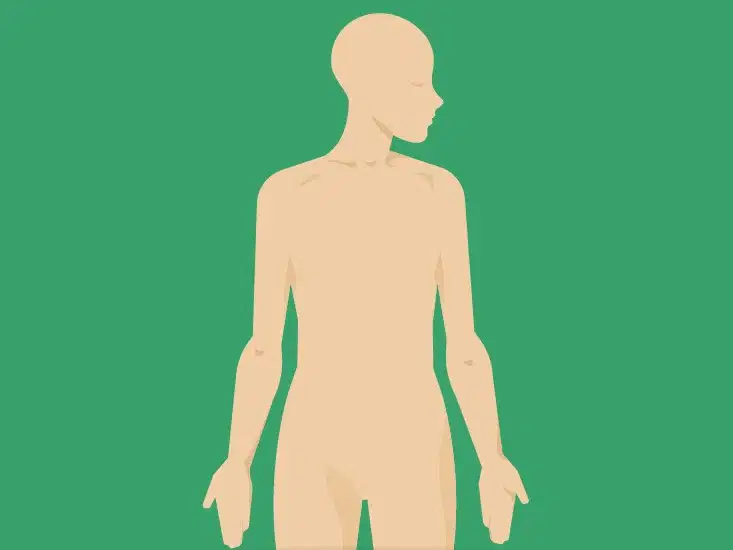
Give any 3 places where joints are located in your body.
(a)
Layers of fat of the seal that lives in the ice cold habitat helps it to_____
catch its prey
breathe well
keep warm
move through water
Oily fur of the seal helps it remain____
stay warm
water proof
hunt for prey
move freely
_____helps the desert rat to loose excess heat from its body.
long tail
good eye sight
smooth skin
large ear
The sea otter feels vibration in water because of the presence of____
long whiskers
webbed feet
good eye sight
oily fur
______allows for fast breathing in frogs.
sticky tongue
moist skin
lungs
long hind legs
The frog is a good swimmer because of the presence of ____
moist skin
webbed feet
sticky tongue
large eyes
The state of matter with its particles having great kinetic energy is ____
gas
solid
liquid
water
Which of the following is a resistor in an electric circuit ?
battery
switch
bulb
none of the above
Between brine and ordinary water, which is a better conductor of electricity ?
brine
ordinary water
both are equal in conductivity
both are insulators
Which of the following converts electrical energy into useful forms of energy we use ?
conductors
resistors
insulators
water
A liquid or gel that breaks up to conduct electricity is a/an_______
conductor
light bulb
electrolyte
battery
The flow of electricity is a/an ___________
Element
Electrolyte
Electric current
Circuit
____ make red blood cells in our body.
Joints
Bone marrows
Muscles
The heart
The longest bone in the human body is___
phalanges
skull
femur
tibia
Muscles we can control and make to work when we wish are___muscles.
voluntary
visible
involuntary
obedient
Bicep muscles have how many tendons ?
four
three
two
ten
The process of changing a gas directly to a solid is known as___
sublimation
deposition
evaporation
melting
A complete pathway for the flow of electricity is called a ________
series
current
circuit
wire
A simple device that opens and closes an electric circuit is called a/an _________
Connection
Switch
Electrons
Power source
A circuit is a path taken by a current. A path with no breaks is called a ____________
closed-circuit
switch
series circuit
circuit breaker
Which of these is NOT a source of electrical energy?
Solar cell
Battery
Generator
None of the above
All of the following objects are examples of things that produce light energy EXCEPT_______
Candle
Compass
Desk lamp
Flashlight

The device in the picture transfers electrical energy to ___________ energy
thermal
solar
sound
light

The picture shows a lamp giving off light. What form of energy does the lamp use to produce light?
Thermal
Electrical
Mechanical
Light

Lightning is an example of ________
fast electricity
static electricity
current electricity
none of the above
Which of the following items is NOT a part of a simple series circuit?
Load
Tester
Power source
Wire

Which of these best completes the circuit in the diagram?
rubber band
metal nail
leather shoelace
wooden toothpick
Electrical lights will not come on unless their electrical circuit is a
parallel circuit
series circuit
closed circuit
open circuit
Electricity from power plants, solar converters, and batteries are all examples of __________
conductors
insulators
sources
generators

Look at the diagram. What is the term for A?
Conductor
Load
Switch
Source
What are some examples of insulators?
Silver, iron, copper
Metal spoon, penny, aluminium
Rubber, glass, wool
Gold, wire, nails
Why are metals very useful for making electrical wire?
Metals do not bend
Metals hold much heat
Metals are light
Metals are conductors
When all parts of the circuit are connected it is a/an _________ circuit.
bridged
connected
closed
open
What part of a circuit controls the flow of electricity?
Wire
Switch
Battery
Motor

In the picture, the plastic covering is there to:
Provide a conductor for electrical energy to flow
Provide a conductor so that electrical energy can NOT flow
Provide an insulator so that electrical energy will not pass outside the wires
Provide an insulator so that electrical energy can flow

What object would best complete this circuit?
A connector
A piece of cotton wool
A conductor
A battery
Which of these materials is an insulator?
Silver
Iron
Aluminium
Ceramic
The human body can conduct electricity because:
It is solid in nature
The human skeleton is a good conductor of electricity
It contains liquids
None of the above
Which of these materials will allow for the flow of electricity?
Diamond
Gold
Leather
Coal
Materials that do not allow electricity to pass through them are called ________
Resistors
Insulators
Conductors
Preventors
Organisms that feed on both animals and plants are known as
Omnivores
Carnivores
Decomposers
Herbivores
Mammals and birds are
Carnivores
cold-blooded
warm-blooded
herbivores
Which is a natural occurring environmental change?
deforestation
a volcanic eruption
a chemical spill
building a road
Sound travels slowest through
water
air
vacuum
solids
All matter is made up of __________
gas
liquid
water
atoms
Amplitude of a sound wave affects its
strength
pitch
vibration
loudness
Sound waves travel from one place to another transferring ________
air
energy
particles
speed
Sound can be transmitted through objects
True
False

Electrical energy is converted to ___________ energy in a hair dryer.
light
heat
wind
sound
Flow of electricity is measured in
Watts
Litres
Amperes
Hertz
When electrons move through a circuit ________ electricity is created.
current
electron
solar
static
Which of the following could provide electricity?
Power stations
Solar panels
Dry cell battery
All of the above

What type of energy is needed for a solar panel?
Light
Mechanical
Sound
Electrical

Which of the following is a way thermal energy is used at school everyday?
cooking food for lunch
writing with a pencil
looking in a mirror
turning on the lights

Which form of energy is produced when a guitar string vibrates?
Light energy
Sound energy
Wind energy
Electrical energy
The normal body temperature of humans is
27°C
50°C
212°C
37°C
The boiling point of water is
0°C
100°C
37°C
20°C
The following countries uses the Centigrade scale except
Africa
United States
Australia
Europe
The instrument used to measure temperature is called
Syringe
Wind vane
Thermometer
Rainguage
A normal room temperature is usually within the range of
20°C - 25°C
30°C - 35°C
40°C - 45°C
50°C - 55°C
Water freezes at
80°C
90°C
100°C
0°C
Who invented the Farenheit scale?
Thomas Edison
Michael Farenheit
Gabriel Farenheit
Isaac Newton
The water turned to ice when the temperature is lower than
-10°C
0°C
32°F
100°C
The greatest natural source of heat on Earth the
Moom
Fire
Star
Sun
If your body temperature is at ______ you are having a fever.
10°C
15°F
23°C
103°F

Why are metals very useful for making electrical wire?
Metals do not bend.
Metals are conductors.
Metals are light.
Metals hold much heat.
Which object is made of glass?
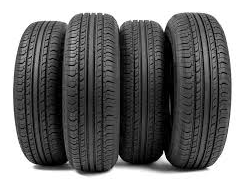
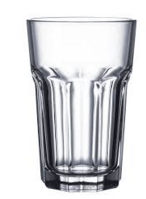
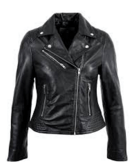
All the following belong to the same group EXCEPT
Snake
Gecko
Crocodile
Alligator
Octopus
Materials that allow electricity to pass through them are known as
Convection
Conductor
Conduction
Insulator
Materials that do not allow electricity to pass through them are known as _______
Convection
Conductor
Conduction
Insulator
_________ is anything that has weight and occupies space.
Load
Matter
Mattar
Stone
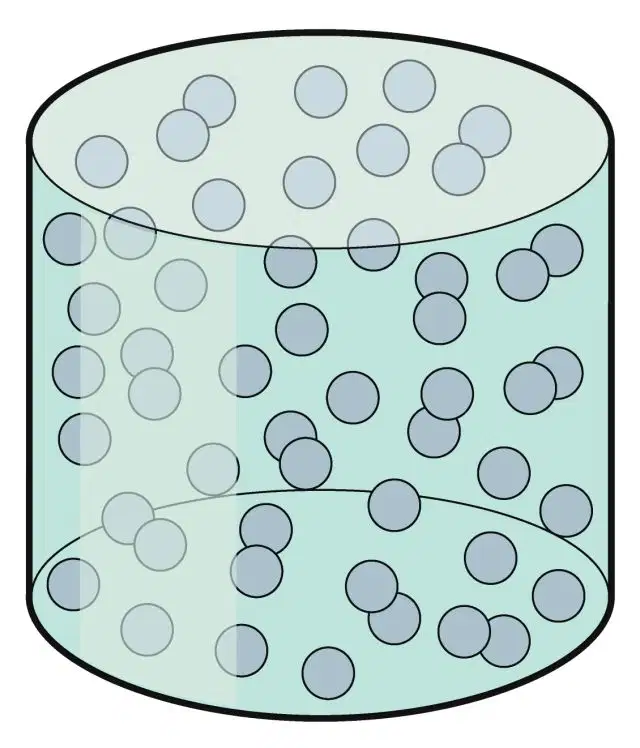
What state of matter does this picture show?
Liquid
Gas
Solid
What are the three stages of the water cycle?
Evaporation, condensation, Precipitation
Liquid, Gas, Solid
Cloud, water, precipitation
What is anything that takes up space and has mass?
Mass
Melting
Matter
When water condenses, the water vapor in the air gets __ and changes back into liquid
Cold
Hot
Warm
Evaporation happens when the sun ___ water and turns it into vapor.
Cools
Heat up
Freezes

When you heat water it turns into a __
Liquid
Water
Gas
The amount of space a liquid takes up is__
Volume
Liquid
Solid
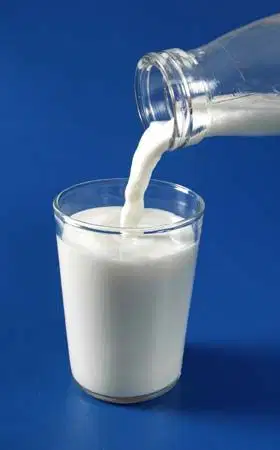
What do all liquids have in common?
They are rough
You can drink them
They can be poured
What are the three states of matter?
Rock, Brick, Shoe
Solid, Liquid, Gas
Liquid, Water, Soda
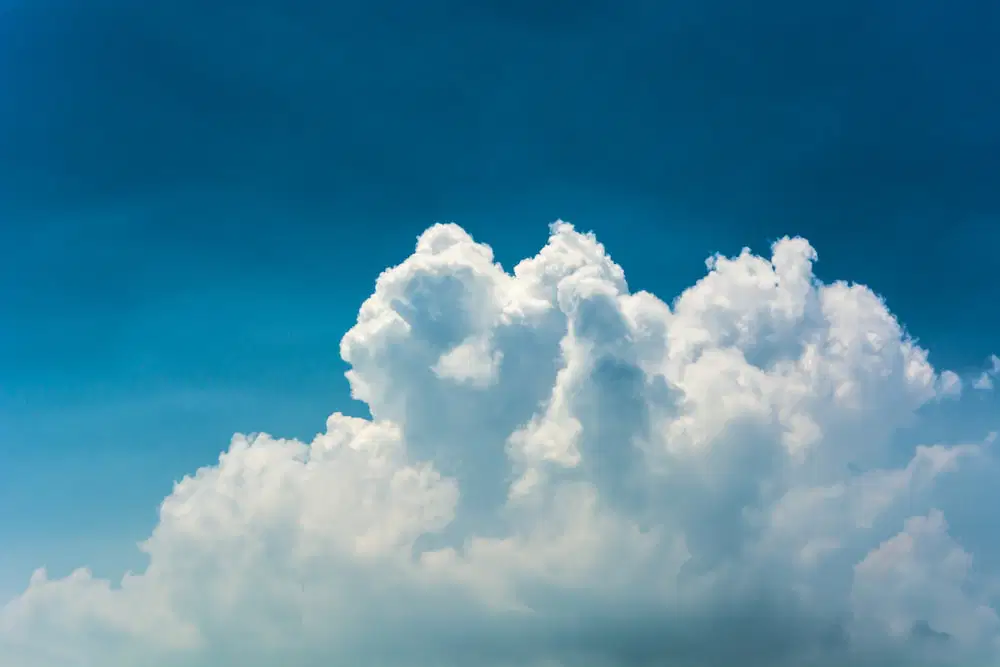
What part of the water cycle does this picture show?
Condensation
Precipitation
Evaporation
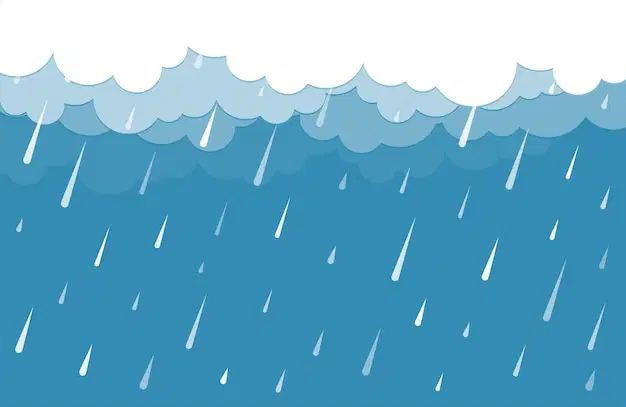
What part of the water cycle does this picture show?
Condensation
Precipitation
Evaporation
Animals that have backbones are called ________.
vertebrates
Invertebrates
Endoskeleton
An adult human has ______ bones.
208
206
300
The longest bone is your ____________ bone.
Hip
Shoulder
Thigh
___________ is an element or substance that we need to help our bones grow healthy
Phosphorus
Calcium
Helium
The places where our bones meet are called
Ligaments
Joints
Tendons
Red blood cells carry __________ around the body.
Water
Blood
Oxygen
Where do we have the bone marrow?
Inside our bones
Outside our bones
In the middle of our bones
Muscles work
Separately
In pairs
Independently
Which of the following is not a function of the human skeleton?
Protects the body
Prevents movement
Supports the body
Which of the following is not a life process?
Growth
Resuscitation
Nutrition
Light has always been important in people's lives . List the different sources of light in order as used throughout the times .
1. sun
2.fire
3.candles
4. oil lamps
5. gas light
6. electric light
1. sun
2.electric light
3.candles
4. oil lamps
5. gas light
6. fire
1. sun
2.fire
3.electric light
4. oil lamps
5. gas light
6. candles
1. sun
2.fire
3.candles
4. gas light
5. oil lamps
6. electric light

Look at this instrument . How does it make a noise ?
shaken
plucked
hit
air blown
Sound travels by .........
vibrations
lights in the dark
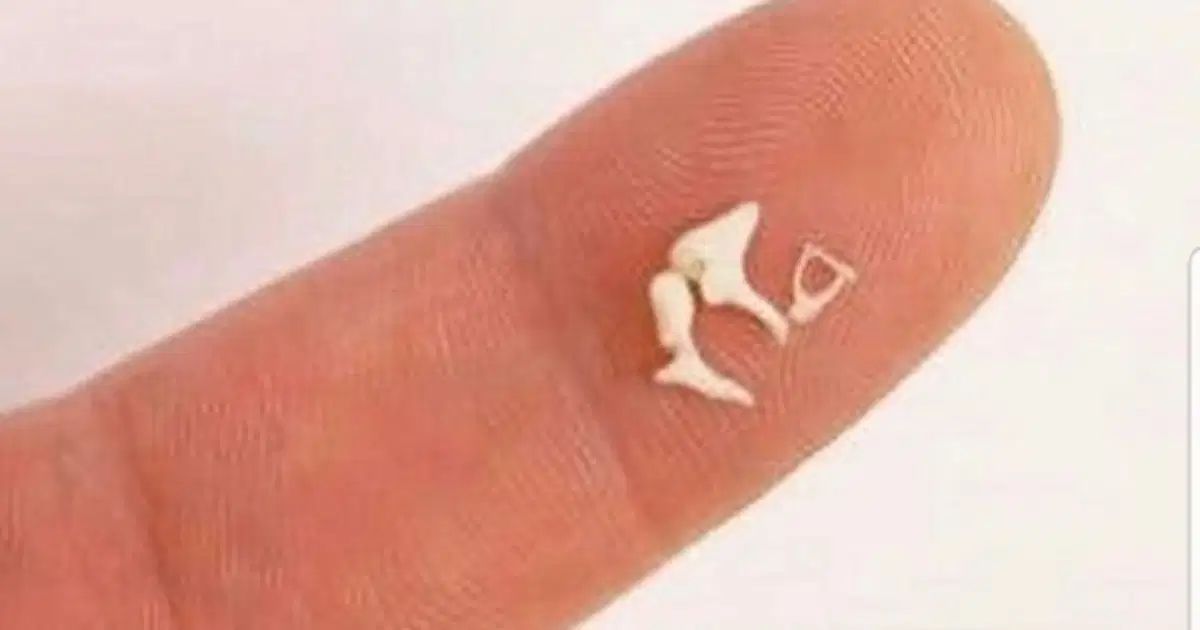
What do we call the smallest bone in our ear ?
staples
stapes
steeples

