
 Worksheets
MN 2
Total questions: 64
Worksheet time: 32mins
"Overshoot" is an expression we use when talking about a ship's steering ability. What is the best way to determine how the "overshoot" is on your ship?
Do a 20/20 degrees zig-zag manoeuvre.
Do a 360 degrees turning circle.
Do a 540 degrees turning circle.
Do a standing turn.
"Overshoot" is an expression we use when talking about a ship's steering ability. What is the definition of this expression?
It is how many degrees a ship continues to turn after you apply counter-rudder.
It is the way a ship turns when you put the helm in a hard over position.
It is the way a ship continues to turn when the helm is put amidship.
It is the way a ship shoots forward when you give " a kick ahead".
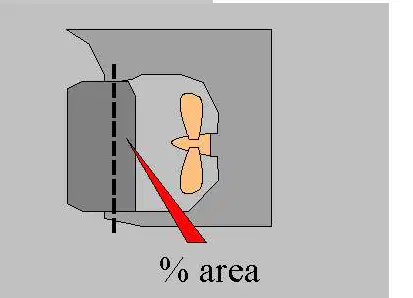
A balanced rudder has some of the rudder area forward of the rudder axis. About how much area should this be to call it a balanced rudder?
It should be about 50%.
It should be about 5%.
It should be about 55%.
It should be about 20%.
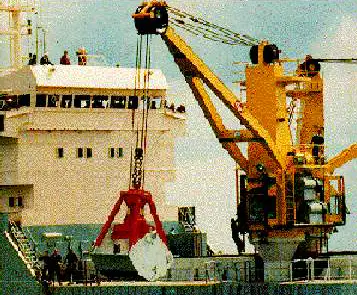
A combined vessel (wet/dry) is equipped with 2 Gantry Cranes and certified to carry HC petroleum products. Crane No.1 is dedicated for hose handling and crane No.2 has all functions interlocked when in "Wet cargo Mode". The vessel is at anchor having
Crane No.2 if spares are going to the engine room
None of the gantry cranes
Crane No.1
Any of the cranes depending on where spares are going
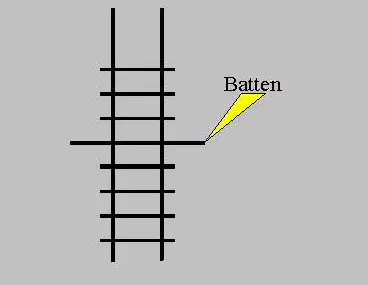
A pilot ladder shall, to prevent twisting, be fitted with "battens". The lowest batten shall be the 5th step from the lower end of the pilot ladder. At what intervals should there be further battens upwards on the pilot ladder?
At intervals not exceeding 9 steps
At intervals not exceeding 12 steps
At intervals not exceeding 15 steps
It does not matter where the battens are fitted
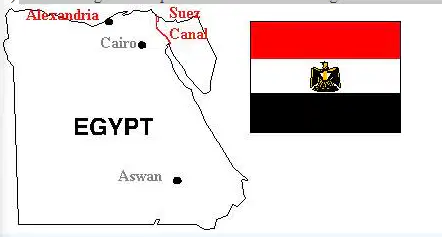
Are mooring boats required for vessels transitting the Suez Canal?
Yes, only mooring boats hired from shore are accepted
Mooring boats are not required
Mooring boats are required only for loaded tankers of more than 100 000dwt
Ships can use their own boats if they cannot safely lift hired boats, but boat crews must be hired from shore
At what latest time shall doors, sidescuttles, gangway doors, cargo-and coaling ports and other openings which are to be kept closed watertight at sea be closed at the start of the voyage?
Before leaving the pilot station
Before leaving the berth
Before leaving the port
Before entering open waters

Cargo Gear/Cranes should at regular intervals be thoroughly examined and load tested by a recognised company/yard. How often should such examination/load test take place?
Every 4th year
Every 2 1/2 year
Every 5th year
Annually
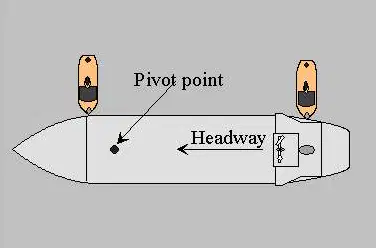
Consider the situation sketched below. How will you distribute the power of the tugs when you want to move the ship sideways without any yaw?
Equal power on both tugs
Full power on the forward tug, the stern tug should hold back
Full power on the forward tug, reduce on the aft tug while checking the gyro
Full power on the aft tug, stop on the forward tug
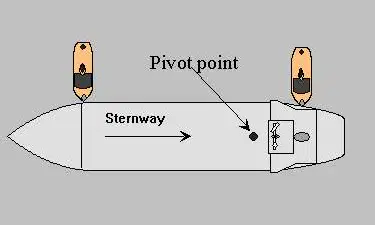
Consider the situation sketched below. How will you distribute the power of the tugs when you want to move the ship sideways without any yaw?
Full power on the aft tug, reduce on the forward while checking the gyro
Full power on the aft tug, stop on the forward tug
Equal power on both tugs
Full power on the forward tug, the stern tug should hold back
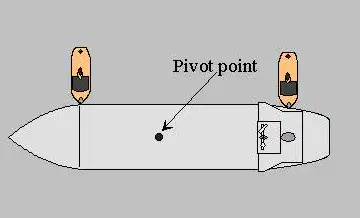
Consider the situation sketched below. How will you distribute the power of the tugs when you want to move the ship sideways without any yaw?
Equal power on both tugs while checking the gyro
Full power on the aft tug, stop on the forward tug
Full power on the aft tug, reduce on the forward tug
Full power on the forward tug, the stern tug should hold back
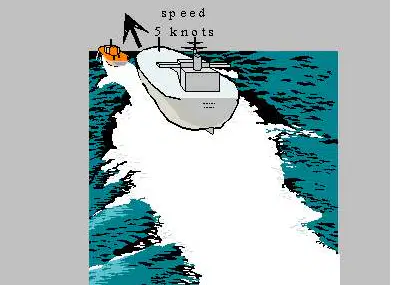
Consider the situation sketched below. What can happen if the tugmaster is not careful?
The tug may be pushed away from the ship and thus unable to assist your vessel
The stern of the tug may be sucked into your bow
The tugmaster may loose control and ram your bow with possible damage to your ship
The tug may be turned across your bow with the danger of being turned over
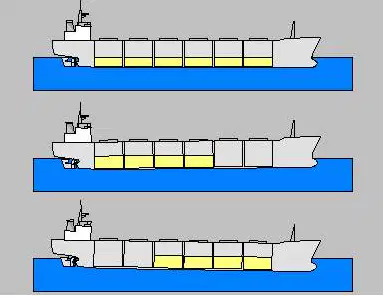
Do you think a ship's trim has any influence on steering abilities?
No, the ship will have the same steering ability unaffected by trim.
Yes, a ship usually steer better if trimmed by the bow.
No, it is usually best to have no trim at all.
Yes, the ship usually steer better if trimmed by the stern.
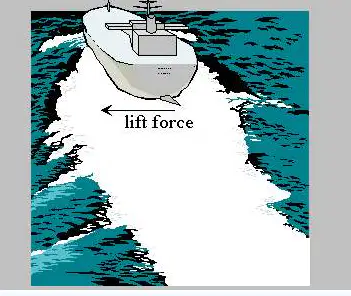
Do you think there is any reduction in the rudder lift force if the propeller is stopped?
Yes, we will loose about 10% of the lift force.
No, we will maintain about 90% of the lift force
No, the lift force is not effected by the propeller.
Yes, the lift force will be dramatically reduced.
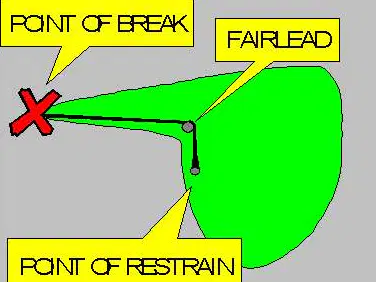
During mooring operations; which is the safe position to be in?
Behind the fairlead, but inside the zone
Behind the point of restraint, but inside the zone
Between the "point of break" and the "fairlead"
Outside the coloured zone
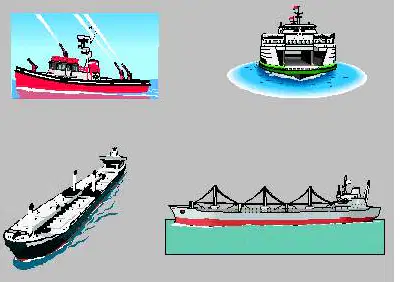
For which type of vessel is sinkage most pronounced?
Supply and anchorhandling vessels
Cargoliner
High block coefficient vessel
Vessel with a very wide beam compared to length
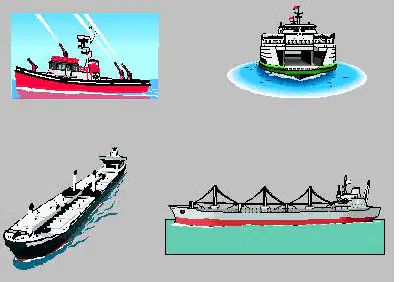
For which type of vessel is squatting most pronounced?
Cargoliner
Vessel with a very wide beam compared to length
Supply and anchorhandling vessel.Fireboat etc
Vessel with a high block coefficient
If making a new pilot ladder onboard, which of the following ropes would you use in its construction as side ropes on which the steps are fastened?
Polypropylene rope
Polyester rope
Uncovered manila rope
Nylon rope
If you are to use a newly installed mechanical pilot hoist arrangement to pick up a pilot:
It is necessary to keep a pilot ladder rolled and ready on deck adjacent to the pilot hoist
It is necessary to keep any sort of ladder ready on deck next to the pilot hoist
It is not necessary to have any backup ladder ready
It is necessary to have a pilot ladder rigged and reaching from deck to the waterline, next to the pilot hoist

M-When Sen. Deck Off. Of both vessels involved have decided which will be the last lines to be let go whilst unmooring, these lines should be made fast as follows on the ship accepting the lines.
By turning up the rope on the bitts, fig.1
By putting the eye on the bitts, fig.2
By keeping the rope on the warping drum of adeck winch, fig.3
By shackling the eye to a strongpoint, fig.4
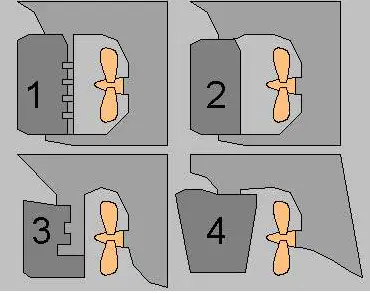
Please name correctly the most common rudders as shown below? UNBALANCED, BALANCED, SEMI-BALANCED, UNDERHUNG BALANCED
NO. 2,3,1 and 4
NO. 3,2,1 and 4
NO. 1,2,3 and 4
NO. 1,3,2 and 4
Rigging of the Pilot Ladder and embarkation/disembarkation of a pilot shall be supervised by:
An experienced AB
The Bosum
The Sen. Off .Deck only
A responsible Officer
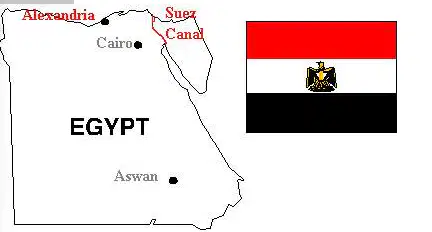
Searchlights must be provided for night navigation in the Suez Canal. Which of the listed requirements are correct?
Only projectors hired from the Canal Mooring and Light Company are permitted
If vessels have their own projector, an extra fee will be levied on the vessel
All vessels must provide their own projector
Vessels with bulbous bow, LPG-and LNG-vessels must provide their own projector
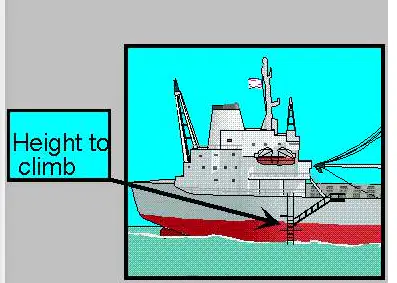
The maximum height that a pilot should be required to climb on a pilot ladder before reaching the deck or stepping onto an accommodation ladder is:
6 mtrs
12mtrs
15 mtrs
9 mtrs
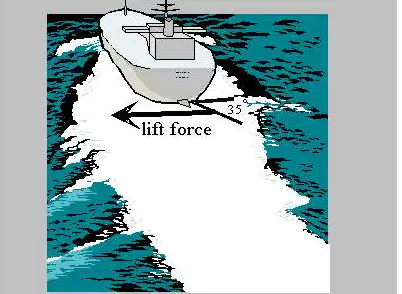
The maximum rudder angle on your ship is 35 degrees. Do you think this is the angle that the rudder is most effective?
No, the most effective rudder angle is about 25 to 30 degrees. This is because the rudder is "stalling" at 35 degrees angle
No, the rudder is most effective at angles between 10 and 20 degrees
Yes, the rudder is most effective at max angle
No, the rudder is most effective at small rudder angles
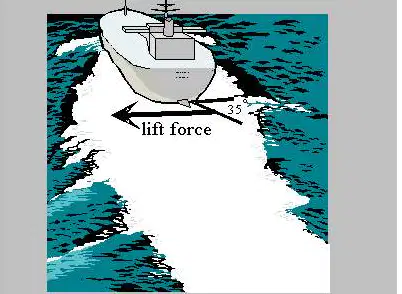
The rudder is hard over, full ahead in shallow water.How much lift force remains when the engine is stopped?
About 80%
About 5%
About 10%
About 10%
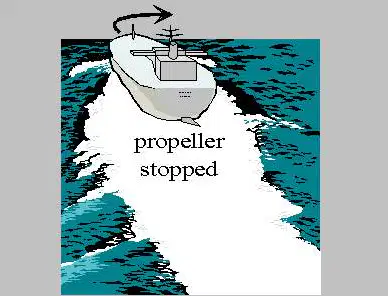
The rudder is in hard over position, propeller stopped. The ship is turning slowly. What can we do to make her turn faster without increasing forward speed?
Give slow ahead and leave her in that position
Give half astern as this will increase rate of turn.
Give a kick ahead.
Give full astern until ship is stopped, then full ahead again with rudder hard over.
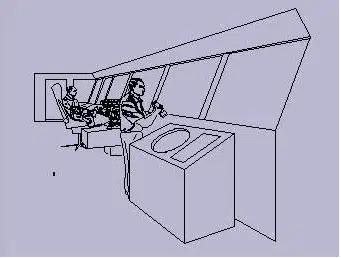
The vessel will anchor with Pilot onboard. You are the duty officer on bridge. What isyour main duty?
Follow Pilots order
No duty when Pilot onboard
Follow the Master`s order
Check the position only
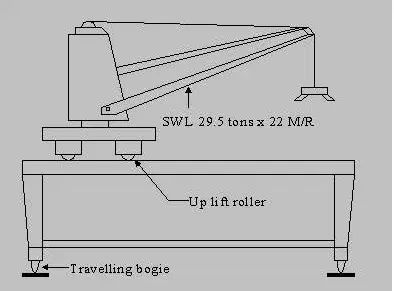
The vessel`s cranes are marked: "SWL 29,5 tons x 22 M/R (including lifting beam weight 1,5 tons)". You are going to lift onboard a 28 tons load being placed on the berth. What will be the maximum distance from C/L of crane to the load you are going t
20m
28m
29,5m
22m
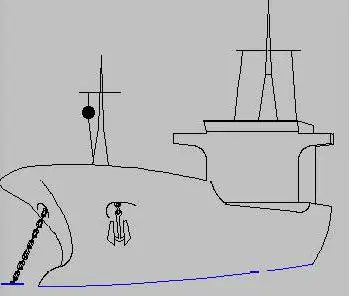
Vessel will leave anchorage. You will heave up the anchor. How and to whom will you report the status of the anchor?
To the officer on duty on the bridge
To the Chief Officer
To the master according to his instructions
No need report
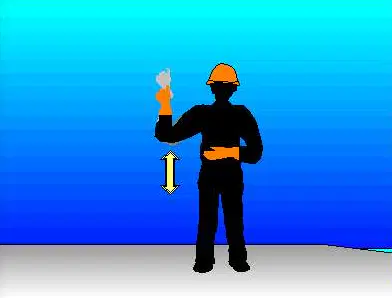
What does this crane signal indicate?
Lower the boom, raise the load
All ok!
Raise the boom, lower the load
Raise the load
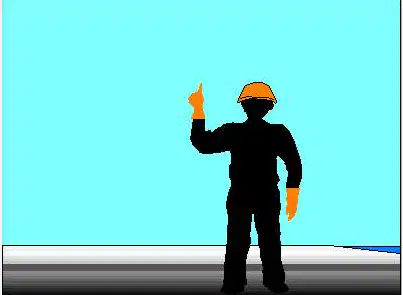
What does this crane signal indicate?
Raise the boom
Raise the load
All ok!
Raise the boom,lower the load
What is meant when a vessel is said to have sinkage?
Sinkage is the extra draft a vessel obtains when she is comparatively heavily loaded both ends
Sinkage is the extra draft a vessel obtains when she is comparatively heavily loaded amidship
Sinkage is the change in draft a vessel obtains when moving through the water
Sinkage is the deepest draft a vessel obtains aft when moving through the water
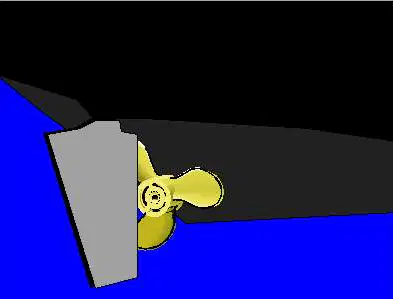
What is most pronounced about a ship with good course stability?
When you put rudder amidships, she will continue a straight course.
It will maintain course no matter how much rudder you apply.
When you apply the rudder, she will continue to turn when rudder is put amidships.
When you apply the rudder it will take time before she answers to it.
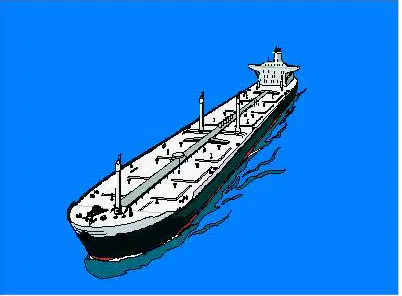
What is the correct definition of:-lee side?
The side from the wind
Starboard side
Port side
The side against the wind
What is the correct definition of:-let go?
Cast off the rope
Let the seafarers go ashore
Leave the ship
Tight the slack in a rope
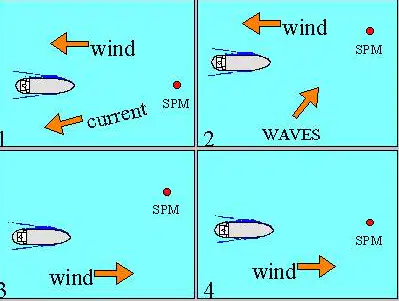
What is the correct way in approaching the SPM, taking the prevailing wind, current and waves into consideration?
As in example 3
As in example 4
As in example 2
As in example 1
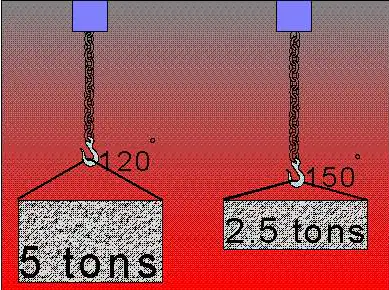
What is the strain on each of the two slings?
1) 5tons 2) 5tons
1) 5tons 2) 5tons
1)10tons 2) 5tons
1) 2tons 2) 1ton
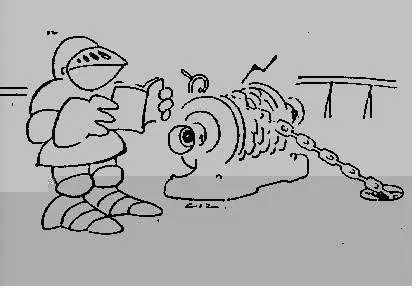
What kind of safety equipment must be worn during anchoring?
All of the mentioned equipment
Boiler suit, working gloves
Safety goggles
Safety helmet, safety shoes
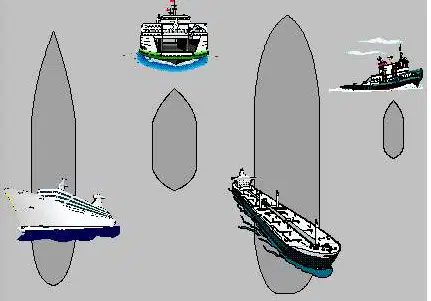
What shape of hull does a course-stable ship usually have?
A ship with a long, slim hull
A ship with a short, slim hull.
A ship with a short, wide hull.
A ship with a long, wide hull.
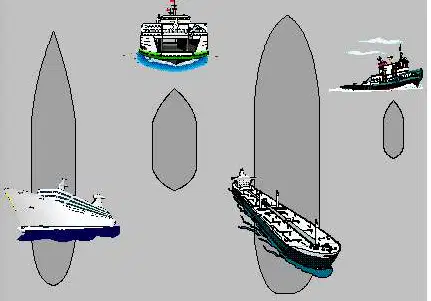
What shape of hull would you say a course unstable ship would have?
A ship with a lenght to beam ratio greater than 5.5
A ship with a long, slim hull.
A ship with a lenght to beam ratio less than 5.5
A ship with a lenght to beam ratio less than 7
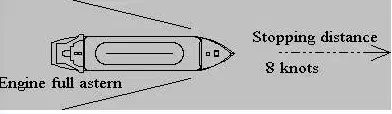
What will the stopping distance of your ship be when proceeding with 8 knots and reversing to full astern?
1500m
5 ship lengths
The stopping distance is the same for all initial speeds
The sea-trial tests may tell me, or else I can do a test myself to find aut
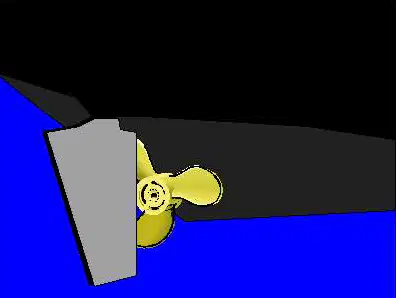
What would you say about a ship which is course unstable?
When you apply rudder, she will continue to turn when the rudder is put amidship, and may even increase rate of turn
When you put rudder amidship, she will continue on a straight course.
It will maintain course no matter how much rudder you apply.
When you apply rudder, it will take time before she answers to it.
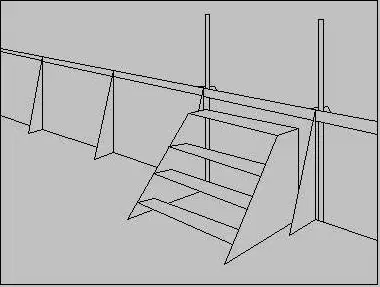
When a bulwark ladder is used for the pilot to step down onto the deck, such ladder shall have two stanchions provided, which are at least 40 mm in dia, between 70 and 80 cms apart, and least 1.2 mtrs higher than the bulwark. Such stachions shall be
At or near the bulwark top level
At the deck level
It does not matter where they are secured
At the deck level and near the bulwark top level
When is the master required to be on the bridge during transit of the Suez Canal?
The master or this qualified representative must be on the bridge at all times
At all times
During anchoring or tie-up operations only
When the pilot is embarking or disembarking
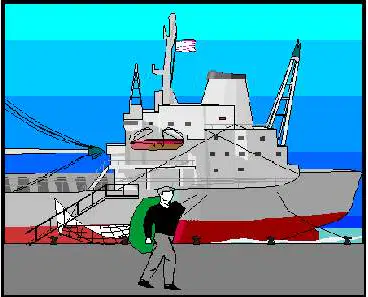
When should gangway nets be rigged?
Whenever the gangway is regarded as unsafe
Between sunset and sunrise
Whenever the gangway is rigged
When it is deemed necessary by the Master of the Chief Officer

Where is the rudder axis located on an unbalanced rudder?
In the centre of the rudder square (figure 1).
Just in forepart of the centre-line (figure 4)
Just in forepart of the rudder square (figure 3).
In the afterpart of the centre-line (figure 2).
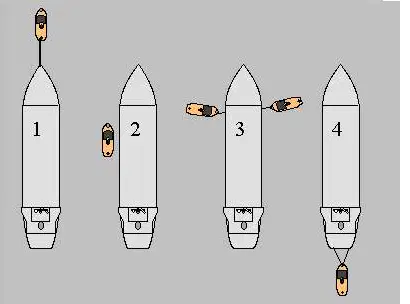
Which of the alternative methods of using a tug when escorting your ship through narrow waters do you think is the most effective in case you loose steering power?
Running free alongside, ready to be made fast (figure 2)
Made fast forward on either shoulder, ready to push (figure 3)
Made fast in a line at the bow (figure 1)
The tug`s bow against my stern, made fast with lines. By moving the tug to either side of my stern, this will help to steer the ship (figure 4)
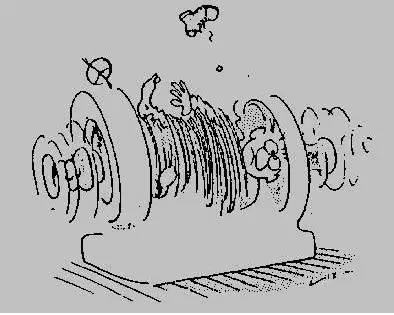
Which one of the following types of rope is the most dangerous to work with?
Manila
Polypropylene
Nylon
Steel wire
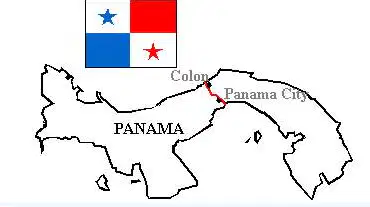
Who is authorized to prescribe use of locomotives and canal deck-hands during transit of the Panama Canal?
The Canal authorities
The pilot
The master
The Cristobal or Balboa harbour masters respectively
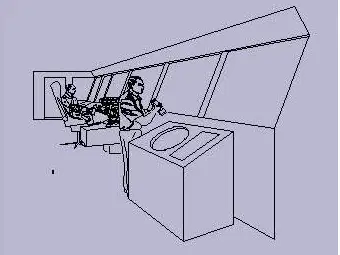
Who is responsible for the number and use of tugs during mooring?
The Master
The Pilot
Vessels Agent in Port
Port Authorities
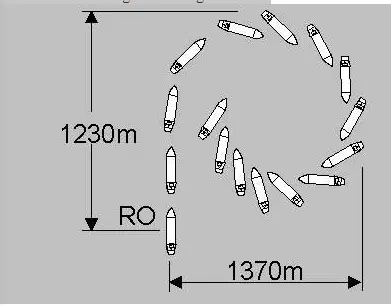
You are in a 360 degrees turn with engine full ahead. If you reduce speed during the turn, do you think there will be a change in turning diameter?
No, the turning diameter will not change if I reduce speed
No, the turning diameter will only change if I reduce rudder angle
Yes, the turning diameter will increase if I reduce speed
Yes, the turning diameter will be smaller if I reduce speed
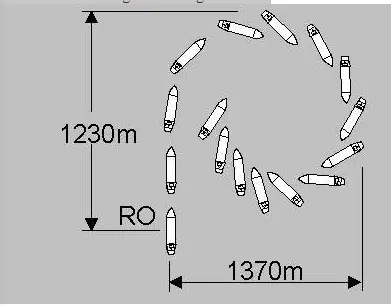
You have made a turning circle at full speed in deep water. You are now going to make one with initial speed, slow ahead. Do you think the diameter will differ from that of initial full ahead?
Yes, it will be much greater with slow ahead
Yes, it will be a large difference in the turning diameter between full and slow ahead
The diameter will be the same whatever initial speed we have when starting the turn
Yes, it will be much smaller with slow ahead
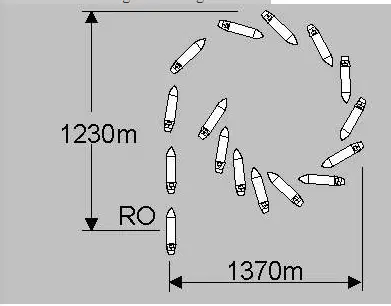
You have made a turning test on full speed in deep water. You are now going to make a test in shallow water. Do you think the turning diameter will be the same?
No, the turning diameter will be increased in shallow water
No, the turning diameter will be smaller in shallow water
Yes, the turning diameter will be the same for all dephts
Yes, it will be the same provided the UKC is 25%-50%
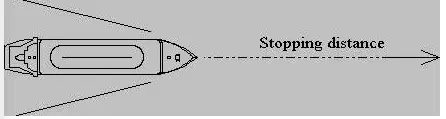
You want to stop your ship as quickly as possible without too much change in the heading. What can you do to achieve this?
Make a complete turning circle
Do a zig zag manoeuvre
Use the rudder hard over both sides while reducing engine power, so-called "high frequency rudder cycling".
Put the engine full astern
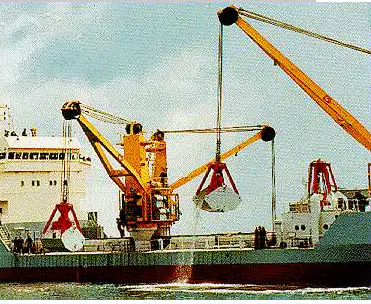
Your crane is designed for Grab Service with a hoisting load of 16 tons including grab weight. Grab weight: 8 tons, Grab cubic: 10m3. You are going to discharge a cargo of dry minerals having a stowage factor of 0,7-0,8 t/m3. What will be the maximum
8 tons
16 tons
7 tons
15 tons
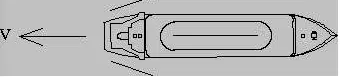
Your engine is going astern and you pick up sternway. The rudder is midships, and you are operating on a single, right-handed fixed screw. How will your ship react?
She will most likely change heading to starboard
She will most likely change heading to port
She will most likely go straight astern
The stern will be lifted to starboard
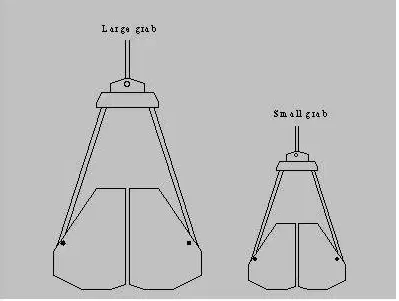
Your ship is equipped with 2 different types of grabs,small and large, with cubic capacities of 5m3 and 10m3 respectively. Maximum crane load for grab service is 16 tons including grab weight. You are going to discharge a dry commodity having a stowa
Small
Any of them
Large
None of the mentioned alternatives
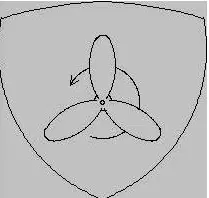
Your ship is equipped with a right-handed propeller. As you go full astern from full ahead, the ship is sheering to starboard. Is there anything you can do to reduce the change in heading?
Put the rudder hard to starboard to reduce the water flow to the right side of the propeller
No, there is nothing I can do
Put the rudder hard to port to reduce the water flow to the left side of the propeller
I can swing the rudder from side to side
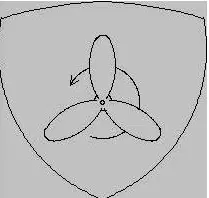
Your ship is equipped with a single, right-handed fixed screw. Steaming full ahead you reverse the engine to stop the ship. How will the ship react? No wind or current.
She will most likely sheer to starboard and gradually loose headway
She will most likely continue on a straight course
She will stop on 1,5 times the ship's length
She will most likely sheer to port and stop rather quickly
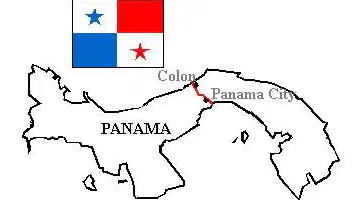
Your vessel is moving in Panama Canal waters. When must a regular engineer be on watch in the engine room?
At all times
When the chief engineer is attending the engine room
Not necessary to be in the engine room if the unmanned engine room status is practised and alarms have been checked
When requested by the pilot
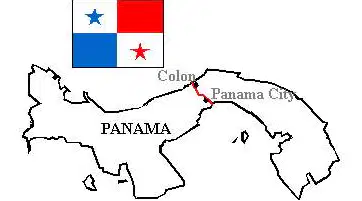
Your vessel is moving in Panama Canal waters. When must the chief engineer remain on duty in the engine room?
Only when requested by the pilot
At all times
When approaching or passing locks and Gaillard cut
Only if the regular engineer is off duty
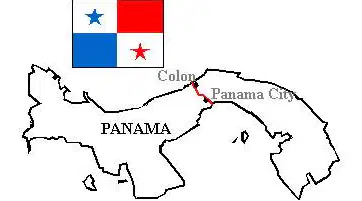
Your vessel is moving in Panama Canal waters. When must the master be on the bridge?
At all times
When his qualified representative is present
When entering or leaving a lock, passing through Gaillard cut, berthing&unberthing, anchoring or heaving anchor
When entering or leaving a lock only
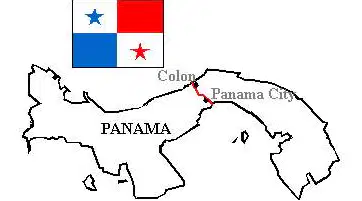
Your vessel is moving in Panama Canal waters. When must the master or his qualified representative be on the bridge?
When at anchor or alongside a pier
When entering or leaving locks only
When going through the Gaillard cut only
At all times

