
 Worksheets
Market Segmentation
Total questions: 50
Worksheet time: 32mins
Sanya's clothing brand is conducting market research to understand its customers more deeply. It examines changes in their attitudes, lifestyles, values, interests, and opinions to identify evolving preferences and tailor its products and marketing strategies accordingly. This type of analysis is known as a ________ analysis.
Demographic
Social-Cultural(Psychographics)
Geographic
Behavioral
Arnav is preparing a marketing plan for selling a product in a city. The city’s climate, including its typical temperature, rainfall, and seasonal weather conditions, may influence customer needs and product demand. This change in the climate of the city, where the product is being sold, will affect the __________ region of the marketing plan.
Geographic
Demographic
Psychographic
Telepathic
Nikita, a customer, shows interest in playing basketball and enjoys participating in sports-related activities. This information can help a marketer determine his/her ______, which relates to the customer’s interests, lifestyle, opinions, and activities.
Psychographic criteria
Geographic criteria
Demographic criteria
Behavioral criteria
A company wants to understand the different groups of customers in its target market so it can design products, services, and marketing efforts that meet their specific wants and needs. ___________ is the method used to identify and group customers who share similar wants and needs.
Selling
Planning
Market Segmentation
Sales pitch

Dia's marketing team is preparing to launch a new product and wants to divide potential customers into groups with similar characteristics. The team is considering measurable population factors such as age, gender, income level, and family size to identify and target the most appropriate customer groups. Which market segmentation method is being used?
Behaviorial
Psychographic
Demographic
Geographic

Mira receives points, discounts, and other rewards each time she purchases from the same brand. These benefits are designed to encourage her to return and continue buying from that business instead of switching to a competitor. What type of promotion encourages a consumer to become a repeat buyer of a product, service, or brand?
trending concept
a name brand or logo
A reader board
loyalty program
Aanya is studying the different ways businesses divide customers into groups to better understand their needs and develop targeted marketing strategies. These groups can be based on factors such as location, age, lifestyle, and buying behavior. How many main types of market segmentation are there?
4
8
2
10

Avni's company wants to understand its potential customers more effectively so it can tailor products, marketing messages, and sales strategies to their needs. To do this, the company divides the overall market into smaller groups based on shared characteristics such as age, location, interests, or purchasing behavior. This process of dividing a market of potential customers into distinct groups based on different characteristics is called
Market Segmentation
Market Analysis
Demographics
Consumer identification

While reviewing information collected by the US Census, Aarush is learning about demographic characteristics, which are statistical ways of grouping or describing people in a population. The Census collects information such as people’s age, race, and household income to help understand communities and plan public services. Which of these is NOT a demographic characteristic typically tracked in the US Census?
Age
Household Income
Race
Political preference

A market researcher is preparing a customer profile for a new product and wants to describe the target market using measurable characteristics of a population. Which of these answers includes ONLY examples of demographics?
Marital status, religion, ethnicity
Household income, gender, race
Age, geographical location, gender
Race, age, hobbies

Kavya's business wants to better understand its customers by grouping them according to the places or regions where they live, such as countries, states, cities, or neighborhoods. This approach to dividing the market is called
geographic segmentation
demographic segmentation
psychographic segmentation
behavioral segmentation

Aisha is developing an advertising campaign and wants to target potential consumers based on their lifestyles, interests, opinions, and personal preferences rather than on demographic characteristics. Which type of psychographic data might she use?
music preferences
race
age
gender

Aashi's business is planning a marketing campaign for its new product. To use its advertising budget effectively, the business must identify the target market—the group of potential customers most likely to need, want, and purchase the product. Its target market includes:
Everyone, regardless of whether they need or are interested in the product
All the people who might use a product or service
The specific people that the company is aiming to reach with its marketing and sales efforts
One segment of the market, even if it is not the segment most likely to purchase the product

A company is launching a high-priced luxury sports car designed for drivers who prioritize speed, advanced performance, and an interest in fast automobiles. Which market segment would this product most likely appeal to?
High-income males aged 18 and older who enjoy fast, high-performance cars
Low-income young females who enjoy fast cars
Tara is preparing a marketing plan to sell a product in a city with a different climate than the city where the product was originally sold. Because climate can influence customer needs, product use, and purchasing patterns, the change in climate of the city where the product is being sold will affect the __________ region of the marketing plan.
Geographic
Demographic
Psychographic
Telepathic
Ishaan's interest in playing basketball reflects his personal interests and lifestyle. This information can help a marketer determine his/her ______.
Psychographic criteria
Geographic criteria
Demographic criteria
Behavioral criteria
A sportswear company analyzes its overall customer base and divides the market into smaller groups of buyers who share distinct needs, characteristics, or purchasing behaviors. Because each group may require its own products, promotional approach, pricing, or distribution strategy, this process helps the company develop separate marketing strategies or mixes. This process is called ________.
Mass customization
Market targeting
Market segmentation
Differentiation
Divya has developed a new product and identifies the specific group of customers whose needs, preferences, and characteristics make them most likely to purchase and use it. Is this group the target market, meaning the group of customers at which a product or service is specifically aimed?
True
False
Saisha's company is deciding whether to use mass marketing, which targets a broad audience with a largely standardized offering, or market segmentation, which tailors marketing efforts to specific customer groups, for its new product. The key advantage of mass marketing, as compared to market segmentation, is:
brand building
economies of scale
customer engagement
customer understanding and being close to the customer
market responsiveness
When Aarush analyzes customers for a new product, he divides the broader market into smaller segments whose customers share distinct needs, characteristics, or behaviors. To serve each segment effectively, these differences require ____.
separate management teams
unique pricing points
careful attention and planning
separate marketing strategies and marketing mixes
environmental analysis
Eesha is analyzing customers for a retail company and wants to divide them into meaningful groups based on how they interact with the company. She classifies customers according to their loyalty status, such as new, occasional, or loyal customers, to help tailor marketing strategies and retention efforts. Loyalty status is a segmentation approach that would be considered to belong to which main segmentation base?
Geographic
Demographic
Psychographic
Behavioral
Benefit
Eesha’s firm is planning a marketing campaign and recognizes that consumer preferences, lifestyles, and purchasing needs can vary significantly from one region to another and among local communities. Because the firm wants to tailor its marketing efforts to the specific locations where its customers live, which major segmentation base would probably be most appropriate for them?
Geographic
Demographic
Psychographic
Behavioral
Benefit
Colgate toothpaste offers a broad range of products designed to address specific consumer needs, including toothpaste for sensitive teeth, teeth whitening, cavity protection, and other oral-care concerns. By grouping customers according to the particular benefit they seek from the product, what form of market segmentation does Colgate appear to be using?
Geographic
Demographic
Psychographic
Behavioral
Benefit
Arnav is evaluating several market segments for a new product. To develop an effective segmentation strategy, each segment identified should have clear and meaningful characteristics that make it relatively unique and distinguishable from the other segments. This would meet the criteria of:
Measurable
Differentiable
Accessible
Actionable
Substantial
Avyaan’s company conducts market research and identifies several customer segments. However, the research indicates that these segments are not sufficiently differential from one another and cannot be effectively targeted or served with distinct marketing strategies. In this situation, the recommendation would be to:
Implement a niche marketing approach
Move to mass marketing
Consider another market
Pursue the most attractive segment
Combine some of these market segments
A bakery specifically promotes and sells gluten-free breads and cakes to people following restricted diets, as well as other health-conscious customers who seek gluten-free products. By focusing its marketing efforts on this narrowly defined group with shared needs, what approach to market targeting is the bakery adopting?
Mass marketing
Differentiated marketing
Concentrated marketing
Niche marketing
One-to-one marketing
When Shaan develops a marketing strategy for a new product, he understands that effective product positioning must communicate not only the product’s unique points-of-difference—features or benefits that distinguish it from competing offerings—but also points of- ______, which are characteristics that make the product comparable to competitors on important dimensions.
Competitive advantage
Parity
Differentiation
Pricing
Product
Ishika is repositioning a well-known brand to appeal to a new target market. The company has considerable control over several aspects of the repositioning process: it can improve the product’s features or quality, revise its marketing communications, manage manufacturing and shipping logistics, and anticipate and respond to competitors’ likely actions. However, the success of the repositioning ultimately depends on how the intended audience perceives the brand. Therefore, the biggest challenge Ishika will face is:
Improving the products to better meet the needs of the new target market
Changing the marketing communications used to present the brand
Manufacturing the product and shipping it logistically to the target market
Responding effectively to competitors’ likely actions
Changing consumers’ existing attitudes and knowledge about the brand
Eshaan is developing a new product and wants to establish a strong, defensible position in the marketplace. As part of the product-positioning process, the product’s positioning should be pre-emptive, meaning that it should provide a meaningful advantage that competitors are unlikely to be able to match or imitate easily. In this context, which characteristic best describes a pre-emptive positioning strategy?
Interesting and exciting
Clear and distinctive
Affordable and profitable
Sustainable and hard to copy
Unique in the marketplace
Avani is preparing a marketing presentation for a new brand and wants to illustrate how the brand is positioned relative to competing brands. Perceptual maps are a ______ technique, designed to demonstrate how ______ perceive the positioning of brands in the market.
Creative, Managers
Creative, Consumers
Visual, Managers
Visual, Consumers
Insightful, Managers
A company divides its customers into distinct groups based on characteristics such as age, interests, and shopping habits. This process, known as market segmentation, helps the company understand the different needs of its customers and tailor its marketing efforts to each group. Segmentation of a market is primarily done to help with what?
Targeting advertising more accurately
Increasing the amount of products being made
Improving the quality of goods being sold
Making sure that workers are happy at work
A car company is studying its customers to identify groups with different spending abilities and tailor its products and marketing accordingly. How is a market segmented by 'income'?
People have different hobbies and interests, which can be connected to income and location.
Consumers live in different parts of the country and may have different tastes and needs. For example, people living in cities might prefer a smaller car.
The population can be divided into income groups such as low income, middle income and high income, reflecting differences in customers' spending abilities.
Age groups can be split into categories, such as 0–10, 11–16 or 18+, or into broader groups such as young and old.
A car company wants to understand its customers so it can design, position, and advertise products for different groups. In market segmentation, how would customers be grouped according to their lifestyle?
Products can be aimed specifically at males, females, or both, based on gender.
People may have different hobbies, interests, activities, and preferences, which can be related to factors such as their income and location.
Consumers live in different parts of the country and may have different tastes and needs; for example, people living in cities might prefer a smaller car.
Customers can be divided into age groups, such as 0–10, 11–16, and 18+, or into broader categories such as young and old.
A car company is planning to market different models to consumers in various geographic areas. Consumers live in different parts of the country, and people in each location may have distinct tastes, travel patterns, and transportation needs. For example, customers living in a busy city might prefer a smaller, more fuel-efficient car that is easier to park, while those living in rural areas might prefer a larger vehicle suitable for longer journeys or uneven roads. How is this market segmented by location?
Products can be aimed specifically at males, females, or both, based on the characteristics and preferences associated with each gender group.
People have different hobbies and interests, which can be connected to income and location, such as targeting products at sports enthusiasts or outdoor activity participants.
Consumers live in different parts of the country and may have different tastes and needs. Those living in a city might want a smaller car, while those in rural areas might prefer a different type of vehicle.
Age groups can be split into categories, such as 0–10, 11–16, or 18+, or they can be broadly divided into younger and older consumers.
Eshaan works for a company that promotes the same product to everyone in the market, without adapting its marketing approach to target a specific customer segment. This strategy assumes that the product can meet the common needs of a broad range of consumers.
Mass marketing is about
Aiming a product at one particular segment
Developing products for different segments
Going for a global marketing strategy
Aiming the product at the entire market
Divya launches a new product with a special feature that clearly distinguishes it from competitors' offerings and gives customers a specific reason to choose her product. What is this unique selling point called?
Branding
USP
Added Value
Product differentiation
Nikita identifies and focuses on a small, specialized segment of a larger market. She develops products and marketing strategies specifically tailored to meet the unique needs and preferences of customers within this segment. What marketing approach is Nikita using?
Mass Marketing
Market Segmentation
Niche Marketing
Target Market
Dia runs a small business that targets a specific niche market by offering specialized products designed to meet the distinct needs and preferences of a limited group of customers. Which of the following is an advantage of niche marketing for her business?
Small markets do not allow lower average costs of production
Fewer risks
It creates an image of a cheap, low-quality product
It creates an opportunity to sell products at high prices
Alisha is evaluating whether to divide her company's customers into distinct market segments before launching a new product. Although market segmentation can help a business tailor products to specific customer needs and focus its marketing strategies, it can also involve additional expenses and operational difficulties. Identifying these limitations is important when deciding whether segmentation is worthwhile. Which of the following represents a limitation of market segmentation?
Design and produce goods that are specifically aimed the market segment
Research and development cost might be high
Differentiated marketing strategies can be focused on target market groups
Limiting the size of the market
A business, such as Aarush's company, is considering adopting a mass marketing strategy aimed at reaching a broad market with a standardised product and promotional message. What is a potential benefit to the business of adopting mass marketing?
Higher profit margins are likely to be earned compared to a niche marketing strategy
Marketing costs per unit will be lower than with a niche strategy because promotional activities can be spread across a larger number of potential customers
Sales will always be higher than with a niche strategy
The product will be adapted to suit the needs of separate groups of consumers

Demographic
Psychographic
Geographic
Behavioral

A marketing team is planning a campaign for Thums Up and wants to target consumers according to their lifestyles, interests, personal values, and personality traits—for example, people who enjoy adventurous activities or identify with an energetic, bold image. Which type of market segmentation should the team use?
Demographic
Psychographic
Behavioral
Geographic
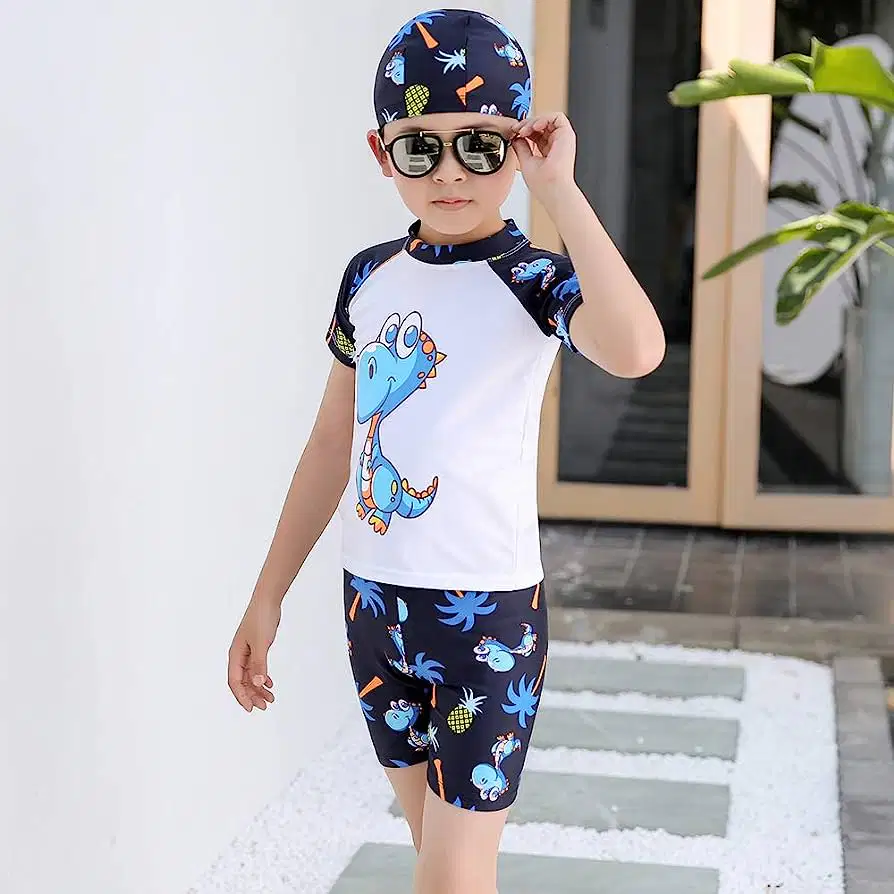
Demographic
Psychographic
Behavioral
Geographic

Demographic
Psychographic
Behavioral
Geographic

Demographic
Psychographic
Behavioral
Geographic

Demographic
Psychographic
behavioral
Geographic

demographic
psychographic
geographic
behavioral

Demographic
Behavioral
Psychographic
Geographic
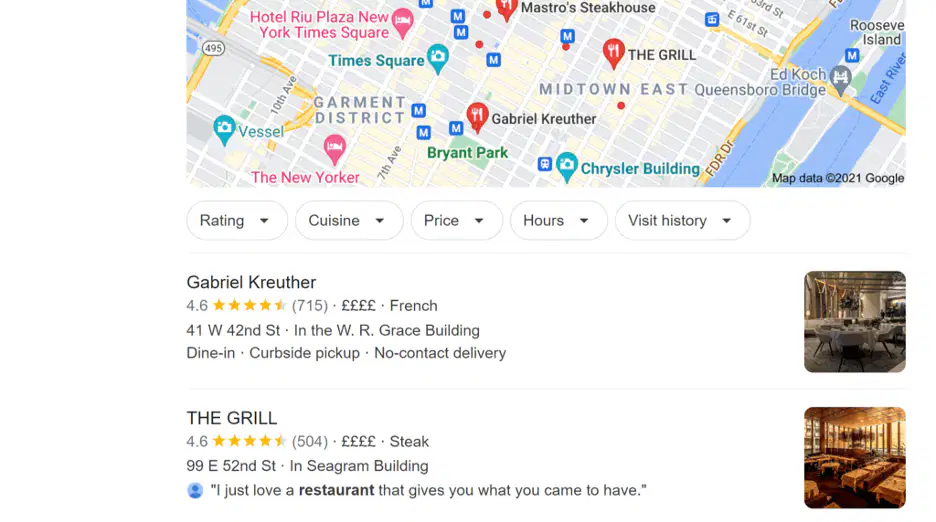
Demographic
Geographic
Psychographic
Behavioral

Demographic
Psychographic
Behavioral
Geographic

