
Font size
 Worksheets
water properties
Total questions: 36
Worksheet time: 31mins
Surface tension is the property of water in which...
water molecules at the surface tend to stick together.
water spills easily.
water tends to be see-through.
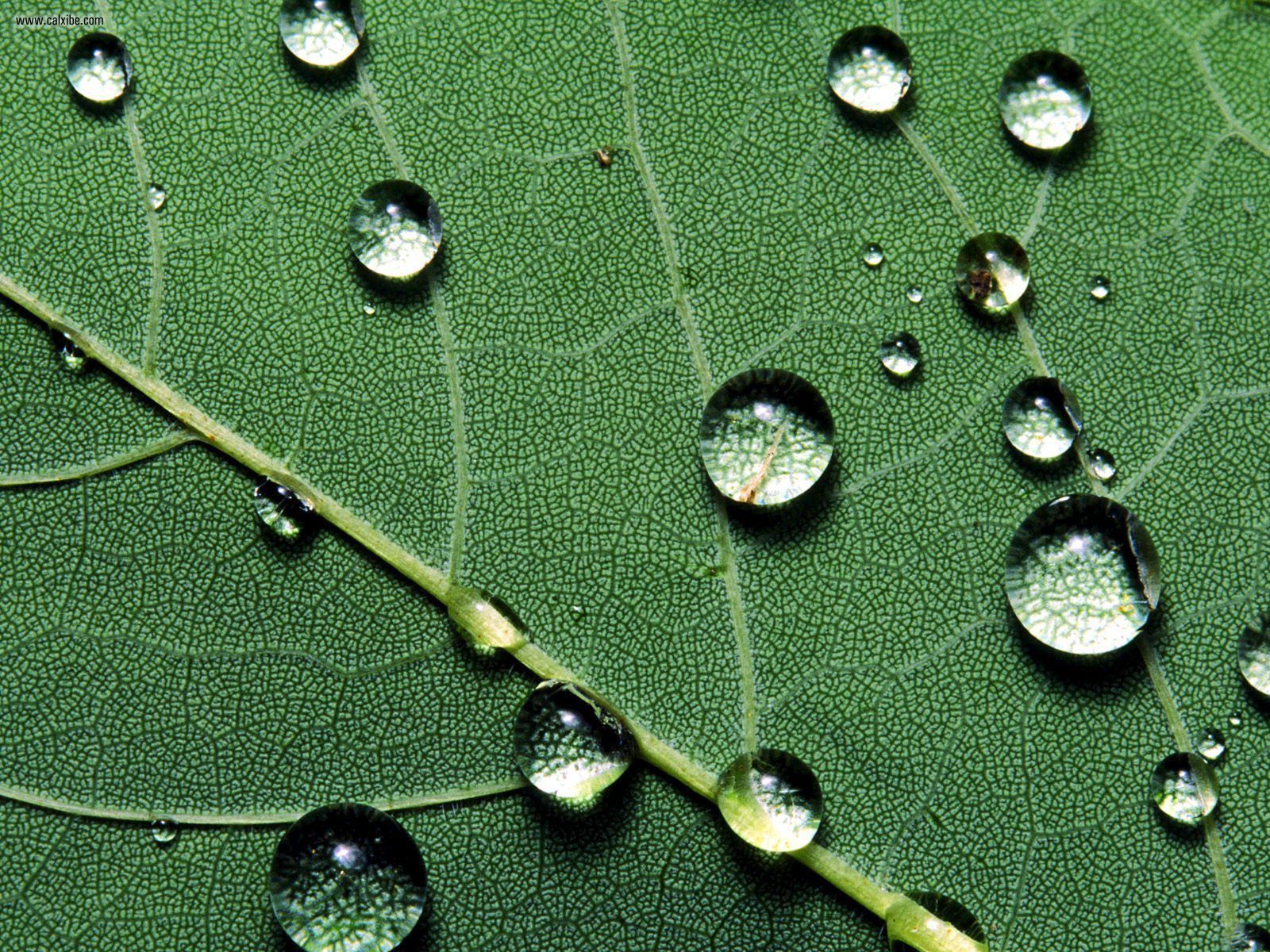
Refer to the picture of water sticking to a leaf; this is occurring because of:
Adhesion
Cohesion
Describe COHESION.
Water molecules attracted to other substances.
Water molecules climbing upwards against the force of gravity.
Water molecules dissolving many substances because of its polarity.
Water molecules attracted to other water molecules.


Water's ability to stick to glass is
adhesion
cohesion
surface tention
capillary action
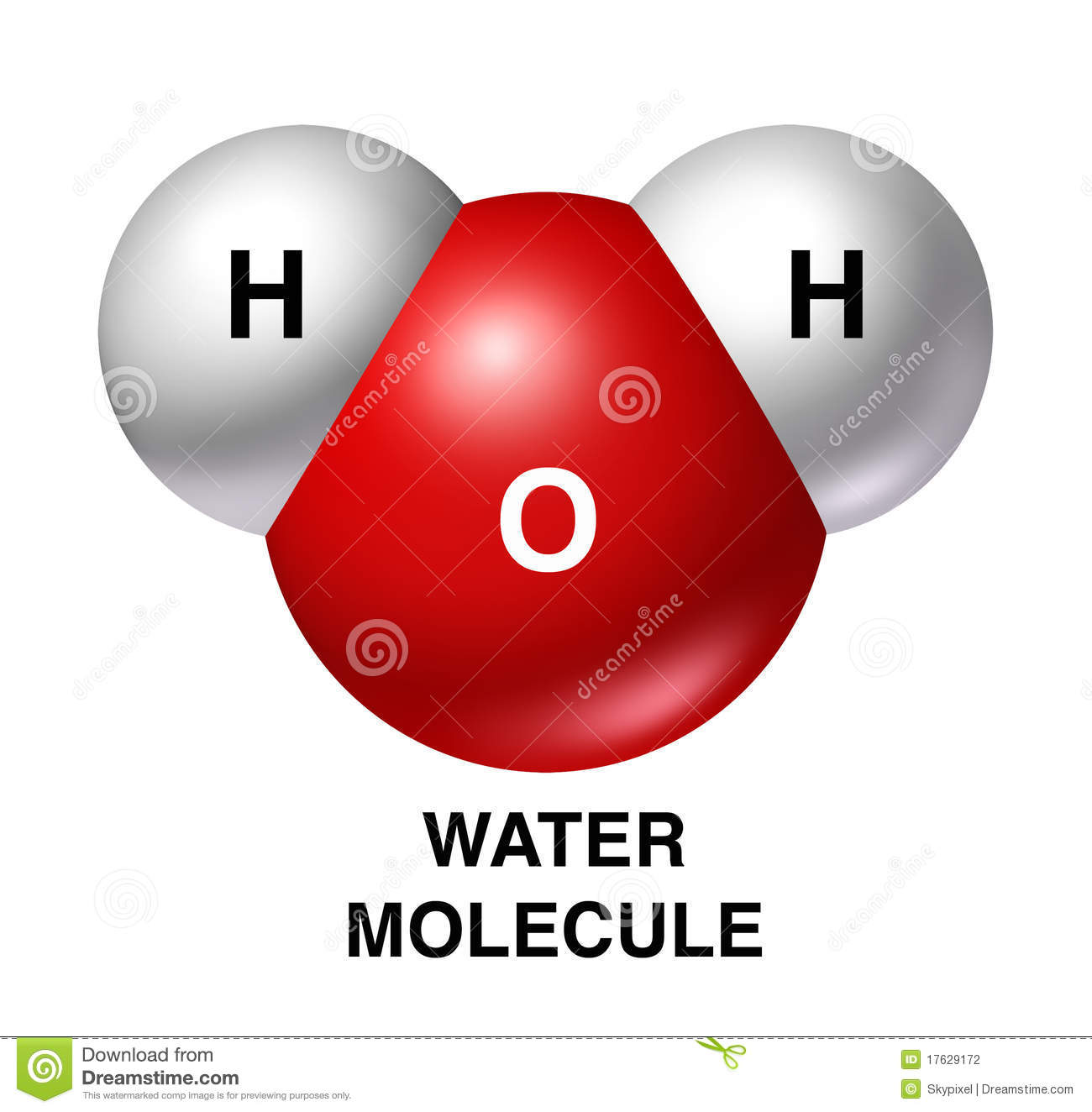
Which part of a water molecule has a Negative Charge?
The Hydrogen
The Oxygen
The Left
The Right
Which of the following is the CORRECT list of water's properties?
Read Carefully!
adhesion, cohesion, high specific heat, universal solvent
adhesion, cohesion, low specific heat, universal solvent
adhesion, no cohesion, low specific heat, universal solute
no adhesion, cohesion, high specific heat, universal solute

You body sweats to help prevent you from overheating. How does water regulate temperature?
it lets heat pass through it
it absorbs a lot of heat, then decreases in temperature
it absorbs a lot of heat, but only increases a little in temperature
heat is afraid of water and avoids it
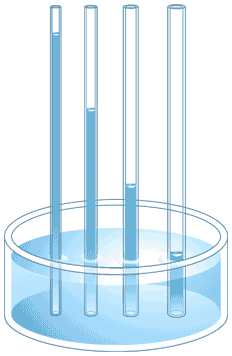
What is the term for water's ability to defy gravity and climb up a tube?
Capillary Action
Specific Heat
Universal Solvent
Magic
What is the term for water's ability to defy gravity and climb up a tube?
Capillary Action
Specific Heat
Universal Solvent
Magic
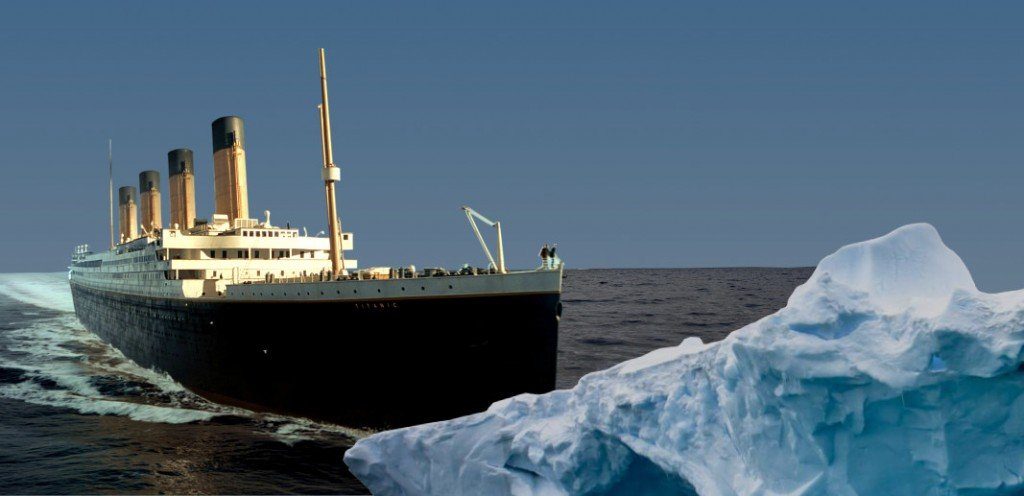
Why does ice float?
water expands when it freezes, making ice less dense than water
water compacts when it freezes, making ice more dense than water
hydrogen bonds in water push the ice to the surface
ice is afraid of water, and avoids it

A water strider can skate along the top of a pond because:
covalent bonds result in water cohesion (surface tension)
hydrogen bonds result in water cohesion (surface tension)
water striders have adapted to take advantage of water cohesion
water striders are afraid of water and avoid it
Which process contributes carbon dioxide to the atmosphere?
anaerobic respiration
photosynthesis
protein synthesis
tree farms
Which process removes carbon dioxide from the atmosphere?
deforestation
tree farms
burning fossil fuels
cellular respiration

What are two (2) ways to reduce the carbon emissions from passenger cars?
Use less expensive gas
Carpooling
Public Transportation
Driving only passenger cars

What does the diagram indicate regarding the carbon cycle?
Only terrestrial processes cycle carbon
Only aquatic processes cycle carbon
Terrestrial and aquatic processes are separate
Both terrestrial and aquatic cycles operate together

What organisms form fossils?
animals
plants and animals
CaCO2
sedimentary rocks
How do fossils form?
ancient biomass is converted to fossil fuels through cellular respiration
ancient biomass is converted to fossil fuels through time, heat and pressure
current biomass is under heat and pressure until they become fossils
atmospheric carbon diffuses into the soil and forms fossil fuels
Humans burn fossil fuels and wood, releasing carbon dioxide into the atmosphere. This carbon dioxide is then absorbed by trees for photosynthesis. These processes are contributory to which chemical cycle?
The carbon cycle
The water cycle
The nitrogen cycle
The phosphorous cycle
How does the human body return carbon to the atmosphere in the carbon cycle?
Waste products
Photosynthesis
Cellular respiration
Formation of glucose
In the carbon cycle, animals can release carbon back into the cycle through __________ or through __________.
burning . . . photosynthesis
fixation . . . decomposition
decomposition . . . photosynthesis
respiration . . . decomposition
respiration . . . photosynthesis
Which of the following is an example of human impact on the carbon cycle?
The increased production of methane gases from cattle farms
The burning of fossil fuels
The cutting down of trees for lumber
Driving automobiles
All of the above
If a forest fire occurs, what will happen to the carbon in the forest?
It will go into the soil
It will go into the atmosphere
It will runoff into nearby streams and rivers
It will be destroyed
What kind of organism takes out the most carbon from the atmosphere?
Plants
Bacteria
Animals
Humans
Which of the following are some of the major carbon stores on Earth? You can choose multiple answers
The ocean
The lithosphere (upper part of Earth's crust)
The atmosphere

