
 Worksheets
Year 7 Classification Recap
Total questions: 72
Worksheet time: 24mins
You are a botanist studying a new plant species in the Amazon rainforest. You need to name this species according to the binomial nomenclature. What does binomial nomenclature refer to?
It refers to a system of 3 names
It refers to a system of 2 names
It refers to the names of the kingdoms
It refers to the levels of classification
Imagine you are studying the classification of organisms. Who is the scientist that created the 2 name system you are learning about?
Linnaeus
Edison
Darwin
Einstein
In the biological classification system, if you have just identified the order of a new species, what would be the next level you would need to identify?
genus
kingdom
family
species
In a biology class, you are studying about different levels of biological classification. You are trying to remember the sequence of these levels. Can you tell which level comes before the class level?
phylum
domain
order
family
In a biology class, students learned that the _________ levels of DNA sequence similarity that 2 organisms share, the more closely related they are to each other.
fewer
more
During a biology field trip, students were asked to identify an animal with a backbone. Which of these animals that they found has a backbone?
jellyfish
squid
worm
snake
You are a scientist and you are tasked with organizing different species of plants into categories. What is this study called?
taxonomy
biology
botany
microbiology
Why do biologists classify different species of birds?
It helps biologists trap birds to study
It is easier to study birds when grouped
It is a good way to keep birds calm
It is helpful when dissecting a bird
In a biology class, students are asked to classify organisms. Which category would likely contain more organisms, a family of insects or a phylum of animals?
phylum of animals
family of insects
they contain an equal number of organisms
not enough information to answer
In a biology class, students are asked to create a dichotomous key for identifying organisms. Which of the following statements would NOT be good for their dichotomous key?
The organism has 1 dorsal fin, like a dolphin
The organism is ugly, like a blobfish
The organism has leaves in groups of three, like a poison ivy
The organism has 6 legs, like an ant

You are a biologist studying different species. You come across a human being. To which kingdom would you classify this human being?
Plantae
Fungi
Animalia
Protista
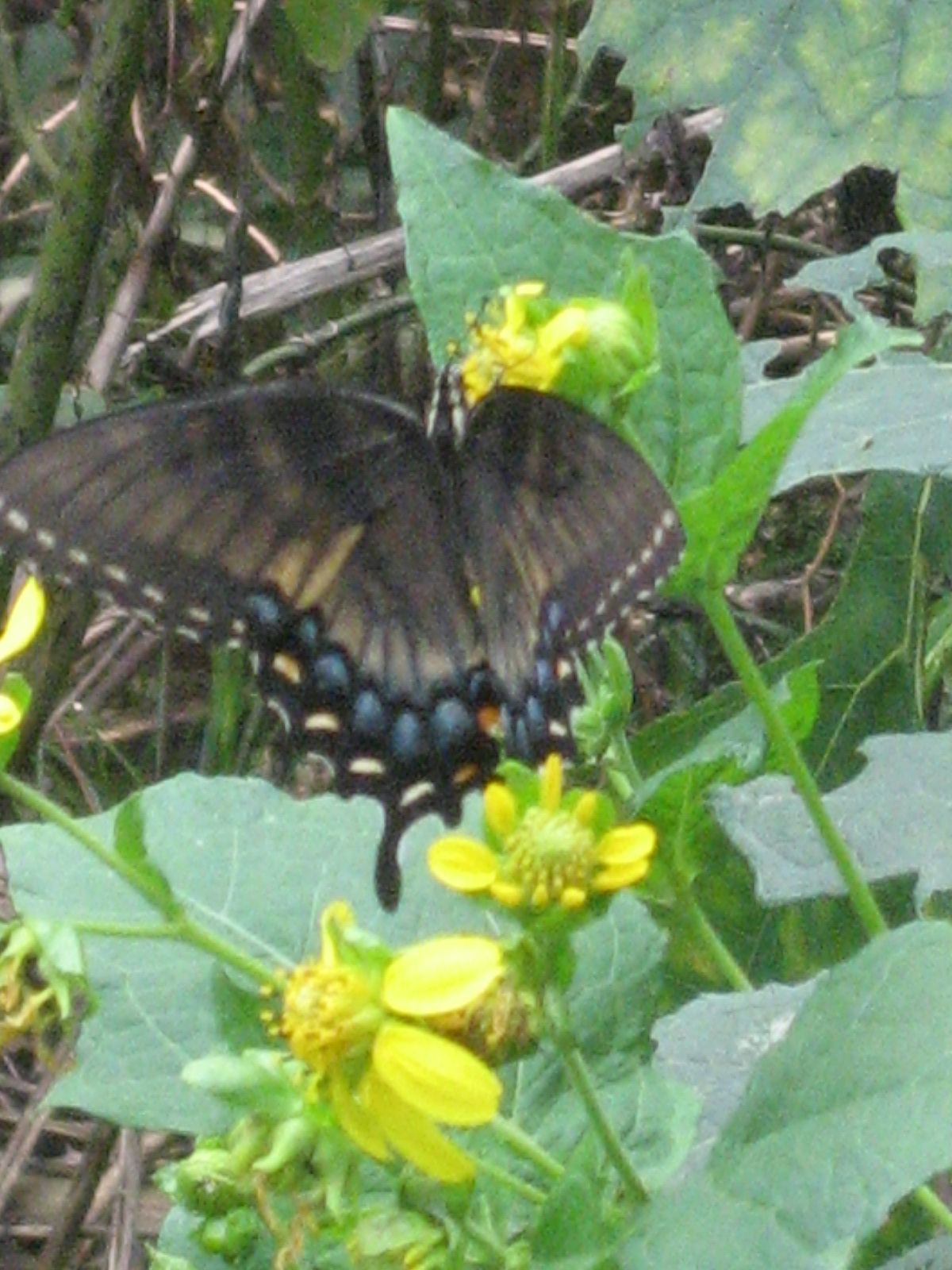
Imagine you are a biologist studying the classification of a newly discovered organism. You need to classify it from the most broad category to the most specific. What would be the correct order of classification?
Domain, Genus, Family, Order, Class, Phylum, Kingdom, Species
Domain, Species, Kingdom, Genus, Phylum, Family, Class, Order
Domain, Kingdom, Phylum, Class, Order, Family, Genus, Species
Order, Kingdom, Species, Domain, Phylum, Family, Class, Genus
A group of biologists are classifying a newly discovered organism. According to them, what is the most specific level of classification they would reach?
Family
Domain
Species
Carolus Linnaeus
In the world of biology, when naming an organism, the first part of the name is the organism's _______________, and the second part is its ________________. For example, in the case of a common house cat, Felis catus, what do 'Felis' and 'catus' represent respectively?
species, genus
phylum, order
class, spices
genus, species
In the context of the Amazon rainforest, which of the following actions does NOT contribute to the endangerment or extinction of its species?
Introduction of invasive species
Destruction of their habitat due to deforestation
Efforts to reduce habitat loss
Changes in the climate due to human activities
Illegal hunting and poaching
Consider the Siberian Tiger, which is an endangered species. This means
Its numbers are so small that it is at a very high risk of extinction
It has not been spotted for many years
Its numbers are abundant
Its numbers are so small that it is at an extremely high risk of extinction
Consider the Siberian Tiger, which is a critically endangered species. This means
Its numbers are so small that it is at a very high risk of extinction
It has not been spotted for many years.
Its numbers are abundant.
Its numbers are so small that it is at an extremely high risk of extinction
Consider the Siberian Tiger and the Sumatran Tiger. The Siberian Tiger is endangered, while the Sumatran Tiger is critically endangered. Which of the two has a greater risk of becoming extinct?
Siberian Tiger
Sumatran Tiger
In the context of urban development, which of the following activities does not contribute to the destruction of natural habitats?
Construction of residential buildings
Industrial pollution
Establishment of nature reserves
Illegal hunting and wildlife trading
In a scenario where a species of tiger is on the brink of extinction, who can contribute to saving them?
An environmentalist studying the impact of human activities on wildlife
You, by spreading awareness and contributing to conservation efforts
Scientists researching and implementing breeding programs
All of the above!

What does it mean when the Siberian Tiger is classified as endangered?
It means that the Siberian Tiger once lived but no longer exists.
It means that the Siberian Tiger is at risk of extinction.
It refers to a place that protects Siberian Tigers at risk.

What does it mean when we say the Dodo bird is extinct?
It means the Dodo bird once lived but no longer exists.
It means the Dodo bird is at risk of extinction.
It means the place that protects Dodo birds at risk.

During a school trip to Mauritius, the teacher asked, 'What is NOT a reason for the extinction of the Dodo Bird?'
The Dodo Birds were hunted by the early settlers
The settlers' pets ate the Dodo Birds eggs
Dodo birds drowned in the Indian Ocean
The habitat of the Dodo birds was destroyed by deforestation

A wildlife conservationist is studying the black rhinos, an endangered species. He is trying to understand why these animals are being hunted. What is the primary reason?
For their horns
For their eyes
For their meat
For their tusks/ivory

Imagine you are a wildlife researcher studying the extinction of the Tasmanian tiger (the thylacine). Which of the following was NOT a main reason for their extinction?
Hunting to protect cattle
Hunting for food
Introduced diseases
Habitat protection
Invasive species like wild dogs
Imagine you are on a camping trip in the forest. You come across various things like water, air, and trees. These things that you find in nature and are used without much modification are called:
Human resources
Natural resources
Renewable resources
Human made resources
Consider a scenario where you are studying different resources on Earth. Which category would you classify minerals and rocks under?
Biotic resource
Exhaustible resource
Abiotic resource
Human resource
Imagine you are a farmer and you have a field of wheat. This wheat field can be harvested and replanted every year. This is an example of what type of resource?
Exhaustible resource
Renewable resource
Non-renewable resource
Useful resource
A group of scientists are studying a forest ecosystem. They are particularly interested in the variety of plant and animal life present in the forest. This variety is referred to as __________
native species
invasive species
biodiversity
threatened species
Consider a scenario where a certain species of birds in a remote island are at risk of becoming extinct due to a sudden reduction in their numbers or a new environmental threat. What would we call such species?
biodiversity
native species
invasive species
endangered species
Imagine you are a scientist studying animal species. You notice that a particular species of bird is no longer found anywhere on Earth. What term would you use to describe this phenomenon?
endangered species
extinction
biodiversity
native species
Imagine you are a botanist studying a forest in North America. You come across a plant species that you've never seen before in this region. After some research, you find out that this species is not native to this area and was introduced by human activities. What would you classify this species as?
Native species
Invasive species
Threatened species
Extinct species
Imagine you are a botanist studying a forest. You come across a species of plant that has always been there. What would you call this type of species?
native species
invasive species
endangered species
extinct species
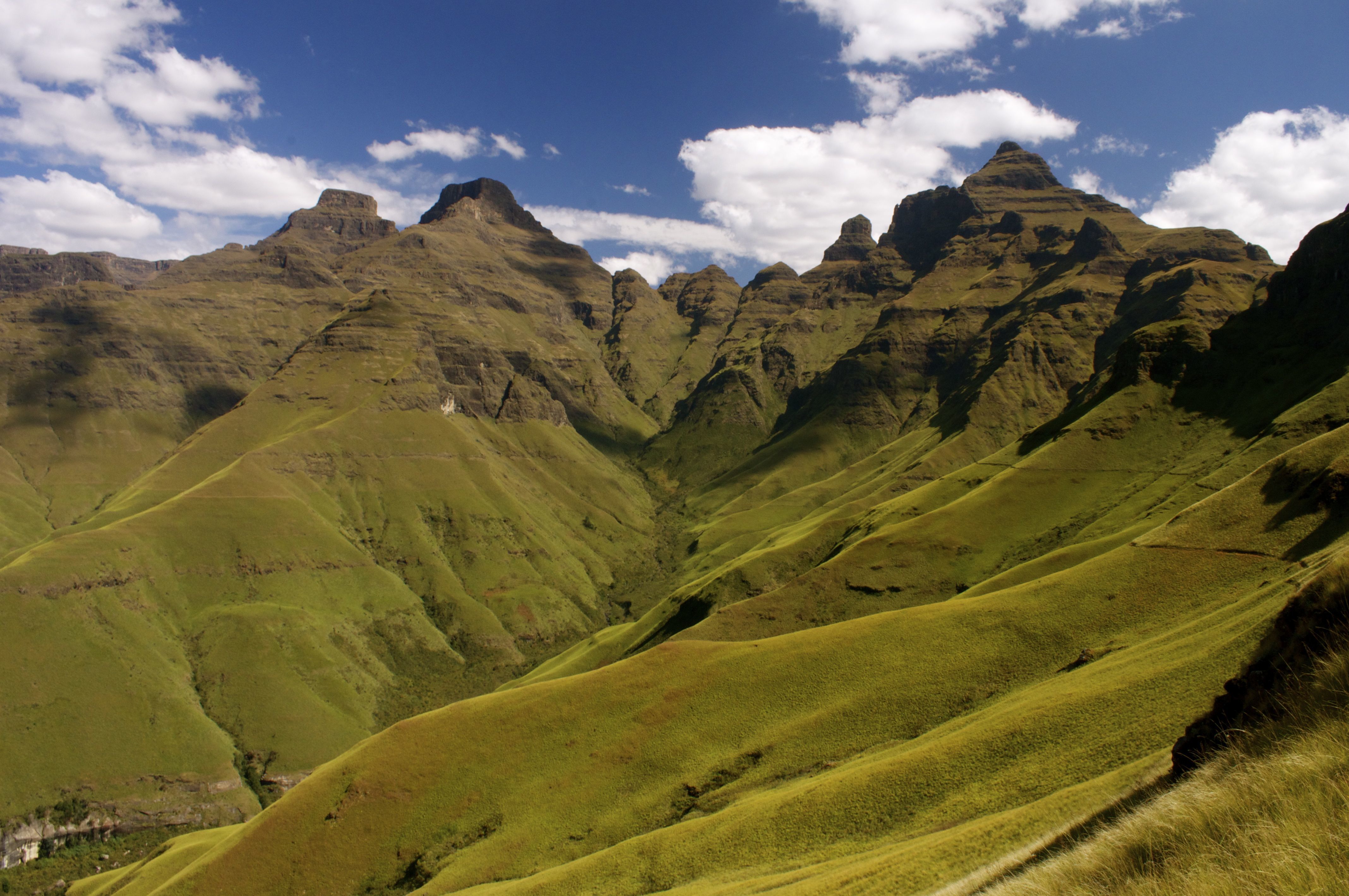
Imagine you are on a global expedition. You are exploring the continents, the ocean floor, all the rocks on the surface, and all of the sand in the deserts. Which sphere of the Earth are you primarily investigating?
Hydrosphere
Biosphere
Atmosphere
Geosphere

Imagine you are studying the earth's environment. Which part would you be studying if you were focusing on all the water on or near the earth?
Hydrosphere
Biosphere
Atmosphere
Geosphere
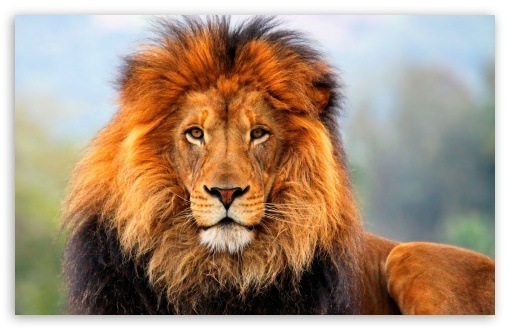
Imagine you are an astronaut observing Earth from space. Which sphere would you associate with all the living things you see?
Hydrosphere
Biosphere
Atmosphere
Geosphere
Imagine a hot summer day at a lake. The water evaporating from the lake surface moves from the...
Atmosphere to the geosphere
Geosphere to the hydrosphere
Hydrosphere to the atmosphere
Atmosphere to the hydrosphere
Imagine a scenario where a tree in your backyard dies and decomposes, and nitrogen is returned to the soil. This interaction is between which two spheres?
The biosphere and atmosphere
The atmosphere and geosphere
The geosphere and atmosphere
The biosphere and geosphere
Imagine you are an astronaut on a mission in space. What might happen if the spaceship you are in didn't have an atmosphere?
Everything inside the spaceship would go flying off into space
The seasons inside the spaceship would be longer
The spaceship's rotation would stop
You wouldn't be able to breathe inside the spaceship
Samantha is studying an ecosystem at her local park. She makes a list of all the abiotic and biotic parts of the ecosystem. Which of the following lists would be correct for Samantha's ecosystem?


Directions: Select all the correct answers. In a forest ecosystem, which of the following could be considered as biotic factors?
The population of deer and rabbits
The average temperature throughout the year
The variety of trees and shrubs
The amount of rainfall received annually
Consider a scenario where a group of people are camping in a forest, which is a(n) ____________ part of the Earth's environment. When they light a bonfire and add carbon dioxide to the atmosphere, they are changing a(n) ____________ part of the environment.
biotic; abiotic
abiotic; biotic
abiotic; abiotic
biotic; biotic
In the Amazon rainforest, a large number of trees are being cut down every year for timber, to clear land for agriculture, and to produce paper products. What is the most likely impact of this deforestation on the ecosystem?
Animals that live in the forest will migrate to the ocean, leading to overpopulation in marine ecosystems.
Eventually, we will exhaust the supply of trees in the Amazon and will have to resort to using bricks for construction.
Countless animals will lose their homes, leading to the extinction of numerous species.
The ecosystem will benefit as cutting down trees in the Amazon helps reduce air pollution.
While visiting a zoo, you see different types of animals. Which scenario is an example of species diversity?
Observing a flock of 500 snow geese in the bird section
Seeing a clownfish in the aquarium, a water buffalo in the safari zone, and an oak tree in the botanical garden
Meeting six humans, each with different eye color, in the visitor's area
Watching a pod of humpback whales in the marine section
Which is an example of ecosystem diversity in the real world?
Variation in a flock of starlings observed in a city park
Different types of Canadian geese seen during a bird-watching trip
A dog and a tree in your backyard
The Amazon rain forest in South America and a coral reef in the Great Barrier Reef
In a classroom, students are discussing about genetic diversity. Which of the following scenarios can be an example of it?
A group of six friends, each with a different eye color
Comparing the taste of apples and oranges
Discussing the differences between the northwest rain forest and the Midwest plains
Observing an oak tree, a sparrow, and a moth in the school garden
Consider a farm in the countryside. The farm is an ecosystem, a community of interdependent biotic and abiotic factors. Can you identify an example of interdependence between two groups of living things in such a setting?
Birds build their nests on the barn's roof.
Bacteria live in the stomach of the farm's cows, aiding digestion.
Seals hunt for fish in the nearby river.
Crops on the farm photosynthesize, using sunlight and CO₂ to produce food.
Imagine you are a farmer growing crops in your field. You notice that certain bacteria are present in the soil. These bacteria grab nitrogen from the air and convert it into products that your crops can use to generate food.
These bacteria are a(n) _______ part of your farming environment.
external
abiotic
biotic
toxic
What are the results of deforestation in the Amazon rainforest? Choose the most likely outcome.
Most species can adapt to the new conditions.
Species can become endangered with extinction.
Species can be relocated to a new habitat.
The Amazon rainforest can be moved to new locations for most species.
Imagine you are a scientist studying extinction rates. How would you compare the background extinction rate of the dinosaurs 65 million years ago to the current extinction rate?
It's like comparing a car's speed of 100 mph to a speed of 1 mph
It's like comparing a car's speed of 500 mph to a speed of 1 mph
It's like comparing a car's speed of 1 mph to a speed of 35 mph
It's like comparing a car's speed of 1 mph to a speed of 89 mph

According to the data from the World Population Review, Which century has seen the most growth in the human population?
19th century
20th century
21st century
18th century
What must polar bears do in order to survive the melting of Arctic ice due to global warming?
avoid human settlements
adapt and change with the environment
keep doing the same behaviors as before
have only a few genetic diversities in their population.
Imagine you are a historian studying the extinction of various species. You come across the case of the passenger pigeon. What was the main cause of their extinction?
Their main food source was killed by pesticides.
A bird flu severely affected their species.
They were overhunted by humans.
Air Pollution caused them to become sick and die.
True or False? The less genetic diversity of a cheetah population, the more likely the population will survive changes to its environment.
True
False
What allows the zebra mussels, an invasive species in the Great Lakes, to cause native species to go extinct?
Zebra mussels have no natural predators in the Great Lakes.
Zebra mussels have a specific combination of traits that allow them to out-compete native species in the Great Lakes.
Zebra mussels overpopulate the Great Lakes and use up the resources that the native species rely on.
All of the options
In the context of the Amazon rainforest, which of the following is not a reason for the extinction of species?
Introduction of invasive species like the cane toad
Deforestation leading to loss of habitat
The species' ability to breed successfully
Changes in climate due to global warming
True or false? The San Diego Zoo has been successful at captive breeding programs to prolong the life of the Giant Panda species.
True
False
Consider the Giant Panda, which is currently facing habitat loss. In the context of this situation, what would you classify the Giant Panda as?
An organism that will be extinct in 50 years.
An organism that is increasing in population.
An organism that is in danger of becoming extinct.
An organisms that has been extinct for 10 years.
Which of the following would not be considered part of a lion's niche in the African savannah?
how far a lion travels to hunt
where the lion lives in the savannah
the prey of the lion
when a lion dies
The Giant Panda, a well-known endangered species, is at risk of becoming ________.
Popular
Extinct
Endangered
Overpopulated
In the context of environmental conservation, when we say that the Dodo bird has gone into extinction, it means the species has _______.
Become taller
Doubled in population
Disappeared completely
Grown horns
In the context of the Amazon rainforest, which of the following might cause a species to become extinct?
Consistent tropical climate
Rich biodiversity providing ample food sources
Harmony between various species and the environment
Excessive logging and deforestation
Deforestation in the Amazon rainforest affects many different animals because __________.
They are unable to find apartments
Animals will have to build new houses on their own
Animals cannot live freely
There is no place for them at the zoo
There are measures we can take to help prevent the premature extinction of species such as the Siberian Tiger.
True
False
In a small town, a particular plant species has spread so rapidly and extensively that it's causing harm to the local ecosystem. This type of species is referred to as an _________ species.
Endangered
Dominent
Invasive
Rich
Imagine you are a scientist studying a group of 100 species in a particular ecosystem. If the historical trend holds true, how many of these species would you expect to become extinct at some point?
1 species
20 species
99 species
50 species
Imagine you are a policy maker. An unpopular decision you could make to reduce deforestation is ___________.
Initiate a massive tree planting campaign
Encourage citizens to consume less meat
Advocate for having fewer pets
Implement stricter fishing regulations
In the world of zoology, animals like lions, tigers, and cheetahs are grouped together because they have similar ___________.
Characteristics
Roles in the ecosystem
Parents
Companions
Consider a scenario where a city has a large abandoned factory. The city decides to turn this unused space back into a forest. This action can be referred to as rewilding.
True
False
Which one of these animals is a quoll?


You are on a wildlife expedition in Australia and you spot an animal. The guide tells you that it's a...
Quoll
Quokka
Bandicoot
Bilby
Which one of these is an Australian saltwater crocodile?



