
 Worksheets
Chapter 15/14 Test Review
Total questions: 99
Worksheet time: 1hrs 14mins
sharpening a pencil
physical change
physical property
chemical change
chemical property
flammability of a substance
physical change
physical property
chemical change
chemical property
size of an object
physical change
physical property
chemical change
chemical property
inflating a tire
physical change
physical property
chemical change
chemical property
freezing point
physical change
physical property
chemical change
chemical property
corrosion (rusting) of a bicycle frame
physical change
physical property
chemical change
chemical property
fragrance of a flower
physical change
physical property
chemical change
chemical property
boiling water
physical change
physical property
chemical change
chemical property
a burning candle
physical change
physical property
chemical change
chemical property
oranges squeezed to make orange juice
physical change
physical property
chemical change
chemical property
a change in size, shape, or state of matter
physical change
physical property
chemical change
chemical property
a characteristic that indicates whether a substance can change to another substance
physical change
physical property
chemical change
chemical property
a change of one substance to another
physical change
physical property
chemical change
chemical property
a characteristic that can be observed without changing the substance
physical change
physical property
chemical change
chemical property
milk going sour
physical change
physical property
chemical change
chemical property


Color is what type of property?
Physical
Chemical
Reactivity is what type of property?
Physical
Chemical
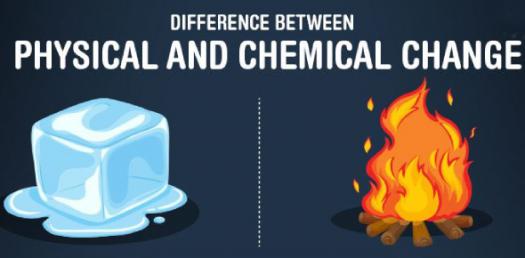
What is a sign of a physical change?
Bubbles forming
Color changing
Stretching
Producing heat

What is a sign of a chemical change?
Stretching
Tearing
Compressing
Bubbles
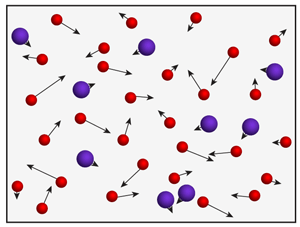
What happens to the atoms of a substance in a physical change?
Atoms get bigger
Atoms change their arrangement and motion
Atoms get smaller
Atoms bond together differently
What happens to the atoms of a substance in a chemical change?
Atoms get bigger
Atoms change their arrangement and motion
Atoms get smaller
Atoms bond together differently
Which of the following changes is a physical change of matter?
water evaporating
paper burning
a nail rusting
a silver spoon tarnishing
Which of these observations would likely be an indication of a chemical change?
A change in odor when two substances are mixed
A change in temperature when a hot substance is left standing in air
A change in volume as a substance is heated
The disappearance of a liquid as it boils

You mixed two liquids and a precipitate formed, what kind of change occured?
Physical
Chemical
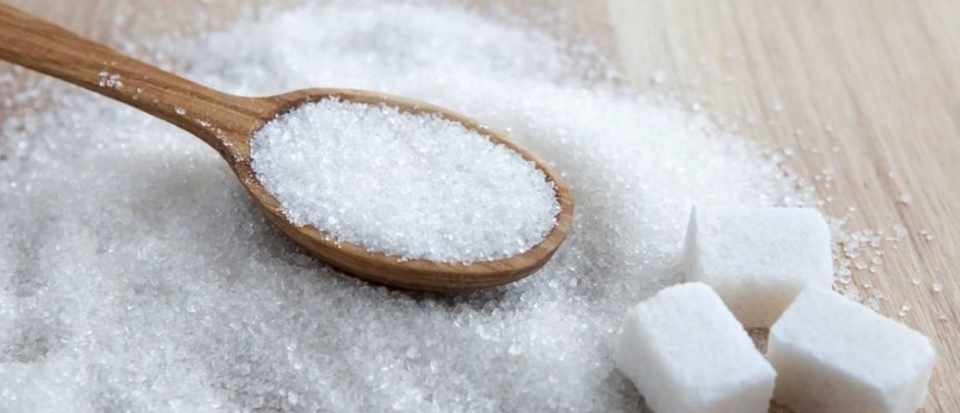
What happens when sugar dissolves in water?
Physical change because a new substance is formed
Chemical change because a new substance is formed
Physical change because the sugar is just getting smaller
Chemical change because the sugar is just getting smaller
Signs of a physical change:
Compress
Shatter
Tear
Precipitate
Signs of a chemical change:
Precipitate
Light
Heat
Shatter
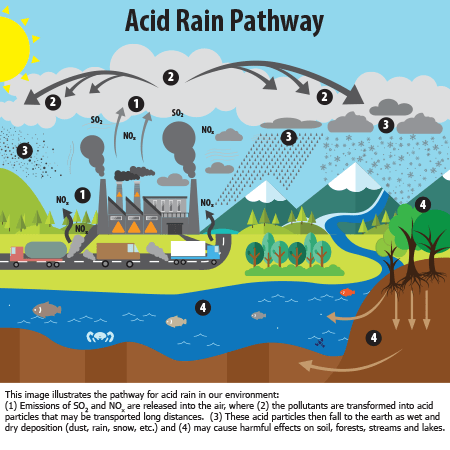
Acid Rain
Physical Change
Chemical Change
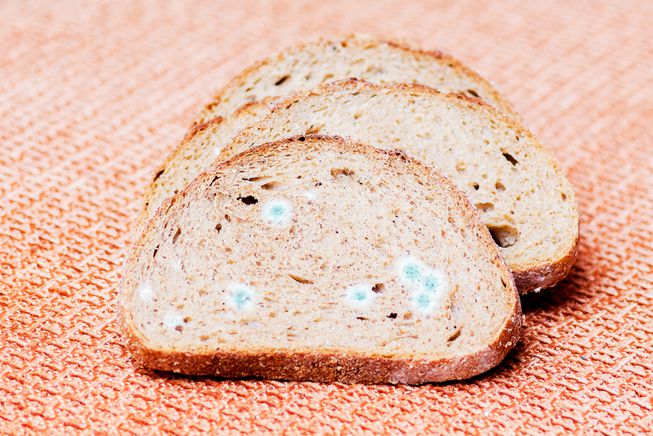
Moldy Bread
Physical Change
Chemical Change
cutting a piece of paper in half
a sliced banana turns brown after sitting out for a while
sugar is dissolved into hot tea
density
the ability of a substance to be hammered into thin sheets
the ability of a substance to carry heat from one area to another
The ability of a substance to be pulled into thin wires
What is NOT a difference in physical and chemical changes?
Appearance
Composition
Properties
Occur in various forms of matter
What leads you to know a chemical reaction has occured?
gas given off
light or heat given off
color change
solid precipitate formed
water is formed
What type of change forms new matter?
Chemical
Physical
Both
Neither
What is an example of a chemical property?
Flammability
Toxicity
Luster
Malleability
What is an example of a physical property?
Luster
Malleability
Flammability
Toxicity
What type of change is a change of phase?
Physical
Chemical
Neither
Both
What type of change does not affect the type of mother?
Physical
Chemical
Optimal
changing
Which results in a change of identity in matter?
Physical
Chemical
Both
Identity doesn't change
Is rust on a car physical or chemical?
Physical
Chemical
Both
Neither
What are examples of physical properties?
Color
Temperature
Malleability
Flammability
Phase change going from a Gas to a Liquid...
Sublimation
Deposition
Ionization
Condensation
Phase change going from a Liquid to a Gas...
Vaporization
Deposition
Condensation
Melting
Phase change going from a Solid to a Gas...
Deposition
Sublimation
Condensation
Recombination
Phase change going from a Solid to a Liquid...
Freezing
Condensation
Melting
Sublimation
Phase change going from a Gas to a Solid...
Deposition
Sublimation
Condensation
Vaporization
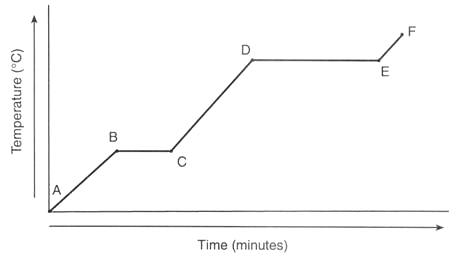
What state/phase is the object likely from points A to B?
Solid
Liquid
Gas
Plasma
What is happening to the particles in the substance between points D and E?
Melting
Freezing
Vaporizing
Sublimating

Where on the graph are phase changes taking place?
1
2
3
4
5
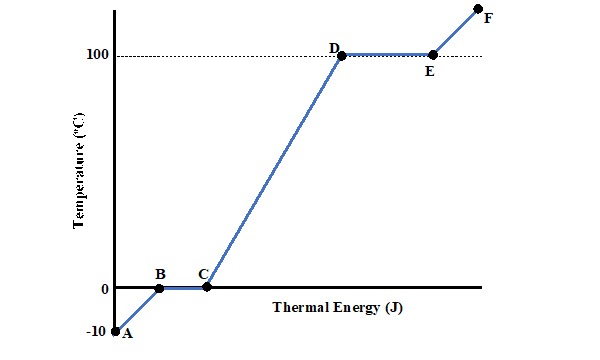
Between which two points is the gas heating up?
A ----> B
B <---- C
C ----> D
D ----> E
E ----> F


What is the formula for Boyle's Law?
P1V1=P2V2
V1/T1=V2/T2
for Boyle's Law - When pressure increases then the Volume must...
Increase (direct)
decrease (indirect)
When Volume increases then Pressure must...
Increase (direct)
Decrease (indirect)
What is the formula Charles' Law?
V1 / T1 = V2 / T2
P1V1 = P2V2
What causes the pressure to increase if more gas particles are added to a closed container?
an increase in the number of collisions between the gas and the container walls
a decrease in the volume of the container
a decrease in the size of each particle as the number of particles increases
an increase in the number of collisions between air particles and the outside of the container
2.When first blown up, a balloon is firm because of the air pressure inside it. However, after time, the balloon becomes soft as the air pressure inside drops. What could have caused the air pressure to decrease?
increase in air temperature
decrease in the balloon's volume
decrease in the number of air particles as they leaded out of the balloon
a chemical reaction between the air particles & the balloon
3.A gas has a volume of 15 L, a temperature of 300 K, and an unknown initial pressure. Then, the gas expands to 30 L, remains at 300 K, and has a pressure of 300 kPa. What was the initial pressure of the gas?
150 kPa
600 kPa
330 kPa
570 kPa
According to Charles’s law, the relationship between the temperature and the volume of a gas is
direct
inverse
exponential
inverse square
When the temperature of the gas in closed container is increased, the pressure increases.
True
False

The volume of the ideal gas in the container is 9 m3. What would the volume be if four more blocks were placed on top of the lid of the container with the temperature of the gas kept constant? (The lid itself has a mass equal to that of two blocks.)
81
18
4.5
3

Which of the following graphs correctly represents the relationship between the pressure and the volume of an ideal gas that is held at constant temperature?
A
B
C
D

The temperature of the ideal gas in the container shown is 300 K. The gas occupies a volume of 1.27 m3. What would be the volume of the gas if its temperature were decreased to 100 K? No blocks are added to or removed from the lid.
0.423
.635
1.27
3.81

Which of the following graphs correctly represents the relationship between the temperature and the volume of an ideal gas that is held at constant pressure?
A
B
C
D
The volume of an ideal gas in a container is 2.0 L. What will be the volume of the gas if the pressure on the container is doubled while the temperature is reduced from 400 K to 200 K?
0.5
2.0
4.0
8.0

