
 Worksheets
Cell Practice Honors
Total questions: 104
Worksheet time: 26hrs 0mins
Which is true of prokaryotic and eukaryotic cells?
Prokaryotic cells are larger than eukaryotic cells.
Eukaryotic cells do not have nuclei, and prokaryotic cells do have nuclei.
Prokaryotic cells lack membrane-bound organelles, and eukaryotic cells contain membrane-bound organelles.
Eukaryotic cells are simpler than prokaryotic cells.


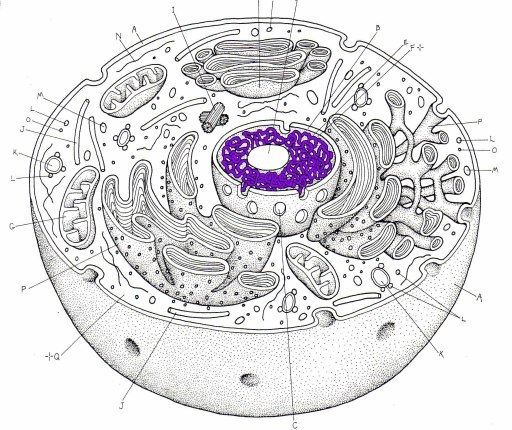


All of the following are Eukaryotic EXCEPT . . . .
animal cells
plant cells
fungi
bacteria

What part of a plant cell stores water?
lysosome
vacuole
golgi body
ribosomes

Check All That Apply: Prokaryotic Cells , like e.coli bacteria, have which types of structures to classify them as living?
nucleus
ribosomes
cytoplasm
DNA
Which statement was NOT included in cell theory?
All living things are composed of cells.
Living cells come only from other living cells.
Each cell contains a cell membrane, cytoplasm, nucleus, mitochondria, and endoplasmic reticulum.
Cells are the smallest structure of living things that can perform the functions necessary for life.
This early cell theory scientist looked in a microscope and discovered "animalcules" in the gunk from his teeth and pond water.
Schleiden
Leeowenhoek
Hooke
Virchow
Schwann
Which phrase best describes the function of mitochondria?
Located in the cytoplasm
Bacteria-sized organelle
Converts energy for cell use
Contains a folded inner membrane
Which cell organelle stores DNA?
Cell wall
Cell membrane
Vacuole
Nucleus
Which of the following statements accurately represents the differences in plant and animal cells?
Only plant cells have a cell wall, chloroplasts, and a large vacuole.
Only animal cells have a cell wall, chloroplasts, and a large vacuole
Only plant cells have a cell membrane, mitochondria, and cytoplasm
Only animal cells have a cell membrane, mitochondria, and cytoplasm
The primary function f the chloroplast is to-
convert food into energy a cell can use
control the functions of a cell and control genetic traits
convert radiant energy into chemical energy through photosynthesis
store water and nutrients
Students observed cells under the microscope. They observed that the cells had a cell wall, cell membrane, nucleus, and many chloroplasts. Which observation helps students identify the type of cell observed?
The presence of a nucleus means the cells are from a plant.
The presence of a cell membrane means that the cells are from an animal
The presence of chloroplasts means that the cells are from a plant
The presence of a cell wall means that the cells are from an animal
In what ways do plant and animal cells differ?
Plant cells have cell walls and chloroplasts.
Animal cells have cell walls and chloroplasts.
Plant cells have a nucleus and mitochondria.
Animal cells have a nucleus and mitochondria.

Which structures shown in the above diagram are most useful for identifying this type of cell?
I, II, V
I, IV, V
I, III, IV
All structures are helpful to identify this cell
Prokaryote are ______.
bacteria
fungi
large in size
complex cells
What is something that Prokaryotes and Eukaryote both have in common?
small in size
bacteria
have DNA
complex cells
Mitochondria is ______.
Responsible for making energy (ATP) needed for the cell
the site of cell respiration
Found in animal and plant cells
All of the above
Flagella are found in Prokaryotes and animal cells and have a ________ shaped tail used for locamotion.
whip like
star
heart
triangle
Nucleolus is found inside the nucleus, of Eukaryotes only, and makes _____.
ribosomes
cilia
flagella
prokaryotes
There are two types of Endoplasmic Reticulum, smooth and rough. They ______.
make energy
protect the cell
carry out chemical reactions and transports materials
make the ribosomes
Lysosomes are found in Eukaryotes only. They ____.
Carries out chemical reactions and transports materials
Excretes stuff in and out using transport membranes called vesicles
Sorts, packages, and modifies proteins to be sent in or out of the cell
Contain enzymes which digest waste materials
Centrioles are found only in animal cells. They ____.
Help with cell division
make the ribosomes
carry out chemical reactions and transports materials
are used for locamotion

Which type of cell?
Prokaryote
Eukaryote
Where is the DNA found in a prokaryotic cell?
In the nucleus
In the mitochondria
Floating around in the cytoplasm
In the ribosome

In what organelle is the genetic material found inside?
Nucleus
endoplasmic reticulum
Mitochondria
Lysosome

What is the function of this organelle?
Sac that stores water, nutrients, and waste products
Regulates what enters and leaves the cell
Structures that transport and ship proteins like UPS
Cite of cellular respiration also known as the powerhouse of the cell

I store water in both plant and animal cells. What am I?
Mitochondria
Lysosome
Vacuole
Cytoplasm
What can only be found in plant cells?
Chloroplast
Vacuole
Nucleus
Cell membrane
Bacteria are a type of...
Prokaryote
Eukaryote
Both
What cell part is NOT found in all cells
Cytoplasm
Genetic material
Cell membrane
Cell wall

What is the function of this part of the cell?
Structure
Flexability
Regulates what comes in and out of the cell
Stores genetic information
Where are proteins made?
Golgi Body
Ribosomes
Chromosomes
Mitochondria

This cell would be classified as a(n) ________________ cell.
Prokaryotic
Eukaryotic
Both
The _____________ holds the DNA, and controls the functions of eukaryotic cells.
Nuclear membrane
Nucleus
mitochondria
Lysosome

The 3 parts of the Cell Theory are...?
All living things are composed of cells
Cells are the basic units of structure and function in living things
All cells are produced from other cells
All living things are composed of cells
Cells are the basic units of dance and vibes in living things
All cells are destroyed from other aliens
All living things are composed of Jell-O
Cells are the basic units of structure and function in living things
All cells are produced from factories in Canada
All living things are composed of cells
Cells do karate and practice eating whole pies in their free time
All cells are produced from other cells
What does it mean to say that a cell membrane is semipermeable?
it allows some materials to pass through
it allows nothing to enter the cell, only to leave
It only allows things into the cell and not out
it allows all materials to pass through
What is the function of an organelle?
to take up space
to carry out a specific function in the cell
to carry out all the functions of a cell
to create new cells
What organelle do many ribosomes connect themselves to?
lysosome
mitochondria
endoplasmic reticulum
golgi apparatus
Which organelle uses enzymes to break down waste in a cell?
Lysosome
Ribosome
Chloroplast
Golgi Apparatus
Which of the following is not one of the 5 things all cells have?
cell membrane
cytoplasm
DNA
nucleus
What is the difference the key difference between prokaryotic and eukaryotic cells?
Prokaryotes have a nucleus, Eukaryotes do not
Eukaryotes have a nucleus, Prokaryotes do not
Prokaryotes have a cell membrane, Eukaryotes do not
Eukaryotes have ribosomes, Prokaryotes do not
Which of the following organelles do plants have that animals to not? (Select all that apply)
Cell wall
Golgi Apparatus
Endoplasmic Reticulum
Chloroplasts
Ribosomes
Which organelle provides structure and protection to plant cells?
cell membrane
ribosome
golgi apparatus
cell wall
Which of the following is not part of the nucleus?
Chromatin
Centrioles
Nuclear Envelope
Nuclear Pores
Nucleolus

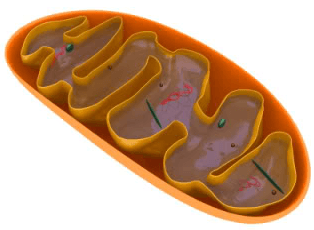
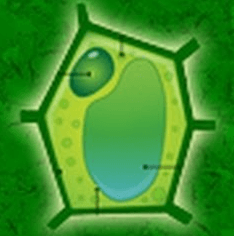
What type of cell is this?
Plant
Animal
Prokaryote

What type of cell is this?
Plant
Animal
Prokaryote

What type of cell is this?
Plant
Animal
Prokaryote


What does it mean to say that a cell membrane is semipermeable?
it allows some materials to pass through
it allows nothing to enter the cell, only to leave
It only allows things into the cell and not out
it allows all materials to pass through
Choose the correct order of the levels of organization in the body from smallest to largest.
Cells - Tissues - Organs - Organ Systems - Organism
Tissues - Cells - Organ Systems - Organs - Organism
Organism - Organ Systems - Organs - Tissues - Cells
Organs - Tissues - Cells - Organism - Organ Systems
Two or more organs working together to perform a function is called a(n):
Organ System
Organism
Tissue
Organelle


Which organelle transports, modifies, sorts, and ships the products made by a cell?
lysosome
mitochondria
ribosome
Golgi apparatus
Which organelle has a function which varies depending on the cell type; could include synthesis of lipids, storage of Calcium, and detoxification?
smooth ER
rough ER
secretory vesicle
lysosome

