
 Worksheets
QSE 1 Review
Total questions: 56
Worksheet time: 32mins
Which group had a racial hatred of immigrants since they took jobs from Americans for lower wages?
Nativists
Political Bosses
Miners
Labor Leaders
Which law gave farmland to citizens in order to move to the Great Plains?
Sherman Anti-Trust Act
Stamp Act
Dawes Act
Homestead Act
Which group provided basic services for immigrants & the poor for votes & made illegal fortunes
Nativists
Labor Unions
Political Machines
Robber Barons
TRUE OR FALSE: Robber Barons lived in filthy, overcrowded apartments with one toilet per floor
True
False
Which is NOT a conclusion that can be made about the transcontinental railroad?
Goods were transported across the country
Travel across the country was possible
Populations in the west increased
Railroads reduced the size of the United States
Which of the following was not a pull factor for immigrant coming to the US?
Opportunity
Oppression
Cultural Ties
Freedom
During the late 19th century, most immigrants to the U.S. found work as
Educated professionals
Farm workers
Factory/sweatshop workers
Scientists
In the late 1800's, which was NOT a reason Congress passed restrictions on Chinese immigrants?
Chinese immigrants took jobs
Nativists hate
Chinese immigrants were moving east
Chinese workers took lower pay
Which group believed in survival of the fittest and people were naturally selected to succeed?
Social Darwinism
Anglo-Saxonism
Nationalism
Socialism
(a) wrote "Southern Horrors" and exposed the horrors of lynching in the American South. Was also a co-founder of the NAACP.
Which of the following men were considered "robber barons" or "captains of industry"? Select ALL that apply.
Andrew Carnegie
J.P. Morgan
John D. Rockefeller
Theodore Roosevelt
The creation of a transcontinental railroad linking the east and west coasts of the United States had the greatest impact on which aspect of American history?
Politics
Economics
Society
Geography
Which law expanded competition and eliminated trusts and monopolies?
Interstate Commerce Act
Homestead Act
Sherman Anti-Trust Act
Dawes Act
Which of the following is a pro of big business?
Creates jobs
Eliminates competition
Control's all aspects of production
Rises prices on consumers
Which of the following inventions helped farmers meet high demands for food and lowered the cost of production?
Steel Plow
Lightbulb
Bessemer Process
Telephone
Which two groups accounted for the majority of factory/sweatshop workers during the Gilded Age?
Women
Children
Elderly
Men
Which of the following was a push factor in Irish immigration to the United States?
The potato famine
Ango-Irish War of 1806
High standard of living in Ireland
High wages in Ireland
This law attempted to assimilate Native Americans by forcing them onto reservations and to become farmers to support themselves.
American Indian Act
Homestead Act
Dawes Act
Interstate Commerce Act
The cattle boom led to the expansion of which of the following industries?
Railroad
Meatpacking
Textile
Steel
The Homestead Act led to the creation of...
Agricultural communities in cities
Agricultural communities on the frontier
Agricultural communities near the coast
Agricultural communities in the desert

What process is being shown by this image?
Acculturation
Assimiliation
Anglo-Saxonism
Social Darwinism
What belief inspired Americans to move west and control the land from coast to coast?
Manifest Destiny
Roosevelt Corollary
Monroe Doctrine
Anglo-Saxonism
Choose the terms that best complete this statement.
During the Gilded Age, most people moved from _______ to ______ areas to find work.
rural, urban
urban, rural
rural, seaside
desert, urban
The creation of tall skyscrapers and wide bridges were a direct result of the...
Bessemer Process
Lightbulb
Steel Plow
Telephone
Overcrowding and a lack of basic social services are a direct result of...
Urbanization
Ruralization
Desertification
Russification
Which of the following are cons of big business? Select all that apply.
High prices for consumers
Elimination of competition
More jobs for Americans
Unfair business practices
As a result of industrialization in the United States...
more people moved to cities looking for work in factories
all children started attending free public schools
women were able to stay home and care for families
jobs in factories decreased
The Knights of Labor and American Federation of Labor advocated for all of the following except
Longer work days
End to Child Labor
Better pay for workers
Better working conditions in factories
How did the railroads led to the cattle boom?
Railroads made it easier to transport cattle to slaughterhouses
Railroads took away land needed to raise cattle
Railroad companies needed more beef to feed workers
Railroads set high prices for farmers hurting their cattle farms
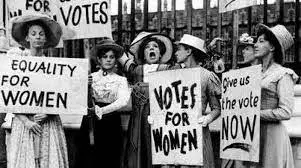
What amendment best supports the content of the image?
18th
13th
19th
17th
The term muckraker was used during the Progressive Era to describe writers who
supported limits on government regulation
wanted the United States to ban all immigration
exposed abuses in American society
promoted racial integration efforts
In the early 20th century, muckrakers were able to influence American society mainly by
organizing demonstrations in large cities
lobbying members of Congress
contributing to presidential campaigns election
exposing corruption in the government, business, and society
This social reformer helped found in the NAACP and was a supporter of Pan-Africanism
Homer Plessy
W.E.B. DuBois
Booker T. Washington
Ida B. Wells
Congress passed the Sherman Antitrust Act (1890) in response to
foreign influences on the United States economy
public demand for better roads
monopolistic practices that were harmful to small businesses
the failure of federal banks to provide loans to individuals
Which statement best summarizes the perspective of President Theodore Roosevelt concerning natural resources?
Decisions about conservation are best left to the states.
Corporations can be trusted to use natural resources wisely.
The federal government must protect the nation’s lands from exploitation.
The free market should set the value of the nation’s natural resources.
To reduce the wealth gap between the rich and poor, the federal government implemented
the Federal Reserve System
the power of referendum and recall
a graduated income tax
the Federal Trade Commission
The use of processes such as initiative, referendum, and recall were efforts made during the Progressive Era to
preserve the power of political machines
provide equal political rights for Native American Indians
protect States rights against federal power
increase citizen participation in government
During the late 1800s, political machines controlled the governments of many cities by
denying voting rights to immigrants
attracting dissatisfied voters from the two major political parties
using corrupt practices and patronage
favoring civil service reform
During the Progressive Era, direct elections were adopted to
raise additional campaign funds for candidates
increase the power of voters in the political process
strengthen the role of political machines
expand the power of the federal government
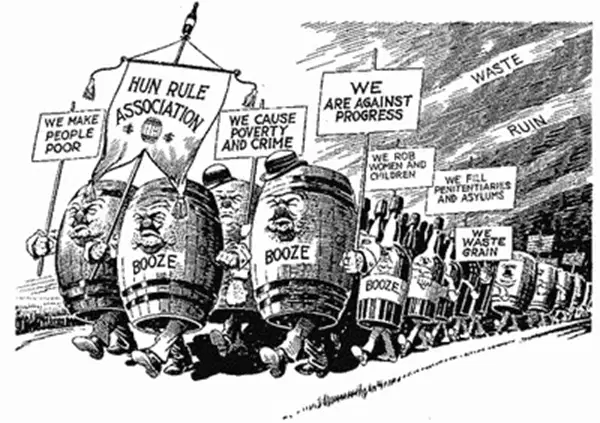
This image best represents the goals of which amendment?
18th
16th
17th
19th
This social reformer promoted vocational training and high character before gaining equal treatment
Booker T. Washington
W.E.B. DuBois
Ida B. Wells
Homer Plessy

Which laws are a direct result of the events shown in the political cartoon?
Pure Food and Drug Act
Meat Inspection Act
Sherman Anti-Trust Act
Pendleton Act
(a) wrote The Jungle, which exposed unsanitary conditions in the meatpacking industry.
Why did the population shift in the United States during the Gilded Age? Select all that apply.
Farmers could not make it on the harsh frontier
Immigrants moved to the United States looking for work
An economic depression caused many Americans to move to Canada
An economic boom led to increased immigration from Canada
Which of the following terms best describes the government's policy toward big business which allowed entrepreneurs to expand businesses with little to no oversight?
Laissez-Faire
Hands-Off
Unrestricted Economics
Anti-Trust Economics
Federal laws like the Sherman Anti-Trust Act were to stop (a) from engaging in unfair practices that prevented competiton.
What problems did the government's policy of laissez faire economics cause? Select ALL that apply.
decreased competition
rise of monopolies, trusts, and corporations
higher prices for consumers
What was a common goal of the Interstate Commerce Act and the Sherman Anti-Trust Act?
limit the power of small businesses
increased government regulation of monopolies
increased government regulation of the steel industry
increased government regulation of farms
What industry was most impacted by the Interstate Commerce Act?
Meatpacking
Steel
Railroads
Electricty
Taft's Dollar Diplomacy emphasized which of the following ideas?
Use the strength of the American economy to build an empire
Use America's military force to build an empire
Use America's strong economy to prevent Europe from entering North America
Use America's military force to prevent Europe from entering North America
Which of the following expanded the Monroe Doctrine by stating United States would intervene with military force to preserve order in Latin America?
Roosevelt Corollary
Big Stick Diplomacy
Dollar Diplomacy
Open Door Policy
The (a) stated that Europe was not to interfere with North American affairs and America would not interfere with European colonies.
Theodore Roosevelt's approach to foreign policy that encouraged the United States to threaten military force to achieve its goals was known as
Roosevelt Corollary
Big Stick Diplomacy
Open Door Policy
Dollar Diplomacy
The (a) stated that the United States would engage in free and open trade in China, but led to increased competition between the U.S. and Europeans nations.
This social reformer advocated for immigrants and the poor by building settlement houses, like Hull House, in Chicago during the Progressive Era.
Jane Addams
Susan B. Anthony
Ida Tarbell
Ida B. Wells
This social reformer advocated for women's suffrage during the Progressive Era.
Susan B. Anthony
Jane Addams
Ida B. Wells
Ida Tarbell

