
 Worksheets
Risk Management and Structured Solutions in Commodity Markets
Total questions: 18
Worksheet time: 27mins

1. Risk Management should:
i) Be Reactive in its approach
ii) Consider only Tangible Assets
iii) Only focus on zero loss policy as risks do not present any business opportunity
iv) Be a focus of the Finance function so that the Business function can focus on profit-making activities
a. (i) and (ii)
b. (ii) and (iii)
c. (iv)
d. None of the above
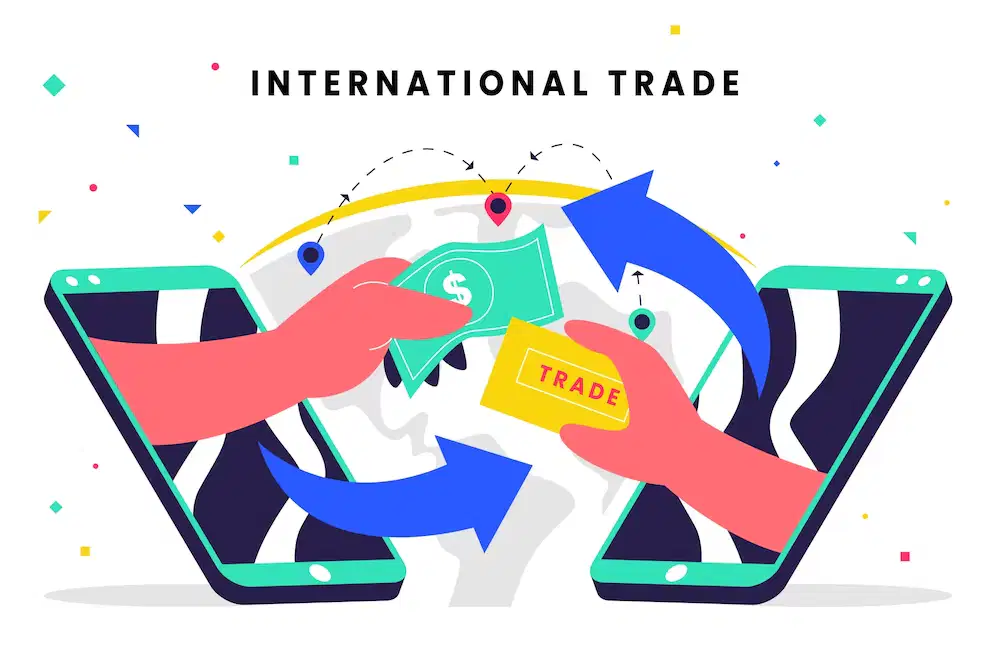
2. Which trade structure(s) is/are useful for a commodity trading company acting as middleman in sourcing and supplying goods and having tight liquidity situation:
i) Transferable LC
ii) Back-to-Back LC
iii) Buying on cash terms, selling on open account credit terms
a. (i) only
b. (ii) only
c. (i) and (ii)
d. All of the above

3. In an Advance Payment Guarantee/Standby LC used in commodity trades, the Applicant is usually the:
a. Importer
b. Exporter
c. The Insurance Company
d. The Importer's Bank

4. Which of the following would usually be applicable in a Tender contract involving long term supply of agri-commodities:
i) Bid Bond/Guarantee
ii) Performance Bond/Guarantee
iii) Guarantee in lieu of rental deposit for rental of Importer’s office spaces
iv) Advance Payment Guarantee
a. (i), (ii) and (iii)
b. (i), (ii) and (iv)
c. (i), (iii) and (iv)
d. (i), (ii), (iii) and (iv)
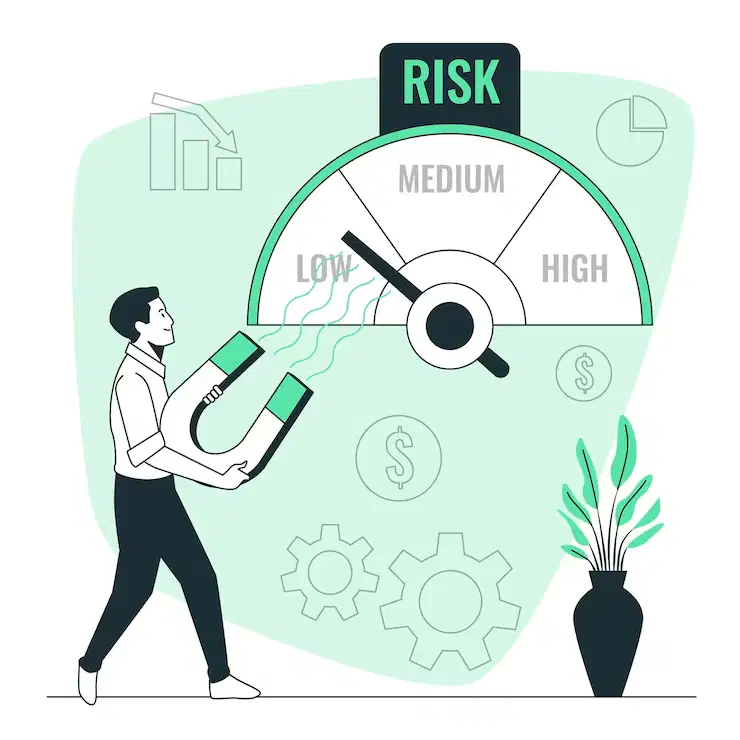
5. Which of the following are sound Principles in a Risk Management framework:
i) Value Preservation
ii) Value Creation
iii) Consider only Quantitative parameters
iv) Take into account qualitative factors such as human, cultural etc
a. (i) and (ii)
b. (i), (ii) and (iv)
c. (i), (ii) and (iii)
d. (ii), (iii) and (iv)

6. What key factors did the Covid Pandemic highlight to players in Trade in terms of Risk and Risk Management:
i) Having access to adequate and diversified liquidity and working capital solutions including for contingent requirements is critical
ii) Importance of relying on few key suppliers
iii) Providing competitive payment terms to Buyers to capture greater market share
iv) Need for sound Risk Management policies and practices to tide through normal as well as crisis situations
a. (i) only
b. (iv) only
c. All of the above
d. (i) and (iv)

7. Select the considerations of the bank when issuing the Back to Back LC on behalf of middlemen engaged in commodity trading:
i) Terms and conditions in both the LCs should match as much as possible
ii) Foreign reserves of the Issuing Bank's country of the "master/mother" LC
iii) Financial strength of the Issuing Bank of the "master/mother" LC
iv) Middleman's experience and expertise in Back-to-Back LC transactions
a. (i), (ii) and (iii)
b. All of the above
c. (ii) and (iii)
d. (i), (ii) and (iv)
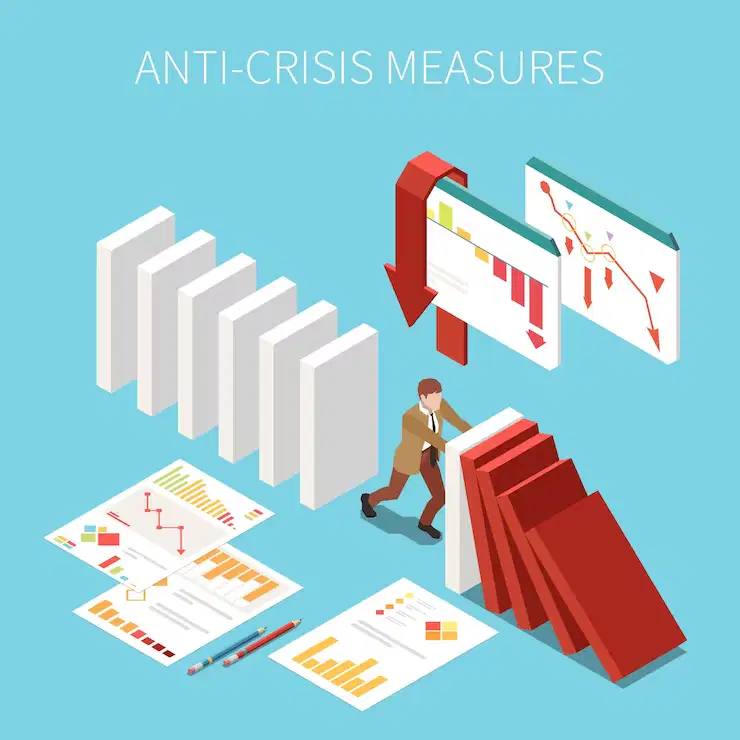
8. Which of the following risks can be managed or mitigated in trading activities:
i) Counterparty risk
ii) Bank risk of LC Issuing Bank
iii) Sovereign risks associated with country of Importer
iv) Cargo risk
a. (i), (ii) and (iii) only
b. (ii), (iii) and (iv)
c. (i), (ii) and (iv) only
d. All of the above

9. Under a Confirmed Letter of Credit (LC) utilized in commodity trades, which of the following are applicable:
(i) A Confirming Bank only pays the Beneficiary when the Applicant pays
(ii) A Confirming Bank only pays the Beneficiary when the Issuing Bank pays
(iii) The Confirmed LC is useful when the Issuing Bank is seen as financially weak
(iv) The Confirmed LC can reduce payment risk arising from political issues in the Issuing Bank's country
a. (ii) and (iii)
b. (i) and (iii)
c. (iii) and (iv) only
d. (iv) only
10. A trading entity (Exporter) bears entire risk of non-payment by its trading counterpart (Importer) and such risk cannot be mitigated.
a. True
b. False
11. Which of the following would you consider to be key drivers and requirements of commodity trading companies:
i) Need for liquidity and working capital
ii) Need for risk management solutions
iii) Need for stable and reliable supply source of commodities
iv) Need for speculative instruments to make quick and large profits
a. (i) and (ii) only
b. (i), (ii) and (iii) only
c. (ii) and (iii)
d. All of the above
12. In financing involving Collateral Management Agreement (CMA), which of the following are useful for the commodity trader:
i) Provides working capital solution at point of origin of commodity sourcing
ii) Provides working capital solution for delivery of commodity at destinations
iii) Provides working capital solution to commodity trading company unconditionally
a. (i) and (ii)
b. (i), (ii) and (iii)
c. (ii) and (iii)
d. All of the above

13) Risk Management in a Commodity Trading Company is the responsibility of :
a. The Risk Manager
b. The Finance Manager
c. The Trader
d. All of the Above
14. Which of the following are applicable about Risk Management:
(i) Applies to Operational aspects
(ii) Applies to Financial aspects
(iii) Can involve Reputational aspects
(iv) Applies to Tangible Assets only
a. (i) and (ii)
b. (i), (ii) and (iii)
c. (i) and (iii)
d. (ii) and (iii)

15. Which of the following are risks in Trade transactions:
i) Procuring Trade Credit Insurance by the Exporter
ii) Trade (buy and sell goods) in different currencies to take advantage of possible currency appreciation
iii) Shipment to a port in sanctioned country which has high demand for goods hence better profits
iv) Selling under Confirmed Letter of Credit (LC) terms for sales to country with political problems
a. (i), (ii) and (iii)
b. (ii) only
c. (iii) only
d. (ii) and (iii) only

16. Advance Payment arrangements in trade are often useful in mitigating risks in trade transactions.
Under which of the following situations can Advance Payment terms be expected:
i) There are economic and foreign exchange problems in country of Importer
ii) Importer is well known to Exporter and has good payment record
iii) Financial condition of Importer is not known
iv) Importer has a strong negotiating power
a. (i) and (iii)
b. (i) only
c. (iii) only
d. (i), (iii) and (iv)
17. Which of the following could give rise to complications and problems in International (cross-border) trade transactions:
i) Currency controls in country of Importer to pay for Imports
ii) Shipment of hazardous goods
iii) Absence of Phytosanitary Certificate compulsorily required for certain agri-commodities
iv) Shipment of goods having environmentally-sensitive origins
a. (i), (ii) and (iii)
b. (i), (iii) and (iv)
c. (ii), (iii) and (iv)
d. All of the above

18. Cyber risks can impact a Commodity trading company via:
i) Reputational damage
ii) Fines, Litigation costs and Financial losses
iii) Increasing trading volumes of the Company
iv) Operational Interruptions
a. (i), (ii) and (iii)
b. (ii) and (iv)
c. (i), (ii) and (iv)
d. All of the above

