
Font size
 Worksheets
BM#1-Remediation
Total questions: 50
Worksheet time: 3hrs 7mins
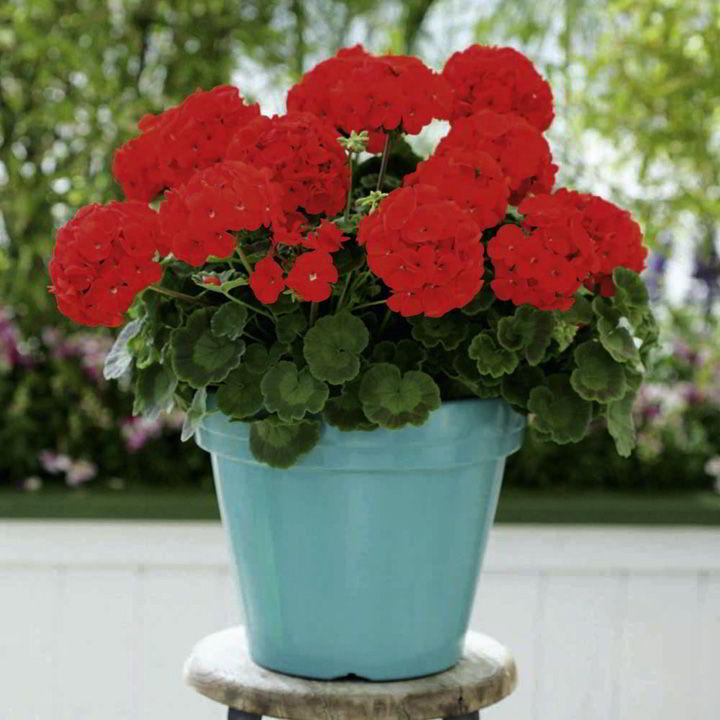
Susan said, “If I fertilize my geranium plants, then they will have more flowers.”
recognize a problem
test the hypothesis with an experiment
form a hypothesis
draw conclusions
What is the scientific method?
A series of steps and procedures used to solve a problem through testing and experimentation.
A series of steps and procedures used to validate a theory.
A series of steps and procedures used to solve a problem through educated guessing.
A series of steps and procedures used to solve problems through utilizing technology
Which variable happens in a condition that is manipulated, or changed.
Dependent Variable
Independent Variable
Descriptive data that includes sights, sounds, and smells.
Quantitative Data
Qualitative Data
Set the steps of the Scientific Method in the right order:
Make an Observation / Question
Hypothesis
Experiment
Collect and Analyze Data
Conclusion /Report findings
What does RENEWABLE mean?
able to be replaced
to put money or resources toward something
to move forward
to increase to the greatest possible amount
SUSTAINABILITY means ...
causing pollution.
maintaining the world we live in.
chopping down trees.
manufacturing sellable items.
Sustainability is making sure that the planet and its resources can continue to provide life.
True
False
Which of these things are you most likely to NOT find in a sustainable home?
renewable resource
can be replaced
limited amounts
is being used up too quickly
non-renewable resource
can be replaced
limited amounts
there is plenty of
Any resource replaced by natural processes more quickly than it is consumed is a:
Nonrenewable Resource
Renewable Resource
Endemic Resource
Natural Resource
Any natural resource available in limited amounts or replaced extremely slowly by natural processes is called:
Nonrenewable Resources
Renewable Resources
Endemic Resources
Natural Resources
The use of a resource at a rate that can be replaced or recycled is called ____________ use.
biological
unsustainable
sustainable
medicinal
Manipulating (changing) data
Abiotic means
living
nonliving
What is the difference between the biotic and abiotic factors?
Biotic factors are living things and abiotic factors are nonliving things.
Biotic factors are nonliving things and abiotic factors are living things.
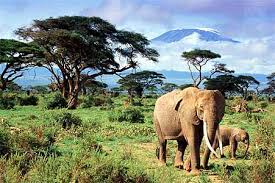
What are the biotic factors in this image?
sunlight, elephants, and grasses
sunlight, water, and air
elephants, plants, trees
A claim is ______________________________.
examples, data, facts, and information.
a fact.
a debatable statement that can be supported with evidence.
an answer to a question.
Reasoning is __________________.
A statement of conclusion that answers the original question/problem.
Scientific data that supports the claim
Explains why and how the evidence actually connects and supports the claim.
Empirical Evidence

Which piece of evidence could be used to BEST support this claim:
High school students should be required to wear uniforms.
When adding everything up, a school uniform could end up costing more than $200.
A student reported, "Allowing us to wear our own clothes gives us a chance to show our unique style and independence."
At one school that recently required students to wear uniforms, attendence rates went up, and behavior incidents went down.
School uniforms can be ordered online .
Students should be required to do community service.
Evidence statement
Claim statement
Reasoning statement

The size of the human population began to increase exponentially after the
bubonic plague
development of plowing and irrigation
Industrial Revolution
development of the first cities.
The rapid development of industry that occurred in Britain in the late 18th and 19th centuries, brought about by the introduction of machinery was the..
French Revolution
Enlightenment
Imperialism
Industrial Revolution
Abiotic means
living
nonliving
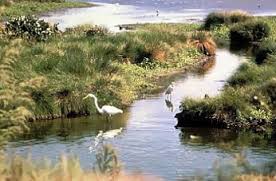
What are the abiotic factors in this image?
water, sunlight, dirt, air
birds, trees, and sunlight
water, trees, and birds
Lizards and cacti are biotic factors in a desert ecosystem that would rely on which abiotic factors?
insects and sun
water and insects
snakes and temperature
water and soil
Which is an example of an abiotic factor in a pond environment?
The water
A frog
A grasshopper
A snake
Which is an example of a biotic factor in the environment?
The climate in the region
Carnivores that consume other animals
Amount of helium gas in the air
Flow of water in a river
Which of the following shows an abiotic factor interacting with a biotic factor in the environment?
Lamprey eels survive by attaching themselves to trout.
Water temperature affects its oxygen level.
Low light intensity affects the growth of forest pine trees.
Gypsy moth caterpillars eat the leaves of apple tree.
Which of the following is an abiotic factor that could affect biotic factors?
Population of rabbits.
Length of daylight.
Presence of harmful bacteria.
Number of herbivores.

High Biodiversity is...
having a lot of the same organism.
having a lot of abiotic factors.
having a large variety of different organisms.

Sustainability is making sure that the planet and its resources can continue to provide life for generations to come
True
False
Which of these problems could happen if we don't look after the resources we have?
Loss of animal homes
Climate change
Increase in pollution
All of the above

What describes how varied living things are in a specific area?
stability
biodiversity
equilibrium
What is the role of a dependent variable in an experiment?
It is the variable that is changed or controlled
It is the variable that is measured and affected
It is the variable that remains constant
It is the variable that is used as a control
What is a renewable resource?
The ability to recover after a disturbance
Using resources that preserve ecosystem services
resource that can be produced or replaced by healthy ecosystems functions
resource that cannot be replenished or replaced by a natural process within a reasonable amount of time

Biodiversity, aka biological diversity, usually refers to
the same species in a general location
the number of different species in a given area
the number of animal species in a given area
the number of plant species in a given area
How is the current decline in biodiversity different from the previous mass extinctions that Earth has experienced?
It is happening much more slowly
This time it is not really happening
It is made worse by an asteroid hitting Earth
This is being caused by humans

