Worksheets
Unit 3: Human Body Systems Review
Total questions: 175
Worksheet time: 1hrs 28mins
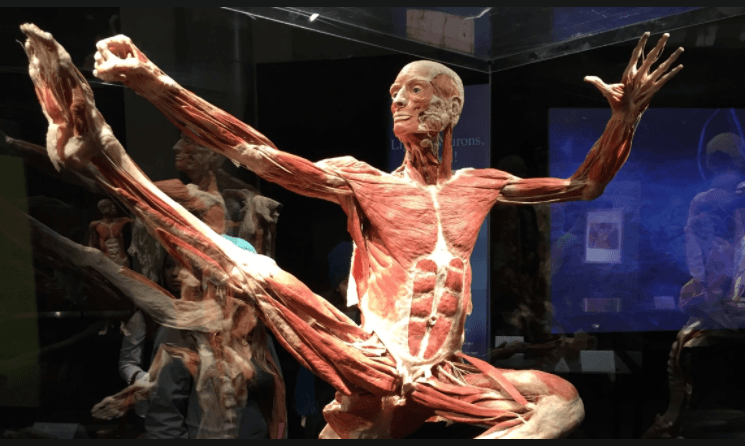
Muscles that help the skeleton move...
cardiac muscles
skeletal muscles
smooth muscles
involuntary muscles
Which of the following organs functions as both a respiratory organ and an excretory organ?
the liver
the lungs
the skin
the kidneys
The blood vessels carry nutrients (like glucose) and oxygen to the muscle cells that need them. Blood vessels take away CO2 and waste from muscle cells.
Cardiovascular/Circulatory & Muscular
Cardiovascular/Circulatory & Excretory
Respiratory & Muscular
The brain checks the amount of CO2 in the blood and adjusts the rate of breathing. The brain "communicates" with the lungs using nerves from the brain to the lungs.
Cardiovascular/Circulatory & Respiratory
Nervous & Cardiovascular/Circulatory
Nervous & Respiratory
The brain tells the stomach, intestines, and liver when to be active and when to rest. Messages to and from the brain decide when it's time to process food.
Nervous & Excretory
Nervous & Digestive
Cardiovascular/Circulatory & Digestive
Blood vessels deliver nutrients and oxygen for all the intestinal cells to function. Blood vessels then pick up the nutrients absorbed by the intestines and carry them away to other parts of the body that need them.
Cardiovascular/Circulatory & Excretory
Cardiovascular/Circulatory & Digestive
Cardiovascular/Circulatory & Nervous
Muscles in the intestines continually contract and break down food into nutrients the body can absorb.
Nervous & Muscular
Digestive & Muscular
Muscular & Excretory
Red blood cells go to the lungs to remove CO2 and pick up O2 that has been inhaled. The heart pumps red blood cells carrying O2 from the lungs to all cells in the body.
Circulatory & Respiratory
Nervous & Circulatory
Respiratory & Excretory
A friend throws you a ball. Your brain tells your hands to move to catch the ball.
Nervous & Respiratory
Nervous & Skeletal
Nervous & Muscular
When you're running, you breathe harder and your heart rate increases (pumping more blood) to get more oxygen to your cells to create energy.
Cardiovascular/Circulatory & Nervous
Cardiovascular/Circulatory & Respiratory
Respiratory & Nervous
You fall off your skateboard and land on your chest. Your ribs protect your major organs and muscles from damage.
Skeletal & Nervous
Skeletal & Cardiovascular/Circulatory
Skeletal & Muscular
The function of the cardiovascular/circulatory system is to transport blood throughout the body. What organ provides the force (power) needed to transport or move the blood?
arteries
heart
blood
brain
Which two body systems are MOST useful when chewing, swallowing, and moving food throughout the digestive tract?
Digestive & Muscular
Digestive & Cardiovascular/
Circulatory
Digestive & Nervous
Digestive & Excretory
What two body systems are MOST useful when your lungs supply oxygen carried by blood to cells of the body?
Respiratory & Cardiovascular/
Circulatory
Cardiovascular/
Circulatory & Nervous
Nervous & Respiratory
Digestive & Respiratory
What waste product is removed by the respiratory system?
Carbon dioxide
Dihydrogen monoxide
Carbon monoxide
Sulfer dioxide
Lungs are...
Small blood vessels where materials are exchanged between the blood and the body’s cells (oxygen and carbon dioxide)
Where the exchange of gas occurs. Oxygen enters and carbon dioxide exits.
Muscular tube connecting the mouth to the stomach
Force pathogens out of the body
Which body system protects the organs of the body?
digestive
respiratory
skeletal
muscular
This organ is part of the digestive system.
lung
heart
brain
stomach
What is the function of the respiratory system?
To digest your food
To remove waste from the body
To take in oxygen and remove carbon dioxide
To fight disease
What is the function of the digestive system?
It transports blood and oxygen to your cells
It breaks down food so the nutrients can be absorbed by your body
It helps you breathe by taking in oxygen and transporting carbon dioxide out of your body
It helps you move
Which system in the human body includes the heart, blood, arteries, and veins?
cardiovascular/circulatory
muscular
digestive
respiratory
Which statement best describes the relationship between the nervous system and the muscular system?
The nervous system controls the muscular system.
The muscular system controls the nervous system.
The nervous system provides nutrients for the muscular system.
The muscular system provides nutrients for the nervous system.
In what way are the digestive and cardiovascular/circulatory systems alike?
Both protect organs in the body.
Both control movement of the body.
Both absorb gases or nutrients into the body.
Both provide structural support for the body.
Which two body systems work together to support the body and allow the body to move?
Cardiovascular/
Circulatory & respiratory
digestive & nervous
skeletal & muscular
Cardiovascular/
Circulatory & digestive
cardiovascular/
circulatory
Which of the following is a component of the cardiovascular/circulatory system?
heart
blood vessels
blood
all answers
From the smallest functional units to the largest, an organism is organized as follows:
cell, system, organ, tissue, organism.
organ, cell, tissue, system, organism.
system, organ, tissue, cell, organism.
cell, tissue, organ, system, organism.
Cardiovascular/
Circulatory System
The system in charge of transforming food into nutrients is
The respiratory system
The digestive system
The cardiovascular/
circulatory system
The excretory system
The Cardiovascular system is also called
digestive
circulatory
respiratory
excretory
The system in charge of removing cells' wastes from the body is called
Digestive
excretory
Respiratory
cardiovascular
Which 2 systems work together to provide the muscles with more oxygen during physical activity?
circulatory
digestive
excretory
respiratory
The system of hormones is called
Excretory
Endocrine
Digestive
Nervous
The stomach, liver and intestine belong to
The digestive system
The respiratory system
The excretory system
The circulatory system
The kidneys and bladder belong to
The excretory system
The digestive system
The respiratory system
The cardiovascular system
A group of specialized cells is called
An organ
A system
A tissue
An organism
A body part consisting of different tissues working together is called
A cell
An organ
A system
An organism
A group of organs working together is called
A tissue
A cell
A system
An organism
A bunch of organelles working together make up a
tissue
cell
organ
system
The system that gets rid of the water and carbon dioxide produced during respiration is
the digestive system
the excretory system
the respiratory system
the cardiovascular/circulatory system
The two systems in charge of regulation (monitoring and responding to changes in the environment) are:
Digestive
Skeletal
Nervous
Endocrine
What body system takes nutrients and oxygen to and carbon dioxide and waste from the cells?
cardiovascular/circulatory system
nervous system
digestive system
respiratory system
What body system breaks down food?
cardiovascular/circulatory system
nervous system
digestive system
respiratory system
The _______ is the basic building block of the human body.
organ
cell
tissue
system
cardiovascular/circulatory system
respiratory system
skeletal system
integumentary system
Which system takes oxygen into the body and expels carbon dioxide as we breathe?
Cardiovascular/circulatory system
Muscular system
Respiratory system
Digestive system
Which system transports oxygen throughout the body via heart and blood vessels?
Respiratory System
Muscular System
Excretory System
Cardiovascular/Circulatory System
The first part of the digestive tract is the ?
esophagus
stomach
small intestine
mouth
What does blood need to keep cells alive?
(a)
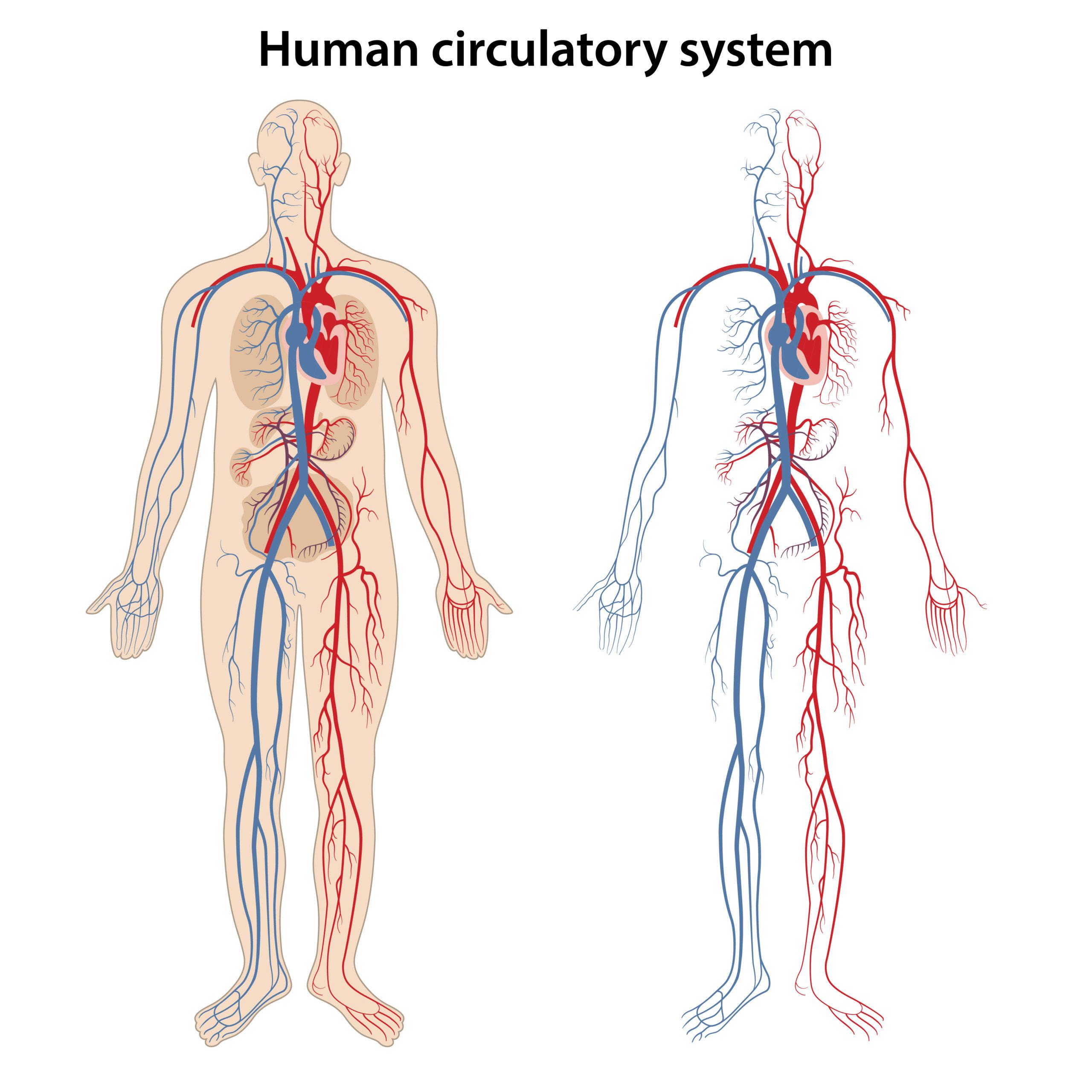
The circulatory system is....
responsible for bringing oxygen into your body and removing carbon dioxide.
the organs and tissues involved in circulating blood through the body
the smallest unit of life
A group of tissues that work together to perform closely related functions.
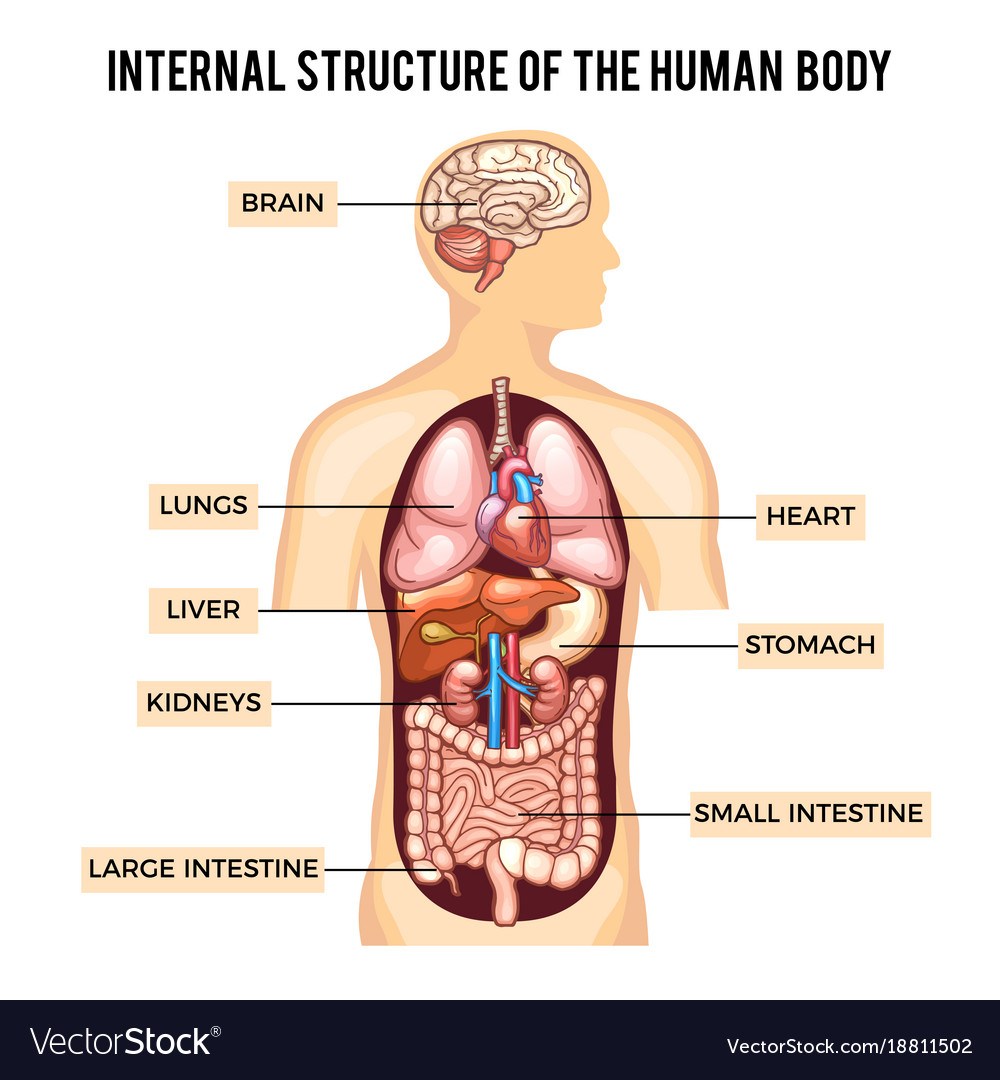
What is an organ?
A group of tissues that work together to perform closely related functions.
the network of nerve cells and fibers that transmits nerve impulses between parts of the body.
all of the bones and muscles in your body and responsible for body structure and movements.
responsible for providing your body with nutrients from food.
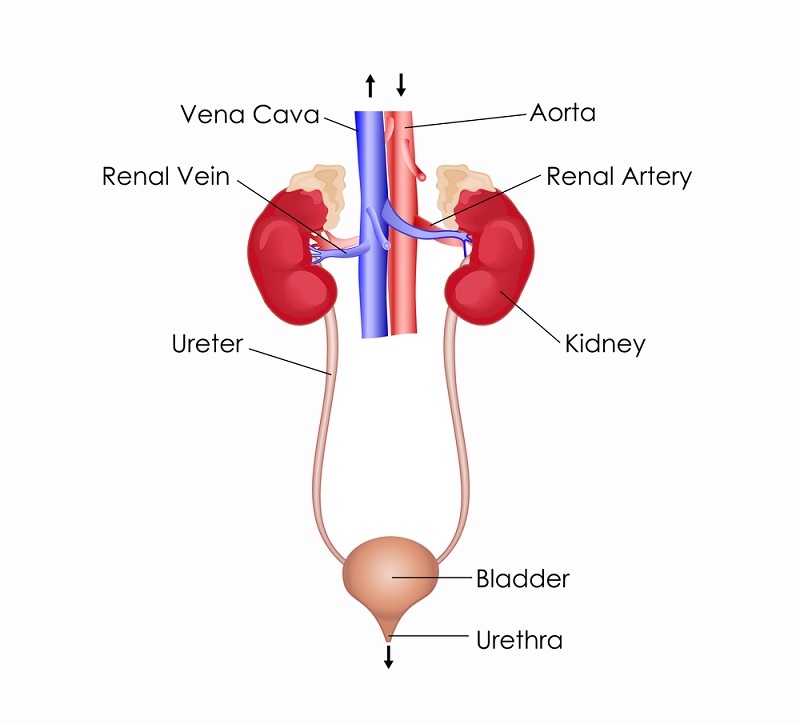
The excretory system is....
responsible for bringing oxygen into your body and removing carbon dioxide.
responsible for filtering your blood, removing wastes, and heating and cooling your body.
a living thing
the smallest unit of life

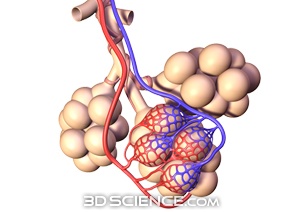
What is the function of the system pictured?
Helps pumps your blood through out your body.
Helps move and protect your body.
Helps take in oxygen and remove carbon dioxide.
Helps maintain body your temperature.
The runner's breakfast is being broken down into nutrients and delivered to cells. Which two systems are working together on that task?
Skeletal System
Digestive System
Circulatory System
Immune System
The painter's brain is interpreting what eyes are seeing and directing movement.
Which systems are working together to complete this task? (Choose more than one)
Nervous System
Digestive System
Respiratory System
Muscular System
Skeletal System
The muscular, skeletal, and ________________ system work together to help you write your notes.
digestive
immune
excretory
nervous
The integrumentary, skeletal, and ________________ system work together to shape, protect and support your body.
digestive
muscular
endocrine
nervous
Your circulatory and ______________ systems work together to get oxygen and bring it to your cells.
respiratory
integumentary
skeletal
digestive
The skeletal, integumentary, circulatory and _________________ systems work together to defend your body against bacteria, viruses, and infections.
digestive
excretory
immune
respiratory
True or False? The digestive, respiratory, circulatory, excretory, and muscular systems work together to break down food, bring nutrients to every cell in your body, and get rid of food waste.
True
False
The hockey player's breathing rate and heart rate increase, supplying more oxygen to her muscle cells. Which human body systems are working together during this action? (choose two)
digestive system
circulatory system
respiratory system
integumentary system
immune system
Which body systems work together to allow the body to move?
nervous and skeletal
muscular and skeletal
nervous and circulatory
muscular and circulatory
Which is most directly connected to the circulatory system?
nose
lungs
mouth
trachea
Which body system is responsible for supplying the body with oxygen and removing carbon dioxide?
nervous
digestive
muscular
respiratory
Which best describes how the muscular system impacts movement of the human body?
When a muscle expands, it pulls on the bone it is connected to and the bone moves.
When a muscle contracts, it pulls on the bone it is connected to and the bone moves.
When a muscle contracts, it pushes on the bone it is connected to and the bone moves.
When a muscle expands, it pushes on the bone it is connected to and the bone moves.
What roles do the muscular and respiratory systems serve in the body when someone lifts weights?
The muscular system allows the person to lift the weights, while the respiratory system provides oxygen to the body.
The muscular system provides oxygen to the body, while the respiratory system allows the person to lift the weights.
The muscular system provides nutrients to the blood, while the respiratory system provides sweat to cool the body.
The muscular system provides sweat to cool the body, while the respiratory system provides nutrients to the blood.
Which is an example of a function the muscular system performs?
Voluntary muscles pump blood through the body.
Skeletal muscles keep a body’s joints working properly.
Cardiac muscles move bones and hold a body’s skeleton in place.
Smooth muscles help move food through the organs they surround.
Which best compares the respiratory system to the circulatory system?
The respiratory system transports oxygen to cells, while the circulatory system provides oxygen for cells.
The respiratory system provides oxygen for cells, while the circulatory system transports oxygen to cells.
The respiratory system breaks down food for cell energy, while the circulatory system rids the body of waste.
The respiratory system rids the body of waste, while the circulatory system breaks down food for cell energy.
The circulatory system transports waste through the bloodstream. Which is the best example of another system working to remove waste from the body?
The respiratory system releases carbon dioxide.
The skeletal system produces new red blood cells.
The digestive system breaks down food into nutrients.
The nervous system send signals from the brain to the muscles.
Which best describes the purpose of the cardiovascular system?
It delivers blood to the body’s tissues.
It supplies stability to the skeleton.
It delivers food to power the body.
It supplies oxygen to the body.
Which best describes the relationship between the skeletal system and the circulatory system?
The skeletal system transports red blood cells after the circulatory system produces them.
The skeletal system protects red blood cells and the circulatory system pumps those cells through veins and arteries.
The skeletal system produces red blood cells and the circulatory system transports those cells where they need to go.
The skeletal system helps put oxygen in red blood cells and the circulatory system helps those cells rid the body of carbon dioxide.
Which is responsible for providing oxygen to cells?
skeletal system
digestive system
muscular system
circulatory system
Which best describes the relationship between the cardiovascular system and the muscular system?
The cardiovascular system captures carbon dioxide from the air for muscle energy.
The cardiovascular system produces red blood cells to bring oxygen to muscles.
The cardiovascular system provides a framework for muscle movement.
The cardiovascular system delivers oxygen for muscle energy.
Which system is controlled by involuntary muscle movement in the diaphragm?
digestive
respiratory
cardiovascular
Which best describes a function of the circulatory system?
transport blood
provide oxygen
help the body move
Which body system’s main purpose is to help the body move?
digestive system
muscular system
respiratory system
In which system of the human body does the heart belong?
skeletal system
respiratory system
cardiovascular system
What is the main function of the skeletal system?
clean the body
support the body
deliver nutrients to the body
Which best explains how the muscular system relies on the respiratory system?
The respiratory system cools the muscular system.
The respiratory system acts as the support system for the muscular system.
The respiratory system brings oxygen into the body for the muscular system to use.

The table below describes some human body systems.
Which row provides correct information?
1
2
3
4
Which three systems help to eliminate waste?
excretory, digestive, skeletal
respiratory, digestive, circulatory
digestive, excretory, respiratory
A body part made of different kinds of tissues that work together to perform a particular job is _____.
a tissue
an organ system
a muscle
an organ
The bundle of nerve tissue that carries messages to and from the brain is the _____.
esophagus
spinal cord
alveoli
trachea
An organ made of bundles of fibers. Smooth, cardiac, and skeletal are types of _____.
muscle
tissue
nerves
blood vessels
A group of cells of the same type that work together to perform a certain job is _____.
a tissue
an organ system
a muscle
an organ
What kinds of muscles make up the walls of the heart?
capillary
cardiac
smooth
skeletal
Stella is preparing a report about human skeletons. Which item should NOT be in her report?
The skeleton helps us move.
The skeleton helps us digest our food.
The skeleton protects the organs inside our bodies.
The skeleton supports our bodies and gives them shape.
Which two systems work together to provide the body’s cells with nutrients?
circulatory and digestive
circulatory and respiratory
respiratory and nervous
skeletal and circulatory
The baglike muscular organ that turns food into almost a liquid is the _____.
esophagus
mouth
small intestine
stomach
Which organ in the digestive system is mainly responsible for absorbing nutrients?
stomach
liver
small intestine
large intestine
What is the name of the series of complex chemical reactions inside the cell, during which oxygen and glucose react to release energy?
Cellular Conservation
Cellular Organization
Cellular Respiration
Cellular Division

What is the name of the bone being pointed to in the image?
patella
scapula
humerus
femur

provides shape and support, movement, protects your internal organs, produces blood cells,
muscular system
nervous system
skeletal system
digestive system
provides voluntary & involuntary movement
skeletal system
muscular system
nervous system
circulatory/cardiovascular system
circulates blood, oxygen, and nutrients to cells; collects waste
skeletal system
nervous system
digestive system
circulatory/cardiovascular system
exchanges gases when you inhale and exhale
respiratory system
circulatory/cardiovascular system
cardiovascular system
nervous system
main parts include: heart, blood, blood vessels
nervous system
circulatory/cardiovascular system
respiratory system
skeletal system
breaks down food so your body can absorb nutrients; eliminates solid waste
muscular system
circulatory/cardiovascular system
digestive system
nervous system
sends messages back and forth between the brain and your body
circulatory/cardiovascular system
nervous system
muscular system
skeletal system
main parts include: brain, spinal cord, nerves
muscular system
circulatory system
circulatory/cardiovascular system
nervous system
main parts include: mouth, esophagus, stomach, small intestines, large intestines
circulatory/cardiovascular system
digestive system
nervous system
respiratory system
main parts include: nose, lungs, trachea
circulatory/cardiovascular system
respiratory system
muscular system
digestive system
main parts include: bones, tendons, ligaments, cartilage
muscular system
skeletal system
respiratory system
nervous system
main parts include: muscles
respiratory system
skeletal system
muscular system
circulatory/cardiovascular system
Tissues are formed when (a) group together.
The respiratory system brings in (a) , which the circulatory system delivers to cells all over our body.
multiple tissues working together forms ______
organs
atoms
True or False: Homeostasis is when living things work to keep their internal stability
True
False
tissues are made up of _____
cells
organs

Use the model below to answer the following question. Which stage in this model represents an organ system?
A. 2
B. 3
C. 5
D. 6
human body system responsible for allowing you to move like walking, running and jumping?
Nervous System
Muscular System
Circulatory System
Digestive System
Human body system responsible for cleaning your blood and removing liquid waste?
Excretory System
Nervous System
Digestive System
Respiratory System
Human body system is responsible for circulating oxygen, carbon dioxide, nutrients and blood around the body?
Respiratory System
Nervous System
Circulatory System
Digestive System
Human body system is responsible for helping us breathe in oxygen and exhale carbon dioxide?
Nervous System
Circulatory System
Respiratory System
Excretory System
Where do your red blood cells pick up oxygen from?
Heart
Brain
Lungs
Bladder
Human body system is responsible for communicating with the body by sending electrical signals?
Circulatory System
Digestive System
Muscular System
Nervous System
Human body system responsible for breaking down food into nutrients?
Digestive System
Nervous System
Excretory System
Circulatory System
I filter and clean blood and get rid of excess waste. What organ am I?
Heart
Kidneys
Esophagus
What is the organ that leads from your mouth to your stomach?
Small Intestines
Spine
Tongue
Esophagus
What organ has acid and enzymes to break down food into nutrients?
Mouth
Trachea
Stomach
Veins
What do you have all around your body that help you use your reflexes?
Brain
Skin
Arteries
Nerves
What organ is made up of cardiac muscle tissue and circulates materials around your body?
Heart
Stomach
Lungs
Intestines
What organ controls all activities in our body?
Heart
Brain
Lungs
Liver
Which system DOES NOT absorb nutrients or get rid of wastes?
Respiratory System
Nervous System
Digestive System
Circulatory System
Which two body systems deliver oxygen to your body and take away carbon dioxide?
Respiratory and Nervous
Circulatory and Nervous
Respiratory and Circulatory
Circulatory and Excretory

The diagrams show models of the circulatory systems of a fish and frog.
A student compared these diagrams. The student found that each of these organisms had a heart to pump blood. Which statement is supported by the student’s findings?
Some organisms are composed of one cell, while others are multicellular.
Many multicellular animals have similar organs and specialized systems.
The circulatory system in most organisms removes solid wastes from their bodies.
All animals have identical circulatory systems.

State the general relationship between exercise and heart rate in humans.
If a person exercises, then their heart rate will not change
If a person exercises, then their heart rate will increase
If a person exercises, then their heart rate will decrease
Person exercising and heart rate are not related

Select the structure and explanation of how it contributes to the way the human system functions.
heart replaces carbon dioxide with oxygen
blood vessels transport nutrients and oxygen
heart replaces oxygen with carbon dioxide
blood vessels pump heart rate
What is the function of the system pictured?
Helps pumps your blood through out your body.
Helps move and protect your body.
Helps take in oxygen and remove carbon dioxide.
Helps maintain body your temperature.
Which of the following is that correct Levels of Organization?
1. Tissue
2. Organ
3. Cell
4. Organism
5. Organ System
1. Cell
2. Tissue
3. Organ System
4. Organism
5. Organ
1. Organism
2. Organ
3. Cell
4. Organ System
5. Tissue
1. Cell
2. Tissue
3. Organ
4. Organ System
5. Organism