
 Worksheets
energy ,speed and motion
Total questions: 94
Worksheet time: 51mins


What is it called when particles are moving thermal energy to different parts of the material like water?
Convection
Conduction
Radiation
Plasma

How is heat transferred by conduction?
Thermal energy is transferred by contact between particles in matter.
Thermal energy is transferred by electromagnetic waves.
Thermal energy is transferred by moving particles from one area of the material to another area.
Thermal energy that does not move through particles.

What is potential energy?
The energy of motion.
Moving objects.
The flow of electrons.
Stored energy.

What is kinetic energy?
Stored energy.
The energy of motion.
Stored in the height of an object.
The stretching of elastic materials.

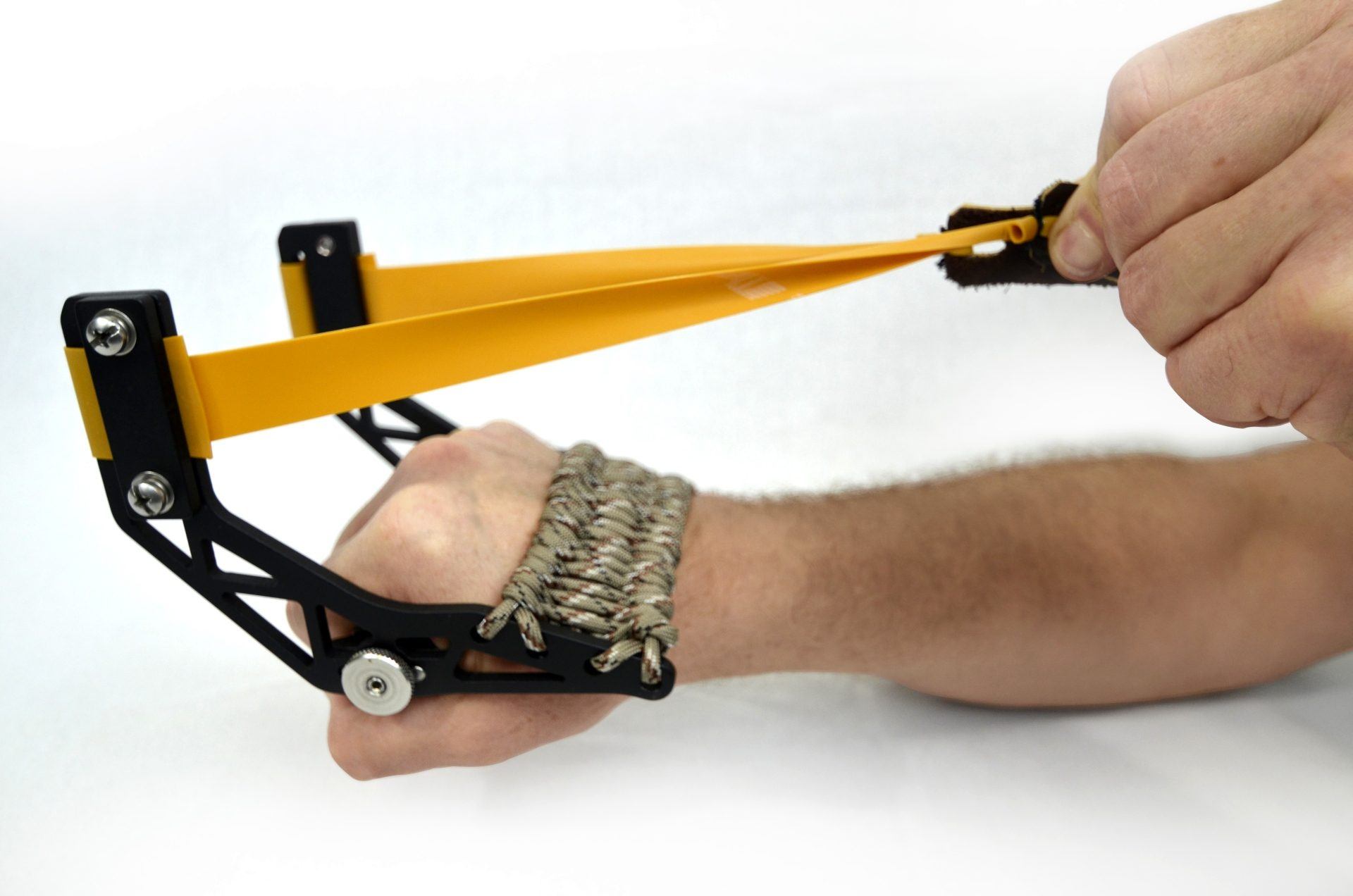
What type of energy is being used in the illustration?
Chemical Energy
Thermal Energy
Mechanical Energy
Electric Energy
A change in position over time.
Speed
Reference Point
Motion
Distance
The location of an object.
Position
Reference Point
Location
Placement
The amount of work an object can do because of the objects kinetic and potential energy.
Energy
Mechanical Energy
Kinetic Energy
Potential Energy
The distance traveled divided by the time interval during which the motion occurred.
Motion
Movement
Distance
Speed
The energy an object has due to its position.
Energy
Mechanical Energy
Kinetic Energy
Potential Energy
A law that states that energy cannot be created or destroyed but can change from one form to another.
Law of Gravity
First Law of Motion
Law of Conservation of Energy
Second Law of Motion
The energy of an object that is due to the objects motion.
Mechanical Energy
Potential Energy
Kinetic Energy
Energy
The ability to do work of cause change.
Mechanical Energy
Energy
Potential Energy
Kinetic Energy

A moving object will have more energy when the object–
moves faster
changes direction
loses mass
stops moving

Rate of motion
Energy
Speed
Increase
Decrease
Energy can be destroyed.
True
False
Energy can be _____________ or changed from one object or material to another or one form to another.
destroyed
transferred
created
ignored

Two model trains are running on tracks that are lined up next to each other. The two trains are not moving at the same speed. What would cause one train to move faster than the other?
The slower train’s cars have less mass.
The faster train has more energy.
The faster train has a wider track.
The slower train has an older engine.

Four identical balls are rolled from the same position at the same time. The illustration shows each ball’s starting position and ending position after rolling for two seconds. Which ball had the most energy?
Ball 1
Ball 2
Ball 3
Ball 4
A moving object will have more energy when the object-
moves faster.
stops moving.
changes direction.
loses mass.

Like charges _______________.
attract
repel
nothing changes

Opposite charges _______________.
attract
repel
nothing changes

Cecilia is combing her hair. What will most likely happen when she holds the comb near a small, uncharged object?
The object will stay where it is.
The object will gain a charge opposite that of the comb.
The object will be pushed away by the comb.
The object will stick to the comb.
In a flashlight, the battery is the
resistor, converting electricity into light energy.
insulator, allowing the flashlight to be handled safely.
conductor, carrying charges from the battery to the light bulb.
switch, opening and closing the circuit.
energy source, providing the energy for the flashlight to generate light.
Why would an electric current not be able to flow in a series circuit?
there is a resistor
there is a break in the circuit
the switch is on
there is a wire
Circuit with no gap or breaks

Why is electrical wiring usually made from copper?
Because copper is shiny
Because copper conducts electricity
Because copper is not magnetic
Because copper insulate electricity

Why electrical wiring usually are covered with a layer of plastic?
To make it look pretty
To help electricity flow along the wire
To make it safe
To add more energy

conductor
insulator
is a material through which an electric charge moves with difficulty
conductor
insulator
are materials through which electric charges move easily.
conductors
insulator
An electric current flows slowly and visibly
true
false
An electric current is an electric charge in motion
true
false


Would would best complete this circuit?
A wire
A switch
A battery
A light bulb
A battery has 2 ends called __________ and ___________ end.
positive, negative
open, close
north, south
up, down
What supplies the energy or power in an electric circuit?
light bulb
wire
battery

The flow of electric charge in a circuit is called _______.
Heat
Sound
Electric Current
Magnetic

How can it be explained that someone's hair can stick to a balloon?
There is electricity.
There is too much dust in the air.
The person needs to wash his hair.
What powers a circuit that we made?
battery
light bulb
wires
paper clip

When a circuit is open, the lamp is _________?
on
off

Why is a battery important in an electrical circuit?
As a source of energy.
As a path for electricity to flow through.
As a connector to connect all parts of a circuit.

What makes up an electric circuit?
Bulb and battery
Bulb, battery and switch
Bulb, battery and wire

What does a solar cell do?
it converts light into electrical energy
it converts wind into electrical energy
it transmits radio wave signals into space
it converts water into solar energy
What is an example of energy transfer by HEAT? (Click all that apply)
Heat lamp warming food
S'more's in solar oven
A windmill powering a farm
Water running through a dam

Batteries store energy as chemical energy.
True
False

Where does the energy in your home electrical outlets come from?
Wires connected to a power plant
We buy it from the electric company
Lightning striking the house
A dark-colored wall becomes warm when the sun shines on it. After sunset, a person standing a meter away can feel warmth from the wall. How does heat transfer from the wall to the person?
radiation
conduction
convection
insulation
The area in front of a fire feels warm on a cold evening. What are the processes that cause the person in front of the fire to feel warm?
conduction and convection
radiation and conduction
radiation and convection
radiation, convection and conduction
Jane washed her hair. She dried it with warm air from a blow dryer before going to school. Which statement BEST explains why the blow dryer was able to dry Sandra’s hair quickly?
The blow dryer used electricity.
the blow dryer transferred heat
the blow dryer created sound waves
the blow dryer used mechanical energy
burner and metal pot
light bulb turned on
warm air blowing out from a heater
magnet and metal object
frying eggs in a pan
melting ice cube in your hand
microwave cooking food
boiling water
heater warming up a room
melting ice cubes in your hand
microwave cooking food
baking cookies in the oven
hot air blow drying hair
sun heating up a car
water boiling on the stove
ice cube melting in your hand
move from hot to cold
moves from cold to hot
moves up and never down
moves from side to side
light bulb burning
cooking hot dog over fire
hot air balloon floating up
sun's rays
generate means to...
change
transfer
produce
convection
energy in the particles that vibrate as they pass through matter
heat
sound
light
thermal
radiation is...
heat moving through water or air
energy that travels in waves
the transfer of thermal energy through touch
energy in the particles that vibrate as they pass through matter
convection is...
the transfer of thermal energy through touch
energy that travels in waves
form of energy we can see
heat moving through water or air
a form of the transfer of energy
generate
wave
shape
transfer
to move from one object to another
transform
wave
generate
transfer
Light is...
the transfer of thermal energy through touch
form of energy we can see
energy in the particles that vibrate as they pass through matter
the transfer of thermal energy from one object to another
Conduction is...
the transfer of thermal energy through touch
energy that travels in waves
heat moving through water or air
form of energy we can see

Identify the energy transfer
sound to kinetic
sound to light
kinetic to sound
chemical to sound

A wind-up toy has a spring that stores energy when it is wound up gently. When the toy is released, chemical energy transfers into ____________ energy.
electrical
kinetic
potential
light
Which of the following involves electrical energy being transferred into heat energy?
A heavy box being lifted off a table
firecrackers exploding in the sky
baking bread in the oven
a wax candle burning

What type of energy can be sensed by the eyes?
sound
thermal
electrical
light

Identify the energy transfer
chemical to solar
electrical to thermal
chemical to light
thermal to kinetiv

Identify the energy transfer
potential to chemical
electrical to kinetic
mechanical to sound
chemical to thermal

When you eat food, your body gains ___________ energy.
electrical
chemical
thermal
light

Identify the energy transfer
kinetic to mechamical
light to thermal
potential to kinetic
electrical to magnetism

Identify the energy transfer
chemical to electrical to sound
sound to electrical to chemical
electrical to sound to chemical
potential to kinetic to light

Identify the energy transfer
chemical to light
thermal to electrical
chemical to heat
electrical to thermal

Identify the energy transfer
mechanical to light
chemical to kinetic
electrical to mechanical
kinetic to thermal

Identify the energy transfer
light to electrical to chemical
chemical to electrical to light
electrical to chemical to light
chemical to electrical to solar

Identify the energy transfer
chemical to kinetic
solar to electrical
thermal to light
electrical to light

Identify the energy transfer (photosynthesis)
light to electrical
solar to chemical
chemical to thermal
solar to chemical

Identify the energy transfer
mechanical to sound
chemical to electrical
sound to mechanical
thermal to sound

Identify the energy transfer
electrical to chemical to light
kinetic to potential
chemical to electrical to light
light to sound

