
 Worksheets
Quarter 1 Exam 2023
Total questions: 48
Worksheet time: 36mins
A girl wants to know what kind of soil is best for plants. She gives one sand, one compost, and one clay. What is the independent variable?
water
type of plant
sunlight
soil
Angelina set up an experiment to see how the mass of a ball affects the distance it rolls off a ramp. Identify the dependent variable.
The one factor that a scientist changes during an experiment. (It affects the results of the experiment).
Controlled Variable
Dependent Variable
Independent Variable
The variable that is measured. It is the result of the experiment.
Controlled Variable
Dependent Variable
Independent Variable
The factors that stay the same throughout the experiment.
Constant
Dependent Variable
Independent Variable
If an object is (a) than water, the object will (b) .
Correctly identify the state of the matter in the middle cylinder.
Solid
Liquid
Gas
Jack had a beaker of warm water filled to the 50 ml line. He measured 20 mg of salt using a triple beam balance and added it to his beaker of warm water. Jack stirred using a spoon. After a short time, the salt disappeared. What happened?
The salt dissolved.
The salt evaporated.
The salt condensed.
The salt changed it's chemical make up and became water.
The two types of properties used to classify matter are (a) and chemical.
(a) properties change the composition of the substance.
When two or more substances are put together.
Volume
Density
Mixture
Mass
The amount of matter in an object is a measure of the object's ________________.
volume
density
mass
solubility
The temperature at which a substance changes from a solid to a liquid.
melting point
boiling point
ductility
buoyancy
the ability of a substance to give off a certain smell.
boiling point
density
odor
melting point
The ability of a substance to dissolve in another substance.
color
solubility
hardness
odor
What is a substance made of two or more elements that are chemically combined called?
A. element
B. compound
C. mixture
D. solution
Is salt (NaCI) a compound or an element?
Compound
element
A substance that cannot be broken down into any other substance by ordinary chemical means is called
a molecule.
a mixture.
an element.
a compound.
Two or more physically combined substances form
a compound.
an acid.
an element.
a mixture.
A substance that contains only one type of atom is a(n)
compound
element
heterogeneous mixture
homogeneous mixture


What type of mixture is this
heteregenous
homogeneous
In which mixture can you not see all of the parts?
homogeneous
heterogeneous
Identify which images are HETEROGENEOUS MIXTURES! (Check all that apply)



What is the atomic mass of Neon?
10
20.18
10.18
30.18
Where in an atom are the electrons located?
inside the nucleus
outside the nucleus
Explain the structure of the atom
There is a tiny nucleus and a large electron cloud filled with empty space
There is a tiny nucleus and a tiny electron cloud
The nucleus is bigger than the electron cloud
The electron cloud is made of protons and electrons, the nucleus has neutrons
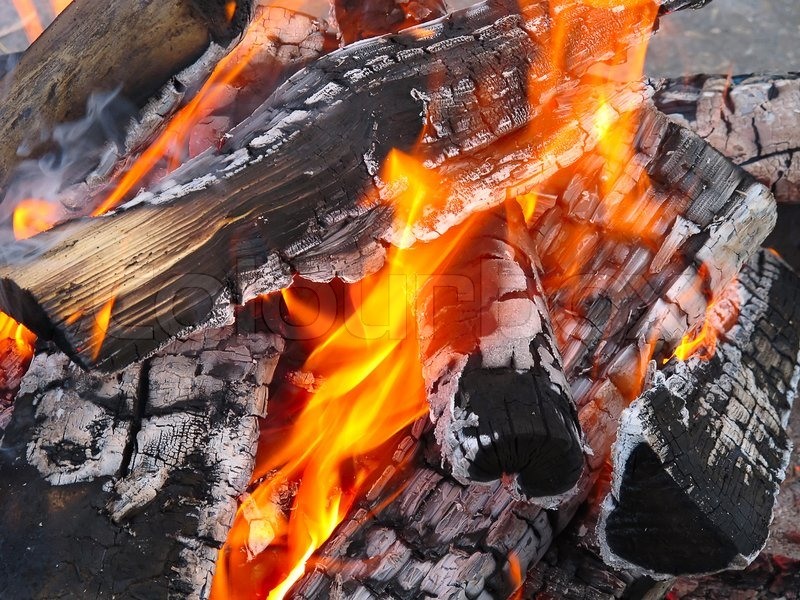
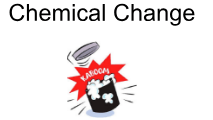
What kind of change is burning wood?
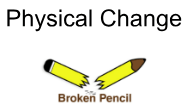
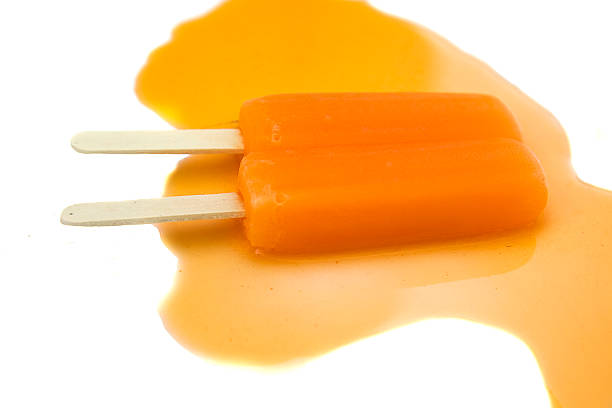
What kind of change is a melting popsicle?
How many atoms of oxygen are in this molecule?
When a PRECIPITATE forms, this is a sign of a...
Chemical Change
Physical Change
Atomic Charge
Water Change


