wayground logo

Free Printable Worksheets

NEW

Font size

S
M
L
XL
Worksheets

Gas Exchange and Transport

Total questions: 58

Worksheet time: 31mins

Name
Class
Date
1.

What is the principle used to explain the movement of respiratory gases between alveolar air and the blood?

a)

Bohr effect

b)

Dalton's law

c)

Haldane effect

d)

Eupnea

2.

What are the major factors that determine the volume of oxygen entering lung capillary blood?

a)

Blood pressure and heart rate

b)

Respiratory minute volume and alveolar ventilation

c)

Carbon dioxide levels and hemoglobin concentration

d)

Partial pressure of oxygen in the alveolar air

3.

How is oxygen primarily transported in the blood?

a)

As dissolved oxygen in plasma

b)

As bicarbonate ions

c)

As carbaminohemoglobin

d)

As oxyhemoglobin

4.

What is the main form in which carbon dioxide is carried in the blood?

a)

As dissolved carbon dioxide in plasma

b)

As bicarbonate ions

c)

As carbaminohemoglobin

d)

As oxyhemoglobin

5.

What is the effect of an increase in Pco2 on the oxygen-hemoglobin dissociation curve?

a)

Right shift (decrease in affinity between hemoglobin and oxygen)

b)

Left shift (increase in affinity between hemoglobin and oxygen)

c)

No effect on the curve

d)

Decrease in total CO2 loading

6.

Which gas binds to hemoglobin more strongly, carbon monoxide (CO) or oxygen (O2)?

a)

Carbon monoxide (CO)

b)

Oxygen (O2)

c)

Both bind equally

d)

Neither binds to hemoglobin

7.

What is the term for breathing that is in excess of the body's metabolic needs?

a)

Eupnea

b)

Hyperpnea

c)

Hyperventilation

d)

Hypoventilation

8.

What is the term for the right shift of the oxygen-hemoglobin dissociation curve caused by an increase in Pco2?

a)

Bohr effect

b)

Haldane effect

c)

Eupnea

d)

Orthopnea

9.

Which gas exchange takes place between arterial blood and cells in tissue capillaries?

a)

Oxygen and carbon dioxide

b)

Oxygen and nitrogen

c)

Carbon dioxide and nitrogen

d)

Oxygen and hydrogen

10.

What is the term for the life-threatening condition where carbon monoxide (CO) binds to hemoglobin and displaces oxygen (O2)?

a)

Hypoxia

b)

Anemia

c)

Carbon monoxide poisoning

d)

Hemoglobinopathy

11.

What is the term for the right shift of the oxygen-hemoglobin dissociation curve caused by an increase in Pco2?

a)

Bohr effect

b)

Haldane effect

c)

Eupnea

d)

Orthopnea

12.

What is the main form in which carbon dioxide is carried in the blood?

a)

As dissolved carbon dioxide in plasma

b)

As bicarbonate ions

c)

As carbaminohemoglobin

d)

As oxyhemoglobin

13.

Which gas exchange takes place between arterial blood and cells in tissue capillaries?

a)

Oxygen and carbon dioxide

b)

Oxygen and nitrogen

c)

Carbon dioxide and nitrogen

d)

Oxygen and hydrogen

14.

What is the term for the life-threatening condition where carbon monoxide (CO) binds to hemoglobin and displaces oxygen (O2)?

a)

Hypoxia

b)

Anemia

c)

Carbon monoxide poisoning

d)

Hemoglobinopathy

15.
Inhale!!!!
Your lungs are ___________  air
a)
taking in
b)
letting out
16.
EXHALE!!!
My lungs are __________________ air. 
a)
taking in
b)
letting out
17.
What is the main function of the respiratory system?
a)
to provide oxygen and remove carbon dioxide from the body
b)
to bring oxygen to the body
c)
to break down food and absorb nutrients
d)
to remove oxygen from the body and deliver carbon dioxide
18.
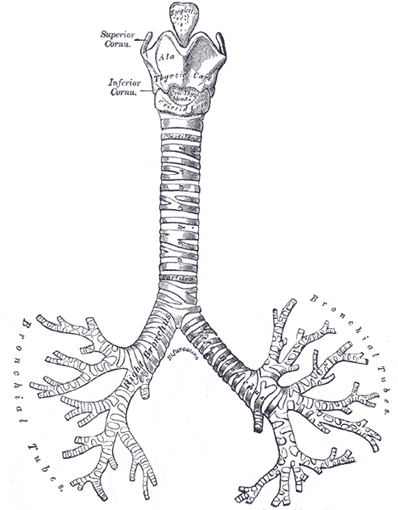
What is the function of the bronchi?
a)
Transport air from nose to lungs
b)
Transport air from trachea to lungs
c)
Transport air from lungs to alveoli
d)
Transport air from alveoli to blood
19.
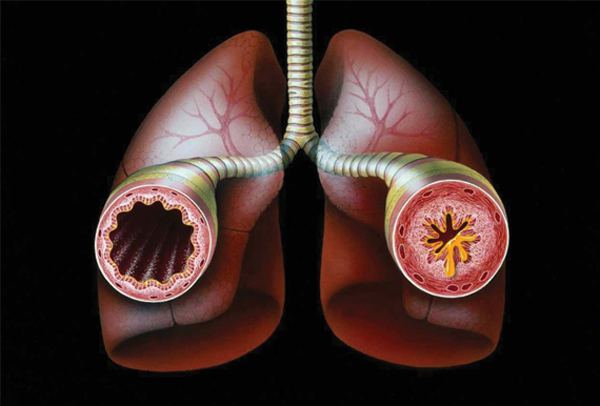
A disorder of the lungs called ____ causes the bronchi to become restricted (get smaller) so air can't get to the lungs.
a)
asthma 
b)
cold
c)
influenza 
d)
bronchitis 
20.
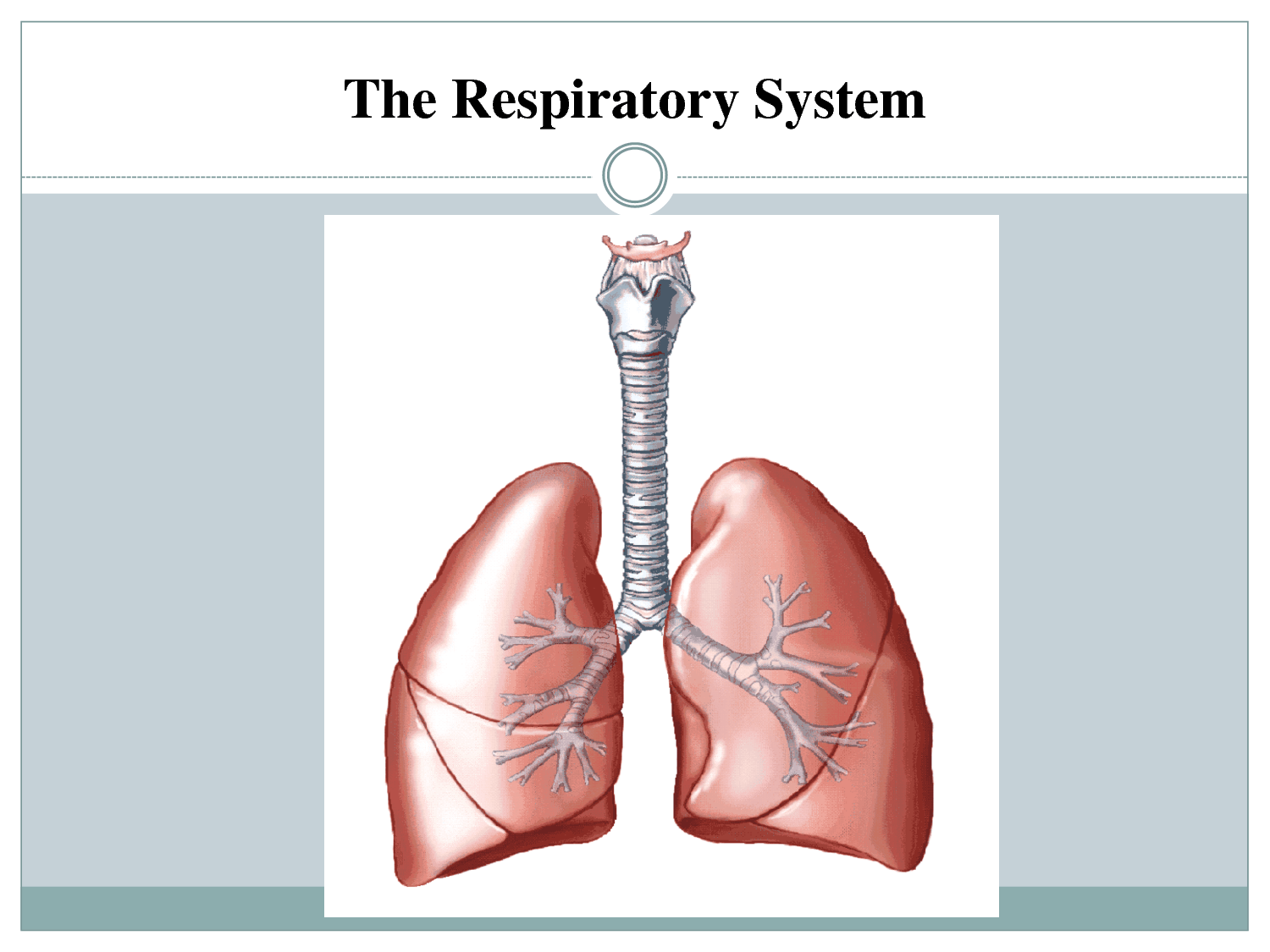
The two main branches from the trachea (one to each lung)
a)
bronchi
b)
alveoli
c)
capillaries
d)
bronchioles
21.
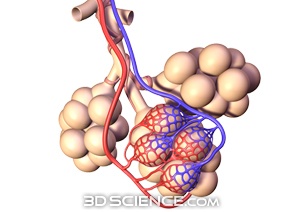
The air sacs that are covered with capillaries where gas exchange takes place
a)
bronchi
b)
lungs
c)
oxygen
d)
alveoli
22.
What is tube that is also known as your wind pipe?
a)
esophogus
b)
bronchi
c)
trachea
d)
alveoli
23.
The passageway that is shared by both the digestive and respiratory system is the....
a)
larynx
b)
pharynx
c)
trachea
d)
nose
24.
Flap of skin that covers the opening to the windpipe during swallowing
a)
Stomach
b)
Trachea
c)
Pancreas
d)
Epiglottis
25.
Inhale!!!!
Your lungs are ___________  air
a)
taking in
b)
letting out
26.
EXHALE!!!
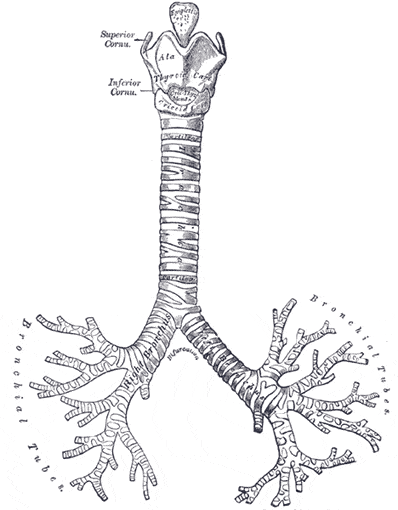
My lungs are __________________ air. 
a)
taking in
b)
letting out
27.
What is the main function of the respiratory system?
a)
to provide oxygen and remove carbon dioxide from the body
b)
to bring oxygen to the body
c)
to break down food and absorb nutrients
d)
to remove oxygen from the body and deliver carbon dioxide
28.
What are the main organs of gas exchange in the respiratory system?
a)
diapragm
b)
lungs
c)
trachea
d)
bronchi
29.
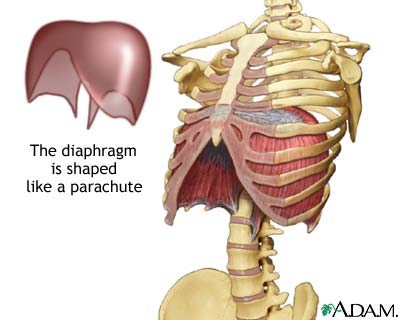
What is function of the dome-shaped diaphragm?
a)
This is where gas exchange happens.
b)
Air passes through the diaphragm on the way to the lungs.
c)
It attaches to the lungs to help in breathing.
d)
It is under the lungs and keeps them from falling down to your stomach.
30.
When you breathe, your lungs take in ___ and remove ___. 
a)
air/oxygen
b)
oxygen/carbon dioxide 
c)
carbon dioxide/waste 
d)
waste/air 
31.
What is the function of the bronchi?
a)
Transport air from nose to lungs
b)
Transport air from trachea to lungs
c)
Transport air from lungs to alveoli
d)
Transport air from alveoli to blood
32.
A disorder of the lungs called ____ causes the bronchi to become restricted (get smaller) so air can't get to the lungs.
a)
asthma 
b)
cold
c)
influenza 
d)
bronchitis 
33.
The two main branches from the trachea (one to each lung)
a)
bronchi
b)
alveoli
c)
capillaries
d)
bronchioles
34.
The air sacs that are covered with capillaries where gas exchange takes place
a)
bronchi
b)
lungs
c)
oxygen
d)
alveoli
35.
Within the lungs, the exchange of oxygen and carbon dioxide occurs between the ___ and the capillaries. 
a)
trachea 
b)
bronchi 
c)
alveoli
d)
diaphragm
36.
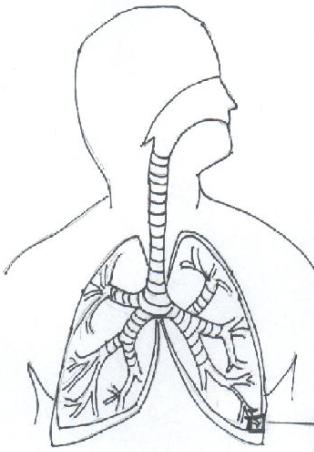
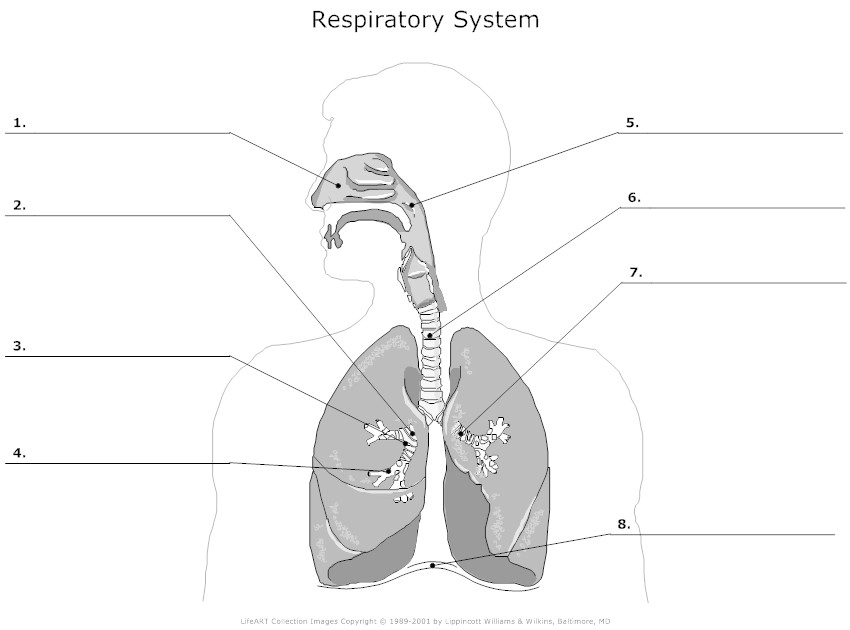
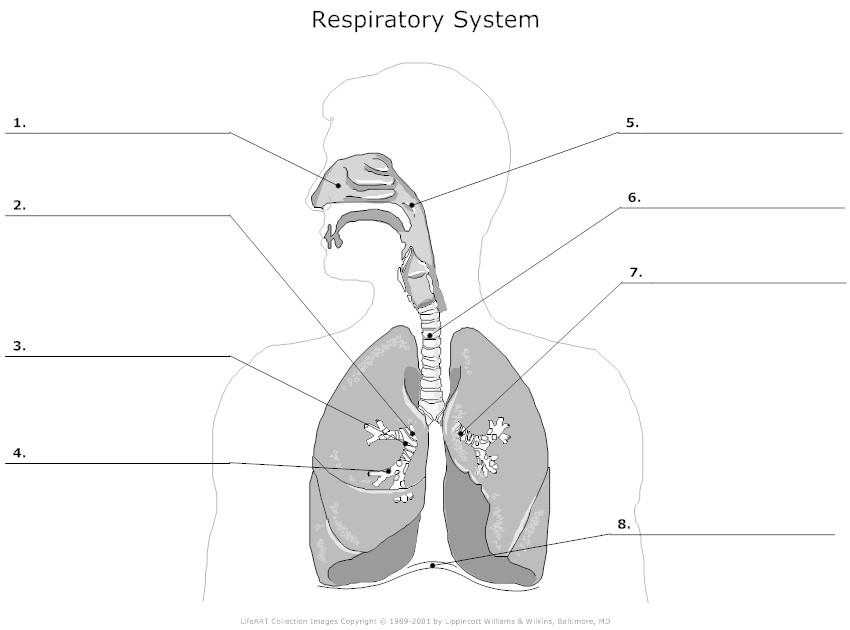
Name the organ label # 6. 
a)
alveoli 
b)
bronchi 
c)
trachea 
d)
lungs 
37.
What is tube that is also known as your wind pipe?
a)
esophogus
b)
bronchi
c)
trachea
d)
alveoli
38.
Name the structure labeled 8 
a)
lungs 
b)
trachea 
c)
diaphragm 
d)
alveoli 
39.
The passageway that is shared by both the digestive and respiratory system is the....
a)
larynx
b)
pharynx
c)
trachea
d)
nose
40.
Flap of skin that covers the opening to the windpipe during swallowing
a)
Stomach
b)
Trachea
c)
Pancreas
d)
Epiglottis
41.
The Pharynx is the muscle that moves the lungs
a)
True
b)
False
42.
Inhale!!!!
Your lungs are ___________  air
a)
taking in
b)
letting out
43.
EXHALE!!!
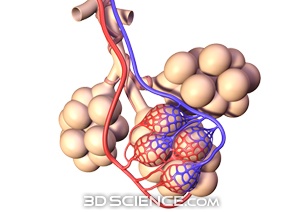
My lungs are __________________ air. 
a)
taking in
b)
letting out
44.
What is the main function of the respiratory system?
a)
to provide oxygen and remove carbon dioxide from the body
b)
to bring oxygen to the body
c)
to break down food and absorb nutrients
d)
to remove oxygen from the body and deliver carbon dioxide
45.
What are the main organs of gas exchange in the respiratory system?
a)
diapragm
b)
lungs
c)
trachea
d)
bronchi
46.
What is function of the dome-shaped diaphragm?
a)
This is where gas exchange happens.
b)
Air passes through the diaphragm on the way to the lungs.
c)
It attaches to the lungs to help in breathing.
d)
It is under the lungs and keeps them from falling down to your stomach.
47.
When you breathe, your lungs take in ___ and remove ___. 
a)
air/oxygen
b)
oxygen/carbon dioxide 
c)
carbon dioxide/waste 
d)
waste/air 
48.
What is the function of the bronchi?
a)
Transport air from nose to lungs
b)
Transport air from trachea to lungs
c)
Transport air from lungs to alveoli
d)
Transport air from alveoli to blood
49.
A disorder of the lungs called ____ causes the bronchi to become restricted (get smaller) so air can't get to the lungs.
a)
asthma 
b)
cold
c)
influenza 
d)
bronchitis 
50.
The two main branches from the trachea (one to each lung)
a)
bronchi
b)
alveoli
c)
capillaries
d)
bronchioles
51.
The air sacs that are covered with capillaries where gas exchange takes place
a)
bronchi
b)
lungs
c)
oxygen
d)
alveoli
52.
Within the lungs, the exchange of oxygen and carbon dioxide occurs between the ___ and the capillaries. 
a)
trachea 
b)
bronchi 
c)
alveoli
d)
diaphragm
53.
Name the organ label # 6. 
a)
alveoli 
b)
bronchi 
c)
trachea 
d)
lungs 
54.
What is tube that is also known as your wind pipe?
a)
esophogus
b)
bronchi
c)
trachea
d)
alveoli
55.
Name the structure labeled 8 
a)
lungs 
b)
trachea 
c)
diaphragm 
d)
alveoli 
56.
The passageway that is shared by both the digestive and respiratory system is the....
a)
larynx
b)
pharynx
c)
trachea
d)
nose
57.
Flap of skin that covers the opening to the windpipe during swallowing
a)
Stomach
b)
Trachea
c)
Pancreas
d)
Epiglottis
58.
The Pharynx is the muscle that moves the lungs
a)
True
b)
False