
 Worksheets
pe 8
Total questions: 59
Worksheet time: 59mins
What are the Components of Health Related Fitness?
(a)
It is the ability of the heart (cardio) and circulatory system (vascular) to supply oxygen to muscles for an extended period of time.
(a)
Cardiovascular is also called (a) (lungs) fitness.
It is the muscle's ability to produce effort or perform work. It refers to the maximum amount of force a muscle can exert against an opposing force.
(a)
It refers to the ability of the muscle to work over an extended period of time without fatigue.
(a)
Performing push-ups and sit-ups or crunches for one minute is commonly used in fitness testing of (a) .
It is the ability to move a body part through a full range of motion (ROM) at a joint.
(a)
ROM meaning
(a)
It is the ratio of body fat to lean body mass (including water, bones, muscles, and connective tissues).
(a)
-increases muscle tone and strength
-decreases susceptibility to injuries and illness
-improves bone mineral density; reduces risk of osteoporosis
-improves posture
-decreases risk of cardiovascular disease and stroke
-improves blood pressure
-decreases risk of diabetes and some cancers
(a)
What are the Health-Related Fitness Tests?
(a)
The following formula is used to get the BMI:
(a)
Below 18.4
(a)
18.5 - 24.9
(a)
25.0 - 29.9
(a)
30.0 - Above
(a)
It is a good predictor of the amount of visceral fat which increases the risk for cardiovascular disease and diabetes than fat located in other areas of the body such as in the arms and legs.
(a)
What do you need to measure the waist circumference?
(a)

It refers to the muscle’s ability to generate force against physical objects. In the fitness world, this typically refers to how much weight you can lift for different strength training exercises.
(a)
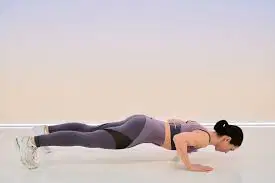
It is to measure strength of the upper extremities.
(a)

It it to measure strength of abdominal muscles.
(a)
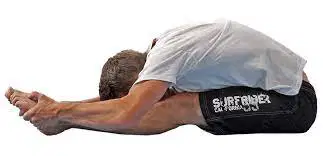
It is a test of flexibility for the lower extremities particularly the hamstring.S
(a)
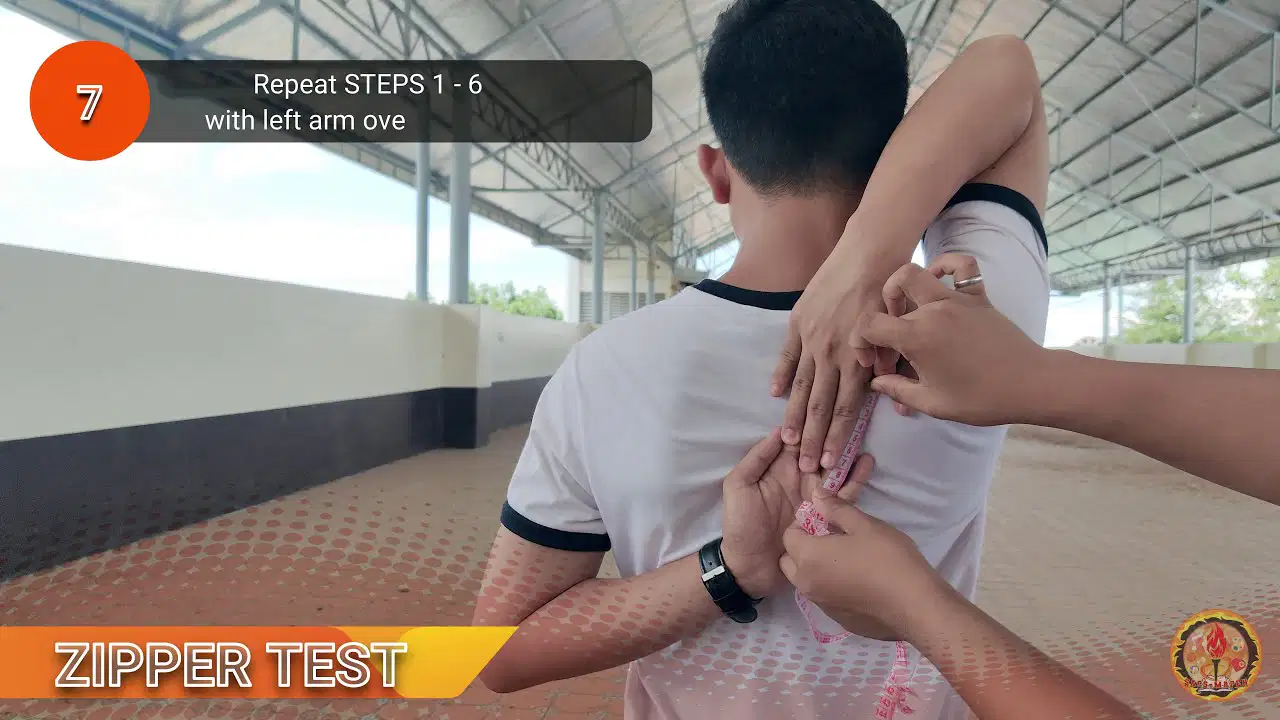
It is to touch the fingertips together behind the back by reaching over the shoulder and under the elbow.
(a)
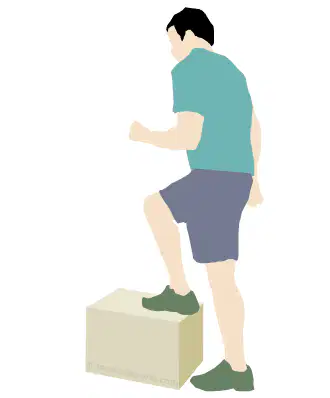
It is to measure cardiovascular endurance.
(a)
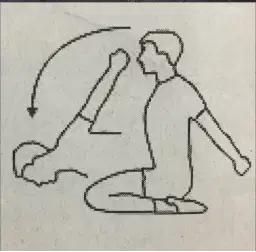
(a)
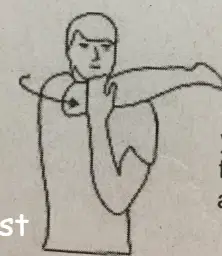
(a)
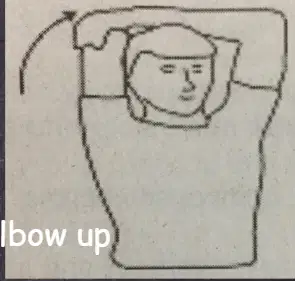
(a)
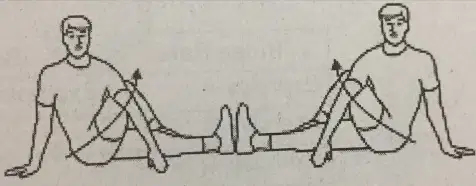
(a)
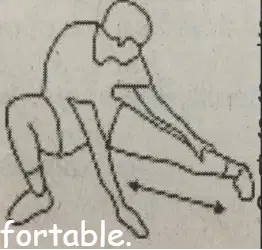
(a)
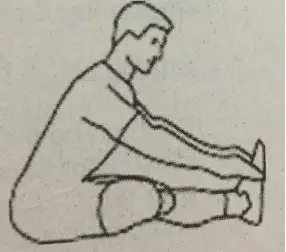
(a)
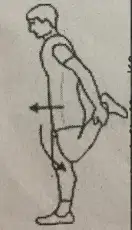
(a)
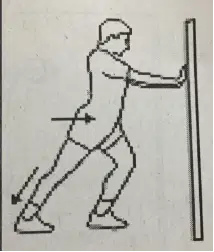
(a)
This type of exercises works to increase muscles strength and endurance by doing repetitive exercises.
(a)
Strength exercises are also known as (a) .
This consists of dumbbells, barbells, weights, machines, ropes, bands, balls, and even human body.
(a)
Muscle growth occurs when you tear your muscle fibers during an exercise or work out routine.
(a)
Here are some common types of strength exercises:
(a)
These exercises use your own body weight as resistance. They are effective for building strength and can be done anywhere without the need for equipment.
(a)
Examples of bodyweight exercises
(a)
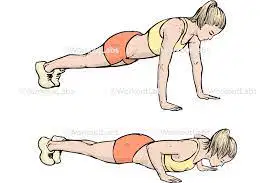
A classic exercise that targets the chest, shoulders, and triceps.
(a)
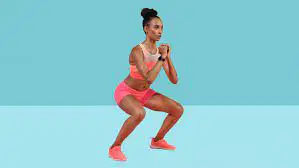
Effective for working the quadriceps, hamstrings, and glutes.
(a)
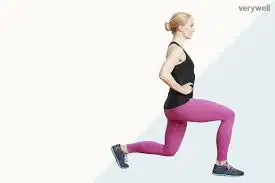
Strengthen your legs and improve balance by doing forward or reverse lunges.
(a)
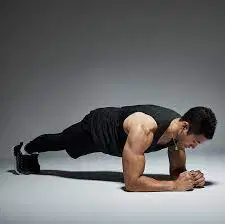
A core-strengthening exercise that also engages the shoulders, chest, and back.
(a)
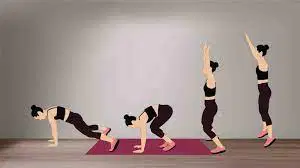
A full-body exercise that combines a squat, push-up, and jump for cardio and strength.
(a)
These exercises involve the use of external weights, such as dumbbells, barbells, and kettlebells. They allow for a wide range of motion and are versatile for targeting specific muscle groups.
(a)
Examples of Free Weight Exercises
(a)
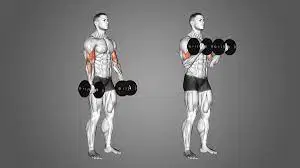
Strengthen the chest, shoulders, and triceps with this classic exercise.
(a)
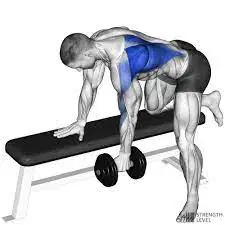
Work your upper back and lats by rowing dumbbells with both arms.
(a)

Build leg strength by squatting with a barbell across your shoulders.
(a)

Engage the lower back, hamstrings, and glutes with this total-body lift.
(a)
These exercises use specialized machines that provide resistance through a predefined range of motion. They are commonly found in gyms and fitness centers.
(a)
Examples of Machine-Based Exercises
(a)
Target the quadriceps, hamstrings, and glutes with a leg press machine.
(a)
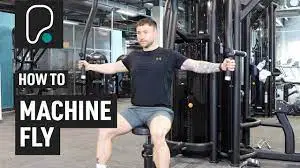
Isolate the chest muscles for a focused workout.
(a)
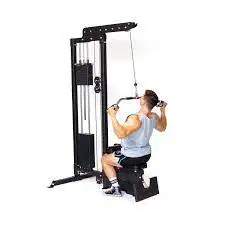
Strengthen the upper back and latissimus dorsi muscles.
(a)

Isolate the quadriceps by extending your legs against resistance.
(a)
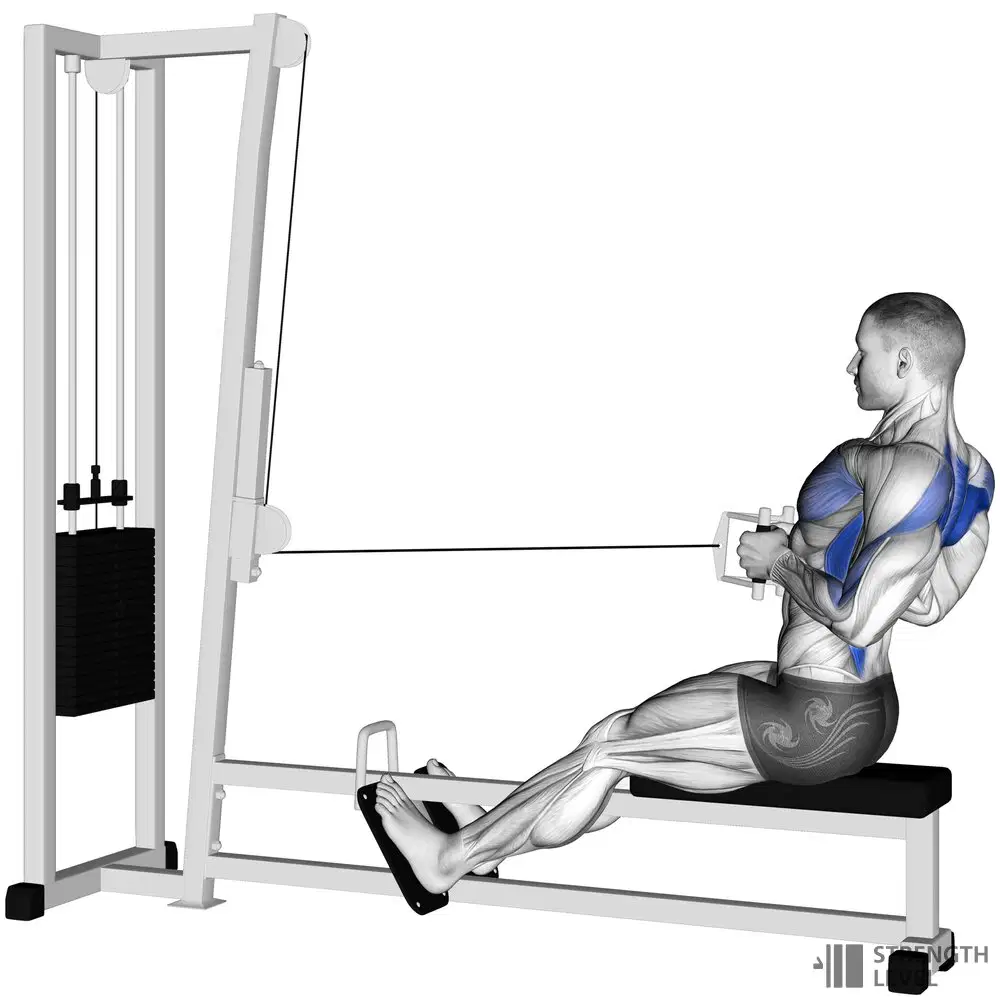
Work the upper back and biceps by pulling a cable attachment toward your torso.
(a)
It is the ability of the heart, lungs, and blood vessels to deliver oxygen to working muscles and tissues, as well as the ability of those muscles and tissues to utilize oxygen.
(a)
Cardiovascular Endurance exercises:
(a)

