
Font size
 Worksheets
Water Resource
Total questions: 55
Worksheet time: 41mins
Which of the following is NOT an example for saving water for domestic use?
shorter showers
stopping leaks
washing dishes efficiently
taking tub baths
To "conserve" water means
to save water
to clean water
to use water
to waste water
How much of the water on our planet is salt water?
97%
50%
80%
1%
How much of the water on our planet is fresh water that we can use?
1%
3%
50%
100%

Will we have MORE water in Texas in 2030?
No
Yes
What kind of water do we need to live?
fresh water
salt water
brackish water

What uses the MOST water in your house?
toilets
drinking
laundry
showers

What uses the LEAST water in your home?
toilets
showers
laundry
drinking

To conserve water, wash
full loads
one shirt at a time
every day

Native plants are adapted to Texas so they need
less water
more water
True or False: It isn't important to save water because there are a lot of water on Earth.
True
False
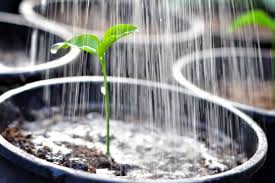
Why does plant need water?
To make food through photosynthesis
To reproduce
To grow
All of the above

What is the process that electricity is produced from energy of running water?
water cycle
hydroelectric power
water dam
windmills
Most water can be found in the _______________.
Ocean
Sea
River
Pond

Which of the following is a way of conserving water?
Leave the tap running while brushing teeth
Use a hose to wash the car
Use the washing machine at full load
Leave the shower running while soaping
We cannot drink water from sea/ocean because it is?
bitter
salty
creepy
tangy
Why do we need to conserve water? (You may select more than one answer)
To save on the water bill
There is a lot of water
It a limited sources
To get enough clean water in the future
what is the main cause of water pollution?
invasive species
animals
plants and insects
human impact and decision making

Why is clean water important?
All life on Earth depends on clean water to live and grow.
We need clean water for recreational activities.
We need bodies of water for transportation
We need water to regulate the temperature on Earth.
Which of the following is an example of point source pollution?
runoff on land
a factory smokestack
atmospheric deposition
sewer seepage
What is the definition of non point source pollution?
pollution that results from multiple sources
pollution that results from only one source
pollution that you cannot point at
pollution that you can point at
What was the goal of the clean water act?
make all natural surface water fit for fishing and swimming
require boats to have a double hull to prevent pollution
protect marine sanctuaries
prohibit dumping of pollution in ocean
What did the Marine Protection, Research and Sanctuaries Act do?
gave power to the EPA to control dumping of sewage wastes into US marine waters
made all surface water fit for swimming and fishing
protected groundwater and surface water from pollution
gave power to communities to know about their drinking water source
True or False: The EPA will give permits to dump in the ocean as long as the dumping will not "unreasonably degrade or endanger" human health, welfare or the marine environment.
true
false
What is emphasized in the safe drinking water act?
permits can be required to pollute drinking water as long as its not unreasonable
waters becoming safe for swimming and fishing
no transportation allowed for dumping in oceans
sound science and risk based standards for water quality
In what year was the Clean Water Act Passed?
1969
1970
1971
1972
When pollution comes from multiple sources it is known as...
Thermal pollution
Point-source pollution
Nonpoint-source pollution
Biomagnification
Artificial eutrophication is....
When humans cause a build-up of nutrients in water
A way for humans to conserve more water in their homes
A kind of water treatment system
A made up word
Which of these is an example of an organic chemical pollutant?
Heavy metals
Bacteria
Industrial acids
Fertilizer
Which of the following laws was to designed to “restore and maintain the chemical, physical, and biological integrity of the nation’s waters?"
Nothing.
Clean Water Act of 1972
Ultimate Water Law
Oceans Act of 2000
Oil from cities that pollutes the oceans is an example of...
Point source pollution
Biomagnification
Water conservation
Nonpoint-source pollution
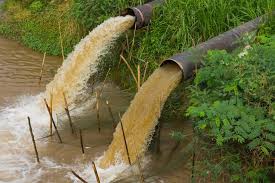
Chemicals released from an Industrial Plant directly into a river
Point
Non-Point
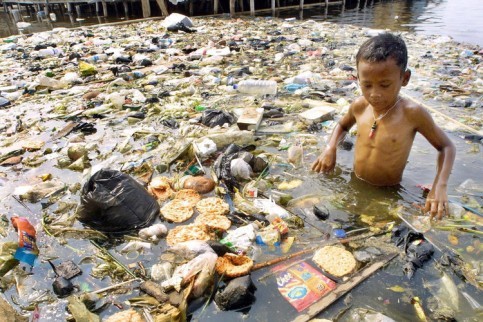
Some kids were dumping paint in the local pond. What type of water pollution did they cause?
Toxic
Sediment
Nutrient
Bacterial
A farmer applies excess fertilizer to one of her fields just before a rainstorm. What kind of pollution is this most likely to lead to?
Toxic
Sediment
Nutrient
Bacterial
At a research lab, a scientist carelessly pours cultures of living microbes down the drain. What type of water pollution does this cause?
Toxic
Sediment
Nutrient
Bacterial
Can be traced back to the point of origin.
Point Source Pollution
Non-point source pollution
Cannot easily be traced to the source of the pollution.
Point Source Pollution
Non-point source pollution

Pollution that comes from a single source
Point
Non-Point

Pollution that comes from MANY different places and is hard to identify its source.
Point
Non-Point

Acid Rain
Point
Non-Point

Power plants cool hot water pipes in a local river
Point
Non-Point
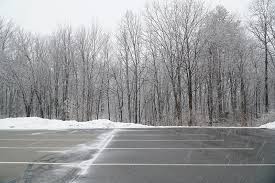
Snow melts in parking lots and carries oils into nearby waterways
Point
Non-Point
Chemicals released from an Industrial Plant directly into a river
Point
Non-Point

Washing your car in your driveway
Point
Non-Point

Cattle ranches allow livestock to feed along streams
Point
Non-Point

Construction sites sediments wash away into a stream.
Point
Non-Point

Litter on city streets washes away during a storm
Point
Non-Point
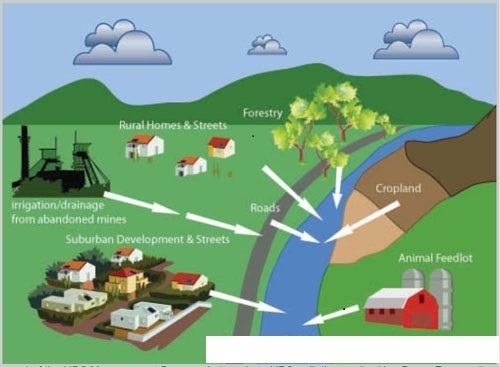
______________________ is water pollution/waste that comes from many different sources.
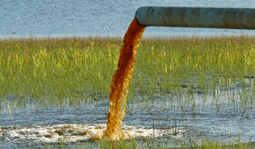
______________________ is water waste/pollution discharge from a single source.
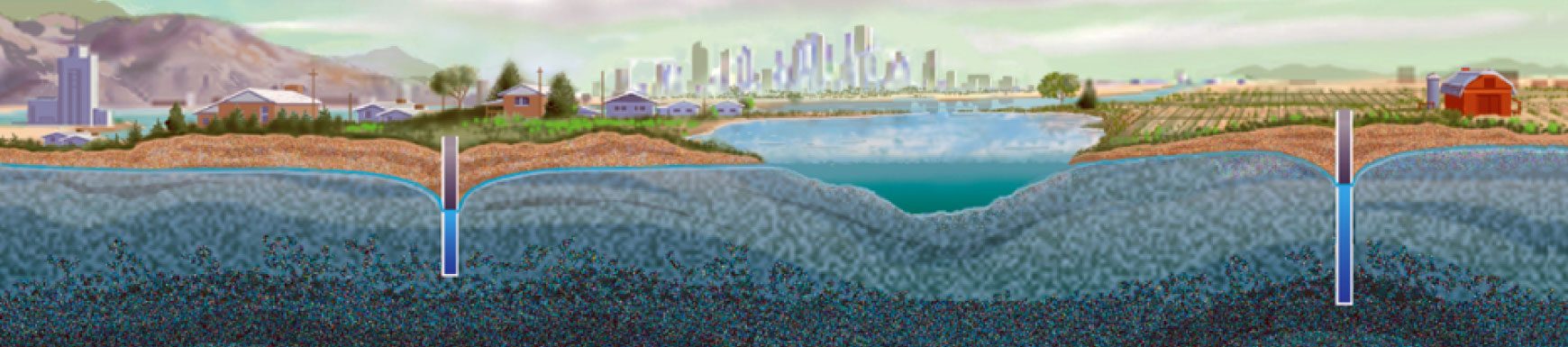
What can happen to fish when there is not enough oxygen in the water?
They can suffocate
They can't float
They can't see.
Nothing. Fish don't need oxygen.

