wayground logo

Free Printable Worksheets

Font size

S
M
L
XL
Worksheets

3.1 + 3.2 Quiz (Characteristics of Life, Cell Theory, Organelle)

Total questions: 74

Worksheet time: 43mins

Name
Class
Date
1.

When you step out into the cold, your body shivers in order to keep its temperature at 98.6F. Which characteristic of life does this represent?

a)

All living things use energy

b)

All living things contain cells

c)

All living things maintain homeostasis

d)

All living things grow

2.

A camel has eyelashes that work to keep the dust and sand out of its eyes. Which characteristic of life does this represent?

a)

All living things adapt to their environment

b)

All living things grow

c)

All living things have cells

d)

All living things use energy

3.
Rocks are not living because
a)
they never move
b)
they aren't needed for humans
c)
they are not made of cells
d)
they don't break down
4.
The basic unit of structure and function in the human body is the....
a)
organ
b)
organ system
c)
cell
d)
tissue
5.

A baby song bird hatches from its egg with both parent songbirds watching. Which characteristic of life does this represent?

a)

All living things reproduce

b)

All living things maintain homeostasis

c)

All living things use energy

d)

All living things grow

6.

Which characteristic is shown: A plant switches position and follows the sunlight throughout the day.

a)

Grow and develop

b)

Respond to a stimulus

c)

Acquire and use energy

d)

Reproduce

7.

Which of the following is NOT an example of an adaptation?

a)

birds migrating during the winter months

b)

the total sum of all the chemical reactions in your body

c)

humans evolving the ability to digest lactose (sugar in milk)

d)

the ability of dolphins to communicate in aquatic environments

8.

Which of these is not true about all organisms?

a)

all living things are multicellular

b)

all living things obtain and use energy

c)

all living things reproduce

9.

Which item listed is NOT a characteristic of life?

a)

adjusting to stimuli

b)

getting and using energy

c)

growing and developing

d)

breathing

10.

___________a molecule that is present in all living cells and that contains the information that determines the traits a living thing inherits and needs to live.

a)

Cell

b)

Stimulus

c)

Homeostasis

d)

DNA

11.
Green plants produce their own food through the process of photosynthesis.
a)
All living things use energy
b)
All living things contain cells
c)
All living things maintain homeostasis
d)
All living things grow
12.
Over three years, Tim's height has increased from 5'4" to 5'11".
a)
All living things contain cells
b)
All living things maintain homeostasis
c)
All living things use energy
d)
All living things grow
13.
Which of the following controls movement of materials in and out of a cell? 
a)
Cell wall
b)
Cell membrane
c)
Cytoplasm
d)
Nucleus
14.
The jellylike substance that contains proteins, nucleic acids, minerals, ions, and organelles is what?
a)
Prokaryote
b)
Nucleus
c)
Cytoplasm
d)
Eukaryote
15.
Robert Hooke, Anton van Leeuwenhoek, Theodor Schwann, Rudolf Virchow, and Matthias Schliden were all responsible for what theory?
a)
The Theory of Gravity
b)
The Theory of Relativity
c)
The Cell Theory
d)
The Theory of Continental Drift
16.
What tool do you use to view the cells?
a)
metric ruler
b)
centrifuge
c)
microscope
d)
pipette
17.
Which of the following is NOT a cell theory.
a)
All non-living things are made of cells
b)
All cells come from pre-existing cells
c)
Cells are the basic unit of structure and function of all living things
18.
Unlike eukaryotes, prokaryotes do not have:
a)
DNA
b)
cytoplasm
c)
cell walls
d)
a membrane bound nucleus
19.
The combined observations of Mattias Schleiden, Theodor Schwann and Rudolph Virchow resulted in the formation of the cell theory. Which of the following is not part of the cell theory?
a)
All cells contain a nucleus. 
b)
All cells come from other living cells.
c)
All living organisms are made of one or more cells
d)
 Cells are the basic unit of structure and function of all living things.
20.
What type of cell has a nucleus? 
a)
eukaryotic
b)
prokaryotic 
21.
What type of cell does not have a nucleus?
a)
eukaryotic 
b)
prokaryotic 
22.
Plants and animal cells are examples of ___ cells 
a)
prokaryotic cells 
b)
eukaryotic cells 
23.

What structures do all cells have in common?

a)

cytoplasm

b)

Ribosomes

c)

DNA

d)

cell membrane

e)

nucleus

24.

What do plant cells have that animal cells do not?

a)

Chloroplasts

b)

Cell wall

c)

Large vacuoles

d)

Nucleus

e)

ribosomes

25.

Multicellular organisms are made up prokaryotic cells.

a)

True

b)

False

26.

Features of plant cells that clearly make them different from animal cells are -

a)

larger and fewer chromosomes.

b)

rigid cell wall and chloroplasts.

c)

more cytoplasm and smaller vacuoles.

d)

changing size and indefinite shape.

27.

True or False, the nucleus of the cell holds DNA.

a)

True

b)

False

28.

True or false, the mitochondria is found ONLY in animal cells.

a)

True

b)

False

29.
The Golgi apparatus _____.
a)
packages cell products for export
b)
eliminates waste
c)
stores DNA
d)
makes energy
30.
Which organelle is only found in a plant cell? 
a)
nucleus
b)
chloroplast
c)
mitochondria
d)
cell membrane
31.
This organelle creates energy.
a)
Nucleus
b)
Ribosome
c)
Mitochondria
d)
ER
32.
Where is DNA stored in a cell? 
a)
Lysosomes
b)
Golgi Complex
c)
Ribosomes
d)
Nucleus
33.
What is the fluid inside a cell called? 
a)
Endoplasimic Reticulum
b)
Orange Juice
c)
Water
d)
Cytoplasm
34.

This organelle turns the light energy into a simple sugar (glucose) through photosynthesis. 

a)
Mitochondria
b)
ER
c)
Chloroplast
d)
Nucleus
35.
This organelle makes proteins. 
a)
Cell membrane
b)
Nucleus
c)
Ribosome
d)
ER
36.

Which organelle controls what goes in and out of the cell?

a)

nucleus

b)

nucleolus

c)

cell membrane

d)

nuclear membrane

37.
The ____________ packages and processes material before it exports out of the cell.
a)
Vacuoles
b)
mitochondria
c)
Golgi apparatus 
d)
nucleus 
38.

Which of the following is an enzyme filled organelle that breaks down waste in an animal cell?

a)
lysosomes
b)
chloroplast
c)
mitochondria 
d)
Golgi apparatus 
39.
Which of the following is found inside a prokaryote?
a)
cytoplasm
b)
DNA
c)
ribosomes
d)
all of these
40.

Both Eukaryotic and Prokaryotic cells have __________.

a)

ribosomes

b)

nucleus

c)

ribosomes and a nucleus.

41.

Prokaryotic cells do not have…….

a)

membrane bound organelles

b)

cell membrane

c)

DNA

d)

genetic material

42.

Which organelle is found inside the nucleus and produces ribosomes

a)

Nucleolus

b)

Cell Membrane

c)

Lysosome

d)

Golgi Bodies

43.

What is the function of the Vacuoles

a)

Store food, water and waste

b)

Receive proteins

c)

Assembles amino acids

d)

Found inside the nucleus

44.

Which cell contains Chloroplasts?

a)

Animal

b)

Plant

45.

Which organelle contains genetic material?

a)

Endoplasmic Reticulum

b)

Golgi Complex

c)

Nucleolus

d)

Nucleus

46.
What organelle is called the "powerhouse" of a cell?

a)
Endoplasmic Reticulum
b)
Nucleus
c)
Mitochondria
d)
Nucleolus
47.
What is the function of the vacuole?
a)
Sac that stores water, nutrients, and waste products
b)
Sac filled with digestive chemicals
c)
Jelly-like substance within the plasma membrane
d)
stack of membranes that packages chemicals
48.
What is the function of nucleus?
a)
Structure that organizes motion of chromosomes. 
b)
Structure that contains DNA and directs the cell 
c)
Membrane that surrounds and protects the cell 
d)
Stack of membranes that packages chemicals
49.
Where does photosynthesis occur?
a)
mitochondria
b)
stomata
c)
xylem
d)
chloroplast
50.
What can only be found in plant cells?
a)
Cell membrane
b)
Vacuole
c)
Chloroplast
d)
Mitochondrion
51.
The two kinds of cells are Prokaryotes and Eukaryotes. How are they different?
a)
Prokaryotes have a nucleus.
b)
Eukaryotes have a nucleus.
c)
Prokaryotes are plant cells.
d)
There is no difference.
52.
What cell part is NOT found in all cells?
a)
Cell Wall
b)
Cell Membrane
c)
Cytoplasm
d)
Genetic Material
53.
Complex cell. Can be plant or animal. Contains membrane bound organelles. 
a)
Eukaryotic Cell
b)
Prokaryotic Cell
c)
Bacteria
d)
Blood cell
54.
This organelle is a rigid outer layer that protects plant cells.
a)
Cell Membrane
b)
Cell Wall
c)
Nucleus
d)
Chloroplast 
55.

Which organelle digest and gets rid of waste and old organelles

a)
Lysosome
b)
Cytoplasm
c)
Chloroplast
d)
Nucleus
56.
Which of the following is the correct order of organization in living things from most basic (simple) to most complex?
a)
a.  Organism, cell, tissue, organ, organ system
b)
a.  Organ system, organ, tissue, cell, organism
c)
a.  Cell, tissue, organ, organ system, organism
d)
a.  Cell, organ, tissue, organ, organism, organ system
57.

Thick, clear, gel-like fluid that fills the region between the cell membrane and the nucleus

a)

Mitochondria

b)

Cytoplasm

c)

Chloroplast

d)

Nucleus

58.

An organelle that forms a maze of passageways in which proteins and other materials are carried from one part of the cell to another

a)

Cell Wall

b)

Endoplasmic Reticulum

c)

Golgi Appartus

d)

Cytoplasm

59.

The outermost layer of a plant cell and animal cell is...

a)

Plant cell - cell membrane, animal cell - cell wall

b)

Plant cell - cell wall; animal cell - cell membrane

c)

Plant and animal cell - cell wall

d)

Plant and animal cell - cell membrane

60.
Amino acids link together to form proteins. In which organelle would this process occur?
a)
Lysosome
b)
Ribosome
c)
Centriole
d)
Mitochondria
61.
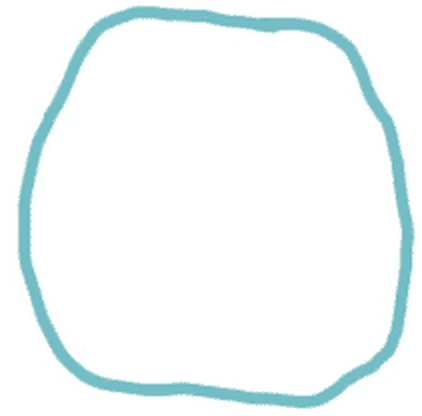
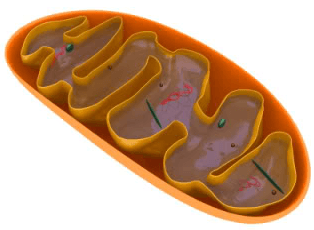
What am I?
a)
mitochondria
b)
lysosomes
c)
chloroplast
d)
endoplasmic reticulum
62.
What am I?
a)
vacuole
b)
ribosome
c)
endoplasmic reticulum
d)
golgi apparatus
63.
What am I?
a)
Nucleus
b)
Golgi Body
c)
Mitochondrion
d)
Plasma Membrane
64.
What is the name of the genetic material that is inside the nucleus?
a)
ER
b)
ATP
c)
YOLO
d)
DNA
65.
I am the outer most layer of an animal cell. What am I?
a)
cell wall
b)
nucleus
c)
cell membrane 
d)
cell skin
66.
What are tiny organelles that convert glucose into ATP?
a)
Ribosomes
b)
Vesicles
c)
Cytoskeleton
d)
Mitochondria
67.
What is the difference between rough and smooth ER?
a)
There is no difference.
b)
Plants have rough ER, animals have smooth ER.
c)
What type of injuries the Doctors treat.
d)
Rough has ribosomes, smooth does not.
68.

What does a plant cell have that an animal cell doesn't have?

a)

Cell Membrane and Cell Wall

b)

Cell Wall and Mitochondria

c)

Cell Wall and Nucleus

d)

Cell Wall and Chloroplast

69.
What is found in both plant and animal cells but is much larger in plant cells?
a)
Nucleus
b)
Mitochondria
c)
Chloroplast
d)
Vacuole
70.

Which organelle produces ribosomes?

a)

Nucleolus

b)

Cell Membrane

c)

Nucleus

d)

Mitochondria

71.
TRUE OR FALSE:  The Mitochondria produces energy for plant and animal cells.
a)
TRUE
b)
FALSE
72.

Arrange the levels of organization from smallest on the left to largest on the right.

a)

Cells

b)

Tissues

c)

Organs

d)

Organ Systems

e)

Organisms

1)
2)
3)
4)
5)
73.

Organize these options into the right categories

Categorize the following

Nucleus

Membrane-bound organelles

Large and complex

Ex. plant and animal cells

Cell membrane

Cytoplasm

Ribosomes

Genetic material (DNA)

NO nucleus

NO membrane-bound organelles

Small and simple

Ex. bacteria

Eukaryotic Cell
BOTH
Prokaryotic Cell
74.

Organize these options into the right categories

Categorize the following

cell wall

cell membrane

mitochondria

chloroplast

one central vacuole

multiple small vacuoles

lysosomes

centrosomes

boxy shape

round shape

nucleus

Plant Cell
BOTH
Animal Cell