Wayground logo

Free Printable Worksheets

Font size

S
M
L
XL
Worksheets

Science 9 Practice

Total questions: 60

Worksheet time: 2hrs 31mins
Name
Class
Date
1.
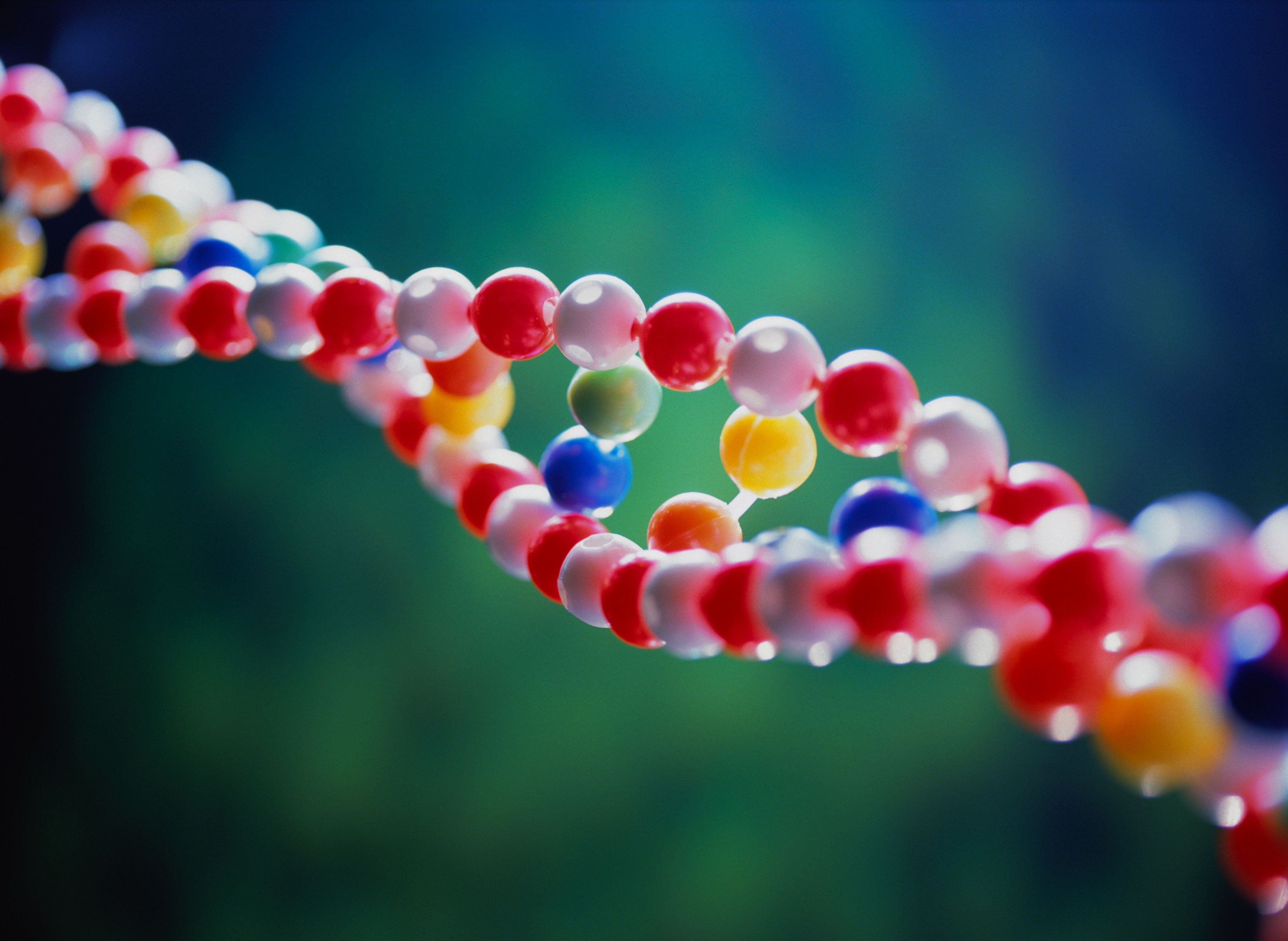
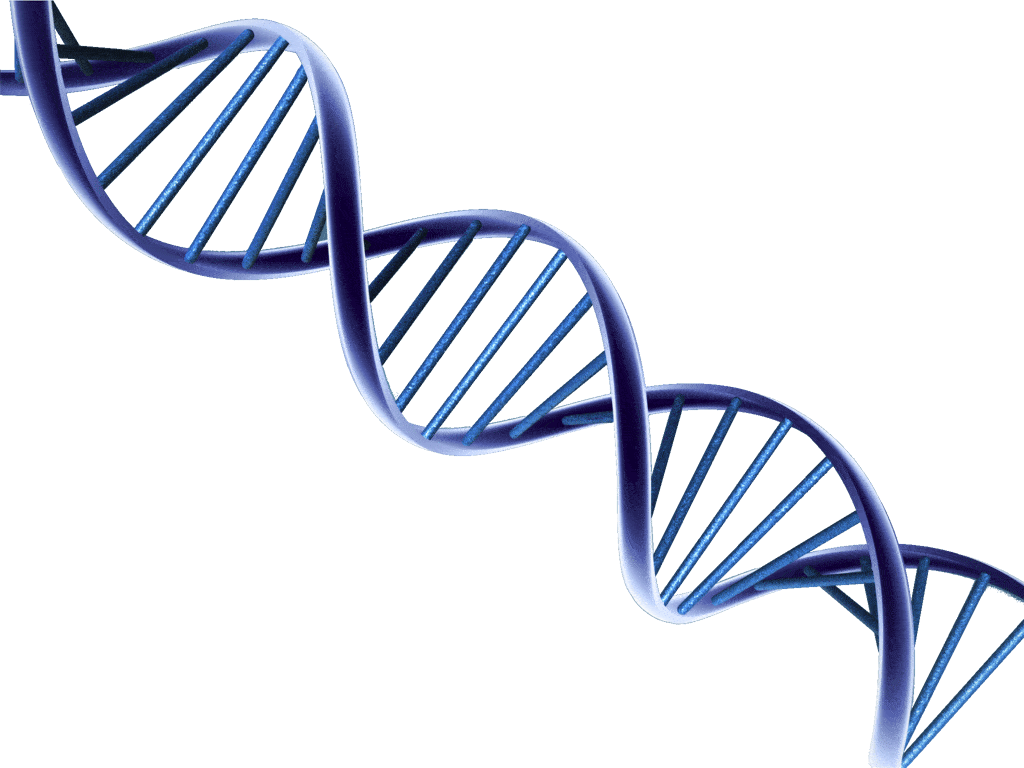
The drawing shows the structure of what molecule?
a)
A DNA molecule
b)
A lipid molecule
c)
A carbohydrate molecule
d)
A protein molecule
2.
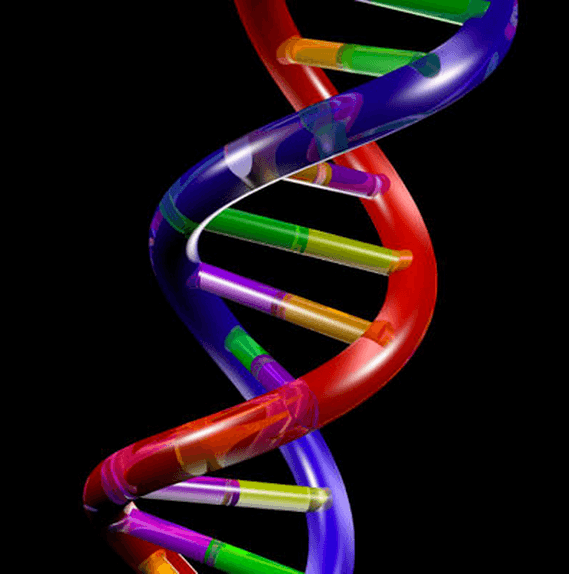
Which of the following best describes a DNA molecule?
a)
double helix
b)
contains ribose
c)
made of amino acids
d)
contains Uracil
3.
Which organelle is DNA usually found in?
a)
cell membrane
b)
vacuole
c)
chloroplast
d)
nucleus
4.
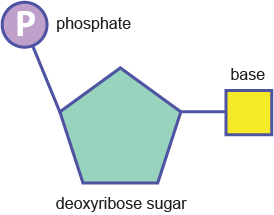
What are the nucleotides made of?
a)
Sugar, Phosphate, nitrogen base
b)
Phosphate, Adenine, nitrogen base
c)
Thymine, Adenine, Cytomine
d)
Phosphate, Nitrogen, Adenine
5.
What are the 4 nitrogen bases?
a)
adenine, thymine, cytoplasm, and guanine
b)
adenine, thymine cytosine, and guanine
c)
adenine, thymine, cytosine, and gylcerol
d)
adenine, thymine, cytosine, and glucose
6.
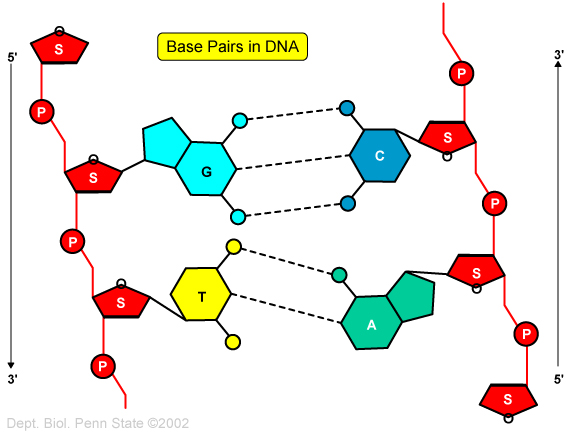
Which sequence of DNA bases would pair with this partial strand
ATG TGA CAG
a)
ATG TGA CAG
b)
TAC ACT GTC
c)
GTA AGT GAC
d)
CAT TCA CTG
7.
A process in which DNA has the unique ability to make an exact copy of itself.
a)
Replication
b)
Translation
c)
Transcription
8.
order of replication
a)
3, 2, 1, 4
b)
2, 1, 4, 3
c)
2, 3, 1, 4
d)
3, 4, 1, 2
9.
DNA will condense into...
a)
Centromeres
b)
Chromosomes
c)
Nuclei
d)
Spindle fibers
10.
Nucleotides are made up of a sugar, phosphate, and..?
a)
nitrogenous base
b)
nucleic acid
c)
cholesterol
d)
fatty acid
11.
Before cells can divide, what must be copied?
a)
mitochondria
b)
cytoplasm
c)
DNA
d)
Cell Wall
12.

What is the outer nonliving layer of a plant cell?

a)

Cell Wall

b)

Cell Membrane

13.

The jelly-like substance within the cell.

a)

Ribosomes

b)

Vacuoles

c)

Cytoplasm

d)

Endoplasmic Reticulum

14.

This is the cell's control center which directs all of the cell's activities. DNA is also stored here!!

a)

Nucleus

b)

Mitochondria

c)

Prokaryote

d)

Ribosome

15.

This produces most of the energy the cell needs to carry out its functions, the powerhouse of the cell.

a)

Endoplasmic Reticulum

b)

Mitochondria

c)

Nucleus

d)

Photosynthesis

16.

This produces the proteins in the cell.

a)

Vacuoles

b)

Nucleus

c)

E.R.

d)

Ribosomes

17.

This is found in plant cells ONLY. It's function is to use the sun's energy for photosynthesis. Gives plants their green color.

a)

Cytoplasm

b)

Nucleus

c)

Chloroplast

d)

Endoplasmic Reticulum

18.

The storage areas of the cell.....

a)

Vacuoles

b)

Ribosomes

c)

Mitochondria

d)

Cytoplasm

19.

This is the process where chloroplasts use the sun's energy to create food.

a)

Prokaryotes

b)

Eukaryotes

c)

Photosynthesis

d)

Sun eating

20.
What are cells?
a)
They regulate what materials enter and leave the organism
b)
They keep the animal plump
c)
The control center
d)
Basic units of all living things
21.
The control center of the cell is the 
a)
Nucleolus
b)
Cytoplasm
c)
Nucleus
d)
Cell Membrane
22.
This organelle is rigid and made of cellulose. It protects and support the cell 
a)
chloroplasts
b)
cell wall
c)
cell membrane
d)
E.R.
23.

The ________ controls the movement of materials into and out of the cell.

a)

cell membrane

b)

nucleus

c)

cytoplasm

d)

mitochondrion

24.

What structure in a plant cell enables the cell to capture energy from the Sun?

a)

cell wall

b)

chloroplast

c)

mitochondrion

d)

central vacuole

25.

All living things are composed of one or more cells.

a)

True

b)

Falso

26.

In which organelle are molecules packaged in preparation for distribution throughout the cell?

a)

mitochondrion

b)

vacuole

c)

cytoskeleton

d)

Golgi apparatus

27.

____________ is the gel-like substance found in a cell?

a)

cytoplasm

b)

chlorophyll

c)

water

28.

The __________ is the control center of a cell.

a)

mitochondrion

b)

nucleus

c)

vacuole

29.

Which cell part protects and provides shape for a plant cell?

a)

nucleus

b)

mitochondrion

c)

vacuole

d)

cell wall

30.

Both plant and animal cells have a cell membrane.

a)

True

b)

False

31.

Which statement about plant and animal cells is correct?

a)

Animal cells are irregular in shape; plant cells are regular in shape.

b)

Animal cells are regular in shape; plant cells are irregular in shape.

c)

Both animal and plant cells are irregular in shape

d)

Both animal and plant cells are regular in shape.

32.
This organelle collects, modifies, packages, and distributes molecules for the cell.
a)
Mitochondria
b)
Nucleus
c)
Ribosome
d)
Golgi Apparatus
33.
What gives instructions to the cells?
a)
DNA
b)
PNA
c)
MBA
d)
NBA
34.
A specialized structure inside of the cell are known as _____________.
a)
organ
b)
items
c)
organelle
d)
excess materials
35.
The _________ holds the dna for the cell
a)
vacuole
b)
smooth ER
c)
rough ER
d)
nucleus
36.

These are protein builders. They are located on the rough E.R.

a)

vacuoles

b)

lysosomes

c)

mitochondria

d)

ribosomes

37.
I am found in all cells. I am the outer most layer of an animal cell. What am I?
a)
cell wall
b)
nucleus
c)
cell membrane 
d)
cell skin
38.
You might think of me as the trash collector, but recycler is maybe more accurate. What am I?
a)
cytoplasm
b)
lysosome
c)
vacuole
d)
ribosome
39.
What do vacuoles do? 
a)

They actually do not have an important role

b)

They protect the cell

c)

They are the brain of the cell

d)

storage area for cells; water storage in plants; stores waste 

40.
The nucleus is like the ____________ of the cell.
a)
foot
b)
hand
c)
stomach
d)
brain
41.
Which of the following best describes a DNA molecule?
a)
double helix
b)
contains ribose
c)
made of amino acids
d)
contains Uracil
42.
What are the nucleotides made of?
a)
Sugar, Phosphate, nitrogen base
b)
Phosphate, Adenine, nitrogen base
c)
Thymine, Adenine, Cytomine
d)
Phosphate, Nitrogen, Adenine
43.
What are the 4 nitrogen bases?
a)
adenine, thymine, cytoplasm, and guanine
b)
adenine, thymine cytosine, and guanine
c)
adenine, thymine, cytosine, and gylcerol
d)
adenine, thymine, cytosine, and glucose
44.
Which sequence of DNA bases would pair with this partial strand
ATG TGA CAG
a)
ATG TGA CAG
b)
TAC ACT GTC
c)
GTA AGT GAC
d)
CAT TCA CTG
45.
order of replication
a)
3, 2, 1, 4
b)
2, 1, 4, 3
c)
2, 3, 1, 4
d)
3, 4, 1, 2
46.
DNA replication results in two DNA molecules,
a)
each one with two original strands
b)
each one with two new strands
c)
each one with one new strand and one original strand
d)
one with two new strands and the other with two original strands
47.
DNA will condense into...
a)
Centromeres
b)
Chromosomes
c)
Nuclei
d)
Spindle fibers
48.
In a molecule of double-stranded DNA, the amount of Adenine present is always equal to the amount of
a)
cytosine
b)
guanine
c)
thymine
d)
uracil
49.
Guanine bonds with ______________.
a)
Adenine
b)
Guanine
c)
Cytosine
d)
Thymine
50.
Adenine bonds with ______________.
a)
Guanine
b)
Thymine
c)
Cytosine
d)
Adenine
51.
Why is DNA important?
a)
it is very small and very complicated
b)
it's in everything
c)
it serves as the blueprint for traits of all living things
d)
because we eat it every day for energy
52.
What determines the code, or information, of a DNA molecule?
a)
the shape (structure) of the nitrogen bases
b)
the order (sequence) of the nitrogen bases
c)
the color of the nitrogen bases
d)
the frequency (number) of nitrogen bases
53.
Which 2 molecules form the sides (backbone) of the DNA ladder?
a)
deoxyribose sugar and adenine
b)
deoxyribose sugar and a hydrogen bond
c)
deoxyribose sugar and the nucleus
d)
deoxyribose sugar and phosphate
54.
Nitrogenous bases are joined by which type of bond?
a)
polar bonds
b)
ionic bonds
c)
covalent bonds
d)
hydrogen bonds
55.

Give the complementary strand for the DNA code:

AAT CAT GGA

a)

AAT CAT GGA

b)

TTA GTA CCT

c)

UUA GUA CCU

d)

GGA TAU CUA

56.
What are the three components of a nucleotide?
a)
sugar, hydrogen, nitrogen base
b)
sugar, oxygen, nitrogen base
c)
sugar, phosphate, nitrogen base
d)
sugar, phosphate, protein
57.
Nucleotides are made up of a sugar, phosphate, and..?
a)
nitrogenous base
b)
nucleic acid
c)
cholesterol
d)
fatty acid
58.
What does DNA stand for
a)
deoxyribose nucleic acid
b)
ribose nucleic acid
c)
delicate nucleic acid
d)
double nucleotide acid
59.
Which of the following monomers are repeatedly joined together to form a strand of DNA?
a)
amino acids
b)
nucleotides
c)
fatty acids
d)
polysaccharides
60.
How many chromosomes do humans have?
a)
46
b)
21
c)
10