Worksheets
Benchmark 1 Review
Total questions: 62
Worksheet time: 14hrs 49mins
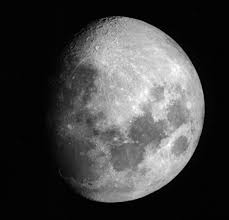
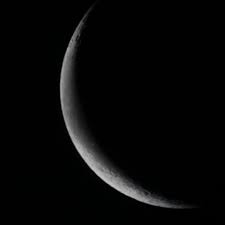
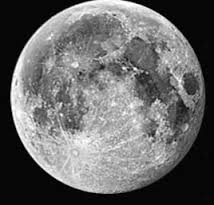
1st Quarter
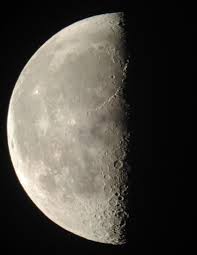
3rd Quarter

Tides are caused by the difference in the gravitational force of the ________ and ________ across the ________.
earth, sun, moon
sun, mars, jupiter
sun, moon, earth
tide, water, sun

_______are daily changes in ocean water.
Waters
Tides
Colors
Earths
A[n] ___________ tide occurs when the sun, Earth, and the moon are nearly in a line, creating the greatest differences in high tide and low tide.
spring
high
low
neap
A[n] ______________ tide occurs when the sun is at right angles to the line between Earth and the moon, resulting in weaker tides overall.
high
neap
low
spring

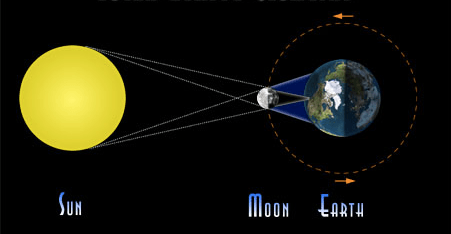
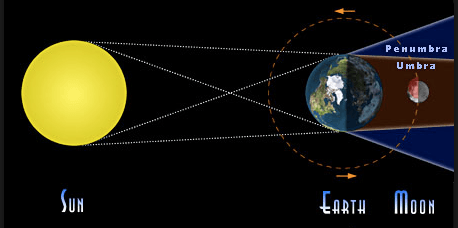
Which event is being shown?
Solar eclipse, with the Sun blocking our view of the moon
Lunar eclipse, with the moon blocking our view of Earth
Solar eclipse, with the Moon blocking our view of the Sun
Lunar Eclipse, with the Moon blocking our view of the Sun

Which body has the greater effect on Earth's tides?
Sun
Saturn
Moon
Venus

What is the solar system?
Several stars and planets orbiting each other
All the stars orbiting a black hole at the center
The sun and planets ONLY
The sun, planets, and all other objects that orbit the sun
What is the center of our solar system?
The sun
Earth
Jupiter
Saturn
Which planet is the farthest away from our sun?
Mars
Jupiter
Neptune
Uranus
One AU stands for Astronomical Unit. An Astronomical Unit (AU) is the distance between The Sun and the Earth, or 150 million meters. If Jupiter is 5 AU away from the Sun, how far way is Jupiter from the sun in Meters?
5 million meters away from the sun
1000 million meters away from the sun
750 million meters away from the sun
7500 million meters away from the sun
Where does the moon get its light from?
The moon makes its own light
The moon gets light from Earth
The Moon gets light from the sun
None of the above
Which is the largest, most luminous star on the chart?
Spica
Rigel
Betelgeuse
Deneb
Which group of stars is the Sun associated with?
Supergiants
Giants
White Dwarfs
Main Sequence
What is the temperature of the star Sirius?
50
10,000
1
100
What is the luminosity of the Sun?
5,500
100
1
6,000
Name the largest planet in size.
Saturn
Jupiter
Earth
Neptune
Which planet is the most eccentric, or has the highest eccentricity?
Saturn
Earth
Mars
Mercury
Which planet has the shortest day?
Jupiter
Mercury
Neptune
Earth
What is the name of the galaxy that contains our solar system?
Andromeda
Milky Way
Whirlpool
Triangulum
Which planet is known as the 'Red Planet'?
Venus
Mars
Jupiter
Mercury
Which statement is true?
The galaxies are moving toward us.
The galaxies are moving away from us.
The universe remains static or unchanged in motion.
None of the above
Light emitted from a star or galaxy can be separated into a band of colors, called a ________.
Red Shift
Wave Length
Spectrum
Microwave
Which elements are most
abundant in the visible
universe?
Hydrogen and Carbon
Carbon and Helium
Hydrogen and Oxygen
Hydrogen and Helium
The Cosmic Background Radiation is:
the remaining energy from the big bang.
incredibly hot.
visible to the human eye.
only located in certain places in the universe.
If a star is being observed from Earth and it's light has shifted towards the blue/violet side of the electromagnetic spectrum it would be...

At 10,000 degrees Celsius, hydrogen begins to come together to form helium and energy is released in a process called
Which star is not as hot as our Sun, but has a greater luminosity?
Spica
Aldebaran
Polaris
Procyon B
The sun will eventually become a star similar to
Procyon B
Spica
Deneb
Barnard's Star

Polaris is called the North Star because...
It is a cold star.
It is the brightest in the sky.
It is located above the Earth's North Pole.
It is only seen in the winter.
Which planet has the most circular orbit?
Mercury
Mars
Earth
Venus
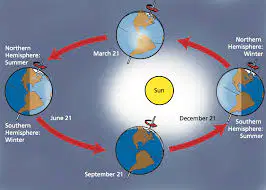
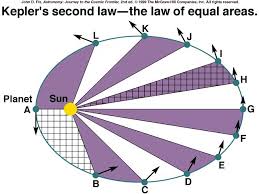
As the Earth passes through the Winter Solstice, it ...
is moving faster than at the Summer Solstice.
is moving slower than at the Summer Solstice.
is moving the same speed than at the Summer Solstice.
is no longer moving at all.
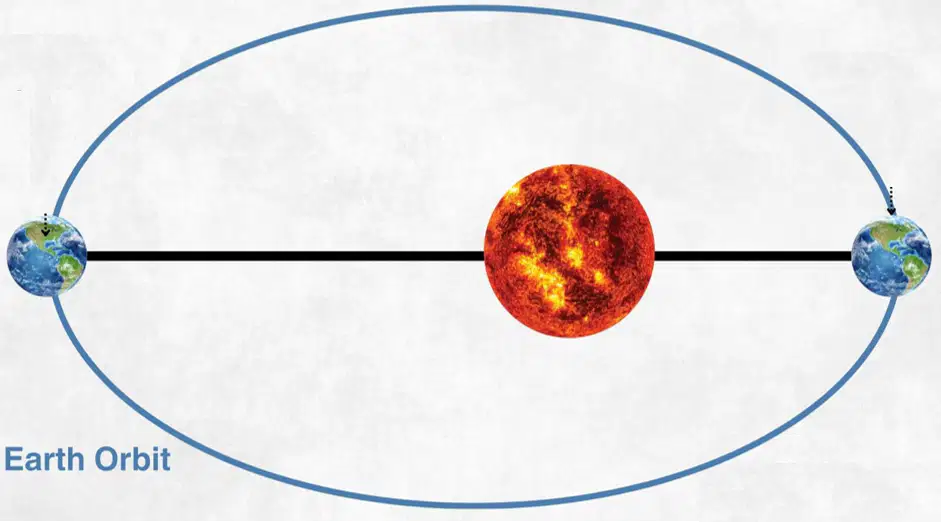
The place where a planet is closest to the Sun as it orbits the Sun is called the ...
perihelion
aphelion
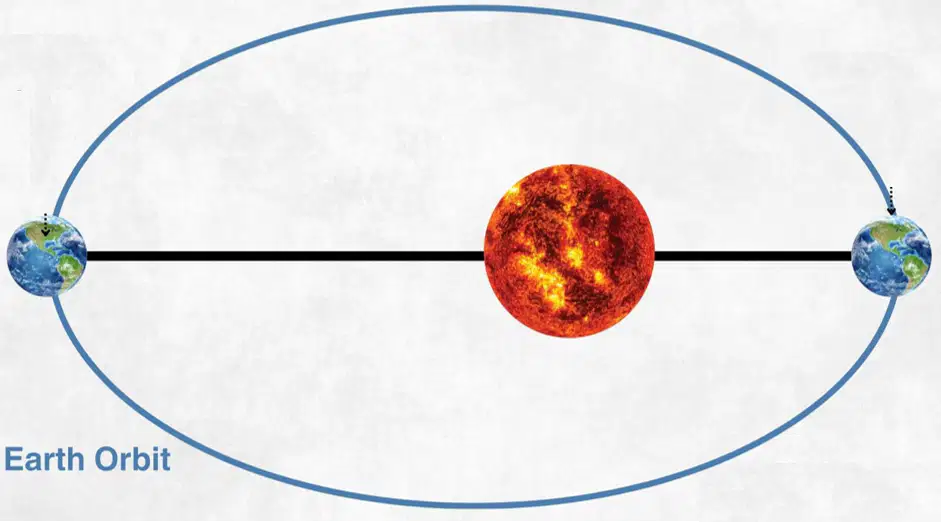
The place where a planet is farthest from the Sun as it moves along its orbit is called the ...
aphelion
perihelion

The farther a planet is from the Sun, the __________ it takes to orbit the Sun.
longer
shorter
it does not matter since the rate will be the same for all planets
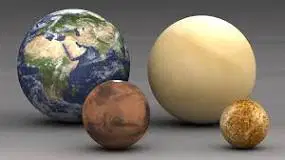
Which of the inner planets have the LARGEST eccentricity?
Mercury
Earth
Venus
Mars