
NEW
Font size
 Worksheets
Astronomy D Stars & Galaxies
Total questions: 58
Worksheet time: 48mins


A flat, disk-shaped galaxy with a central bulge and winding "arms" that extend outward.
irregular galaxy
spiral galaxy
elliptical galaxy
random galaxy

What galaxy do we live in?
The Milkey Way
The Mikey's Way
The Milky Way
The toilet


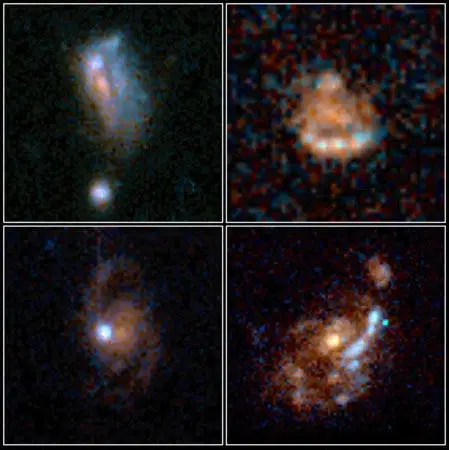
What type of galaxy has no defined pattern, symmety, or shape?

The color of a star depends on its
size
temperature
shape
magnitude
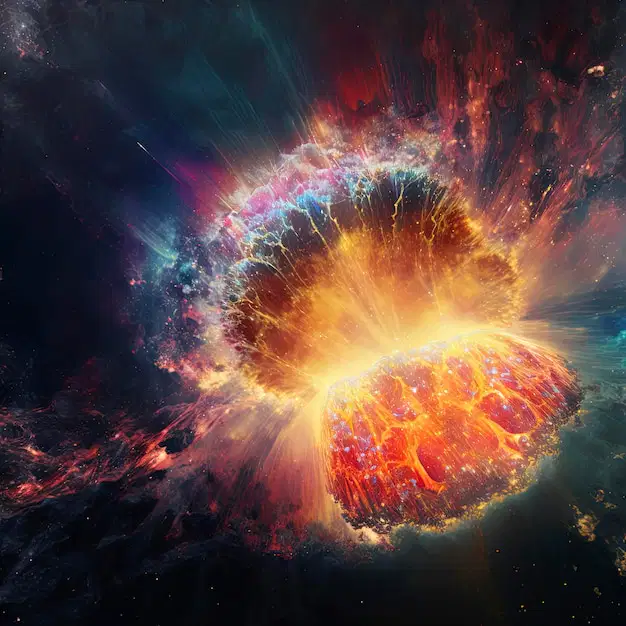
A supernova is the explosion of a dying:
medium-mass star
high-mass star
protostar
low-mass star
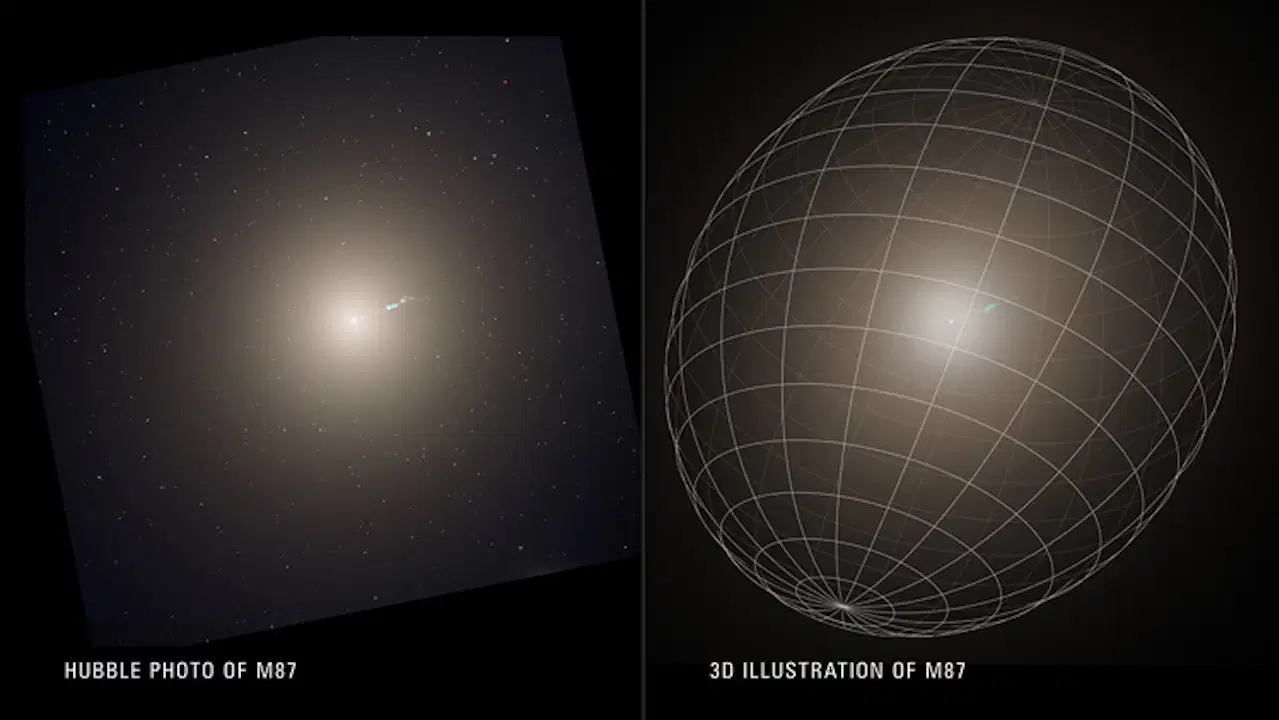
What type of galaxy can be oval-shaped, a sphere, or even a football?
a spiral galaxy
an elliptical galaxy
an irregular galaxy


About 90 percent of the stars in the universe, including the sun, are main sequence stars. What do all main sequence stars have in common?
All main sequence stars are yellow like our sun.
All main sequence stars are as bright as our sun.
They are all undergoing fusion of helium into carbon within their cores
They are undergoing fusion of hydrogen into helium within their cores

On an HR diagram, stars at the same temperature are found...
aligned horizontally (next to each other)
aligned vertically (one above the other)
along the main sequence
spread through the diagram
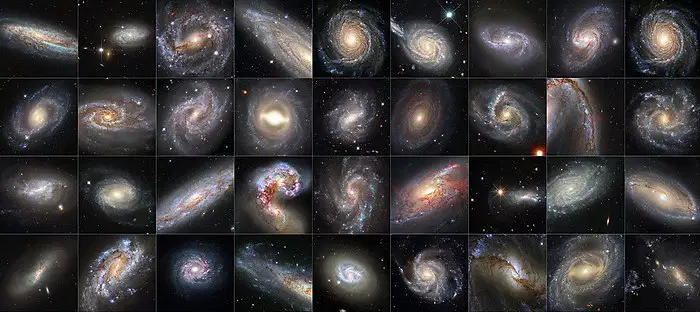
A large group of stars, gas, and dust is called....
a universe
a cluster
a galaxy
a solar system

A star is born in a cloud of gas and dust called a __________.
nebula
galaxy
asteroid
black hole

Blue or white


In the diagram given, what happens as we move to the left?
Stars get larger
Stars get colder
Stars get hotter
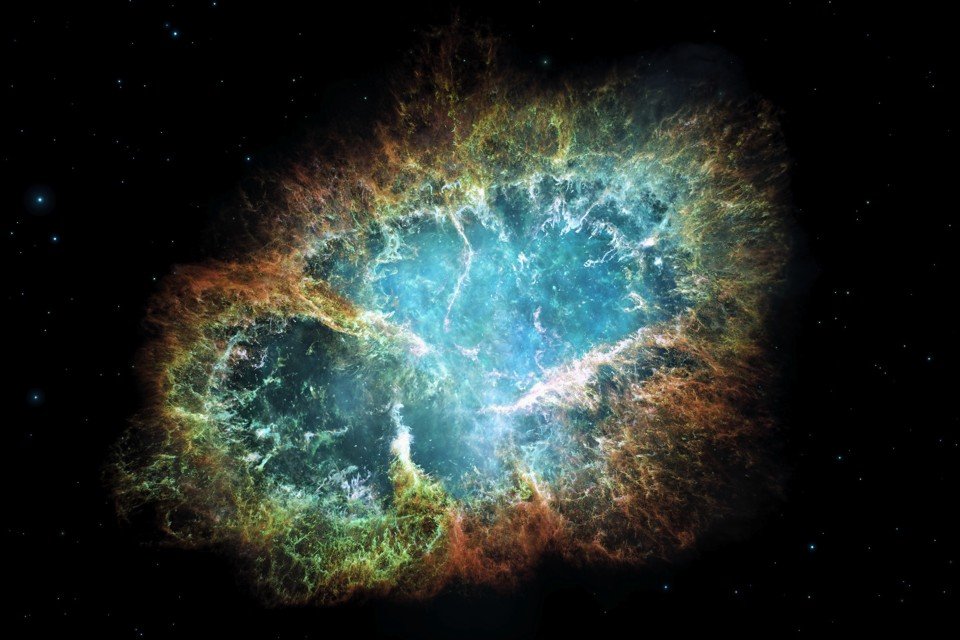


As you move from the bottom to the top of the H R diagram the luminosity/brightness
Decreases
Increases

The universe is __________ years old.
13,700,000,000 (billion)
13,700,000 (million)
13,700
13

A common measure of distance used to measeure between stars or galaxies is....
kilometers
feet
a space meter
a light year

What is the broadly accepted theory of the beginning of the universe?
the big freeze
the big rip
the big crunch
the big bang

Which characteristics best describe the star Betelgeuse?
reddish orange with low luminosity and high surface temperature
reddish orange with high luminosity and low surface temperature
blue white with low luminosity and low surface temperature
blue white with high luminosity and high surface temperature

Fourteen billion years represents the approximate age of
Earth
Earth’s Moon
our solar system
the universe
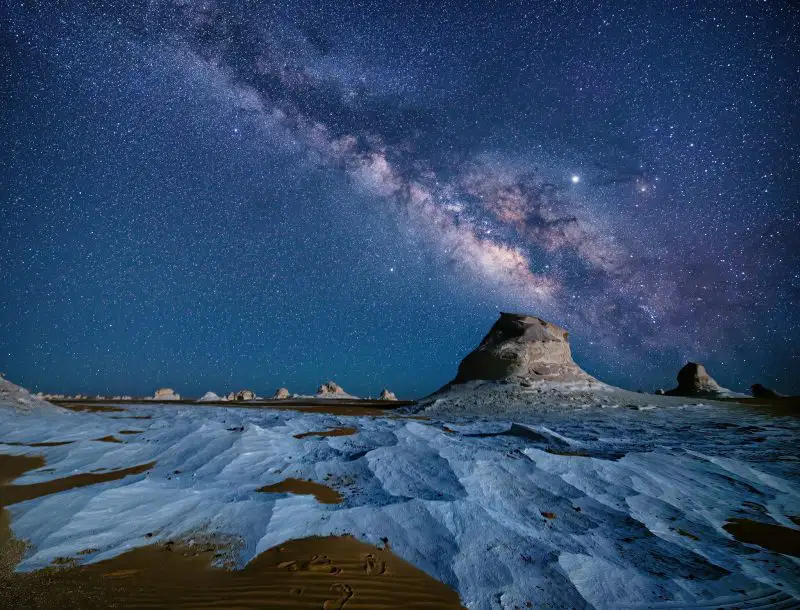
Earth, the Sun, and billions of stars are contained within
a single constellation
the Milky Way galaxy
the solar system
a giant cloud of gas
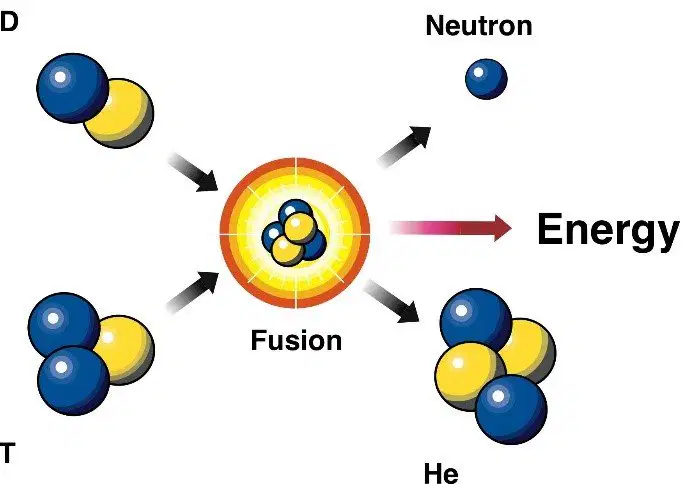
Which process generates the energy that is released by stars?
radioactive decay
convection currents
thermal conduction
nuclear fusion
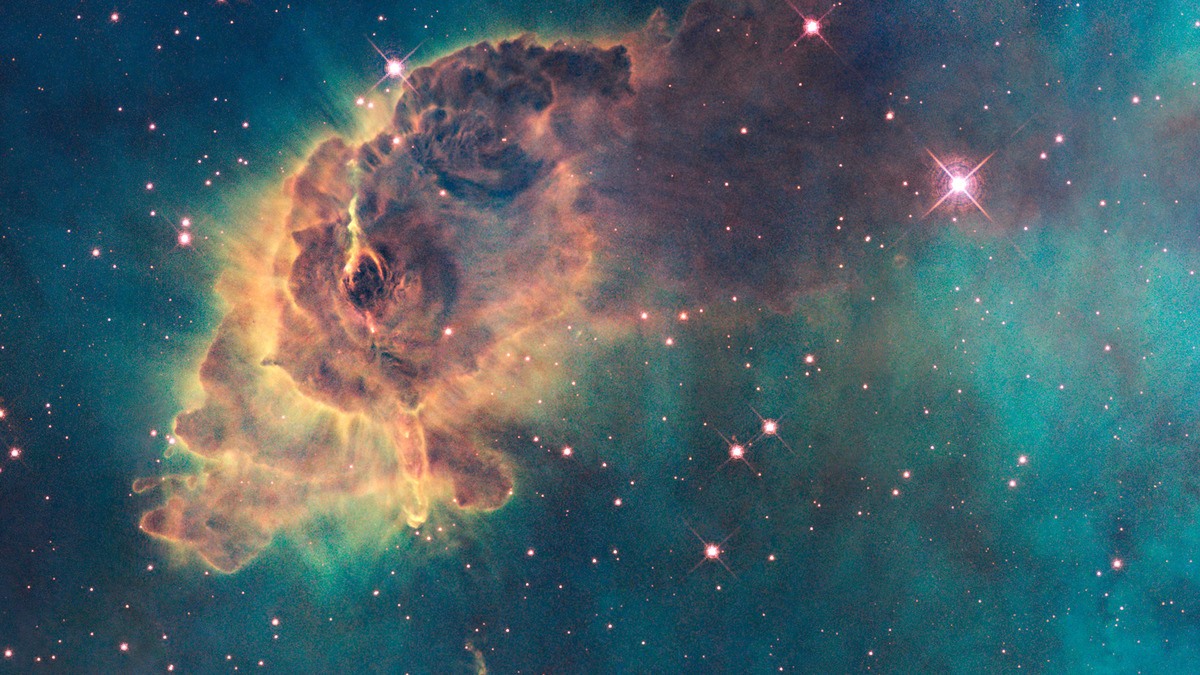
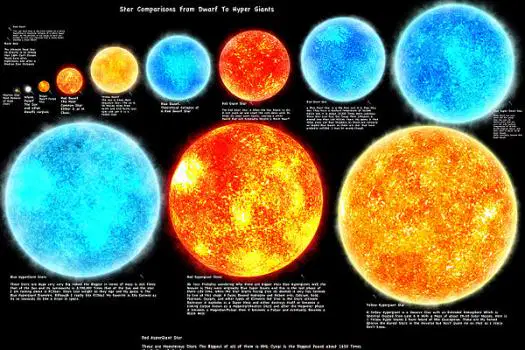


After the main sequence, a high mass star becomes a
black dwarf
protostar
red giant
red supergiant

After the main sequence, a high mass star becomes a
black dwarf
protostar
red giant
red supergiant/hypergiant

sort of cool, dim (not too much light), and red?

What small, hot, faint objects are found at B?
neutron stars
black holes
white dwarfs
brown dwarfs




1. This graphic represents the Milky Way. Which label bests represents the location of our solar system in the Milky Way?
A
B
C
D

In the Milky Way where would you find our solar system?
in the center
near the center
one of the spiral arms
on the outside edge

How were heavier elements formed?
produced in the core of a star_
gases from a star
iron in planets
farther away from the sun

In which area of the Sun does gas rise as it heats up, then fall back down as it cools?
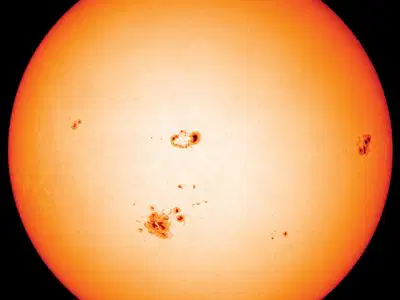
When we look at the Sun, what atmospheric layer (sphere of light)are we viewing?

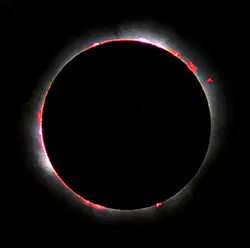
Which "colorful" layer of the Sun is found between Corona and Photosphere?

The sun is the closest ________ to the Earth.
star
moon
planet
asteroid
How many stars are there in the Milky Way?
100 Billion
Between 200 and 400 Billion
Too many to ever really know
Between 200 and 400 Million
According to the most recent survey of the galaxy's size, how big is the Milky Way?
100,000 parsecs in radius
100,000 light years in circumference
200,000 light years in diameter
200,000 parsecs in radius
Which ancient peoples first coined the term "milky way?"
The Anasazi
The Romans
The Greeks
The Egyptians
Which galaxy will the Milky Way merge with in about 5 billion years?
The Pegasus galaxy
The large Magellanic cloud
The Sagittarius Dwarf galaxy
The Andromeda galaxy
What is the name of the object in the center of the Milky Way?
Sagittarius A
Sagittarius A*
Sagittarius A#
Sagittarius A^
What is the name of the region around outside of the milky way?
The disc
The bulge
The halo
The expanse
Where do we find the densest region of stars within the Milky Way?
The bulge
The disk
The halo
They are evenly distributed

