Worksheets
TIBQ #3 Biology HSHS
Total questions: 54
Worksheet time: 27mins

makes proteins from amino acids
ribosomes
mitochondria
nucleus
lysosome

breaks down glucose to produce energy (ATP) during cellular respiration
mitochondria
nucleus
cytoplasm
chloroplast

contains DNA, which has the information on how to make the cell's proteins
control center for the cell
nucleus
lysosome
mitochondria
endoplasmic reticulum


What is this cell structure?
Mitochondria
Ribosome
Chloroplast
Nucleus
Vacuole
A jellylike substance that transports materials in the cell
vacuoule
nucleus
cytoplasm
ectoplasm
What is the function of cell membrane ?
responsible for making proteins
responsible for storage
responsible for materials going in and out of cell
responsible for DNA


Identify the structure for "A"
Nucleus
Cell membrane
Mitochondria
Vacuole
Identify the structure for "B"
Nucleus
Cell membrane
Mitochondria
Vacuole
Identify the function for "A"
stores genetic information
transports materials in and out
makes ATP (energy)
Storage of waste
Identify the structure for "C"
Nucleus
Cell membrane
Mitochondria
Vacuole
Identify the function for "C"
stores genetic information
transports materials in and out
releases energy
Storage of waste
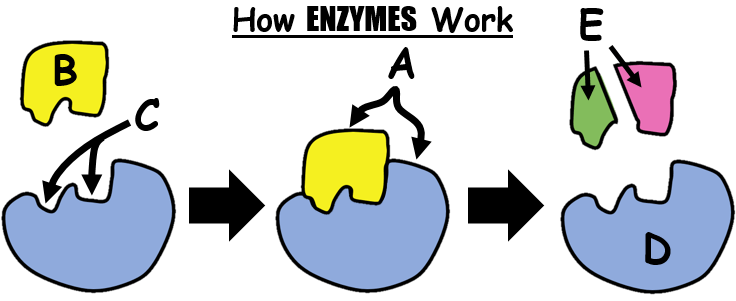
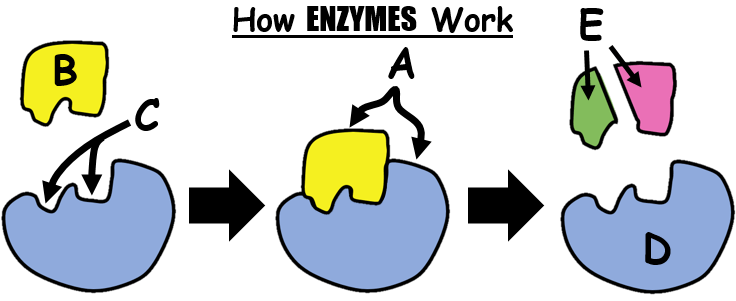
Enzymes are an example of
Lipids
Carbohydrate
Protein
Nucleic Acid
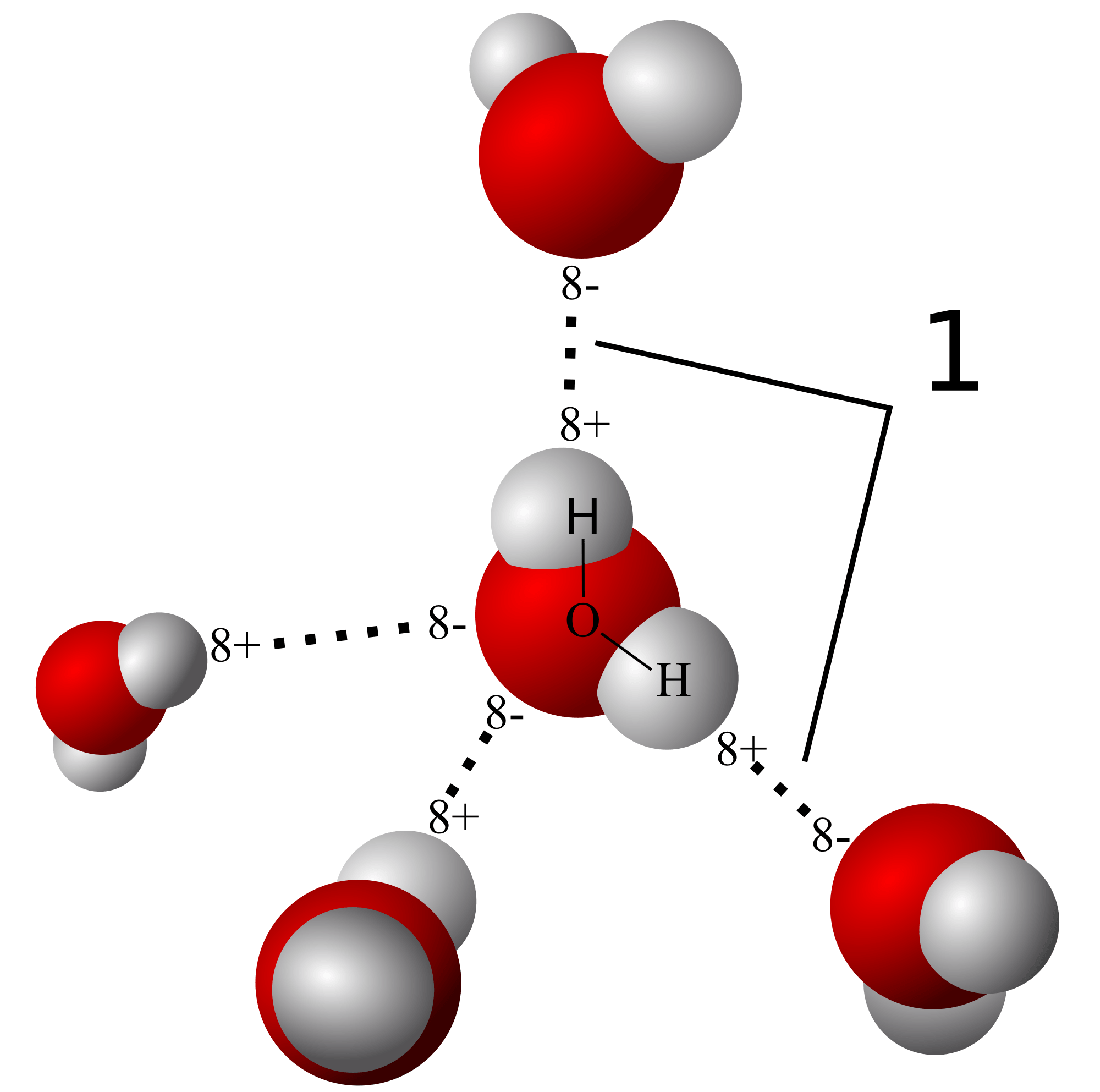

Which of the following describes a hydrogen bond?
a. the bond between two hydrogen atoms within a molecule of water
b. the bond between hydrogen in one water molecule and another hydrogen in a different water molecule
c. the bond between hydrogen and oxygen within a molecule of water
d. the bond between hydrogen in one water molecule and oxygen in a different water molecule
Which property of water provides the cooling effect of sweating?
a. cohesiveness
b. surface tension
c. high heat of vaporization
d. adhesiveness

When salt is dissolved in water, water is the
solvent
solute
solution
reactant

What characteristic is shown in the image?
Polarity
Hydrogen Bonds
Cohesion
Adhesion

Which side of the water molecule has a slightly positive charge?
Oxygen
Hydrogen
It's all positive
It's all negative

Which side of the water molecule has a slightly negative charge?
It's all negative
It's all positive
Hydrogen
Oxygen
What is the amount of heat required to raise the temperature of one gram of a substance by one degree Celsius?
Surface Tension
Density
Polarity
Specific Heat Capacity