
 Worksheets
Final Practical Review
Total questions: 61
Worksheet time: 35mins

This flower has a(n) ______ ovary
superior
inferior
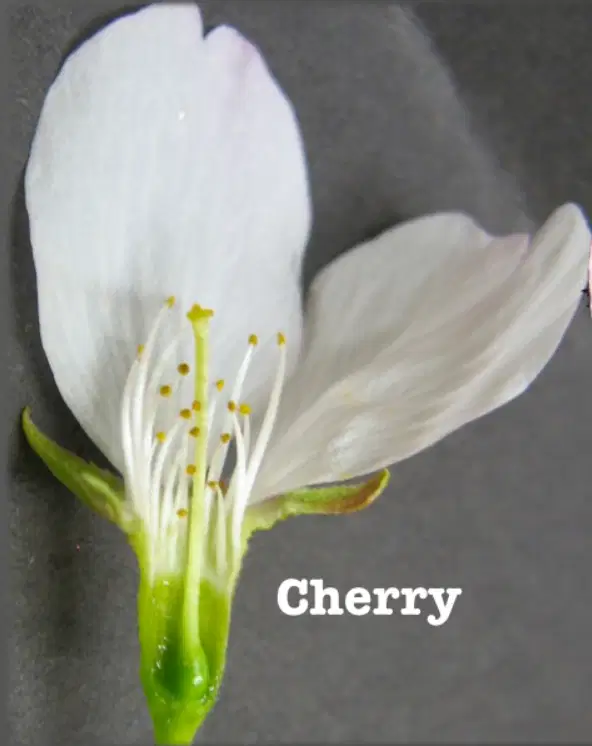
This flower has a(n) ______ ovary
superior
inferior
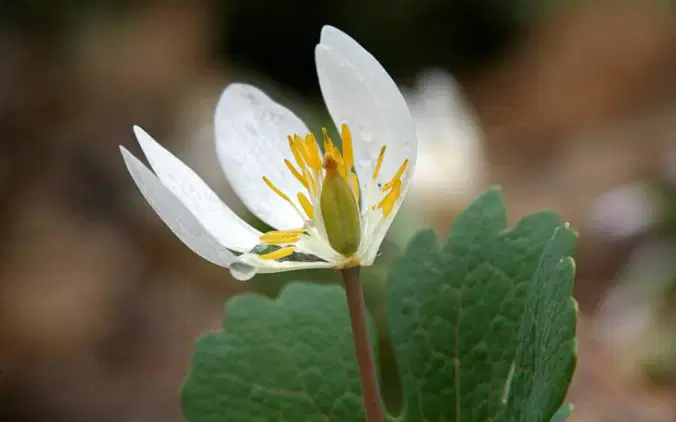
This flower has a(n) ______ ovary
superior
inferior
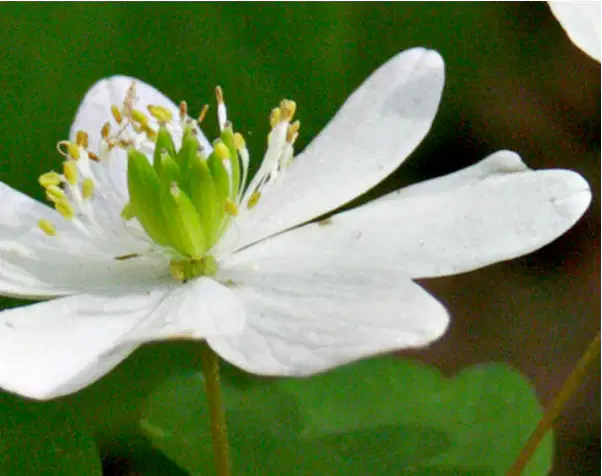
This flower has a(n) ______ ovary
superior
inferior
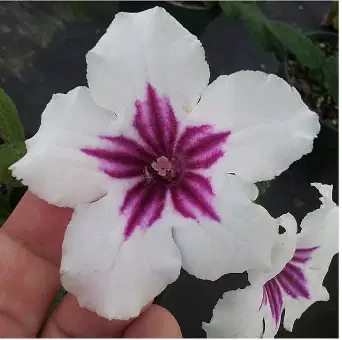
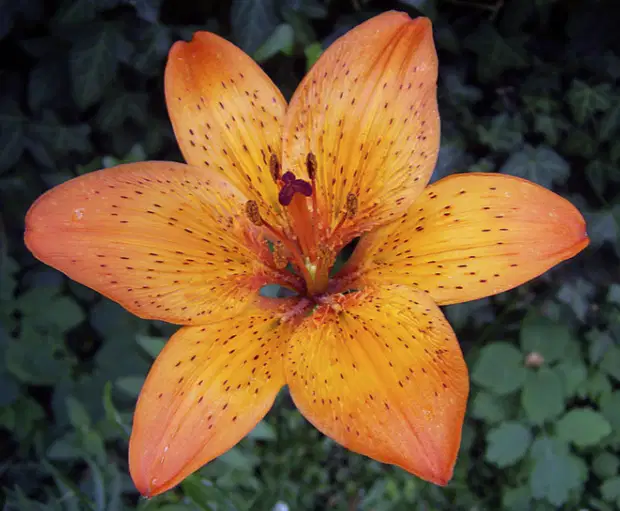
This flower has _______ symmetry
Radial
Bilateral
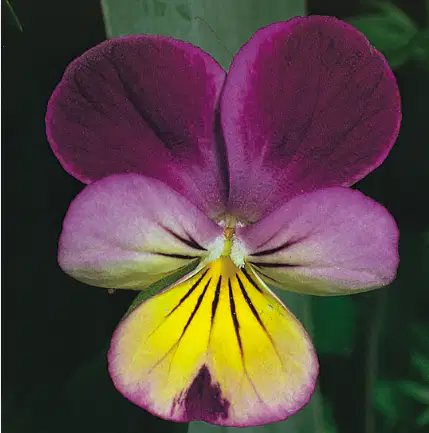
This flower has _______ symmetry
Radial
Bilateral
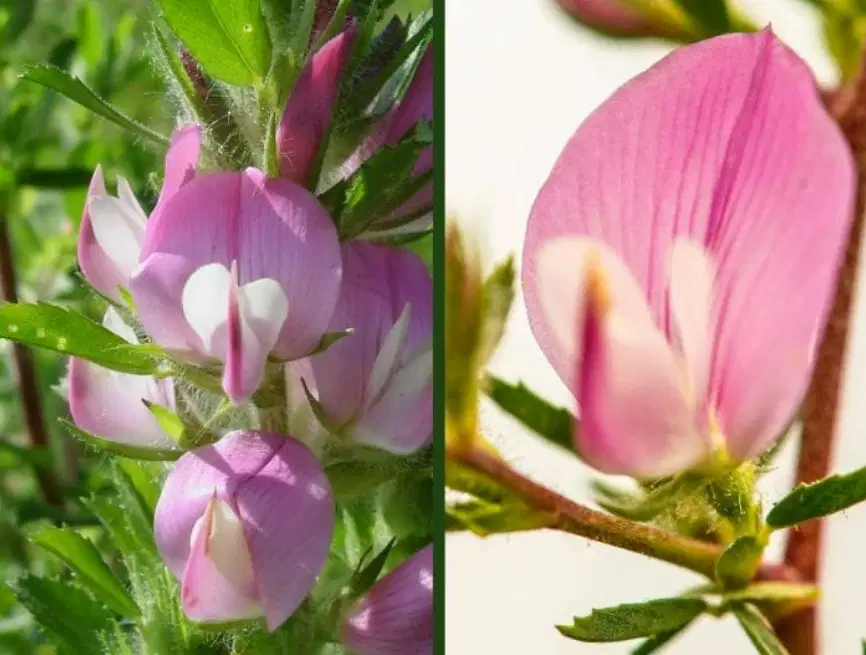
This flower has _______ symmetry
Radial
Bilateral
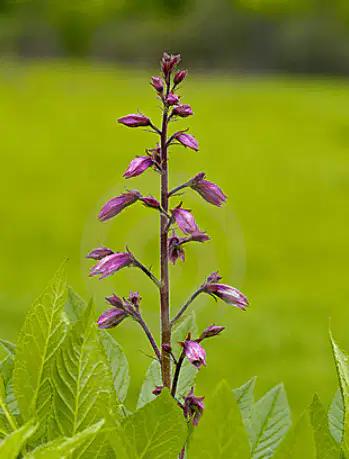
This flower has _______ symmetry
Radial
Bilateral
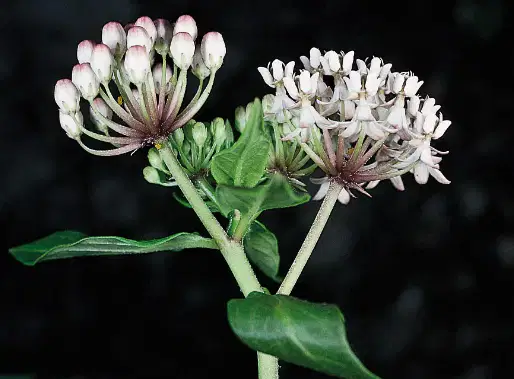
What inflorescence is seen here?
Raceme
Spike
Head
Umbel
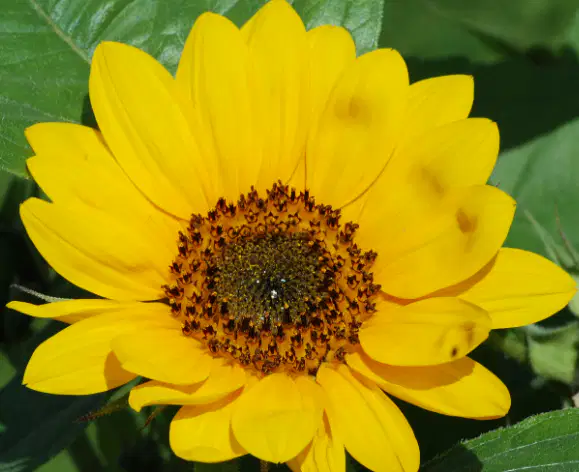
What inflorescence is seen here?
Raceme
Spike
Head
Umbel
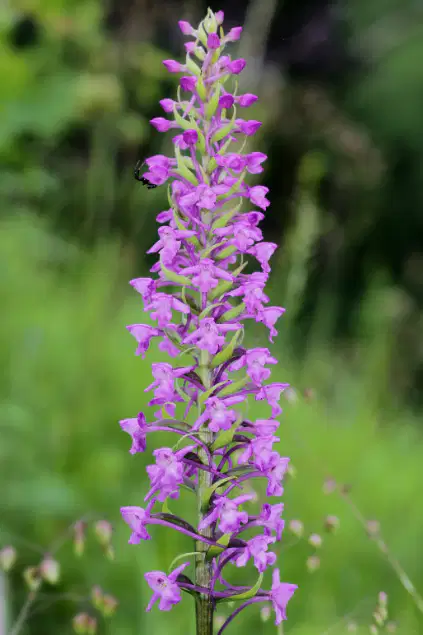
What inflorescence is seen here?
Raceme
Spike
Head
Umbel
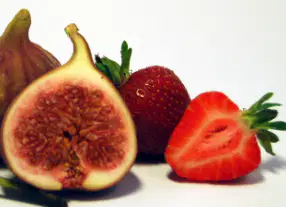
What inflorescence is seen here?
Raceme
Spike
Head
Umbel
What is a characteristic of an accessory fruit?
It has no seeds
The fruit develops from plant parts instead of the ovary.
The fruit develops from the ovary only.
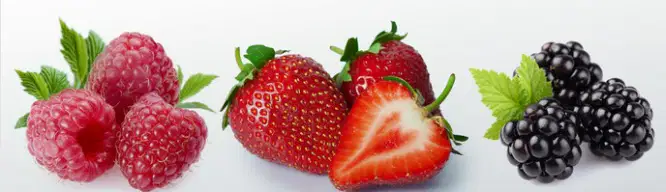
What is a characteristic of an aggregate fruit?
It is produced from a single flower and multiple carpels
It is produced from multiple flowers (an inflorescence)
It is produced from a single flower and a single carpel
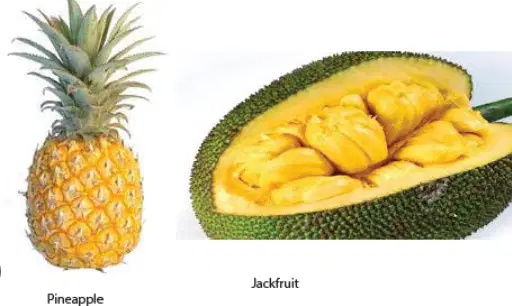
What is a characteristic of a multiple fruit?
It is produced from a single flower and multiple carpels
It is produced from multiple flowers (an inflorescence)
It is produced from a single flower and a single carpel
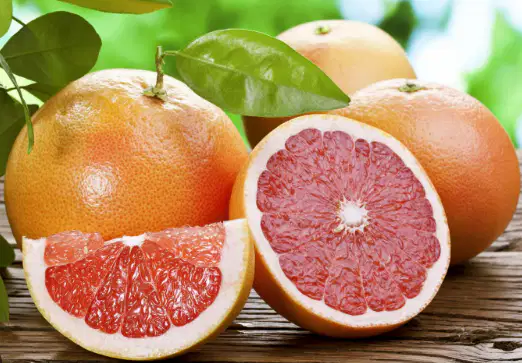
What is a characteristic of a hesperidium fruit?
stone pit hard covering around seed
thick leathery rind & juicy vesicles
Develops from an ovary of 1 or more fused carpels with several ovules per carpel
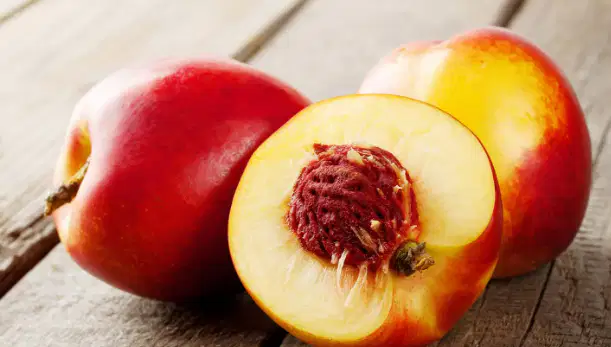
What is a characteristic of a drupe fruit?
stone pit hard covering around seed
thick leathery rind & juicy vesicles
Develops from an ovary of 1 or more fused carpels with several ovules per carpel
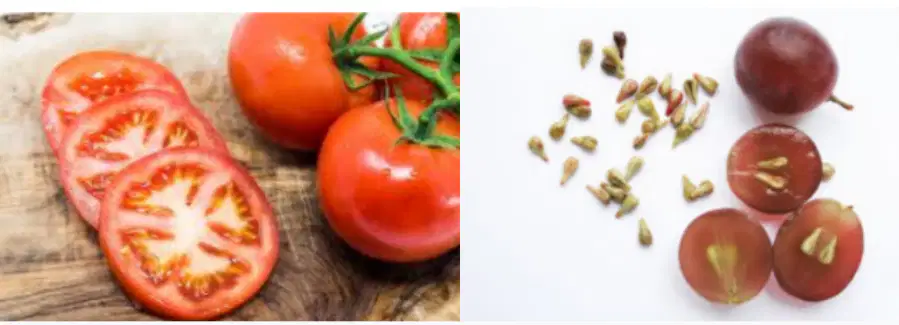
What is a characteristic of a berry?
stone pit hard covering around seed
thick leathery rind & juicy vesicles
Develops from an ovary of 1 or more fused carpels with several ovules per carpel
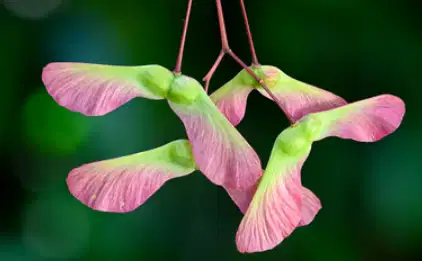
What is a characteristic of a samara?
dry fruit; indehiscent; wind dispersed
dry fruit; dehiscent; bursts open
fleshy fruit; disperses via animal eating it
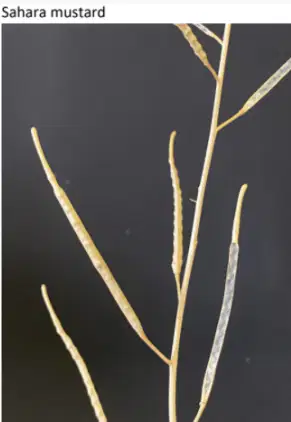
What is a characteristic of a Silque?
dry fruit; indehiscent; wind dispersed
dry fruit; dehiscent; papery partition inside
fleshy fruit; disperses via animal eating it
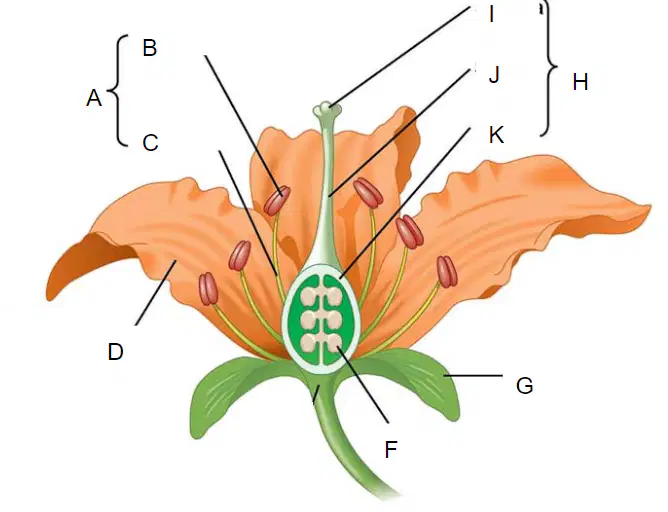
Which letter points to the ovary?
C
I
J
K
B
Which letter points to the stamen?
A
I
J
K
B
Which letter points to the sepal?
C
G
D
F
B

Is this flower perfect or imperfect?
Perfect (has both ovule bearing and pollen bearing structure)
Imperfect (has only ovule bearing structure)
Imperfect (has only pollen bearing structure)
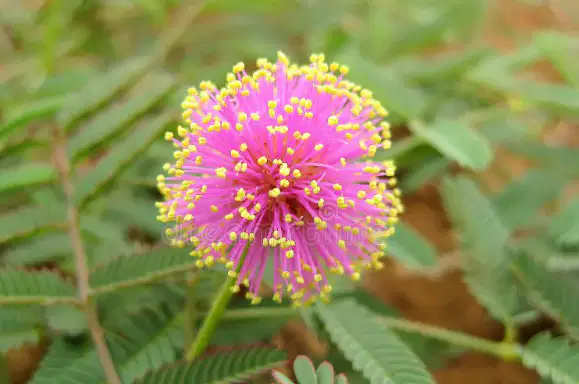
Is this flower perfect or imperfect?
Perfect (has both ovule bearing and pollen bearing structure)
Imperfect (has only ovule bearing structure)
Imperfect (has only pollen bearing structure)
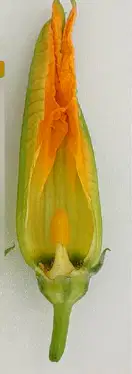
Is this flower perfect or imperfect?
Perfect (has both ovule bearing and pollen bearing structure)
Imperfect (has only ovule bearing structure)
Imperfect (has only pollen bearing structure)
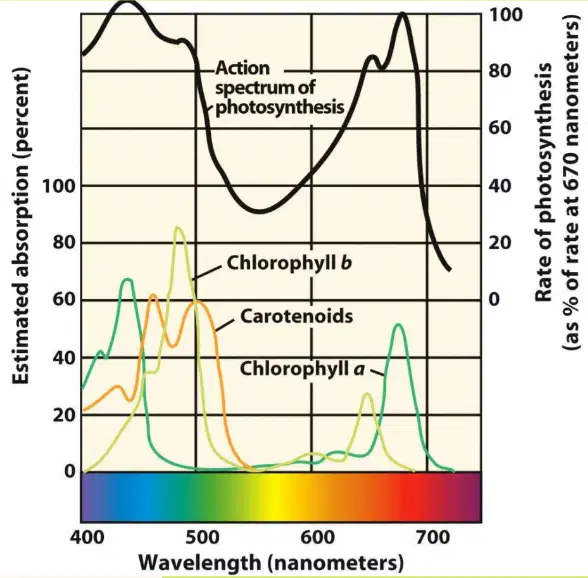
What color wavelength does chlorophyll b absorb most?
Blue
Red
Green
Yellow
What color wavelength does chlorophyll a absorb most? (multiple may apply)
Blue
Red
Green
Yellow
What color wavelength do carotenoids absorb most? (multiple may apply)
Blue
Red
Green
Yellow
If a plant is grown in low light it will __________
have starch in the guard cells
have no starch
develop etioplasts
If a plant is grown in the dark it will __________
have starch in the guard cells
have no starch
develop etioplasts
If a plant is grown in regular light it will __________
have starch in the guard cells
have no starch
develop etioplasts
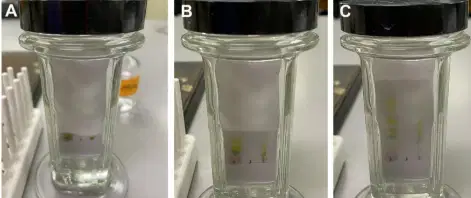
How does thin layer chromatography work? (multiple answers may apply)
Separates pigments according to size of particles
Smaller particles (more dissolved in solvent) move up higher than larger (less dissolved) particles
Solvent moves up by capillary action
Larger particles (less dissolved in solvent) move up higher than smaller (more dissolved) particles
Solvent moves up by gravitropism
Chloroplasts contain... (multiple answers may apply)
Starch grains
Chlorophyll
Carotenoids
Raphides
Sclerids
What is the effect of auxin?
cell division, release of axillary buds
fruit ripening in some species and abscission of leaves, flowers, or fruits
apical dominance, cell elongation, stimulation of root and flower development
stomatal closure, induction of storage proteins in seeds, dormancy in seeds
What is the effect of cytokinin?
cell division, release of axillary buds
fruit ripening in some species and abscission of leaves, flowers, or fruits
apical dominance, cell elongation, stimulation of root and flower development
stomatal closure, induction of storage proteins in seeds, dormancy in seeds
What is the effect of ethylene?
cell division, release of axillary buds
fruit ripening in some species and abscission of leaves, flowers, or fruits
apical dominance, cell elongation, stimulation of root and flower development
stomatal closure, induction of storage proteins in seeds, dormancy in seeds
What is the effect of abscisic acid?
cell division, release of axillary buds
fruit ripening in some species and abscission of leaves, flowers, or fruits
apical dominance, cell elongation, stimulation of root and flower development
stomatal closure, induction of storage proteins in seeds, dormancy in seeds
What happens to plant tissue when cytokinin levels = auxin levels?
callus forms
produce shoots
produce roots
growth is stunted
What happens to plant tissue when cytokinin levels > auxin levels?
callus forms
produce shoots
produce roots
growth is stunted
What happens to plant tissue when cytokinin levels < auxin levels?
callus forms
produce shoots
produce roots
growth is stunted
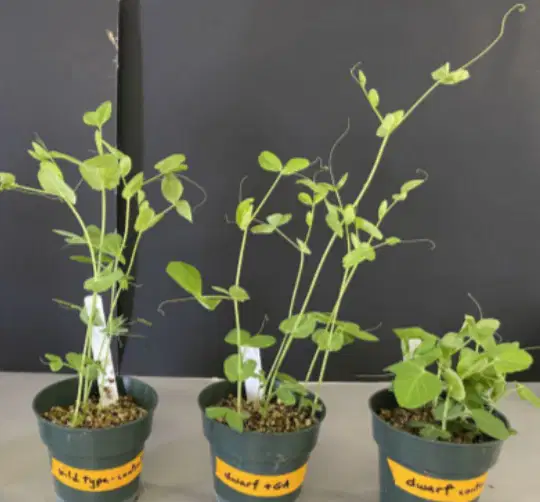
What are functions of gibberellin? (multiple answers may apply)
Increase the height of a plant
Has the most dramatic effect on stem elongation
Dominant role in seed germination
Dominant role in keeping seeds dormant
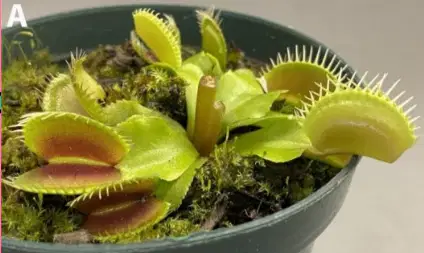
What tropism/nastic movement is depicted here?
Gravitropism
Phototropism
Thigmonastic Movement
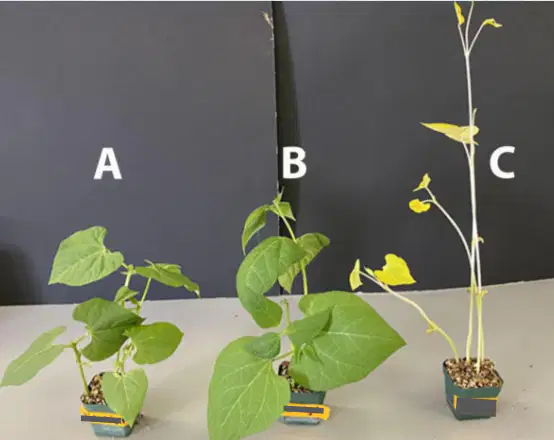
Which plant is grown in full light?
A
B
C
Which plant is grown in low light?
A
B
C
Which plant is grown in the dark?
A
B
C
Why does B have larger leaves? (multiple answers may apply)
Larger leaves increase surface area to absorb as much light as possible in a low-light setting
Growing in low light makes it more
dependent on auxin since this is tied to a light response
Growing in high-light makes it more
dependent on auxin since this is tied to a light response
Larger leaves increase surface area to absorb as much light as possible in a high-light setting
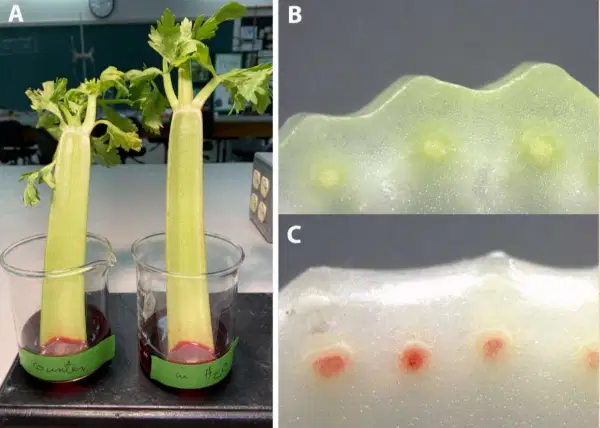
One celery stick (B) was placed on the table for 10 mins after cut. (A) was placed immediately in dye. Why did the dye move farther up in A?
Stalk A was received more wind
In B water transport was disrupted by air bubbles in the xylem
Random chance
Stalk B was not cut properly
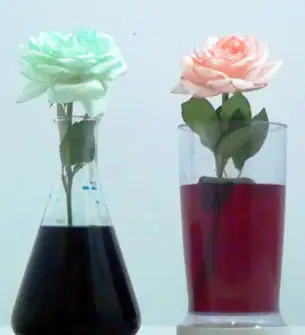
What is the purpose of this activity?
This tells us that vascular tissue arranged at the bottom stem transports water and minerals to the top
This tells us that ground tissue arranged at the bottom stem transports water and minerals to the top
This tells us that dermal tissue arranged at the bottom stem transports water and minerals to the top
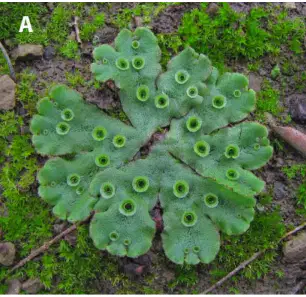
Mosses & liverworts ___________ (multiple answers may apply)
are gametophyte dominant
are sporophyte dominant
have vascular tissue
do not have vascular tissue
have seeds
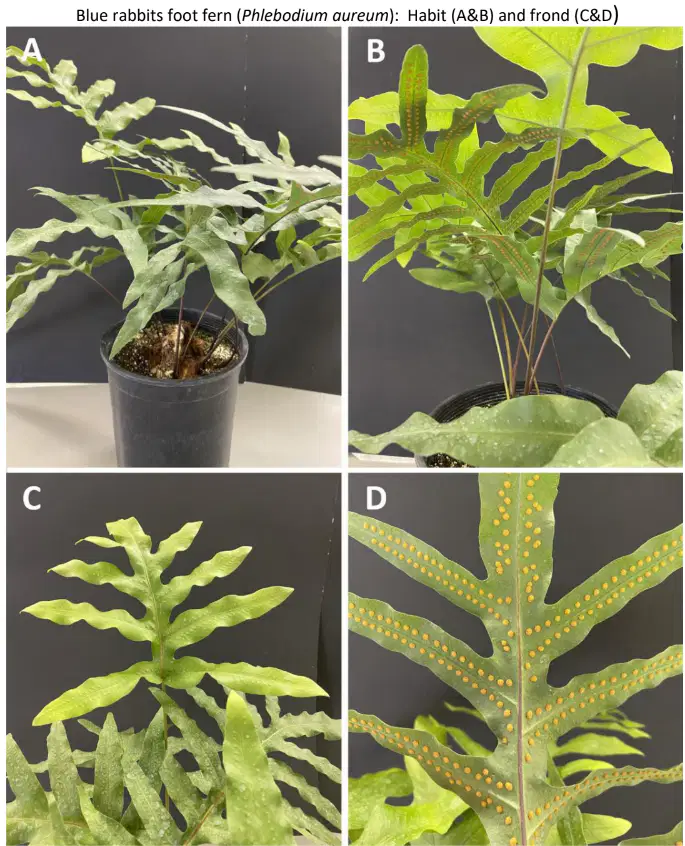
Ferns ___________ (multiple answers may apply)
are gametophyte dominant
are sporophyte dominant
have vascular tissue
do not have vascular tissue
have seeds

Gymnosperms & Angiosperms ___________ (multiple answers may apply)
are gametophyte dominant
are sporophyte dominant
have vascular tissue
do not have vascular tissue
have seeds
Which of the following are gymnosperms? (multiple answers may apply)
Cycads
Ginkgos
Gnetophytes
Conifers
Ferns

This plant ____
is a cycad
is a gingko
is a fern
is a gnetophyte
is a conifer
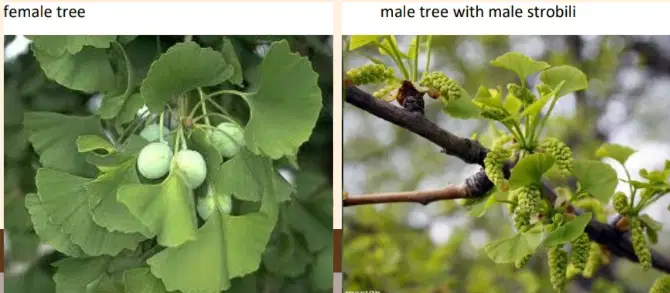
This plant ____
is a cycad
is a gingko
is a fern
is a gnetophyte
is a conifer
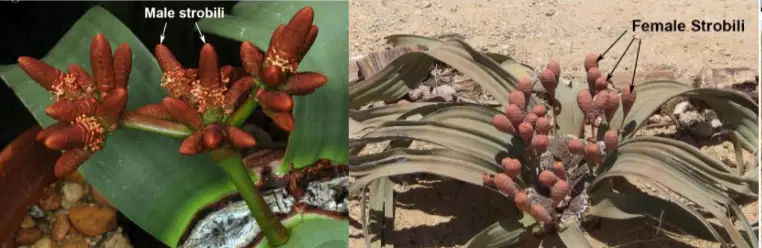
This plant ____
is a cycad
is a gingko
is a fern
is a gnetophyte
is a conifer
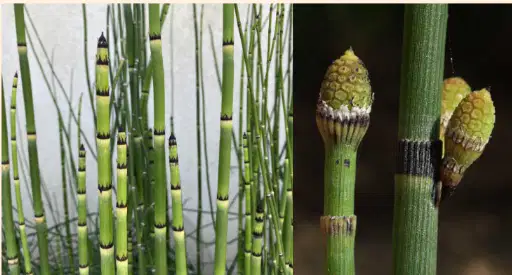
Which of the following is true of horsetails? (multiple answers may apply)
They are fern allies
They produce seeds
They were used in the past to scrub pans
They have no vascular tissue
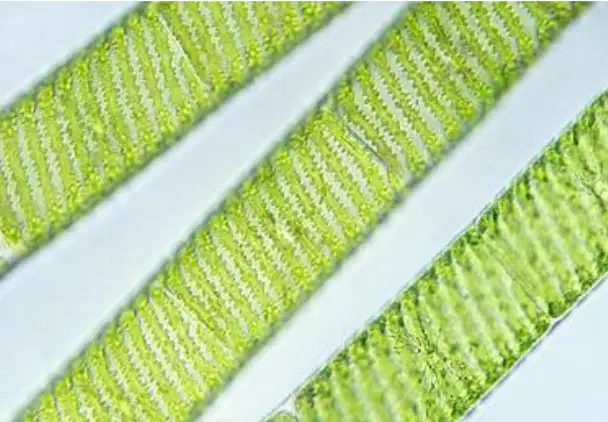
What do embryophytes have in common with charophytes? (multiple answers may apply)
Same photosynthesis pigments
Starch as a storage molecule
Cellulosic cell walls
Formation of a phragmoplast during cell division
Presence of alternation of generations
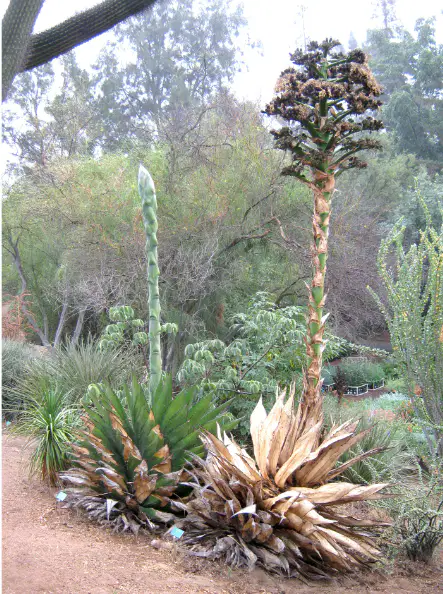
Century plants ______
Rarely flower
Flower every year
Never flower
Which harsh environmental extremes do conifers face? (multiple may apply)
intense heat & sun in summer
dry, freezing temperatures in the winter
wet & humid weather in spring
What are some adaptations of conifers for their environment? (multiple answers may apply)
Leaves are reduced and needle- or scale-like
Leaves have thick cuticles and sunken stomata
Have thick protective bark
Shallow roots to protect from excess watering
Secondary chemicals in the sap for defense and wound protection

