
 Worksheets
AP Bio Unit 3&4 Review
Total questions: 140
Worksheet time: 2hrs 53mins
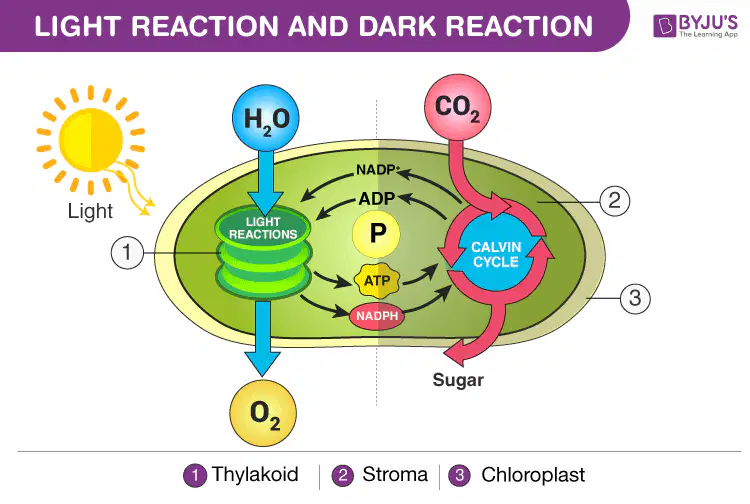
Plants use the following reactants for the light reaction
Water and CO2
Water and NADPH
Water and NADP+
NADPH and ATP
Photosynthesis goal is to
convert light energy into glucose energy
use light energy to make oxygen gas
convert sugar energy into ATP
convert sugar energy into oxygen gas
Rubisco is important in which step of photosynthesis
energizing the electrons in chlorophyll
carbon fixation when CO2 is connected to RUBP during calvin cycle
regeneration phase as RUBP is made during calvin cycle
reduction of the carbon chain during the calvin cycle
If the proton (H+) pump in the thylakoid was not working which molecule could not be made during the light reaction?
NADPH
ATP
Water
Oxygen gas
The NADP+ is
oxidized during the light reaction
reduced during the light reaction
oxidized during the Calvin cycle
reduced during the Calvin cycle
Which of the following would have the least affect on photosynthetic rate?
increase the temp from 20 C to 30 C
increasing the CO2 from 400 ppm to 600ppm
increasing the light intesity from 40 Watts to 60 Watts
increasing the amount of O2 from 20% to 30% in the air
Plants obtain CO2 into the chloroplast by
active transport
diffusion
facilitated diffusion
endocytosis
Photosystems are made of
chloroplasts
chromosomes
chlorophyll
cytoplasm
ATP is made during the light reaction using all of the following EXCEPT
proton pump
hydrogen ion gradient
electron energy from photosystem II
NADPH donating electrons
What is FALSE about the calvin cycle
uses the light reactions products
produces a three carbon sugar (G3P)
produces carbon dioxide
produces NADP+
During noncyclic photophosphorylation all of the following occur EXCEPT
ATP is made using electron energy that will leave on NADPH
results in oxygen gas being produced
water is split (photolysis)
electrons from photosystem 1 return back to photosystem 1
Photorespiration involves
the production of oxygen gas during the break down of sugar
the breakdown of sugar when CO2 levels are low.
the production of massive amounts of ATP in the thylakoid
water being pulled out of the plant
Why does photorespiration occur?
stomata are closed and CO2 levels are too low.
stomata are closed and O2 levels are too low.
stomata are open and too much water is leaving the plant
stomata are open and the plant receives too much CO2
What does a C4 plant do?
stores CO2 in a separate cell from its photosynthetic cell during the day
stores CO2 in a vacuole during the night.
can't store CO2 so it sufferes photorespiration
can't store CO2 so it speeds up cellular respiration in order to make more CO2
Plants that store CO2 at night as an acid in a vacuole are called
C3 plants
C4 plants
CAM plants

Which plant LACKS CO2 storage method
C3
C4
CAM
What happens to the oxygen levels if a plant were left in the dark over night?
go up due to photosynthesis
go down due to cell respiration
stay the same since stomata are closed
Which plant would have the most oxygen produced in 1 hour?
plant given red light only
plant given blue light only
plant given white light
plant given green light only
An increase in CO2 in the air would most likely
increase photosynthesis
increase cell respiration
increase photorespiration
increase transpiration
The calvin cycle requires what substances from the light reaction?
CO2 and Water
light and CO2
ATP and NADPH
glucose and O2
Why does the light reaction perform cyclic photophosphorylation? (where ATP is made with electrons that return to where they started)
because the stomata are closed and CO2 levels are low
because the Calvin cycle runs out of ATP
because the Calvin cycle runs out of NADPH
because there is no water to donate electrons to those that are leaving for the Calvin cycle


Where is the energy stored in an ATP molecule?
Chemical Bonds
Ionic Bonds
Atomic Bonds
James Bond

What is ATP used for?
It is recharged to be used later.
As a backbone for DNA.
Special cell actions that require large amounts of energy.
Any cellular process requiring energy.

What substance helps in removing a phosphate?
Adenosine
Water
Hydrogen
Phosphates


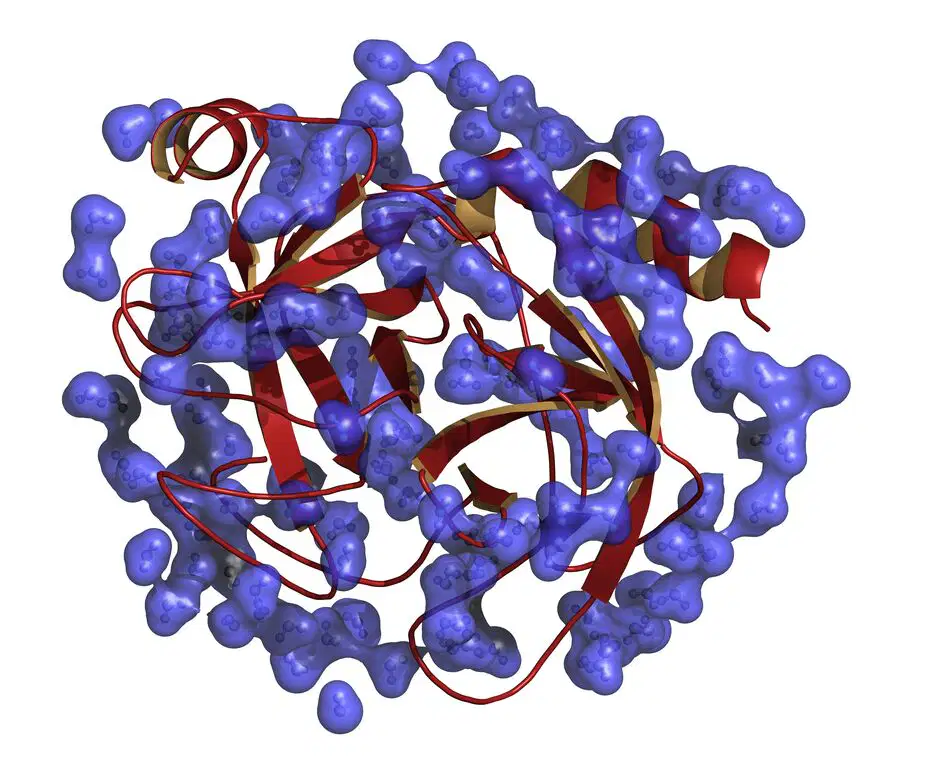

What is being represented by the letter B in the image?
Substrate
Enzyme
reactants
Product
The break down of larger molecules into small one.
metabolism
catabolism
anabolism
oxidation
In general, enzymes do NOT:
bind permanently to their substrates
have names ending in -ase
have their function changed with extremely high temperatures
react with a specific substrate
Which of the following do not affect enzymes ability to function?
pH
substrate concentration
temperature
water
The active site of an enzyme can:
bind allosteric regulators.
bind competitive inhibitors.
bind non-competitive inhibitors.
change the Gibbs Free Energy of the reaction.

The location where the enzyme and substrate bind is the...
allosteric site
inhibition site
reaction site
active site
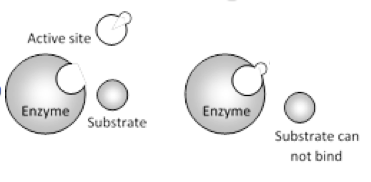
This image shows...
Competitive Inhibition
Uncompetitive Inhibition
Noncompetitive Inhibition
Normal enzyme function
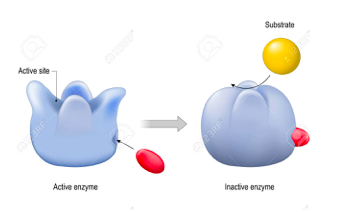
This image shows...
Competitive Inhibition
Uncompetitive Inhibition
Noncompetitive Inhibition
Normal enzyme function

Which enzyme functions best in acidic environments?
neither enzyme
Enzyme A
Enzyme B
Both enzymes
What is true of glycolysis?
produces a net of 2 ATP
occurs in the mitochondria
produces ATP through oxidative phosphorylation
produces 34ish ATP
all of the above are true

What serves as the final acceptor of the electrons moving down the ETC during cellular respiration?
sulfur
carbon dioxide
ATP
oxygen
Which of the following colors would most likely be used for energy during photosynthesis?
green
red
yellow
all colors are absorbed equally
In the final step of glycolysis ATP is made through the process of:
Substrate Level ATP Synthesis
Oxidative ATP Synthesis
Photo-Phosphorylation Synthesis
RedOx Reactions

What is the correct order for aerobic cellular respiration?
glycolysis --> ETC --> Citric Acid Cycle
ETC --> glycolysis --> Citric Acid Cycle
glycolysis --> Citric Acid Cycle --> ETC
Citric Acid Cycle --> glycolysis --> ETC
Where does the Citric Acid Cycle take place?
in the matrix
in the cristae
in the cytoplasm
in the cytosol
How many ATP are produced in cellular respiration?
2 ATP
4 ATP
12 ATP
36 ATP
The number of ATP molecules produced out of Citric Acid Cycle is:
2
3
4
0
Prior to entering the Citric Acid Cycle, each pyruvate molecule loses electrons, hydrogen ions, and a carbon, forming an energy-rich molecule of
Acetyl-CoA
Citrate
Oxaloacetate
Malate
The Citric Acid Cycle is also known as:
The Pyruvic Cycle
The Respirational Cycle
The Kreb's Cycle
The Berk Cycle

Cristae/Intermembrane

Which of the following is produced during the Electron Transport Chain?
How many ATPs are contributed by NADH in the ETC?
2
3
4
1
What form of transport do the protein complexes use to move H+ into the intermembrane space?
Active Transport
Facilitated Diffusion
Simple Diffusion
Endocytosis

IF oxygen isn't present what stage/process in cellular respiration could still produce ATP without oxygen?
Calvin Cycle
Kreb Cycle
Glycolysis
Electron Transport Chain

What is the purpose of Chemiosmosis?
To use the movement of H+ to help phosphorylate ADP --> ATP using ATP Synthase
To create a chemical gradient
To use the movement of electrons down the transport chain to create a H+ gradient.
To break down Acetyl CoA into C02 to produce ATP and NADH
When a blood vessel is damaged, platelets will rush to the site of damage and adhere to the vessel beginning the formation of a blood clot. These platelets will then release a chemical into the bloodstream, which recruits even more platelets to rush to the site of damage. As more platelets accumulate, more of the signaling chemical is released into the blood. This process will end when the blood has been sufficiently clotted and active bleeding is no longer occurring. What type of feedback loop is blood clotting an example of?
Negative Feedback Loop
Positive Feedback Loop
A researcher examining a root tip observes a plant cell with condensed sister chromatids, kinetochores with attached microtubules, and individual chromosomes that are aligned at the equatorial plate of the cell. Which of the following best describes what the next process will be in the cell?
Homologous chromosomes (each with two sister chromatids) will move toward opposite poles of the cell.
Paired chromatids will separate, and the new daughter chromosomes will move toward opposite poles of the cell.
The nuclear envelope will break down, and the spindle will begin to form.
The chromatin will decondense, and the daughter cell will enter interphase.
Which of the following is not an example of a negative feedback loop?
body maintaining a temperature of about 37°C
release of ADH to increase H2O reabsorption when dehydrated
a ripe apple releasing ethylene, which causes more ripening
heart rate increasing when exercising to deliver more O2 to cells
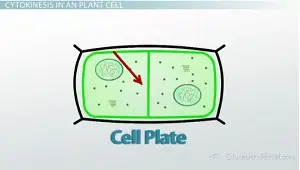
Through a microscope, you can see a cell plate developing between two nuclei. What's going on?
a plant cell is in the process of cytokinesis
an animal cell is in the process of cytokinesis
an animal cell is in the S phase of the cell cycle
a bacterial cell is diving via binary fission
If a cell undergoes mitosis without cytokinesis, what will the resulting cell look like?
the cell will have more than one nucleus
the cell will completely lack a nucleus
the cell will be unusually small
the cell will have damaged chromosomes
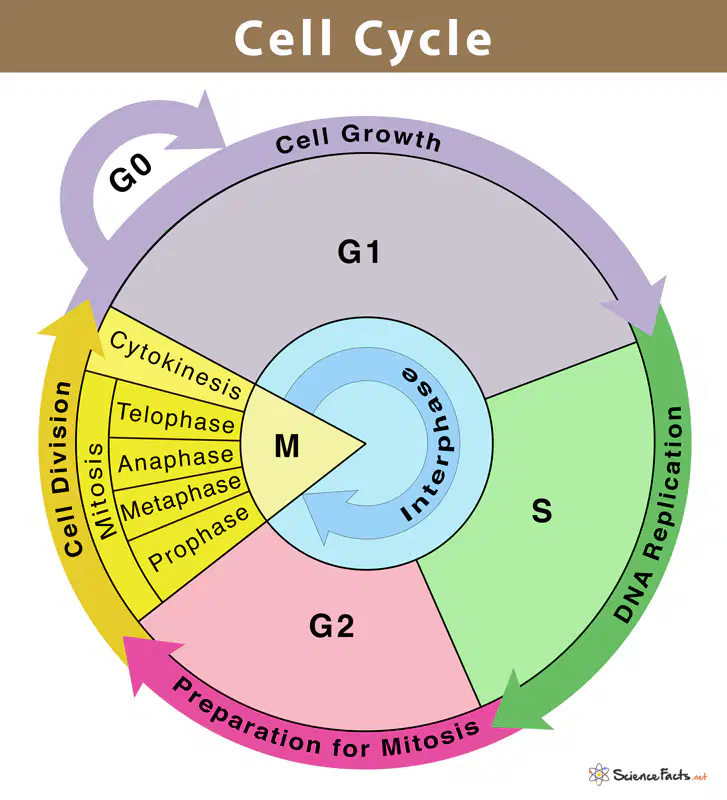
Which of the following does not occur during mitosis?
condensation of chromatin to chromosomes
replication of DNA
separation of sister chromatids
the formation of a spindle apparatus

Which of these shows the cell cycle phases in their correct order AND correctly paired with their functions?
G1-growth, M-division, G2-DNA checkpoints, S-DNA replication
G1-growth, S-DNA replication, G2-prepare to divide, M-division
M-division, G1-growth, S-DNA replication, G2-prepare to divide
S-Interphase, G2-growth, M-division, G1-DNA replication

In what phase of mitosis is this cell?
Prophase
Metaphase
Anaphase
Telophase
is the maintenance of a relatively stable internal environment
is the maintenance of a relatively stable external environment
Which part of the feedback loop is a body part that makes a change to bring the system back to homeostasis?
Effector
control center
response
receptor
Identify the stimulus event.
Scenario: A person begins to exercise which causes their body temperature to increase. The temperature change is noticed and the person begins to sweat and their body temperature decreases.
body temperature increases
person begins to sweat
temperature change is noticed
person begins to exercise
The "cause" for something to happen is called...
response
effector
control center
stimulus
The body part that senses the change inside the organism ...
receptor
control center
effector
response
Which type of feedback loop decreases the stimulus?
Positive
Negative
Which type of feedback loop strengthens/increases the stimulus?
Positive
Negative

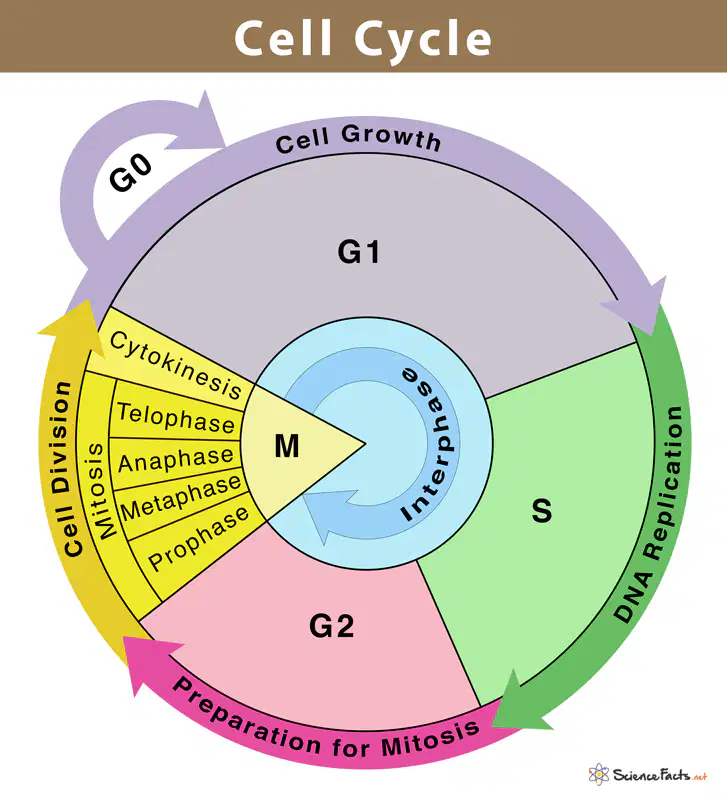


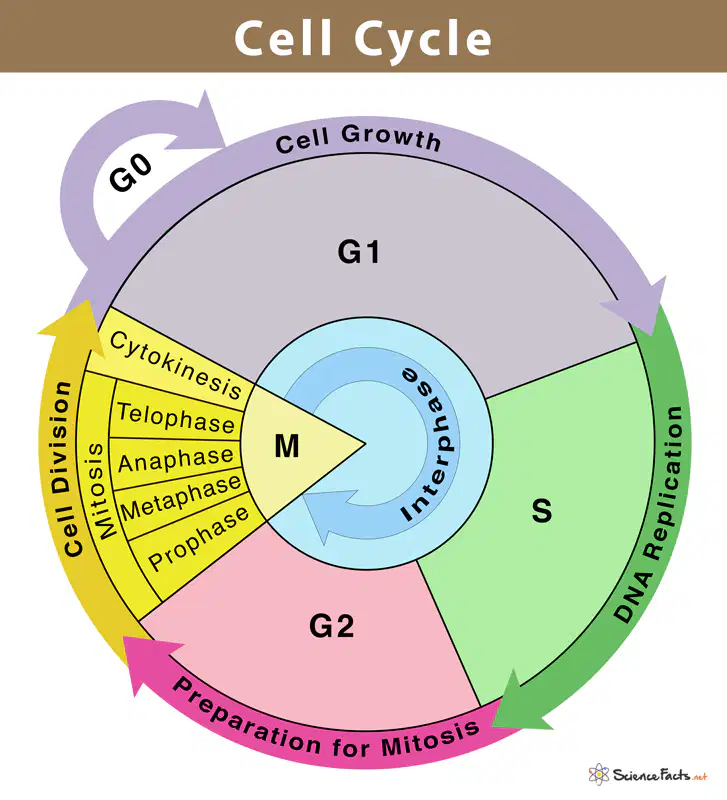
In which stage of the cell cycle does the cell grow in size?
G1
S
G2
Mitosis
_____ is the uncontrolled growth of cells, often resulting in a tumor or mass of abnormal cells
Cancer
Apoptosis
Radiation

Apoptosis is
programmed cell death
mysterious cell death
programmed cellular mutation
mysterious cellular mutation
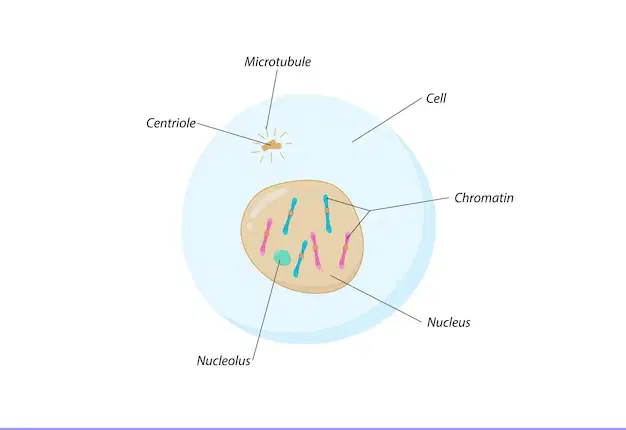

How much DNA should a daughter cell at the end of cytokinesis have when compared to the original parent cell?
Half the amount
The exact same amount
Double the amount
What is the end result of mitosis?
An undifferentiated stem cell
4 genetically unique haploid cells
2 genetically identical diploid cells
2 genetically unique daughter cells
Mutations in genes that regulate the cell cycle will most likely lead to what disease?
Cancer
Apoptosis
Meiosis
Diabetes

Describe the interaction between cyclin and CdK.
cyclin interacts with CdK to initiate the mitotic phase
cyclin is the precursor to CdK, when synthesized allow for mitosis proceed
cyclin acts as an inhibitor to CdK to wait for all DNA to be synthesized
cyclin binds to CdK to initiate DNA replication


Cells from cancerous tumors usually have an unusual number of chromosomes, and unusual looking chromosomes. What could explain this?
cancer cells are in G0
cancer cells are arrested in the S phase
cell cycle check points are not in place
transformation introduces new chromosomes to cells

What are the "strings" called that are attached to the chromosomes?
Centrioles
Chromatin
Spindle Fibers
When cancer spreads, we call it...
Apoptosis
Metastasis
Transposons
snRNPs
Somatic (body) cells have diploid or haploid number of chromosomes?
Haploid
Diploid

Cyclin concentration remains constant.
Cyclin concentration increases during interphase and decreases during mitosis.
Cyclin concentration decreases during interphase and increases during mitosis.
Cyclin concentration is inversely related to CDK concentrations.
During what phase of mitosis does the nuclear envelope fragment?
Prophase
Anaphase
Metaphase
Prometaphase
What checkpoint checks for completion of DNA replication and any DNA damage?
G1 checkpoint
G2 checkpoint
M Checkpoint
Apoptosis can occur during which checkpoint?
G1
G2
M
What checkpoint involves checking for cell size, growth factors, and DNA damage before replication? Cells with errors will be sent to the G0 phase.
G1
G2
M
What does the M checkpoint check for?
Cell size, growth factors, and DNA damage prior to replication
Completion of DNA replication and any DNA damage
Microtubule attachment to kinetochores after metaphase
Which term represents a value for various physiological conditions that the body tries to maintain?
Stimulus
Homeostasis
Set point
Effector
DNA wraps around (a) proteins to form (b) .
What is the correct organization of DNA?
chromatin -> nucleosome -> DNA -> chromosome
DNA -> nucleosome -> chromatin -> chromosome
DNA -> nucleosome -> chromosome -> chromatin
chromosome -> DNA -> nucleosome -> chromatin
What describes a tumor that has lost its anchorage dependence and has spread outside the tumor site?
Benign tumor
Malignant tumor

Which phase is not considered a mitotic phase?
Interphase
Metaphase
Anaphase
Telophase

