
 Worksheets
Summative Questions
Total questions: 109
Worksheet time: 1hrs 22mins
What is the flow of electric charge called?
electricity flow
electric current
voltage stream
charge movement
Which type of electric current flows in one direction only?
Alternating current (AC)
Bidirectional current (BC)
Variable current (VC)
Direct current (DC)
What are materials that allow electric current to pass through them easily called?
obstructors
conductors
insulators
resistors
What are materials that do not allow electric current to pass through them easily called?
Transistors
Insulators
Semiconductors
Conductors
What unit is used to measure electric current?
Amperes (A)
Volts (V)
Watts (W)
Ohms (Ω)
What is the difference in electric potential between two points called?
voltage
current
resistance
power
What is the unit of measurement for voltage?
meters (m)
volts (V)
grams (g)
liters (L)
What property of a material determines how easily it allows electric current to pass through it?
conductivity
density
hardness
viscosity
What is the unit of measurement for resistance?
watt
ohm
ampere
volt
What is the relationship between voltage, current, and resistance described by?
Darwin's Evolutionary Theory
Einstein's Theory of Relativity
Newton's Law
Ohm's Law
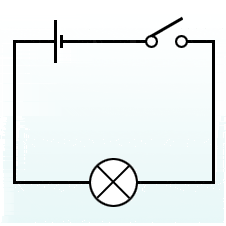
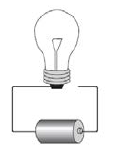


What is a conductor?
Material that does NOT transfer energy.
Materials that are connected to circuits.
Materials that transfer energy.
Materials that
Which wire has more resistance (long or short)?


resistance is
a force that attracts metal
a force that allows electricity to pass easily
a force that opposes the flow of electricity
Which circuit component provides voltage?


True or False: All materials have the same amount of resistance
True
False
True or False: Resistance and pressure are the same thing
True
False
Changing the length and thickness of wire in a circuit will change ____________
the strength of the current
the voltage
the pressure
A picture of a circuit using symbols is
circuit diagram
electric switch
Multimeter
The unit electric current is measured in is
Volt
Ampere
Newton
The unit for measuring the strength of electricity is
volt
ampere
newton
Do you think resistance good or bad?
Good
Bad
It can be good and bad

Sometimes the north and south poles of atoms in a material will line up. What is the term for the region where this occurs?
a domain
ferromagnetic
magnetic field
magnetic pole
Which of the following is a ferromagnetic material?
Iron
Copper
aluminum
diamond


Please draw the magnetic field with arrows in your notebook. Answer the question, why Earth is like a magnet
A device that uses a free-moving magnetic needle to show direction is a:
Ruler
magnet
compass
magnetic field

When particles from the Sun travel towards the Earth, the Earth抯 magnetic field pulls them towards the poles. These solar particles interact with particles in Earth抯 atmosphere and can create a beautiful light display in the sky. What is this light display commonly called?
aurora
geographic pole
radiation belt
solar flare


A magnetic field is the ________ around a magnet in which the magnetic force acts.
The relationship between electricity and magnetism is called
solenoid
transformer
electromagnetism
electromagnet
What happens if you cut a magnet in half?
Nothing
The magnets repel
There will be two magnets

The picture above is an example of what?
Magnetic field
Electric field
Repulsion
Attraction

What type of process is shown?
Electromagnet
Electric motor
Electric generator
Electromagnetic induction

A _______________ is a coil that carries an electric current.
Solenoid
Simple Electric Motor
Electromagnet
Generator
What can be done to increase the number of magnetic objects that an electromagnet picks up?
Make the wire longer
Remove the nail from the center of the wire
Increase the number of coils in the solenoid
Spread the coils out across the nail
A generator is a machine that transforms ____________ energy to ______________ energy.
Electrical to Mechanical
Mechanical to Electrical
Radiant to Mechanical
Mechanical to Thermal
A simple motor converts ______________ energy to ____________ energy.
Magnetic to Electrical
Electrical to Magnetic
Electrical to Mechanical
Mechanical to Electrical

The strongest parts of the magnet are ...
fronts
backs
poles
middle

The area around a magnet is called the .....
attraction zone
work area
magnetic field
hot zone
The area around a magnet is called the .....
attraction zone
work area
magnetic field
hot zone


Ecology is the study of:
only the living things in the environment
only the nonliving things in the environment
how living things interact with each other and the nonliving things in the environment
scientists who perform research on living things
What is a species?
Different animals that compete for the same resources
A group of similar organisms that can reproduce with each other
A group of organisms that live together
A group of organisms that are physically and functionally very different from each other
Which of the following is NOT a nonliving thing? (which one is living?)
Sun
Rocks
Milk
Wood
What is a niche?
The habitat that an organism lives in
An organism’s “role” in an ecosystem
A type of consumer
The relationship between a producer and consumer
What happens when different species try to occupy the same niche?
The species compete with each other
The species cooperate with each other
The species coexist with each other
All of the above
A _, also called an autotroph, uses energy to make food.
producer
consumer
decomposer
An organism that gets energy and nutrients by breaking down the remains of other organisms is a _.
producer
consumer
decomposer
A consumer that eats only plants, such as a grasshopper or bison, is called an _.
herbivore
carnivore
omnivore
An _ eats both plants and animals.
herbivore
carnivore
omnivore
A _ is the path of energy transfer from producers to consumers.
food web
food chain
All food chains start with _.
producers
consumers
decomposers
_ is the primary source of energy for most ecosystems.
The sun
The moon
Who knows?
A _ eats mostly dead animals. (choose 2)
consumer
decomposer
producer
scavenger
A _ contains many food chains.
food web
community
ecosystem
_ is the process by which light energy from the sun is converted to food.
Production
Photosynthesis
Plants compete for resources.
true
false
Living things need the nonliving parts of an environment to survive.
true
false
A _ is a group of organisms of one species that lives in the same area at the same time.
community
population
family
_ occurs when individuals join a population.
Immigration
Emigration
_ occurs when individuals leave a population.
Immigration
Emigration
The _ is the maximum number of individuals of one species that the environment can support.
population
carrying capacity
load
A part of the environment that keeps a population's size at a level below its full potential is called a _.
carrying capacity
migration
limiting factor
When two or more individuals or populations try to use the same limited resource, such as food, water, shelter, or sunlight, it is called _.
cooperation
conglomeration
competition
_ occurs when individuals work together.
Competition
Cooperation
Conglomeration
If the amount of resources in an environment decreases, the carrying capacity for a population will probably _.
increase
decrease
Some birds warn other birds when predators are close. This type of interaction is called _.
cooperation
competition
Give one example of how cooperation can help organisms survive.
get less food
compete for food
get more food
Individuals _ when they work together to obtain resources.
cooperate
compete
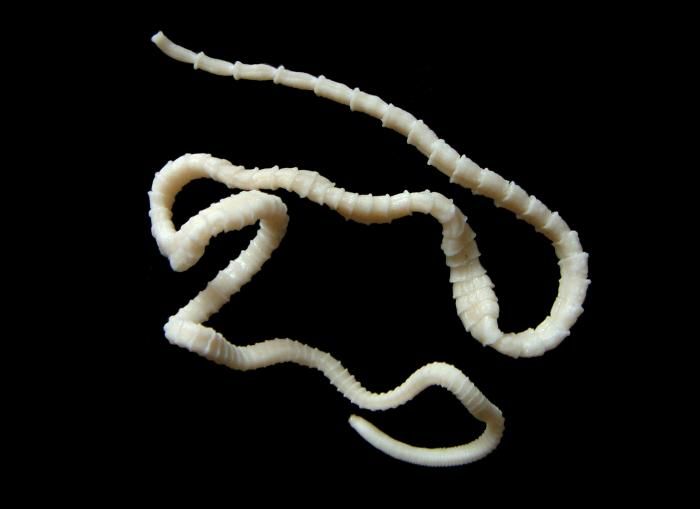
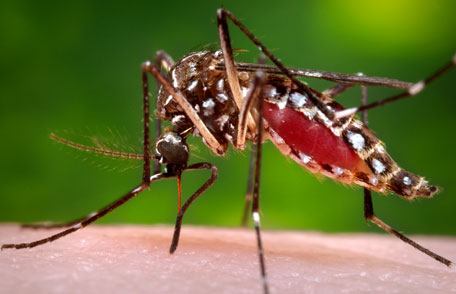
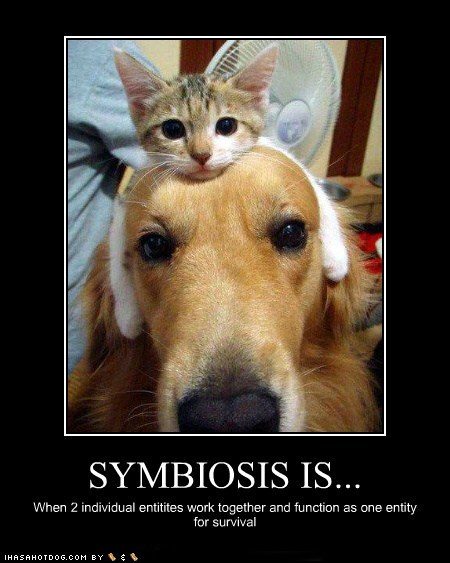
A relationship in which two species live closely together.
resource
mutualism
succession
symbiosis
A relationship between two organisms in which one organism benefits and the other is unharmed and not helped.
Mutualism
Competition
Parasitsm
Commensalism
The role an organism plays in it's habitat is called?
habitat
niche
job
environment
An increase in predator population will result in a ___________ in the prey population.
increase
no change
decrease
1- A tick sucks blood from a dog. In this relationship, the tick is the ................. and the dog is the .................
parasite, prey
predator, host
parasite, host
host, parasite
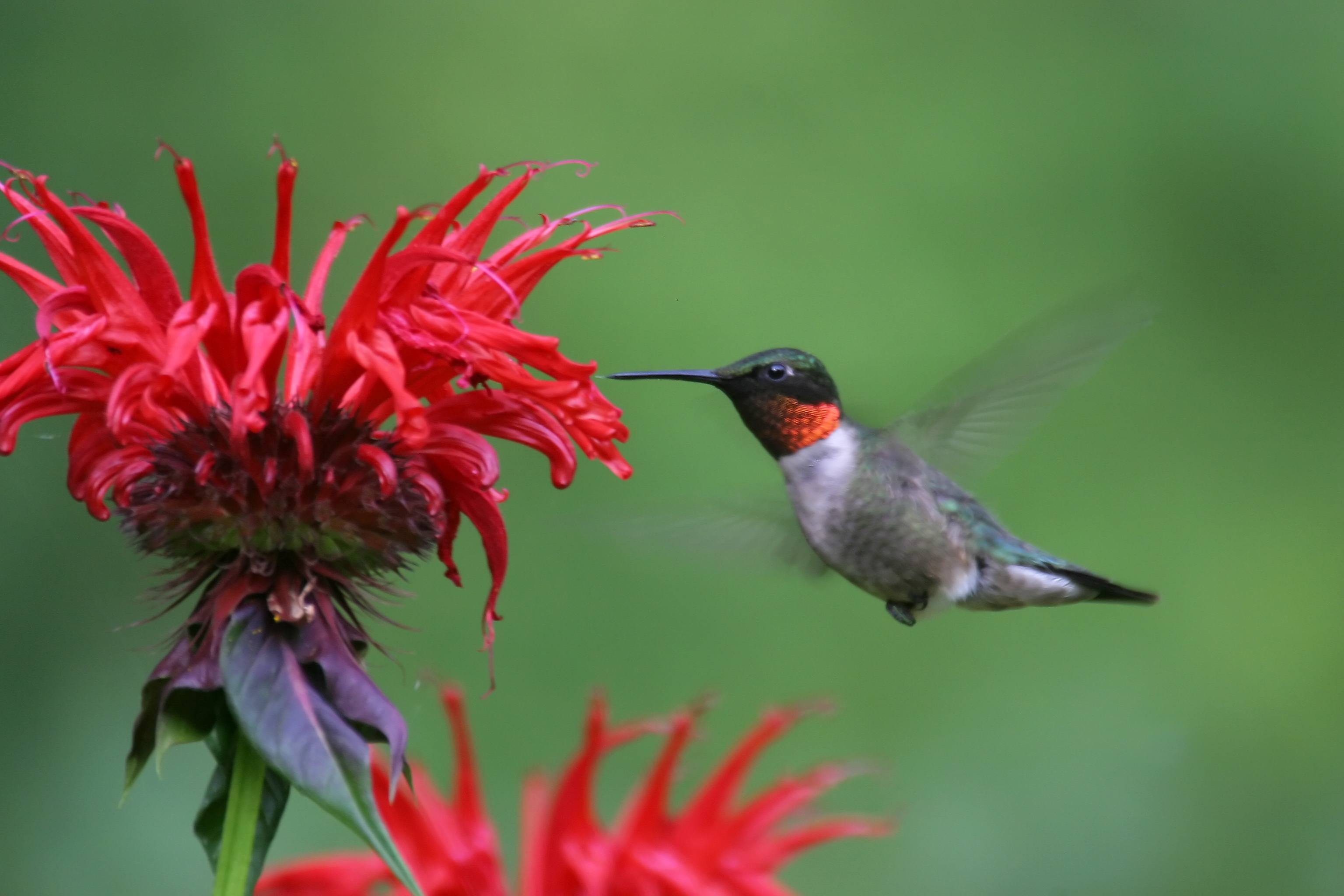
Bee and flower Example of Mutualism
Mutualism
Parasitism
Commensalism
host
An organism that eats only plants
Food web
Herbivore
Food chain
a) Carnivore
Remora and Shark example of
Commensalism
Mutualism
Parasitism
Prey

