
 Worksheets
T1 Exam review 23-24
Total questions: 56
Worksheet time: 56mins
What are the reactants in the photosynthesis equation?
oxygen and glucose
nitrogen and hydrogen
sodium and chloride
carbon dioxide and water
What are the products in the photosynthesis equation?
carbon dioxide and water
adenosine triphosphate and carbon dioxide
glucose and water
glucose and oxygen
What is the primary pigment involved in photosynthesis?
hemoglobin
chlorophyll
melanin
carotene
Where does photosynthesis occur in plants?
chloroplasts
vacuole
nucleus
mitochondria
What is the chemical equation for photosynthesis?
C6H12O6 + 6O2 -> 6CO2 + 6H2O + 6H2O
6CO2 + 6H2O -> 6O2 + 6H2O
C6H12O6 + 6O2 -> 6CO2 + 6H2O
6CO2 + 6H2O -> C6H12O6 + 6O2
What is the balanced equation for photosynthesis?
6CO2 + 6H2O -> C6H12O6 + 2O2
6CO2 + 6H2O -> C6H12O6 + 3O2
6CO2 + 6H2O -> C6H12O6 + 12O2
6CO2 + 6H2O -> C6H12O6 + 6O2
What is the overall purpose of photosynthesis?
To convert sunlight, water, and carbon dioxide into glucose (energy) and oxygen.
To convert moonlight, water, and oxygen into glucose (energy) and carbon dioxide.
To convert sunlight, oxygen, and glucose into water and carbon dioxide.
To convert sunlight, water, and carbon dioxide into ATP and carbon dioxide.
What are the reactants in the cellular respiration equation?
glucose and oxygen
glucose and water
adenosine triphosphate and carbon dioxide
carbon dioxide and water
What are the products in the cellular respiration equation?
oxygen, glucose, and energy (ATP)
carbon dioxide, glucose, and energy (ATP)
carbon dioxide, water, and glucose
carbon dioxide, water, and energy (ATP)
What is the main energy molecule produced in cellular respiration?
ADP
GTP
NADH
ATP
Where does cellular respiration occur in cells?
cytoplasm
mitochondria
cell membrane
nucleus
What is the chemical equation for cellular respiration?
C6H12O6 + 6O2 -> 6CO2 + 6H2O + ATP
C6H12O6 + 6O2 -> 6CO2 + 6H2O + ADP
C6H12O6 + 6O2 -> 6CO2 + 6H2O
C6H12O6 + 6O2 -> 6CO2 + 6H2O + NADH
What is the overall purpose of cellular respiration?
To convert glucose and oxygen into energy (ATP) and carbon dioxide.
To convert glucose and oxygen into energy (ATP) and nitrogen.
To convert glucose and oxygen into energy (ATP) and water.
To convert glucose and oxygen into water and carbon dioxide.
What is the balanced equation for cellular respiration?
C6H12O6 + 6O2 -> 6CO2 + 6H2O
C6H12O6 + 6O2 -> 6CO2 + 6H2O + Energy
C6H12O6 + 6O2 -> 6CO2 + 6H2O + Glucose
C6H12O6 + 6O2 -> 6CO2 + 6H2O + ATP
What are the similarities between photosynthesis and cellular respiration?
Production of ATP
Exchange of gases
Conversion of energy
Involvement of chloroplasts
Enzyme
proteins that speed up chemical reactions
Changing substances by breaking and forming bonds (includes hydrolysis and dehydration reactions)
the capacity for doing work
the energy needed to start a chemical reaction
Chemical reactions
proteins that speed up chemical reactions
Changing substances by breaking and forming bonds (includes hydrolysis and dehydration reactions)
the capacity for doing work
the energy needed to start a chemical reaction
Energy
proteins that speed up chemical reactions
Changing substances by breaking and forming bonds (includes hydrolysis and dehydration reactions)
the capacity for doing work
the energy needed to start a chemical reaction
Activation energy
proteins that speed up chemical reactions
Changing substances by breaking and forming bonds (includes hydrolysis and dehydration reactions)
the capacity for doing work
the energy needed to start a chemical reaction
Reactants
the substances changed during a chemical reaction (goes into the process)
the substances made by a chemical reaction (comes out of the process)
substance that speeds up the rate of a chemical reaction
reactant of an enzyme-catalyzed reaction
Products
the substances changed during a chemical reaction (goes into the process)
the substances made by a chemical reaction (comes out of the process)
substance that speeds up the rate of a chemical reaction
reactant of an enzyme-catalyzed reaction
Catalysts
the substances changed during a chemical reaction (goes into the process)
the substances made by a chemical reaction (comes out of the process)
substance that speeds up the rate of a chemical reaction
reactant of an enzyme-catalyzed reaction
Substrate
the substances changed during a chemical reaction (goes into the process)
the substances made by a chemical reaction (comes out of the process)
substance that speeds up the rate of a chemical reaction
reactant of an enzyme-catalyzed reaction
Active site
the region of an enzyme that attaches to a substrate
a change in the shape of a protein (such as an enzyme) that can be caused by changes in temperature or pH (among other things).
substance that can bind to an enzyme and prevent the substrate from properly binding
macromolecules that contain carbon, hydrogen, oxygen, and nitrogen, include enzymes
Denature
the region of an enzyme that attaches to a substrate
a change in the shape of a protein (such as an enzyme) that can be caused by changes in temperature or pH (among other things).
substance that can bind to an enzyme and prevent the substrate from properly binding
macromolecules that contain carbon, hydrogen, oxygen, and nitrogen, include enzymes
Inhibitor
the region of an enzyme that attaches to a substrate
a change in the shape of a protein (such as an enzyme) that can be caused by changes in temperature or pH (among other things).
substance that can bind to an enzyme and prevent the substrate from properly binding
macromolecules that contain carbon, hydrogen, oxygen, and nitrogen, include enzymes
Protein
the region of an enzyme that attaches to a substrate
a change in the shape of a protein (such as an enzyme) that can be caused by changes in temperature or pH (among other things).
substance that can bind to an enzyme and prevent the substrate from properly binding
macromolecules that contain carbon, hydrogen, oxygen, and nitrogen, include enzymes

Primary functions of DNA are (mark all that apply)
Transmit information on heredity from one generation to the next
Control cellular respiration
Regulate homeostasis
Provide a blueprint for making proteins

A nucleotide is composed of
A phosphate, sugar and nitrogenous base
A protein, protein and Guanine
A phosphate, Adenine, and nitrogenous base
A protein, Adenine and nitrogenous base

Which of the following is a base pair?
Adenine - Cytosine
Cytosine - Thymine
Deoxyribose - Cytosine
Cytosine - Guanine

DNA is an acronym for _____
Diphosphorus Nucleic Acid
Ribose Nucleic Acid
Deoxyribonucleic Acid
Deoxyribonucleic Acetate
Independent variable
Dependent variable
Conclusion

Maya designed an experiment to answer the following question:
How does the amount of water given to a lima
bean seed affect how tall it grows?
In this experiment, what variable should Maya CHANGE?
the amount of water
the kind of plant
the type of soil
the amount of sunlight it gets

Using the picture, identify the control group.
Trial 1
Trial 2
Trial 3
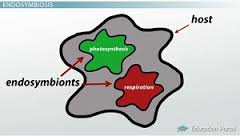
The theory of Endosymbiosis explains
The origin of eukaryotes
How bacteria live
How species develop
Why cells rely on one another
____________ & _________________ are organelles that definitely arose from endosymbiosis.
Nucleus and cell membrane
Chloroplast and mitochondria
Mitochondria and nucleus
Cell wall and chloroplast
"Endosymbiosis" means
Living together
Entering together
Living separately
Joining together
Bacteria are an example of a _________ cell.
Eukaryotic
Prokaryotic
animal
plant

Which statement best describes how molecules move during DIFFUSION?
They move from an area of HIGH concentration to an area of LOW concentration.
They move from an area of LOW concentration to an area of HIGH concentration.
They move closer together.
None of the above
When a substance is evenly distributed throughout a space, that substance has reached:
osmosis
equilibrium
mitosis
Which of the following is an example of diffusion?
The smell of food travels from the kitchen to the dining room.
Drops of food coloring begin to spread through a glass of water.
Hot chocolate mix spreads through a mug of hot water.
All of the above
The diffusion of water across a membrane is called:
active transport
equilibrium
osmosis
cellular respiration
Which of the following terms best describes a cell membrane?
Permeable
Impermeable
Selectively permeable
None of the above
Cell membranes are important because they:
contain DNA
regulate what enters and exits the cell
produce energy for the cell
Plant cells have:
a cell wall instead of a cell membrane
a cell wall AND a cell membrane
only a cell membrane
Both diffusion and osmosis:
are examples of passive transport
require energy from the cell
move substances from an area of low concentration to an area of high concentration
Water is the only substance that can cross our cell membranes.
True
False
A gummy bear placed in water for 24 hours would most likely...
expand
shrink
stay the exact same size
Which do you prefer?
Quizizz
Kahoot!

