
 Worksheets
Skeleton Quiz
Total questions: 65
Worksheet time: 59mins
Which bone forms the forehead and the upper part of the eye sockets?
Temporal bone
Frontal bone
Occipital bone
Parietal bone
Which bone supports the lower teeth and forms the lower jaw?
Mandible
Frontal bone
Zygomatic bone
Maxilla
Which bone forms the bridge of the nose?
Mandible
Femur
Radius
Nasal bone
Which bone forms the back and base of the skull?
Parietal bone
Temporal bone
Occipital bone
Frontal bone
Which bone forms the upper jaw and the central part of the facial skeleton?
mandible
zygomatic bone
maxilla
frontal bone
Which bone is also known as the breastbone?
Radius
Sternum
Femur
Tibia
Which bone is formed by the fusion of five vertebrae?
coccyx
patella
sacrum
sternum
Which bone is located at the base of the spine and connects to the hip bones?
Coccyx
Femur
Sacrum
Tibia
Which bone forms the cheekbone?
Zygomatic bone
Maxilla
Mandible
Temporal bone
Which bone is the longest bone in the human body?
Femur
Tibia
Radius
Ulna
Which bone forms the lower part of the nasal septum?
Vomer
Nasal bone
Maxilla
Mandible

Which bone is highlighted
ilium
ischium
pubis
coccyx
sacrum

Which bone is highlighted
ilium
ischium
pubis
sacrum
coxal bone
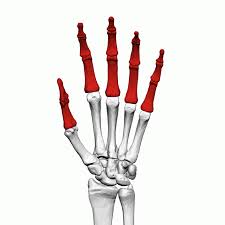
Which bones are highlighted
phalanges
carpals
metatarsals
metacarpals
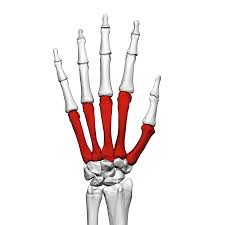
Which bones are highlighted
metacarpals
metatarsals
carpals
tarsals
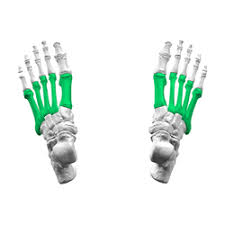
Which bones are highlighted
metatarsals
metacarpals
tarsals
carpals
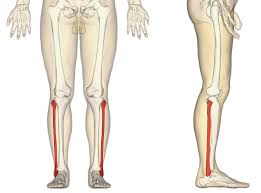
Which bone is highlighted
femur
radius
tibia
fibula
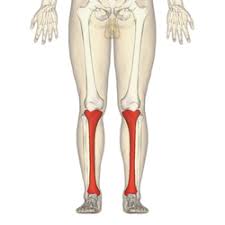
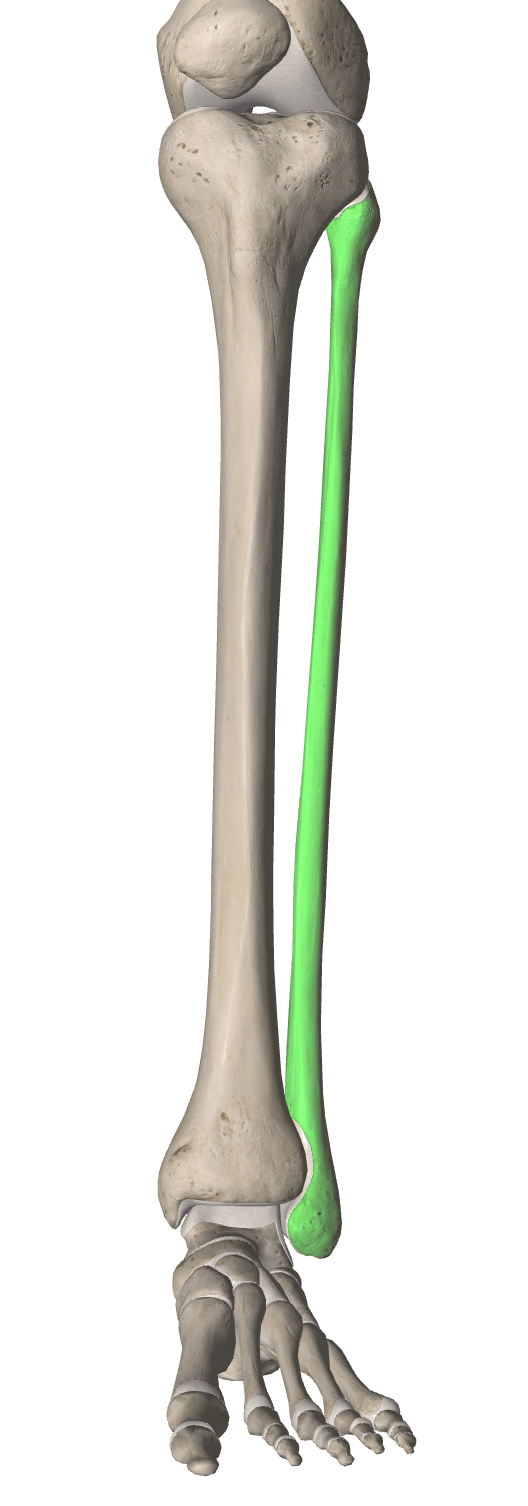
Which bone is highlighted
fibula
tibia
ulna
radius

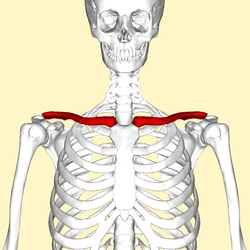
Which bone is highlighted
humerus
femur
tibia
fibula
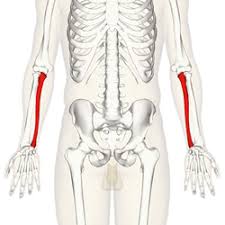
Which bones are highlighted
humerus
radius
ulna
fibula

Which bones are highlighted
carpals
tarsals
metacarpals
metatarsals

Which bones are highlighted
carpals
tarsals
metacarpals
metatarsals

The outer covering of each bone, made from fibrous connective tissue, is called the ________________.
epiphysis
diaphysis
periosteum
endosteum
Inside the epiphyses of each long bone, mostly ________________ can be found.
spongy bone
compact bone
cartilage
marrow
The cells that tear down and remodel bone are the ________________.
osteoblasts
osteoclasts
osteocytes
macrophages
The prominent portions of the cheeks are made up of the _________________ bones.
maxillary
mandible
lacrimal
zygomatic
The part of the bone that the articular cartilage covers directly is the _____.
diaphysis
endosteum
epiphysis
periosteum
Which of the following are functions of the bones?
Support and Protection
Attachment to the muscles
Stores inorganic salts
All of the above
The human skeleton is composed of the
axial
appendicular
axis
atlas
The skull bones, hyoid bone and vertebral column bones are found in which skeleton
Axial Skeleton
Appendicular Skeleton
Your arm bones (Humerus, Radius, Ulna) are part of the _________ skeleton.
Axial
Appendicular
Which of the following bones is NOT part of the axial skeleton?
clavicle
frontal
vertebrae
sternum

A is _______ bone.
Compact
Spongey
G is _______ bone.
Compact
Spongey
Osteoclast
Breaks bone
Osteoblast
Builds bone
Ligament
Holds bones together
Joint
Where bones meet
Tendon
Attach muscle to bone
Reorder the following bones from top to bottom
Pelvic Bone
Femur
Patella
Tibia
Tarsals

What does the color blue stand for?
Frontal
Partial
Occiptal
Mandible
What does the color yellow stand for?
Frontal
Maxilla
Temporal
Mandible
What does the color green stand for?
Frontal
Parietal
Temporal
Occipital
The following is NOT one of the 3 Joint Classifications..
Cartilaginous
Cartilage
Fibrous
Synovial
The joints that allow the most movement are called
Fixed
Fibrous
Cartilaginous
Synovial
Examples of a Ball & Socket Joint are found in the
Shoulder
Knee
Hip
Ankle
A hinge joint allows
A wide range of movements
Circumduction
Rotation
Movement in only one direction (ie. backwards & forwards)
An example of a Saddle joint is in the
Knee
Hip
Thumb
Vertebral column
When kicking a football the knee
Flexes
Extends
Abducts
Adducts


A synarthrosis located between the bones of the skull is a
symphysis
syndesmosis
synchondrosis
suture
Joints typically located at the end of long bones are
synarthroses
amphiarthroses
diarthroses
symphyses
Abduction and adduction always refer to movements of the
axial skeleton
appendicular skeleton
skull
vertebral column
Rotation of the forearm that makes the palm face posteriorly is
supination
pronation
proliferation
projection
Joints that connect the fingers and toes with the metacarpal bones and metatarsal bones, respectively, are
ellipsoidal joints
saddle joints
pivot joints
hinge joints
What term best describes the movement when your vertebral column bends to the side?
elevation
inversion
lateral flexion
protraction
Which of the following is NOT an effect of aging on articulations?
increased bone strength
osteoarthritis
rheumatoid arthritis
gouty arthritis

