
Font size
 Worksheets
7I - Energy
Total questions: 85
Worksheet time: 1hrs 21mins



What is an example of a renewable resource?
Fossil fuels are classified as nonrenewable fuels because they —
take many, many years to be replaced
Air pollution from burning a fuel causes acid rain. This is a disadvantage of using ____.
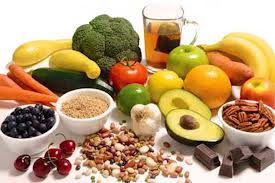
How long ago were fossil fuels formed?
hundreds of years
tens of years
millions of years
thousands of years
Renewable resources
are man-made resources
will renew immediately and are cheap to use

A tree converts _____ energy from the sun to _____ energy.
Nuclear → Electrical
Gravitational → Thermal
Chemical → Motion
Light→ Chemical

Describe the energy conversion of a clothes tumble dryer.
Chemical→ Thermal and Radiant
Electrical → Elastic, Thermal and Sound
Gravitational → Nuclear, Sound and Thermal
Electrical → Thermal, Kinetic and Sound

4. A group of campers create a campfire by burning several wooden logs. Which statement best describes the energy transformations that occur when the logs burn?
Chemical energy from the wood is converted into light and heat energy.
Heat energy from the logs is converted into chemical and light energy.
Chemical energy from the air is converted into kinetic and light energy.
Heat energy from the air is converted into kinetic and light energy.

A student connected some wire to a battery and a small bulb to make a simple circuit. Energy from the battery is changed into electricity. What type of energy is stored in the battery?
chemical
nuclear
heat
light

The diagram below shows a hot air balloon rising. Propane gas tanks are seen at the bottom of the balloon. What energy transformations occur when propane gas is used to lift the balloon?
Kinetic to light to chemical
Chemical to kinetic to thermal
Thermal to chemical to light
Chemical to thermal to kinetic

When you stretch a rubber band, you are storing __________ energy.
kinetic
elastic
none of the above
all of the above
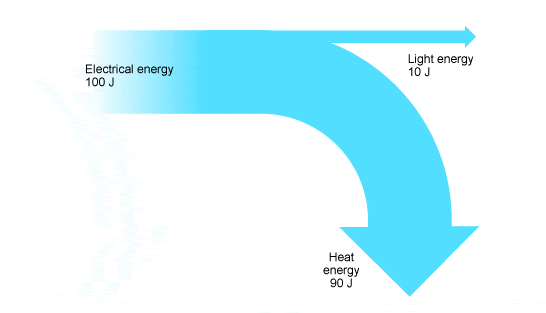
Where does most of the energy go in this transformation?

A kettle uses 100J of electrical energy to produce 7J of sound energy and 93J of thermal energy. How efficient is the kettle?
100%
7%
93%
95%
A washing machine uses 250J of electrical energy to produce 125J of useful energy. How efficient is it?
5%
50%
55%
100%
What does coal, natural gas and diesel have in common that nuclear power does not?
What energy source has this energy chain?
light-> electricity
geothermal
solar cell
nuclear
tidal


Which type of renewable energy involves fast flowing water?
geothermal
hydroelectric
solar
wind

Which of the following is not a drawback to wind energy?
All of them
noise
it is not windy all of the time
not all locations are suitable
What would happen to someone if the amount of energy they take in as food is greater than the amount of energy their body uses?
gain weight
lose weight
stay at the same weight
both lose and gain weight
Put these people in order from of how much energy they need from the lowest to highest
fire fighter, office worker, 18 year old, baby
baby, fire fighter, office worker, 18 year old
baby, office worker, 18 year old, fire fighter
baby, 18 year old, office worker, fire fighter
Which of the following is NOT a store of chemical energy
nuclear fuel
a battery
natural gas
coal and oil
Why are biofuels considered to be renewable?
It won't run out. We can grow more if it's needed.
It will run out, but not for a long time.
It takes a long time to grow.
It doesn't cause pollution.
Which renewable energy source can be used all of the time?
hydroelectric power
solar power
wind power
wave power
Which renewable energy source does NOT get it's energy from the Sun?
geothermal power
wind power
hydroelectric power
solar power
What are the benefits of buying energy efficient machines?
They are cheaper to buy.
The are cheaper to use because they need less energy.
They reduce how much fossil fuels we use.
They last longer
People who dig holes in the road need a lot of energy stored in their food because:
they have long tea breaks
they always forget their sandwiches.
they sometimes have to work in the rain.
they transfer a lot of energy while they work.
You can find out how much energy is in a peanut by:
burning it, and seeing how hot it makes a test tube of water.
eating it, and seeing how full you feel.
weighing it.
seeing what colour it is.
Fossil fuels are non-renewable fuels because:
they give out heat when they burn.
they were formed from fossils.
they are expensive.
they cannot be replaced once they are burnt.
Electricity is not a fuel because:
it has to be generated using other energy resources.
it is easy to switch on and off
it cannot be used to make cars run.
it can burn you.
A biofuel is:
non-renewable.
any fuel made from plant or animal material.
a fuel made from plant material only.
a fuel made from animal material only.
Which renewable resources are available at any time?
hydroelectricity and geothermal
solar and wind
tidal and wave
biofuels and solar energy
Which statement is true?
Coal has energy stored in it because it is black.
Fossil fuels have energy stored in them because the animals that became fossils ran around a lot.
Coal has energy stored in it because it is warm inside the Earth.
The plants that formed coal got their energy from the Sun.
Which of these energy resources does not originally come from the Sun?
wind energy
solar power
fossil fuels
geothermal energy
Why do we need to burn fewer fossil fuels?
Burning fossil fuels is contributing to climate change.
Electricity is running out.
To pay for new cars.
Energy is cheap.
How could we use less fuel for cooling our homes?
Keep the house warmer and open the windows.
Keep the house cooler and wear a jumper.
Make sure we leave the aircon on when we are out.
A name used to describe energy when it is stored in objects in high places that can fall down.
kinetic energy
strain energy
gravitational potential energy
elastic potential energy
When energy is moved from one store into another or from one place to another we say it is
gone
transferred
stored
changed

Total energy = 200J
Useful energy = 20J
Workout the efficiency of this lightbulb.
efficiency = total energy inuseful enegy ×100
100%
80%
40%
10%
Fossil fuels are formed from:
water.
electricity.
dead plants and animals.
rocks.
Which statement is true?
Coal has energy stored in it because it is black.
Fossil fuels have energy stored in them because the animals that became fossils ran around a lot.
Coal has energy stored in it because it is warm inside the Earth.
The plants that formed coal got their energy from the Sun.
A roller coaster at the top of a hill has energy in this energy store.
Gravitational Potential
Thermal
Elastic Potential
Chemical
Energy stored in the nucleus of an atom
Nuclear
Magnetic
Electrostatic
Chemical
In a battery-operated radio which energy transfers are taking place?
Sound
Chemical
Electrical
All 3
Fossil Fuels are
pieces of rock that have been compacted many times
rock that contains 50% plant and animal remains
metamorphic rock
fuels that form from the remains of plant and other organisms that were buried and altered over million of years
These fossil fuels are formed from the remains of small organisms that lived in the ocean. Choose all the correct ones
natural gas
coal
oil
steam
The ADVANTAGES of Fossil Fuels include: (Choose ALL that apply)
low cost
produce a lot of energy
cause air pollution
high cost
nutrition label
nutritions values
food additives
food sticker
The energy from dead plants and animals become the ______ energy in coal and oil.
chemical
electrical
kinetic
Possible human solutions for limiting global warming and climate change are...
being more energy-efficient
using renewable sources of energy
removing carbon from fossil fuel emissions
all of the above
Which of the following are non-renewable energy sources?
solar
wind
uranium
natural gas
oil

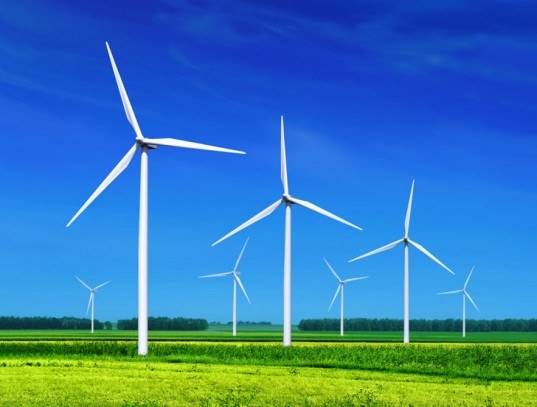


As a little girl slides from the top of a slide to the bottom, her potential energy _______________ (increases or decreases), and her kinetic energy ________________ (increases or decreases).
decreases, dcreases
increases, increases
increases, decreases
decreases, increases
When potential energy is high, kinetic energy is _______________?
high
equal
low
greater than

