
 Worksheets
CHEMICAL EFFECT OF ELECTRIC CURRENT
Total questions: 87
Worksheet time: 44mins
Acids are good conductors of electricity
true
false
2.Water containing which of the following substances may conduct electricity
salt
sugar
3.Why does the bulb glow when the electric current passes through it
due to the heating effect of the current
due to the magnetic effect of the current
both A and B
None of the above
THERE ARE 2 WIRES CALLED LEADS ATTACHED TO THE LED.One lead is slightly longer than the other.
true
false
5.Does the compass needle show deflection for lemon juice
yes
no
6.Does the compass needle show deflection of tap water
yes
no
7.Lemon juice is --------------conductor
good
bad
8 .Milk is a -------------conductor.
good
bad
Small amount of mineral salts present naturally in water are beneficial for human health .
truue
false
10.The liquids that conduct electricity are solutions of acids,bases and salts in water
true
false
Which is a better conductor of electricity?
Electrolytes
Metals
Non metals
None of these
Which of these is used for detecting weak electric current passing through a liquid?
Torch
LED
CFL
None of these
We can also detect weak electric current flowing through a liquid by using a
Metal
Silver
Compass
None of the above
Distilled water does not conduct electricity
True
False
Distilled water becomes a good conductor of electricity on dissolving
A little salt in it
Little sugar in it
Both
None of these
The process of depositing a layer of any desired metal on another metal by means of electricity is called?
Chromo-plating
Electroplating
Corroding
Scratching
Properties of chromium include:
Shiny appearance
Does not corrode
Resists scratches
All of these
Tins cans used for storing food are made by
Electroplating of iron onto tin
Chromium onto tin
Tin onto Iron
Tin onto Silver
Iron is used in bridges and automobiles to provide strength, however, iron tends to corrode and rust, so a coating of _____ is deposited on iron to protect it from corrosion and formation of rust.
Tin
Bronze
Zinc
None of these
For electroplating an iron object with copper metal, a copper plate is made _______
positive electrode
Negative electrode
Electroplating is based on ___________of an electric current.
Physical effect
Chemical effect
Heating effect
Magnetic effect
Adding common salt to distilled water makes it
Good Conductor
Poor Conductor
No change
Both A and B
An electrolyte is
a metal
a solution
a liquid that conducts electricity
none of these
Flow of electrons is called
Electrode
Electrolyte
Electric current
Electroplating
Tick the chemical effect of elecric current
boiling
motion
electro shock
Electroplating
Who discovered chemical effect of elecric current?
Thomas Edison
Joule-Lenz
Michael Faraday
James Watt
Boojho’s uncle has set up an electroplating factory near his village. He should dispose off the waste of the factory
in the nearby river.
in the nearby pond.
in the nearby cornfield.
according to the disposal guidelines of the local authority.
Which one of the following solutions will not conduct electricity?
lemon juice
vinegar
tap water
vegetable oil

Which of the following solutions will not make the bulb in Fig 14.2 glow?
(a)
(b)
(c)
(d)
sodium chlorides
copper sulphate
silver nitrate
sugar solution in diluted water
LED stands for
light emitting diode
light efficient diode
length emitting diode
light emitting device
Sugar solution is a good conductor of electricity.
True
False
the phenomenon of decomposition of an electrolyte when electricity is passed through is known as
conduction
coating
electrolysis
electrorefining
Electroplating prevents
electric current
chemical effect
lightening
rusting
Which of these is plated on the iron to prevent it from chemically reacting with food?
Gold
Chromium
Tin
Zinc
Out of the following, which metal is used to electroplate iron to make it shining and rust resistant?
Gold
Chromium
Zinc
Tin
Chromium corrodes easily.
True
False
Who discovered heating effect of elecric current?
James Watt
Joule-Lenz
Michael Faraday
Thomas Edison
Electroplating is based on ___________of an electric current.
Physical effect
Chemical effect
Heating effect
Magnetic effect
Adding common salt to distilled water makes it
Good Conductor
Poor Conductor
No change
Both A and B
An electrolyte is
a metal
a solution
a liquid that conducts electricity
none of these
Flow of electrons is called
Electrode
Electrolyte
Electric current
Electroplating
Electroplating prevents
electric current
chemical effect
lightening
rusting
Which of these is plated on the iron to prevent it from chemically reacting with food?
Gold
Chromium
Tin
Zinc
Out of the following, which metal is used to electroplate iron to make it shining and rust resistant?
Gold
Chromium
Zinc
Tin
Sugar solution is a good conductor of electricity.
True
False
Chromium corrodes easily.
True
False
Boojho’s uncle has set up an electroplating factory near his village.
He should dispose off the waste of the factory
in the nearby river.
in the corn field
according to the disposal guidelines of the local authority.
in the nearby pond
Which of these will conduct electricity
tap water
distilled water
Conduction of electricity in liquids occurs through electrons.
True
False
When a liquid conducts electricity, a process other than conduction also takes place. What process is this?
electrolysis
electrochemical reaction
electroplating
oxidation
Electric current is the flow of particles with
a negative charge.
a positive charge.
both positive and negative charges flowing opposite to each other.
either positive or negative charge depending on the material.
Which of the following is not a conductor of electricity?
tap water
salt water
petrol
lime juice
An electrolyte is a
solid that conducts electricity.
liquid that conducts electricity and breaks up chemically in the process.
liquid that does not conduct electricity.
solid that does not conduct electricity.
On passing electricity through copper sulphate solution.
copper is formed at anode.
copper is formed at cathode
oxygen is formed at anode.
hydrogen is formed at cathode.
In which of these is current not conducted by electrons?
copper
aluminium
tap water
mercury
A battery is used as a driving force in an electric circuit. True or false?
True
false
which of these particles are responsible for the flow of electric current−electrons, protons or neutrons?
electrons
protons
neutrons
When electricity is passed through tap water, the gases __________ and __________ are evolved.
(a)
An electric current brings about chemical changes in most conducting (a) (solids/liquids).
Substances that conduct electricity are called (a) .
Substances that do not conduct electricity are called (a) .
A cation has (a) charge.
Distilled water when mixed with salts becomes a (a) conductor of electricity.
Sugar solution is a good conductor of electricity.
True
False
The electrode thats connected to the positive terminal of the battery is called a
anode
cathode
elctrode
Which of the following does not conduct electricity?
Sugar solution
Vinegar solution
Lemon juice solution
Caustic soda solution
An electric current can produce
heating effect
chemical effect
magnetic effect
all of the above
Pure or distilled water is a
poor conductor
good conductor
Both
None of the above
Why do we add little dilute sulphuric acid to copper sulphate solution during electroplating?
To increase acidity
To increase conductivity
So that the colour becomes more prominent
To burn copper sulphate
Which of the following is a bad conductor of electricity?
Distilled water
Silver nitrate
Sulphuric acid
Copper sulphate
Electroplating is based on ___________of an electric current.
Physical effect
Chemical effect
Heating effect
Magnetic effect
Which of these is plated on the iron to prevent it from chemically reacting with food?
Gold
Chromium
Tin
Zinc
Electroplating prevents
electric current
chemical effect
lightening
rusting
Out of the following, which metal is used to electroplate iron to make it shining and rust resistant?
Gold
Chromium
Zinc
Tin
Alloys of metals
allow electric current to flow through them
do not allow electric current to flow through them
sometimes allow and sometimes do not allow electric current to flow through them
None of these
Tin cans used for storing food are made by electroplating
copper on iron
iron on tin
tin on zinc
tin on iron
The filament of the bulb gets heated to a high temperature due to the
magnetic effect of current
heating effect of current
chemical effect of current
all of these
During electrolysis of water,
hydrogen gas is produced
oxygen gas is produced
water is produced
both (a) and (b)
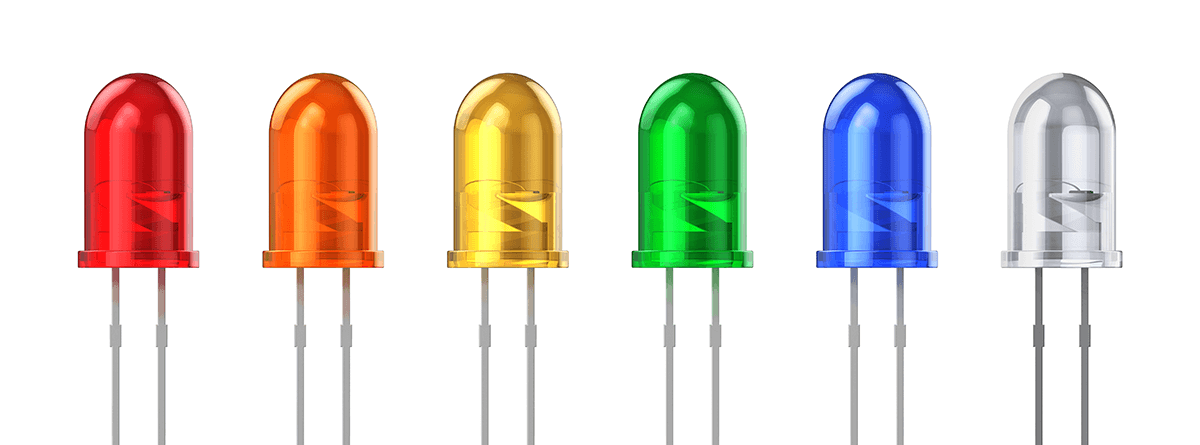
LED stands for
(a)
To electroplate silver on Copper jewellery, the electrolyte that can be used is:
Copper Sulphate
Silver Nitrate
Ammonium Chloride
Sodium Chloride
Radhika wants to electroplate a plate with ZINC. She has a Zinc bar and the plate. But she does not know which should be the anode and which should be the cathode.
Zinc Bar - Anode, Plate - Cathode
Zinc Bar - Cathode, Plate - Anode
Both Anode and Cathode should be Zinc
Small amount of a mineral salt present naturally in water makes it a______________ of electricity.
insulator
conductor
both a and b
none of these
Flow of electron is called
Electroplating
Electric current
Electrodes
Electrolyte
conductors can allow electricity because of the presence of
free ions
free electrons
free protons
atoms

