
 Worksheets
8th MISA TEST REVIEW
Total questions: 90
Worksheet time: 45mins
Name
Class
Date
1.
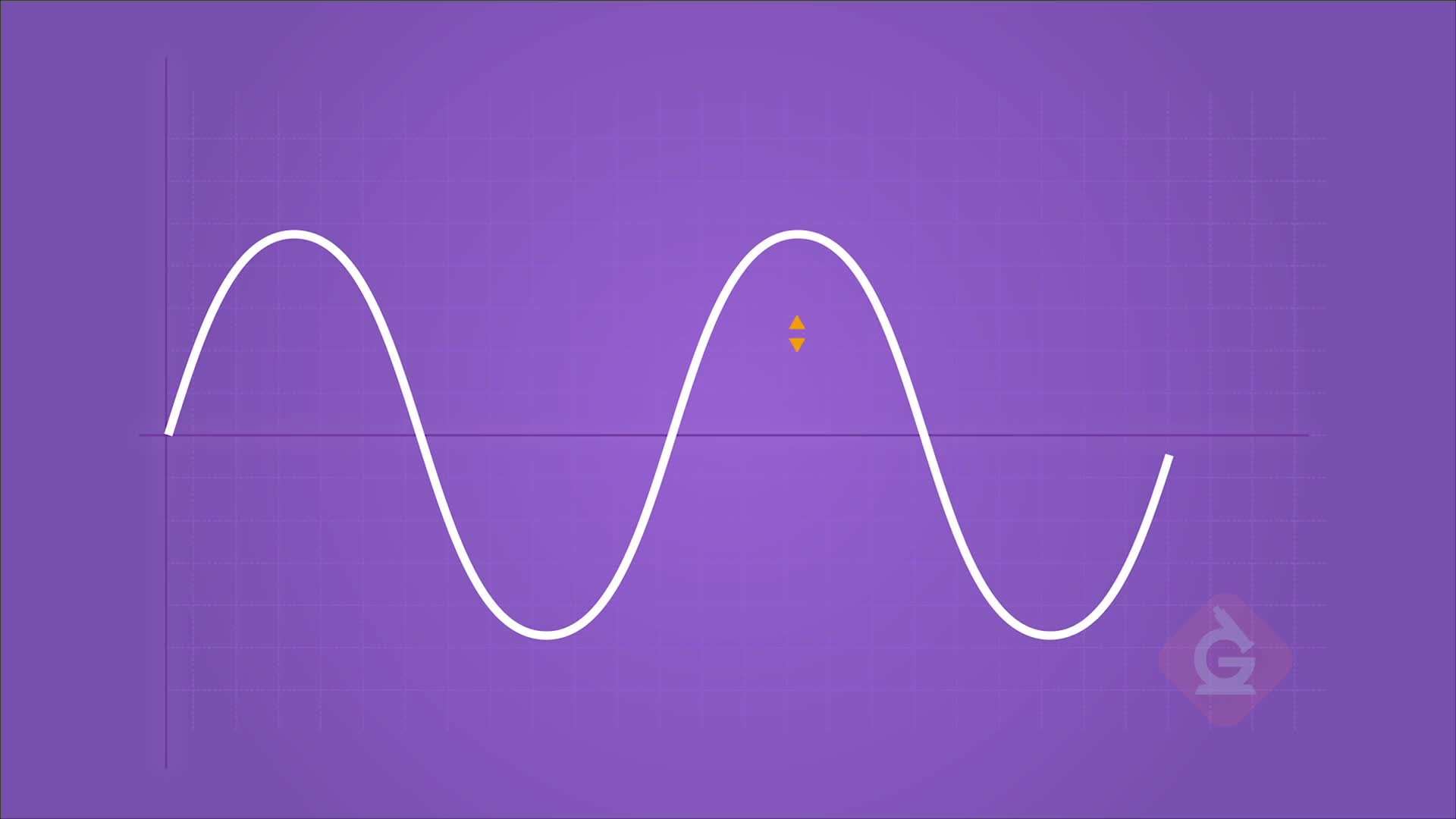
What is a repeating pattern that can transfer energy?
a)
Motif
b)
Prism
c)
Radio
d)
Wave
2.
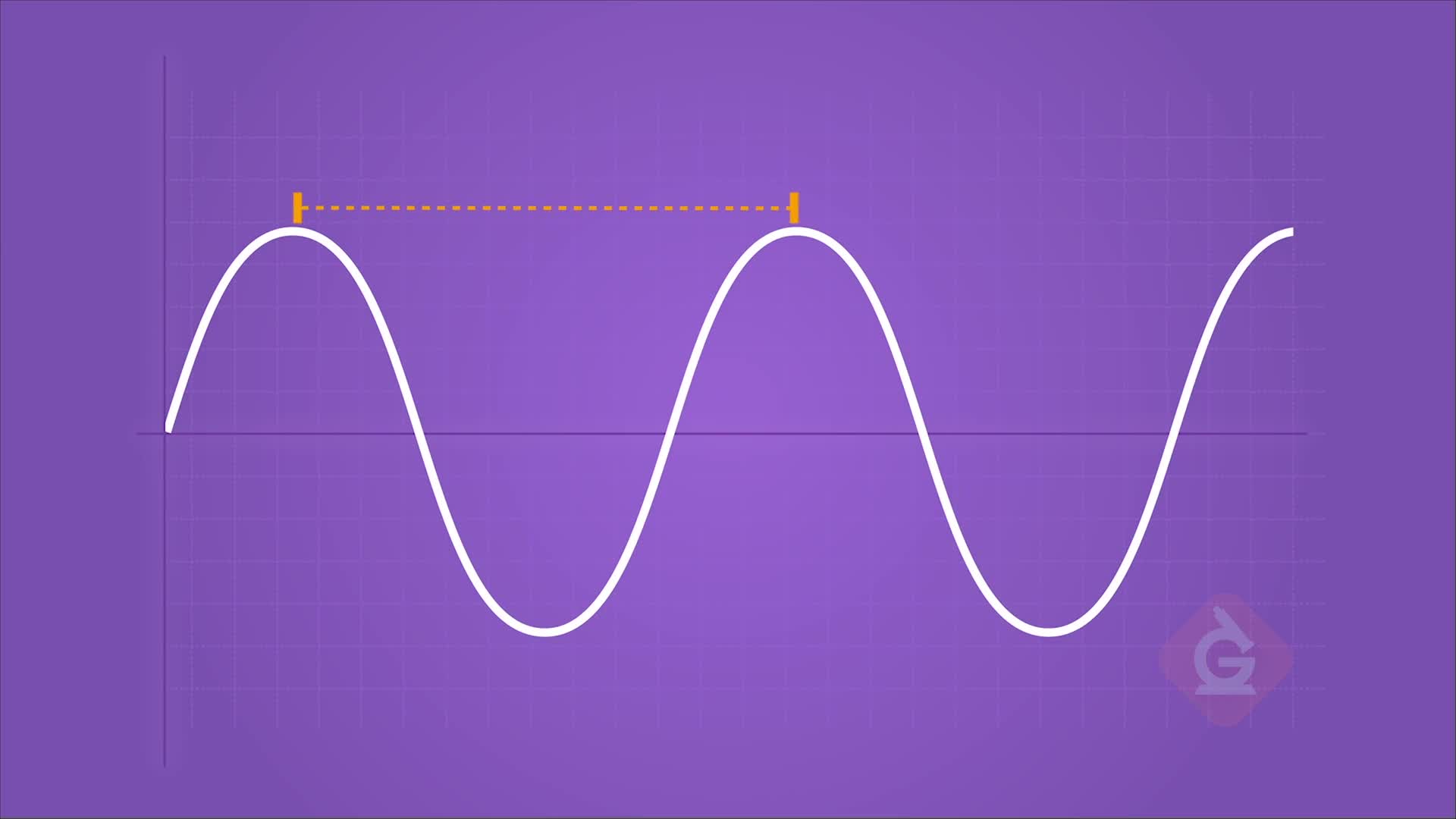
What is the distance from the peak of one wave to the next peak?
a)
Amplitude
b)
Frequency
c)
Period
d)
Wavelength
3.
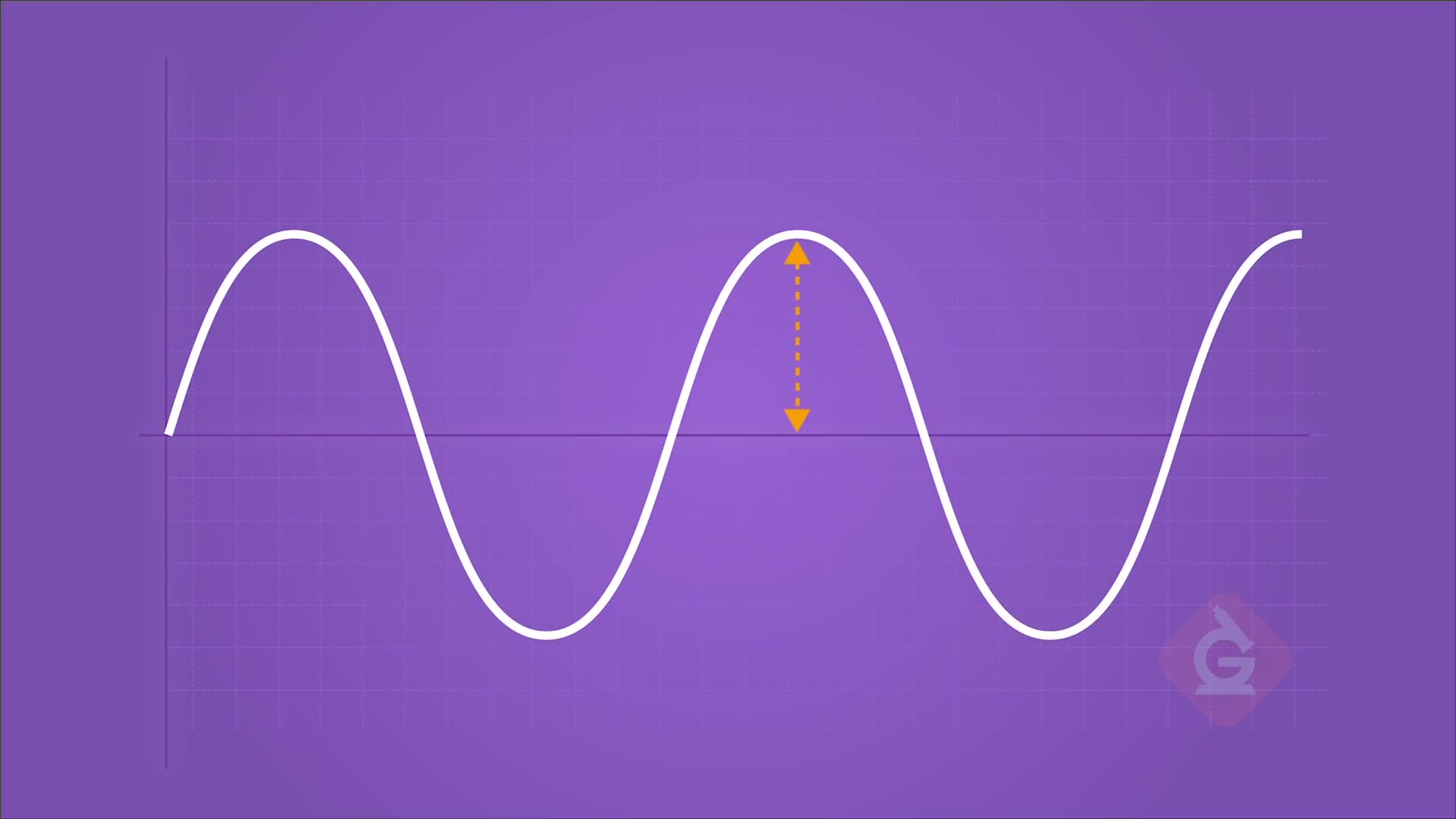
What is the height of a wave from its resting point?
a)
Amplitude
b)
Frequency
c)
Period
d)
Wavelength
4.
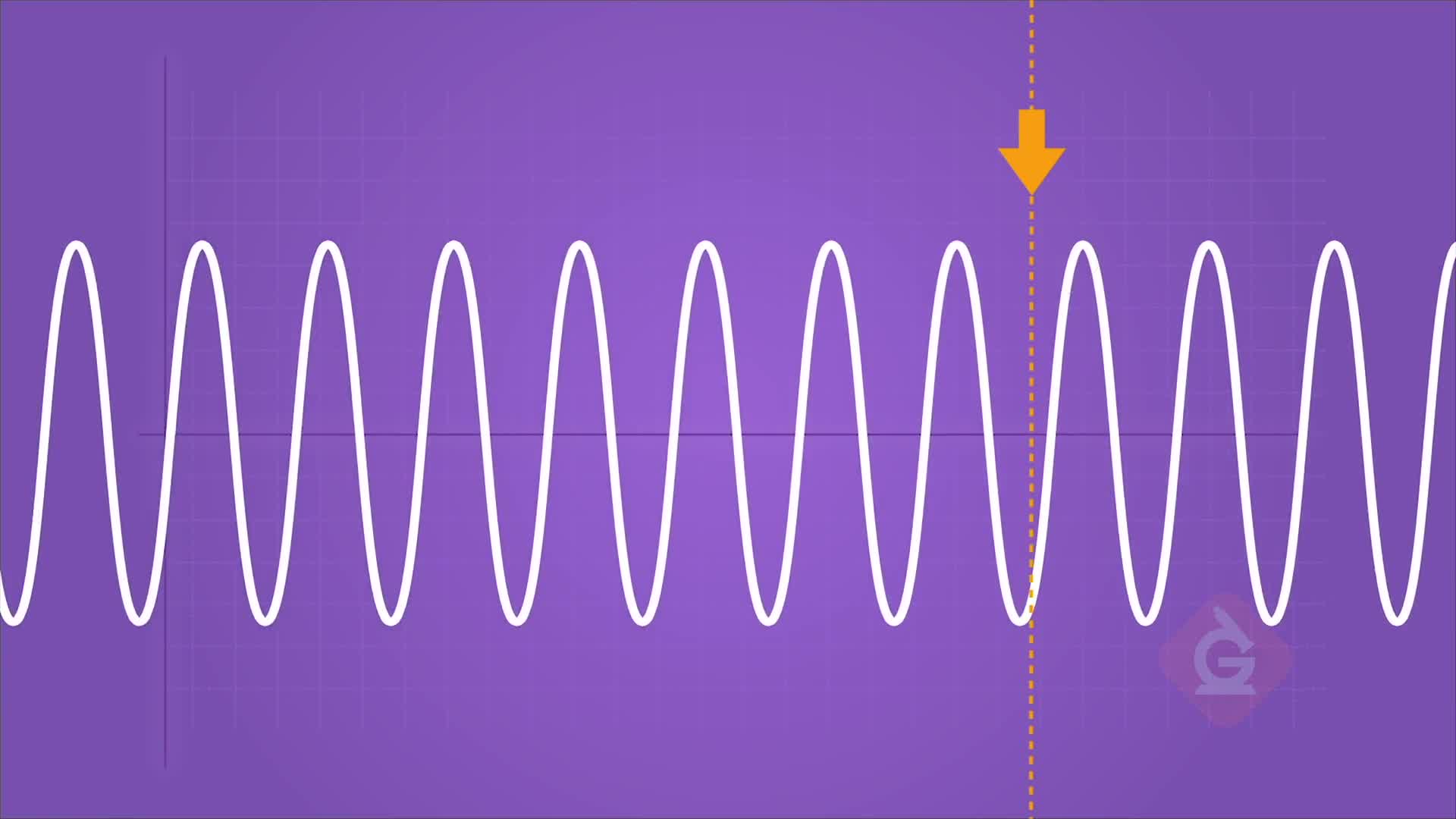
What is the number of waves that pass a point in one second?
a)
Amplitude
b)
Frequency
c)
Period
d)
Wavelength
5.

These waves make water molecules vibrate and warm up.
a)
Gamma
b)
Microwaves
c)
Radio
d)
Ultraviolet
6.
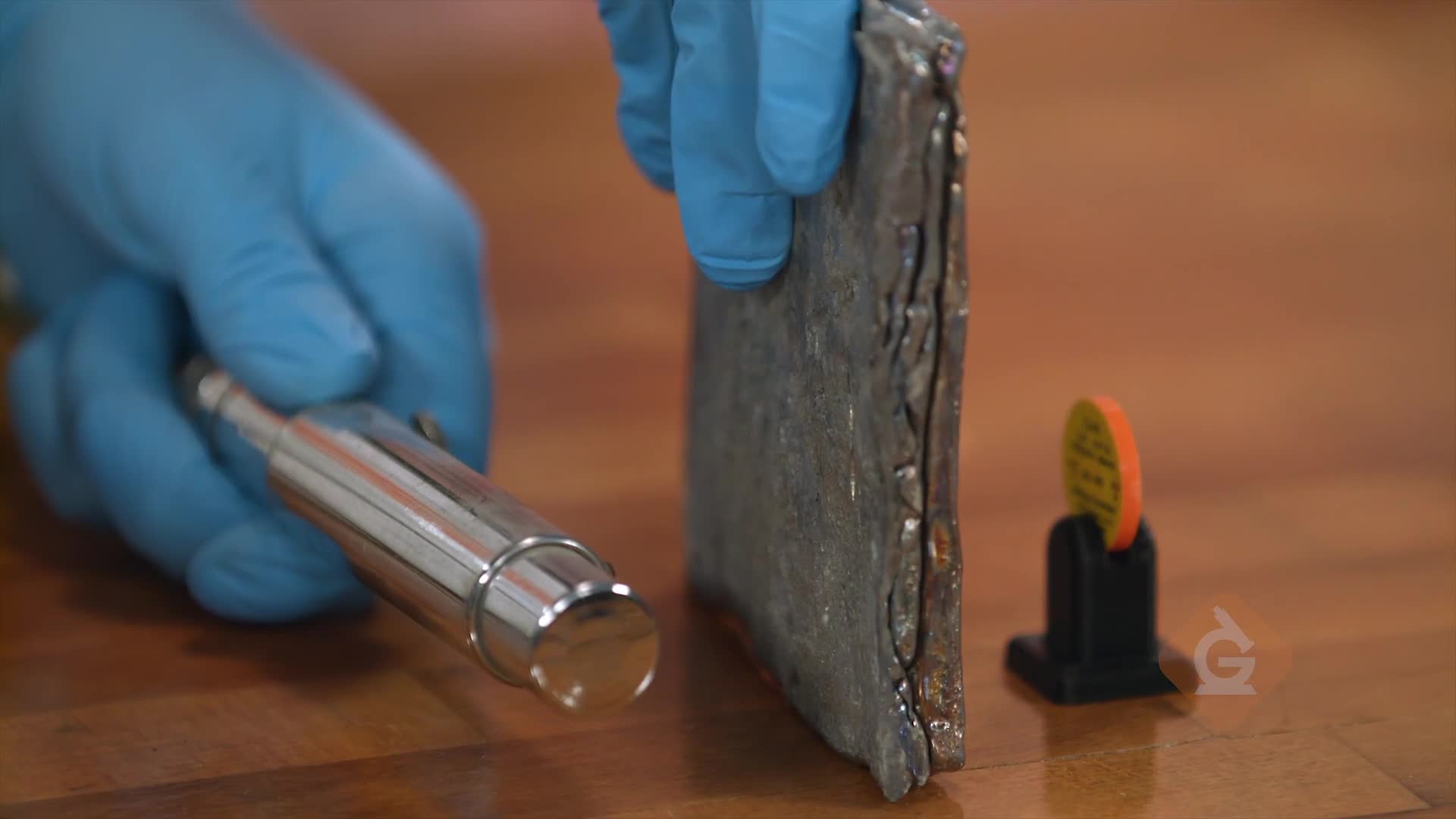
These high-energy waves are given off by radioactive materials.
a)
Gamma
b)
Microwaves
c)
Radio
d)
Ultraviolet
7.

These waves are used to send signals, including WiFi and text messages.
a)
Gamma
b)
Microwaves
c)
Radio
d)
Ultraviolet
8.
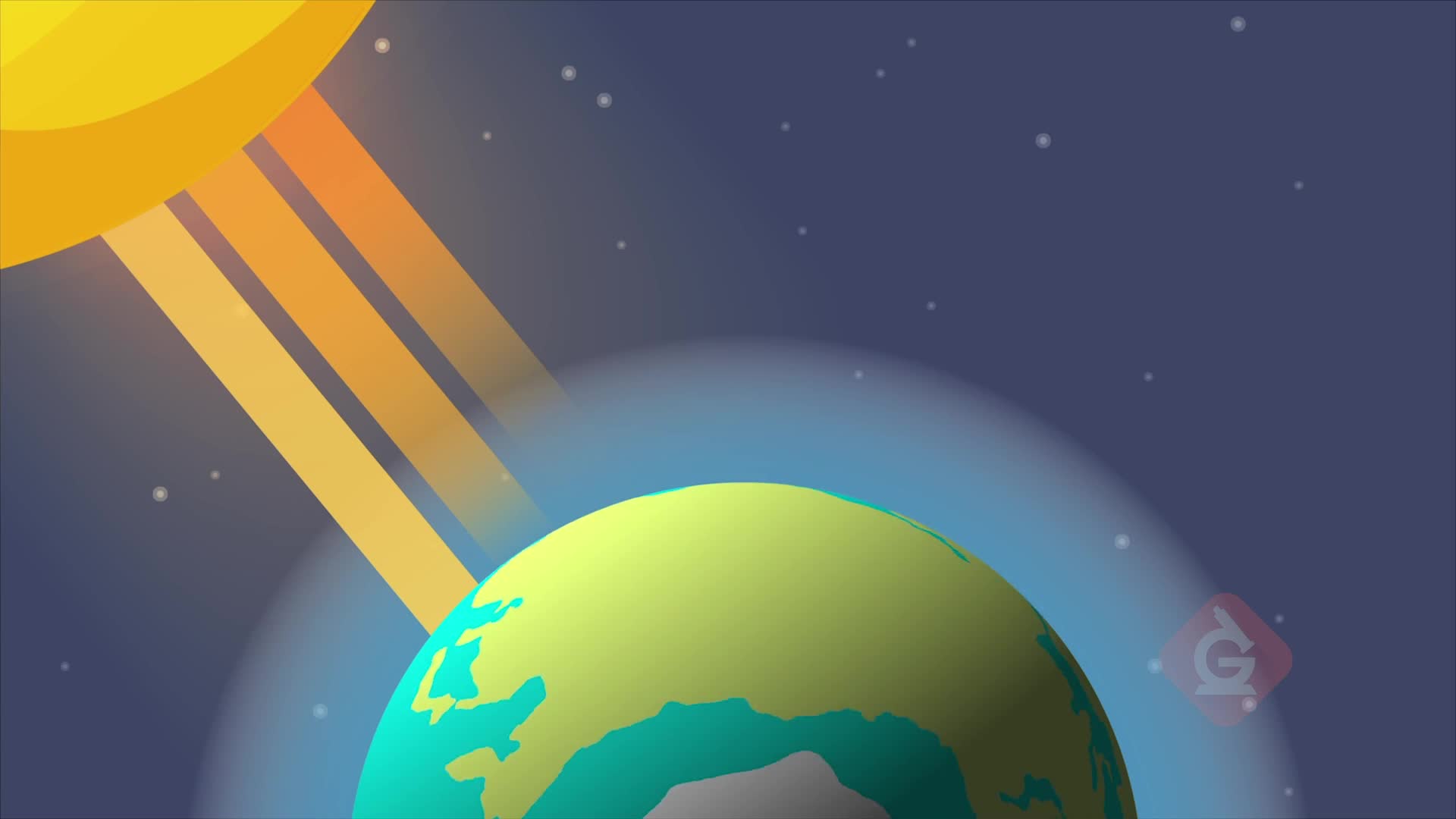
These waves from the sun cause sunburn.
a)
Gamma
b)
Microwaves
c)
Radio
d)
Ultraviolet
9.
Increasing the amplitude of a wave, _________ the wave's energy.
a)
increases
b)
decreases
c)
does not change
10.
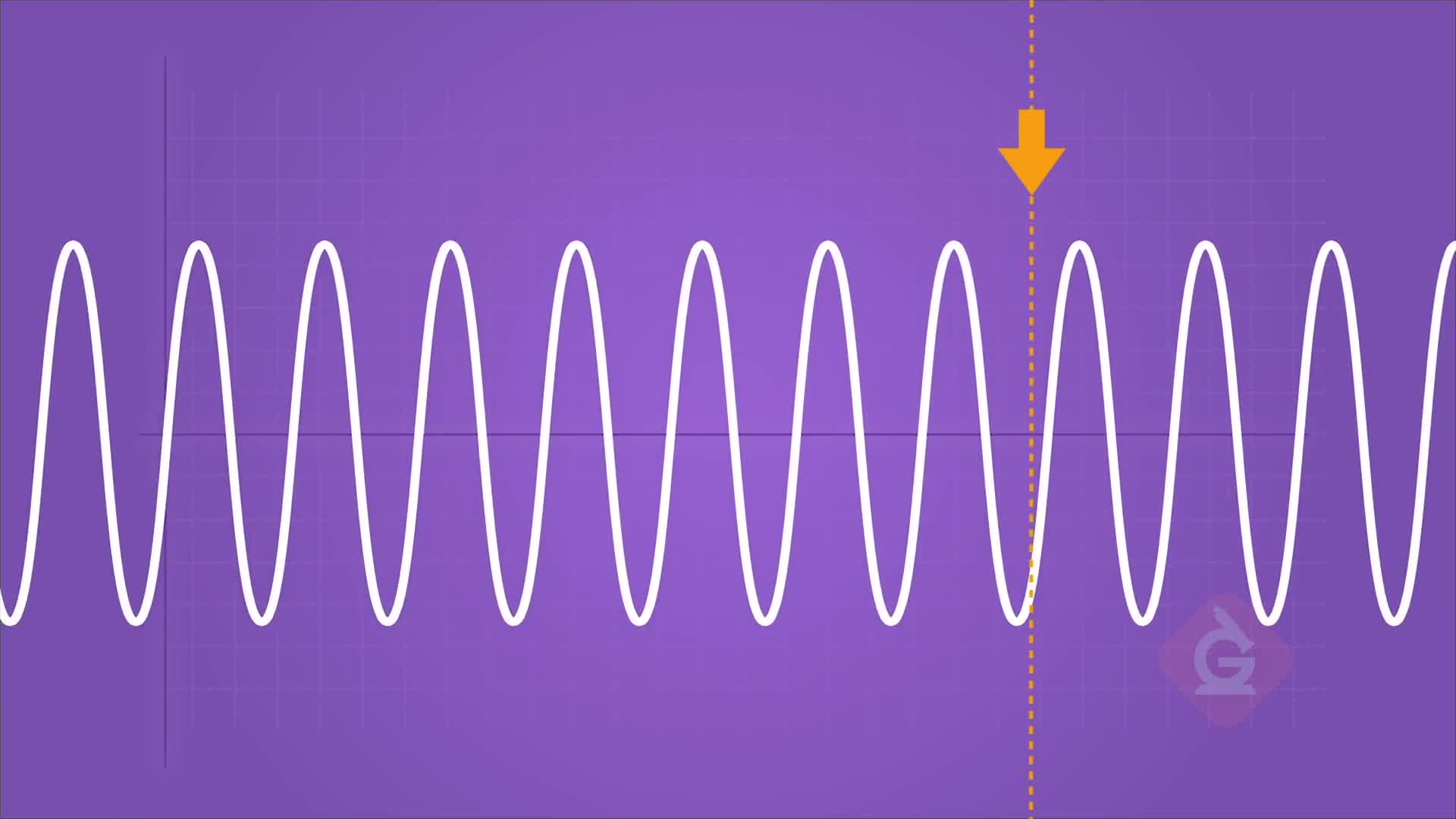
The energy of waves _______ as the wavelength gets shorter.
a)
increases
b)
decreases
c)
stays the same
11.

Which of the following are properties of waves?
a)
Amplitude
b)
Wavelength
c)
Frequency
d)
All of the above
12.

_______ waves need matter to travel but ________ waves do not.
a)
Sound; light
b)
Light; sound
c)
Sound; electrical
d)
Electrical; light
13.

A _______ is a repeating pattern of motion that transfers energy from one place to another.
a)
wavelength
b)
wave
c)
frequency
d)
light
14.

Waves move _______, not matter.
a)
light
b)
sound
c)
energy
d)
water
15.

The height of the wave from its resting point is called its ___________.
a)
frequency
b)
wavelength
c)
amplitude
d)
sequence
16.

The bottom of a wave is called its _________.
a)
peak
b)
wavelength
c)
frequency
d)
trough
17.

The _____________ of a wave is how many waves occur in one second.
a)
wavelength
b)
amplitude
c)
frequency
d)
energy
18.

What is the unit of measurement for frequency?
a)
Nanometers
b)
Hertz
c)
Micrometers
d)
Decibels
19.

Which properties of waves make up color?
a)
Wavelength and frequency
b)
Frequency and amplitude
c)
Amplitude and wavelength
d)
Wavelength, frequency, and amplitude
20.

A ___ amplitude light wave will be brighter, and a __ amplitude light wave will be dimmer.
a)
lower; higher
b)
higher; higher
c)
higher; lower
d)
lower; lower
21.

A(n) __________ is a pure substance made of only one type of atom.
a)
compound
b)
element
c)
proton
d)
electron
22.

An atom is made up of how many different types of subatomic particles?
a)
One
b)
Two
c)
Three
d)
Four
23.

Where are protons found in an atom?
a)
The nucleus
b)
Energy level
c)
The atomic mass
d)
By electrons
24.

What are the rows of the Periodic Table of Elements called?
a)
Columns
b)
Groups
c)
Periods
d)
Lines
25.

The numbered row of the Periodic Table of Elements tells you how many _________ an element has.
a)
neutrons
b)
protons
c)
atoms
d)
energy levels
26.

Examples of elements that are gases and not reactive are called ___________.
a)
metals
b)
non-metals
c)
metalloids
d)
noble gases
27.

What are the columns of the Periodic Table of Elements called?
a)
Columns
b)
Groups
c)
Periods
d)
Lines
28.

________ are good conductors of electricity; they are often shiny solids at room temperature.
a)
Non-metals
b)
Metalloids
c)
Metals
d)
Noble gases
29.

The __________ tells you how many protons an element has.
a)
atomic number
b)
atomic mass
c)
energy levels
d)
electrons
30.

To find the number of neutrons, you subtract the atomic ________ from the atomic ________.
a)
mass; number
b)
number; mass
c)
electrons; protons
d)
neutrons; electrons
31.

An object's motion won't change unless acted on by a _________
a)
spell
b)
force
c)
motion
d)
command
32.

For every action there is ______ and opposite reaction.
a)
an equal
b)
a stronger
c)
a weaker
d)
an exciting
33.

_______ force is needed to move objects of larger mass.
a)
Less
b)
Equal
c)
More
d)
Light
34.

A still object __________ have forces acting upon it.
a)
does
b)
can't
c)
doesn't
d)
will sometimes
35.

The force that pulls objects down towards the center of the Earth.
a)
Friction
b)
Gravity
c)
Air Resistance
d)
Wind Resistance
36.

This force is caused by objects rubbing together.
a)
Gravity
b)
Air Resistance
c)
Friction
d)
Spinning
37.

A rocket launches because of ______.
a)
its large mass
b)
an opposite reaction
c)
gravity
d)
air resistance
38.

Objects in motion tend to stay in motion, while objects at rest, tend to _____________.
a)
stay at rest
b)
roll
c)
start moving
d)
bounce
39.

______________ forces do not affect the movement of an object.
a)
Strong
b)
Weak
c)
Light
d)
Balanced
40.

This force is caused by air and slows things down.
a)
Friction
b)
Air Resistance
c)
Gravity
d)
Pulling
41.

Thermal energy comes from the ______ energy of the atoms and molecules that make up the matter.
a)
Chemical
b)
Electrical
c)
Kinetic
d)
Nuclear
42.

Kinetic energy is the energy of ______.
a)
Motion
b)
Position
c)
Reaction
d)
Sound
43.

What happens to an object as its thermal energy increases?
a)
It heats up.
b)
It cools down.
c)
It doesn't change.
d)
It might freeze.
44.

As kinetic energy of the molecules in a substance increases, the temperature __________.
a)
increases
b)
decreases
c)
stays the same
d)
Atoms don't have kinetic energy
45.

Atoms have kinetic energy because they are always ______.
a)
exploding
b)
motionless
c)
reacting
d)
vibrating
46.

Temperature measures the ______ kinetic energy of the atoms in a substance.
a)
average
b)
maximum
c)
minimum
d)
total
47.

A substance might freeze when thermal energy is ______ the substance.
a)
added to
b)
removed from
c)
created in
d)
destroyed in
48.

Removing thermal energy from a substance causes its atoms to vibrate ______.
a)
constantly
b)
faster
c)
slower
d)
in circles
49.

Thermal energy always moves from a ______ area to a ______ area.
a)
bigger, smaller
b)
colder, hotter
c)
higher, lower
d)
warmer, cooler
50.

A chemical reaction that ______ energy can be used to heat up other substances.
a)
absorbs
b)
consumes
c)
maintains
d)
releases
51.

The transfer of thermal energy from one object to another is called _________.
a)
heat
b)
temperature
c)
radiation
d)
potential
52.

________ describes the motion energy of particles.
a)
Heat
b)
Temperature
c)
Thermal energy
d)
Potential energy
53.

_________ is the transfer of thermal energy that causes a metal spoon in hot liquid to get hot.
a)
Conduction
b)
Convection
c)
Radiation
d)
Heat
54.

________ is the type of thermal energy transfer that causes a camp fire to warm us.
a)
Conduction
b)
Convection
c)
Radiation
d)
Smores
55.

To compare thermal energy transfer, properties of different materials _______ needs to be the same.
a)
temperature
b)
mass
c)
density
d)
color
56.

Conduction, convection, and radiation can happen at the same time.
a)
TRUE
b)
FALSE
57.

_________ is a substance with a high heat capacity.
a)
Iron
b)
Aluminum
c)
Paper
d)
Water
58.

A substance with a high heat capacity is a better ________ of thermal energy.
a)
conductor
b)
insulator
c)
producer
d)
inducer
59.

Where is water the least dense in a pot of boiling water?
a)
Closest to heat source
b)
Farthest from heat source
c)
Density doesn't change
60.

A light can be used to keep food warm because it transfers thermal energy by __________.
a)
conduction
b)
convection
c)
radiation
d)
brightness
61.

For electrical energy to flow, there must be a(n) ______.
a)
good battery
b)
copper wire
c)
on/off switch
d)
closed circuit
62.

Which of the following is NOT a conductor?
a)
Water
b)
Aluminum
c)
Wood
d)
Penny
63.

In a _________ circuit, the components are arranged with one path for the current.
a)
series
b)
parallel
64.

The measure of potential energy stored in a battery is called _________.
a)
potentiometer
b)
capacity
c)
voltage
d)
resistance
65.

Which of the following could NOT be used to speed up the flow of electricity in a circuit?
a)
Potentiometer
b)
Fuse
c)
Transistor
d)
Wire
66.

In a _________ circuit, each component has its own path for the current to flow.
a)
series
b)
parallel
67.

Which of the following is used to prevent too much electricity from flowing through a circuit?
a)
Fuse
b)
Transistor
c)
Capacitor
d)
LED
68.

Which type of circuit would you use in order to turn each component on and off separately?
a)
Series
b)
Parallel
69.

In order to make computers smaller, electrical engineers developed miniature __________.
a)
prosthetics
b)
batteries
c)
LEDs
d)
circuit boards
70.

Pennies can be used to make a battery because they are __________.
a)
conductors
b)
insulators
c)
capacitors
d)
voltage
71.

Which observation(s) might be used as evidence that a chemical reaction occurred?
a)
Color change
b)
Odor change
c)
Properties change
d)
All of the above
72.

_________ is (are) made of more than one atom.
a)
A molecule
b)
Protons
c)
Neutrons
d)
An element
73.

________ result(s) in no new substances.
a)
A physical change
b)
A chemical change
c)
Physical and chemical changes
d)
None of the above
74.

Which is an example of a physical change?
a)
Burning wood
b)
Freezing water
c)
Rust on a car
d)
Cooking food
75.

Which is an example of a chemical change?
a)
Burning wood
b)
Rust on a car
c)
Cooking food
d)
All of the above
76.

If you start a chemical reaction with 5 atoms of helium, how many atoms will you have after?
a)
4 atoms
b)
10 atoms
c)
1 atom
d)
5 atoms
77.

Which of the following are properties of matter?
a)
Magnetism
b)
Color
c)
Odor
d)
All of the above
78.

Which of the following help a chemical reaction to happen faster?
a)
Molecule
b)
Atom
c)
Catalyst
d)
Density
79.

Is TNT exploding a physical or chemical change?
a)
Physical
b)
Chemical
c)
Both physical and chemical
d)
Neither physical nor chemical
80.

What kind of scientist forms new materials by studying chemical reactions?
a)
Chemical engineer
b)
Materials scientist
c)
Pharmacist
d)
Medical doctor
81.

What chart should you reference to lookup information about elements?
a)
elemental map
b)
periodic table
c)
table of atoms
d)
none of the above
82.
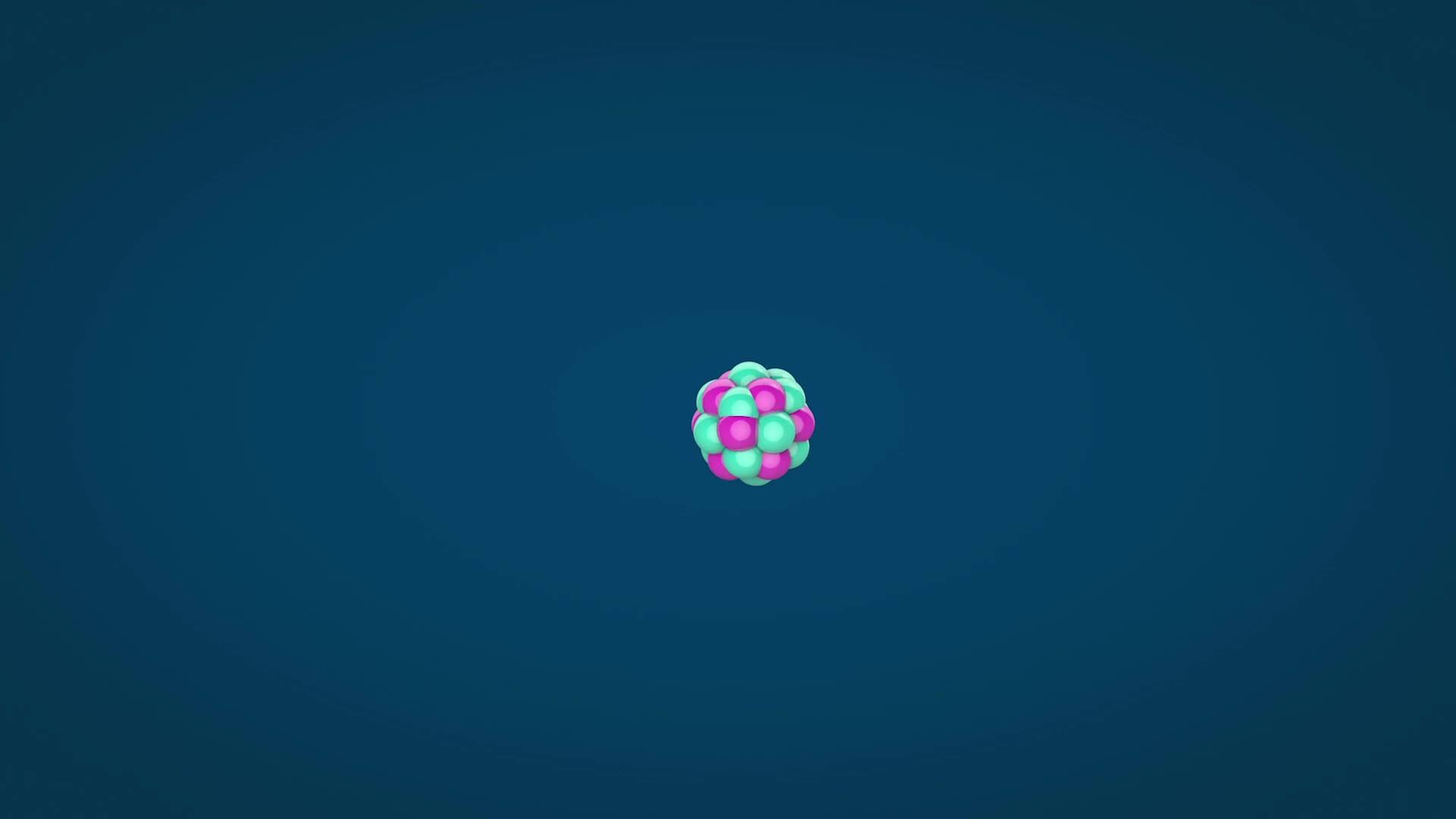
Protons and neutrons clump together to form the __________ of an atom.
a)
nucleus
b)
centrosome
c)
outer shell
d)
orbital
83.
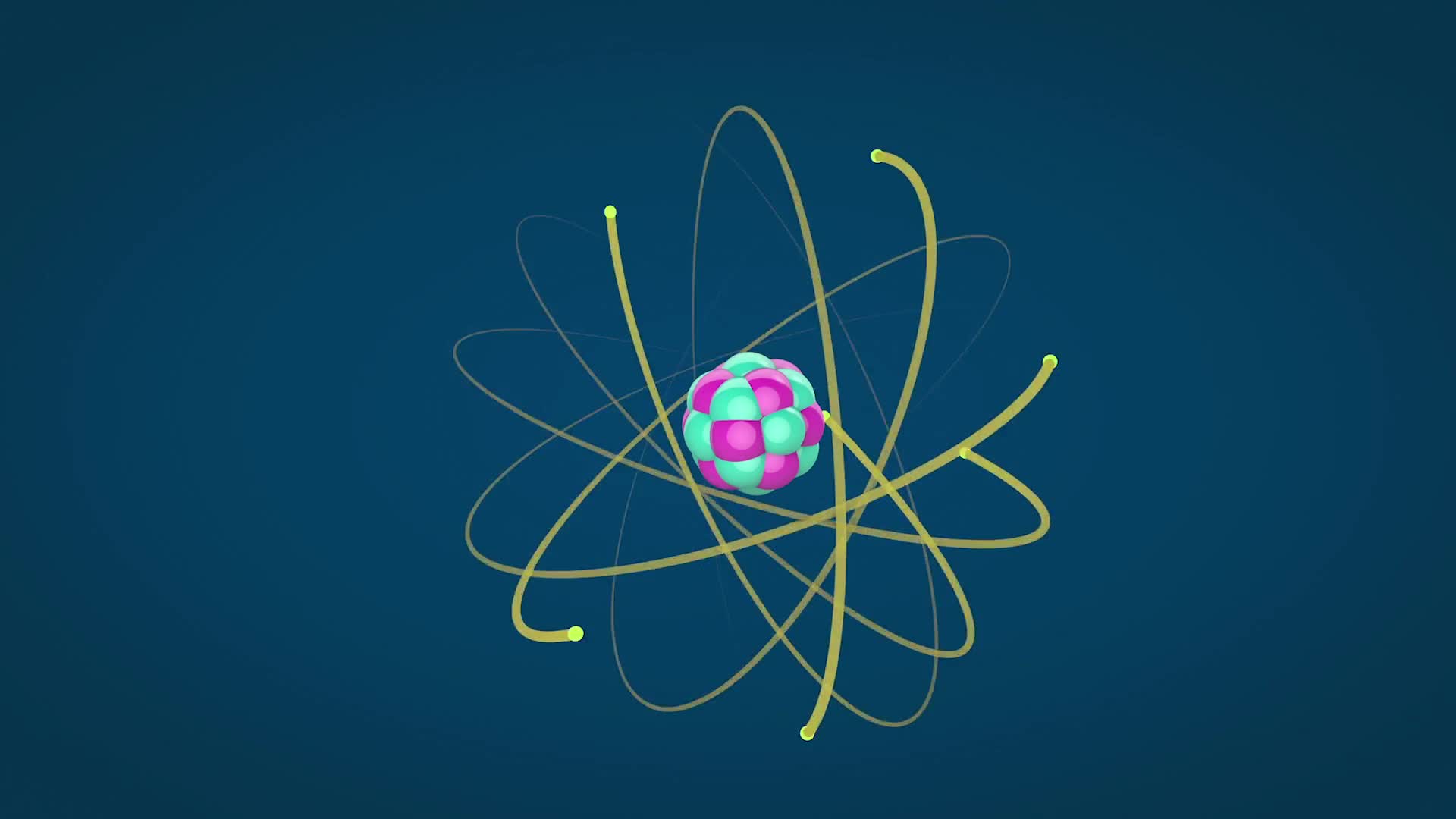
This subatomic particle of an atom has a POSITIVE charge.
a)
electron
b)
neutron
c)
proton
d)
amitron
84.
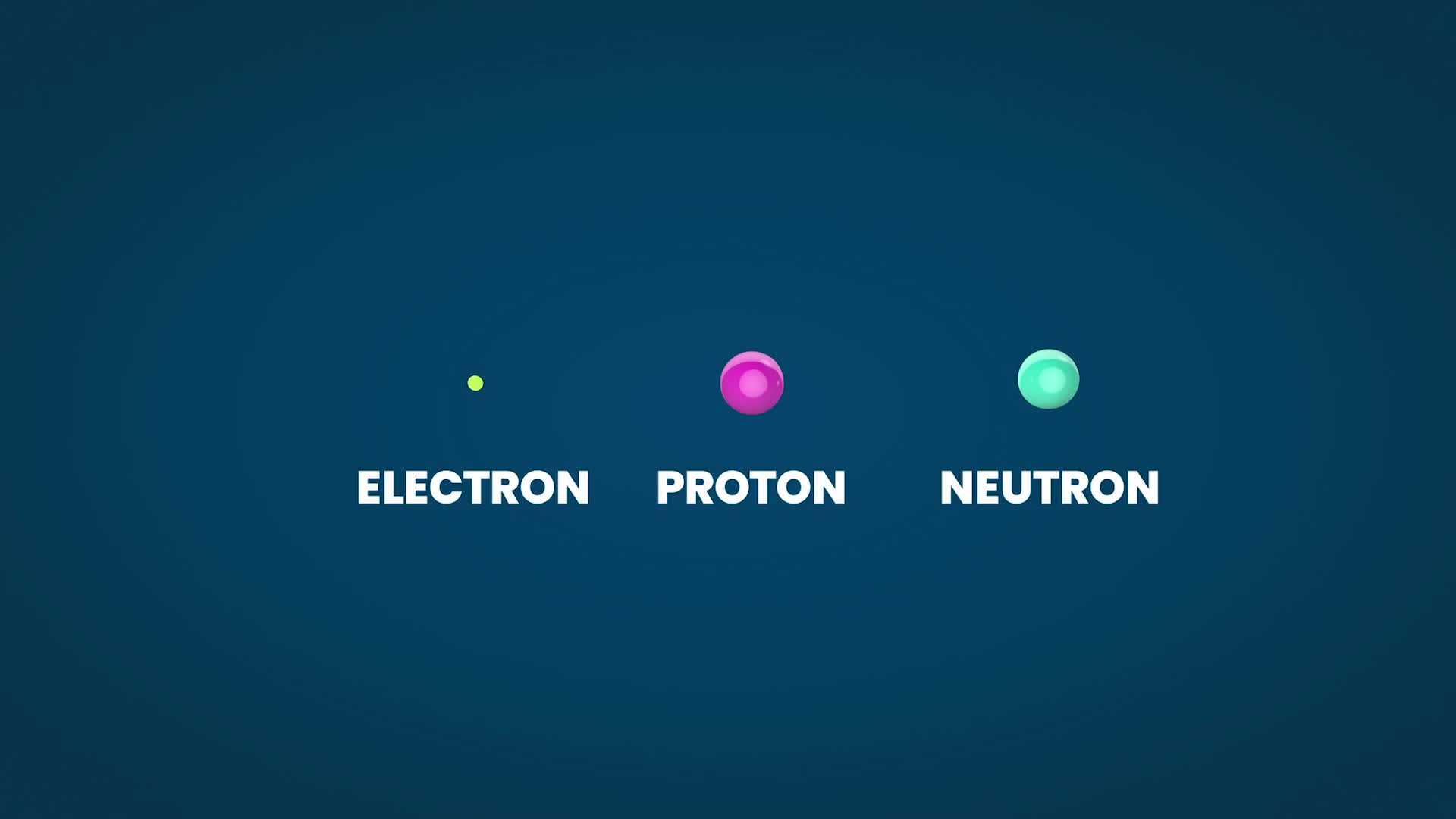
This subatomic particle of an atom has NO charge.
a)
electron
b)
proton
c)
atom
d)
neutron
85.
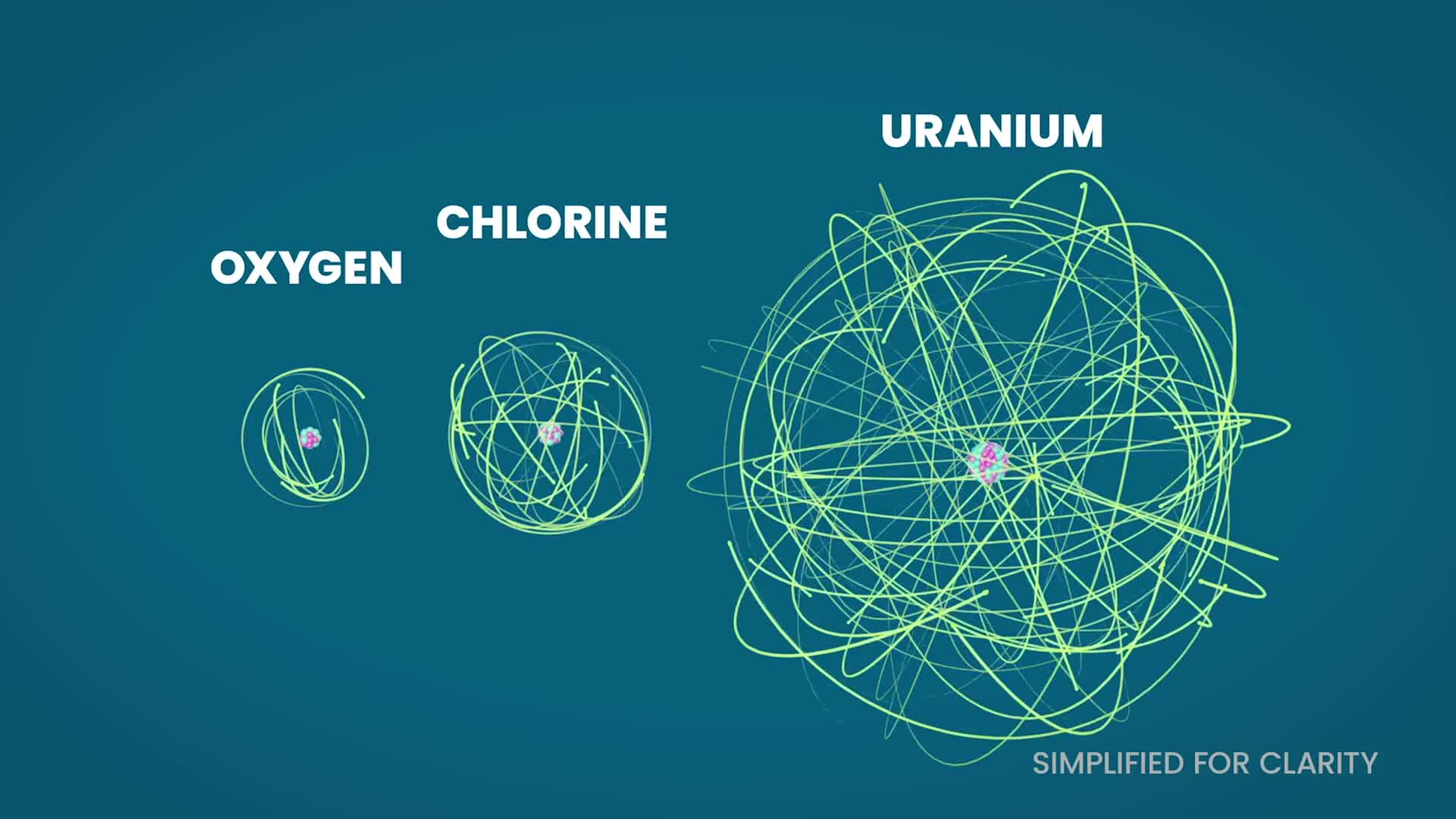
This subatomic particle of an atom has a NEGATIVE charge.
a)
electron
b)
proton
c)
atom
d)
neutron
86.

Which of these is the simplest atom?
a)
uranium
b)
chlorine
c)
oxygen
d)
hydrogen
87.

______ is an ELEMENT since it is only made up of one type of atom.
a)
Water
b)
Air
c)
Gold
d)
Salt
88.

Atoms are more than ________ times smaller than the width of a hair.
a)
10
b)
100
c)
1,000
d)
10,000
89.
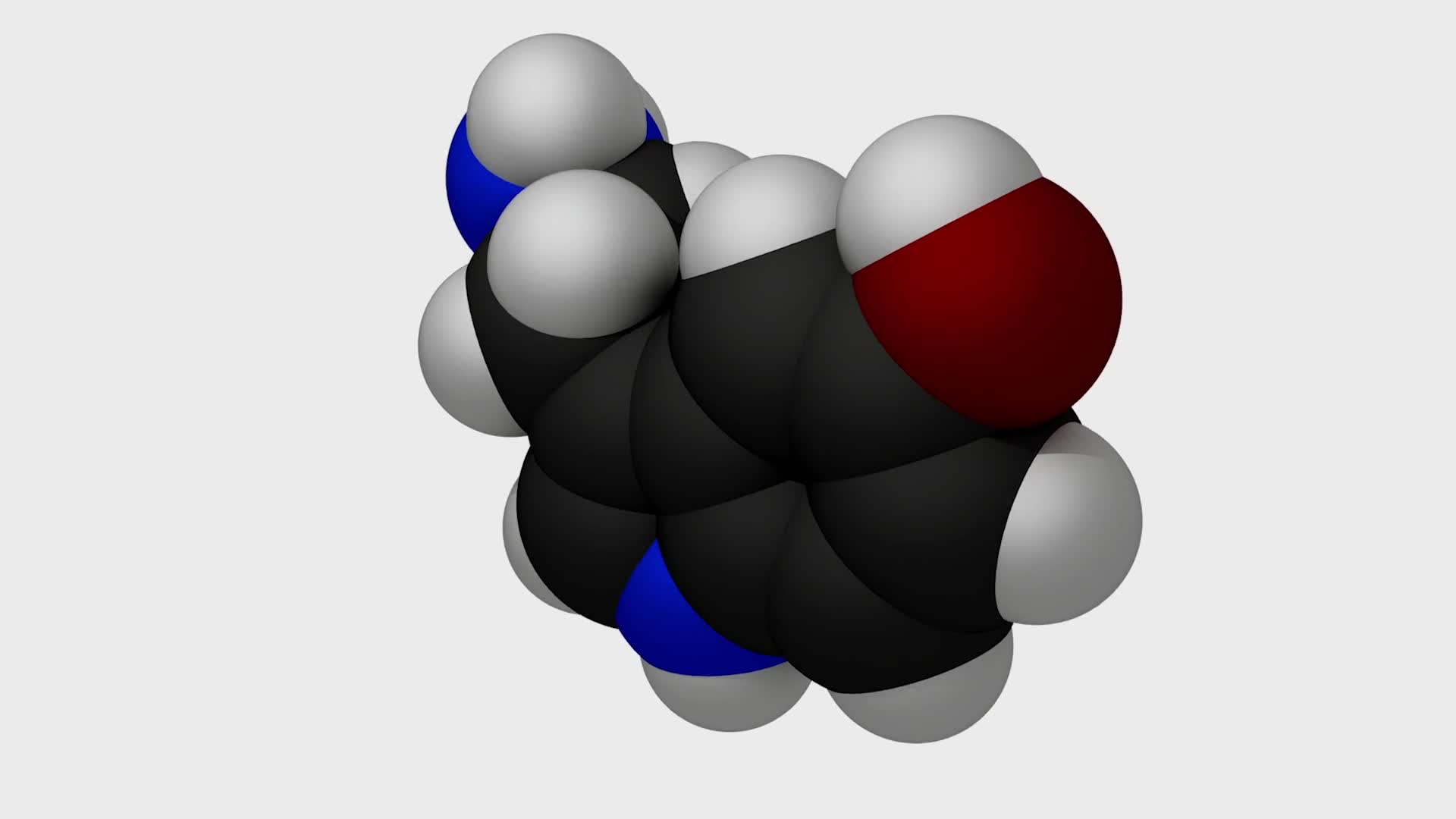
A molecule is made up of ____ or more atoms.
a)
1
b)
2
c)
3
d)
4
90.

The number of atoms it would take to make a molecule of water.
a)
1
b)
2
c)
3
d)
4
100 %

