wayground logo

Free Printable Worksheets

Font size

S
M
L
XL
Worksheets

Physical/Chemical Properties Quiz

Total questions: 52

Worksheet time: 28mins

Name
Class
Date
1.

What is a substance made of two or more elements that are chemically combined called?

a)

A. element

b)

B. compound

c)

C. mixture

d)

D. solution

2.

Is salt (NaCI) a compound or an element?

a)

Compound

b)

element

3.

What is the definition of a compound?

a)

The smallest part of any substance which can exist on its own

b)

Two or more atoms chemically joined together (can be the same or can be different)

c)

A simple substance in which all the atoms are identical

d)

Two or more different elements chemically joined together

4.

A compound is made of ________ atoms.

a)

big

b)

similar

c)

different

5.

A substance that contains only one type of atom is a(n)

a)

compound

b)

element

c)

heterogeneous mixture

d)

homogeneous mixture

6.

Two or more physically combined substances form

a)

a compound.

b)

an acid.

c)

an element.

d)

a mixture.

7.
This picture represents which of the following?
a)
element
b)
compound
c)
mixture of elements
d)
mixture of compounds
8.
This picture represents which of the following?
a)
element
b)
compound
c)
mixture
9.

Which of the following is a mixture?

a)

oxygen

b)

gold

c)

sand

d)

water

10.
Boiling point,melting point, and density are some of an element's
a)
pure properties
b)
physical properties
c)
chemical properties
11.
An element's ability to react with acid is an example of a
a)
physical property
b)
melting point
c)
chemical property
12.
What is gold?
a)
element
b)
compound
c)
mixture
13.
What is water?
a)
element
b)
compound
c)
mixture
14.
What is salad?
a)
element
b)
compound
c)
mixture
15.
Soil
a)
Heterogeneous
b)
Homogeneous
16.
Pizza
a)
Heterogeneous
b)
Homogeneous
17.
Sugar water
a)
Heterogeneous
b)
Homogeneous
18.
Vinegar
a)
Heterogeneous
b)
Homogeneous
19.
Ability to rust is this type of property:
a)
Physical property
b)
Chemical property
20.
Which is an example of a physical property?
a)
ability to react with acid
b)
 color
c)
flammability
d)
ability to react with oxygen
21.
Physical properties are
a)
properties that can be observed without changing the identity of the substance
b)
properties that describe how a substance changes into a completely different substance
c)
properties that we can only observe with our eyes
d)
properties that we need special tools to observe
22.
Milk turns sour. This is what kind of change?
a)
Chemical change
b)
Physical change
c)
Physical Property
d)
Chemical Property
23.
Flammability (burns): Chemical or Physical Property
a)
Chemical Property
b)
Physical Property
24.
What kind of properties can only be observed when a substance changes into a different substance?
a)
physical properties
b)
chemical properties
c)
liquid properties
d)
real properties
25.
Is burning wood a chemical or physical change?
a)
chemical
b)
physical
26.
Which of the following below is a chemical property? 
a)
Color
b)
Density
c)
Boiling Point
d)
Reactivity with Acid
27.
Density is a 
a)
Chemical Property 
b)
Physical Property 
c)
Both A and B
d)
None of the above
28.
Which one of the following is NOT a physical property of paper? 
a)
It is solid
b)
It is white
c)
It is flammable
d)
It is smooth
29.
What is the formula for density?
a)
density = mass x volume
b)
density = mass / volume
c)
density = mass + volume
d)
density = mass - volume
30.
Frank has an eraser. It has a mass of 4g, and a volume of 2cm3. What is its density?
a)
8 g/cm3
b)
2 g/cm3
c)
1/2 g/cm3
d)
24 g/cm3
31.
A crayon has a mass of 10g and volume of 5 mL. What is the density?
a)
30 g/mL
b)
15 g/mL
c)
1 g/mL
d)
2 g/mL
32.

Calculate the density of a rock with the mass of 108 grams and a volume of 12 cm3.

a)

9 g/cm3

b)

0.11111 cm3/g

c)

I have no idea!

d)

19 g/cm3

33.

What formula would you use to calculate the volume of a regular object?

(a)  

34.

What is the density of a material that has a volume of 20 cm3 and a mass of 380 grams?

a)

0.053 cm3/g

b)

19 g/cm3

c)

9.5 g/cm3

d)

190 g/cm3

35.
In an exothermic reaction, heat is ...
a)
taken in
b)
given out
36.

In an endothermic reaction, heat is ...

a)

taken in

b)

given out

37.
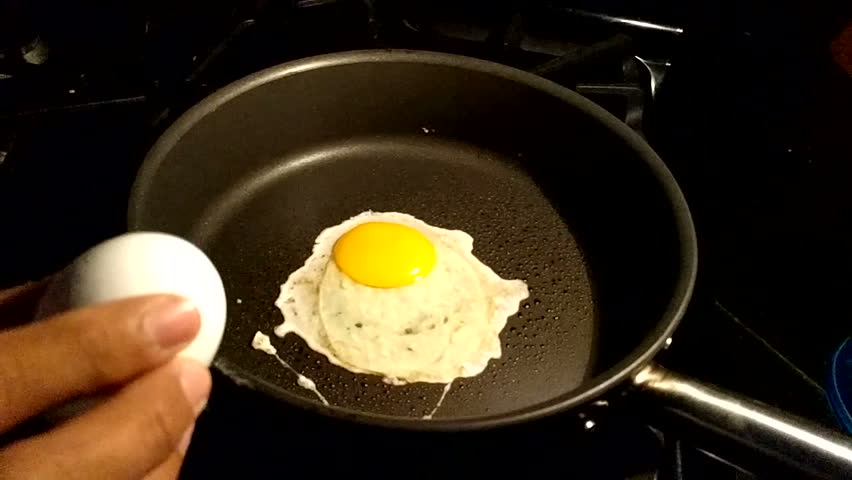
Baking bread and cooking an egg are examples of....?
a)
Endothermic processes
b)
Exothermic processess
c)
None of these 
38.
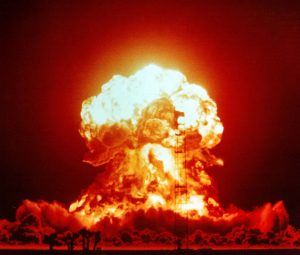
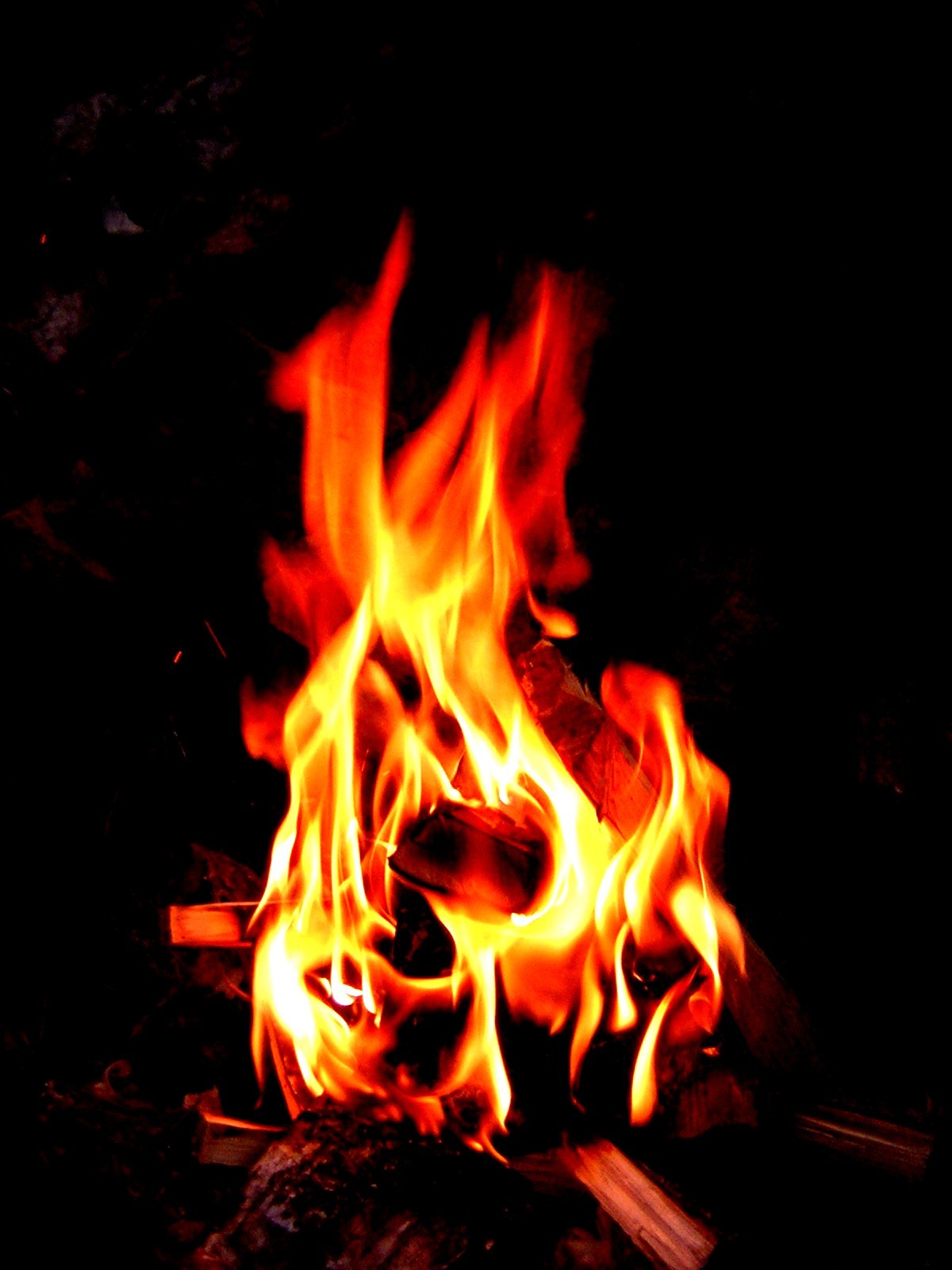
What type of reaction is shown in the photo?
a)
Exothermic
b)
Isothermic
c)
Endothermic
d)
None of the  above
39.

_____ reactions usually feel hot!

a)

endothermic

b)

exothermic

40.
When iron nails get rusty, heat is released.  What process is this?
a)
Exothermic
b)
Endothermic
41.
Is photosynthesis an exothermic or endothermic reaction?
a)
Endothermic
b)
Exothermic
c)
Neither
42.
When you freeze water, it turns to ice.  What kind of change is this?
a)
 Physical
b)
Chemical
43.
After you mix two substances together, a new substance forms.  This is an example of:
 
a)
 Physical Change
b)
 Chemical Change
44.
Which of the following would NOT be able to conduct heat or electricity?
a)
Metal
b)
Metalloid
c)
Nonmetal
45.
The boiling point of water is 100 degrees C. What kind of property is this?
a)
Chemical
b)
Physical
c)
Neither
46.
A metal cube has a height of 5 cm and a mass of 80 grams, what is the density of the cube?
a)
.64 g/cm3
b)
6.4 g/cm3
c)
1.5 g/cm3
d)
15 g/cm3
47.
What type of properties can be observed and measured without changing the substance?
a)
Chemical
b)
Physical
c)
Neither
48.
Select all of the following examples of physical properties?
a)
Hardness
b)
Magnetism
c)
Color
d)
Conductivity
e)
Oxidation
49.
Calculate the density of an object that has a mass of 300 grams and a volume of 30 ml?
a)
0.1 g/ml
b)
1 g/ml
c)
10 g/ml
d)
100 g/ml
50.
Which of the following is NOT evidence of a chemical change?
a)
color change
b)
formation of a precipitate
c)
formation of a gas
d)
change in state of matter
51.
Select all of the following examples of a chemical change
a)
Roasting a marshmallow over a fire
b)
Chopping a piece of wood with an axe
c)
A bicycle rusting over time
d)
Ice melting on the pavement
e)
Cracking an egg open
52.
Jane wants to identify an unknown metal she found outside in the dirt. What would be the BEST physical property to use to help her identify the substance?
a)
Color
b)
Hardness
c)
Magnetism
d)
Density