wayground logo

Free Printable Worksheets

Font size

S
M
L
XL
Worksheets

5th Six Weeks Test Review 2019

Total questions: 50

Worksheet time: 38mins
Name
Class
Date
1.
The products of photosynthesis are
a)
water and carbon dioxide
b)
oxygen and water
c)
sugar and cabon dioxide
d)
oxygen and sugar (glucose)
2.
In what part of the cell does photosynthesis occur?
a)
Nucleus
b)
Chloroplast
c)
Epidermis
d)
Vacuole
3.
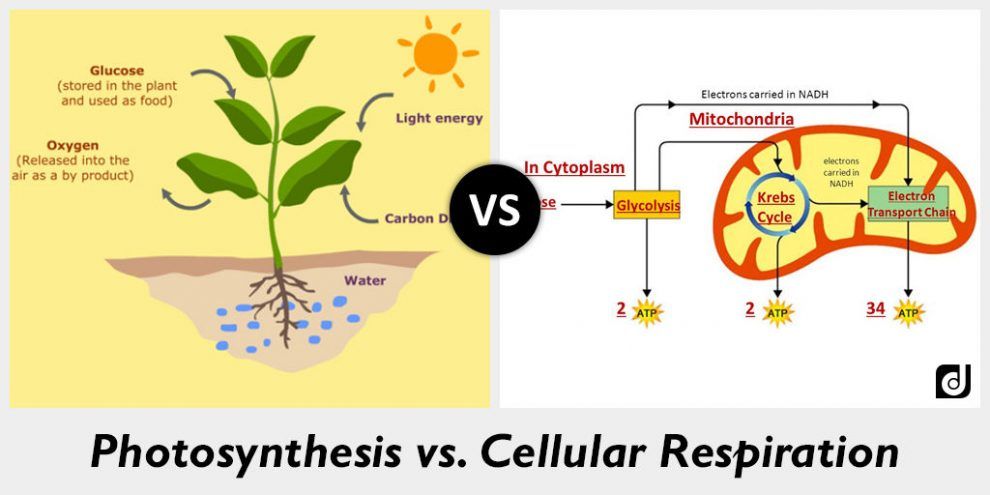
Which of the following is the correct equation for PHOTOSYNTHESIS?
a)
6CO2 + 6H2O --> 6O+ C6H12O6
b)
6CO+ C6H12O6 + 6H2O --> O
c)
6O2 + 6H2O --> 6CO+ C6H12O6
d)
C6H12O6 + 6O2 ---> 6H2O + 6CO2 
4.
If carbon dioxide is completely removed from a plant’s environment, what would you expect to happen to the plant’s production of high-energy sugars (rate of photosynthesis)?
a)
Sugar production will likely increase.
b)
Sugars will not be produced.
c)
The rate of sugar production will decrease .
d)
Fewer sugars will be produced at first, but then the plant will recover.
5.
What is the correct equation for cellular respiration?
a)
6O2 + C6H12O6 -> 6CO2 + 6H2O + Energy
b)
6O2 + C6H12O6 + Energy -> 6CO2 + 6H2O
c)
6CO2 + 6H2O -> 6O2 + C6H12O6 + Energy
d)
6CO2 + 6H2O + Energy -> 6O2 + C6H12O6
6.
Cellular Respiration's goal is to
a)
make water
b)
make ATP
c)
make glucose
d)
make  oxygen
7.
What is the purpose of cellular respiration?
a)
To turn energy from the sun into glucose
b)
To turn oxygen into glucose
c)
To turn ATP into glucose
d)
To turn glucose into energy in the form of ATP
8.

Which is the correct sequence of events in cellular respiration?

a)

glycolysis-Kreb's cycle-ETC

b)

ETC- glycolysis-Kreb's cycle

c)

Kreb's cycle-glycolysis- ETC

d)

glycolysis-ETC- Kreb's cycle

9.

Which of the following responses is a plant growing toward or leaning toward light?

a)

thigmotrophism

b)

phototropism

c)

gravitropism

d)

hydrotropism

10.

Which of the following responses is a plant growing toward or leaning toward touch?

a)

thigmotropism

b)

hydrotropism

c)

phototropism

d)

gravitropism

11.

What term refers to a plants response to an external stimuli?

a)

Touch

b)

Dormancy

c)

Tropism

d)

Development

12.
The method of naming organisms by using two names is known as
a)
binomial nomenclature
b)
dinomial menoclature
c)
dichotomous naming
d)
the scientific method
13.
Binomial nomenclature makes it easier for scientists to communicate because ...
a)
everyone speaks latin
b)
everyone uses the same scientific name
c)
everyone knows all the animals
d)
its fun to call organisms by name
14.
What is the largest organ in the human body?
a)
Skin
b)
Hair
c)
Nails
d)
All of the Above 
15.
Which of the following is NOT part of the integumentary system?
a)
Skin
b)
Cartilage 
c)
Nails
d)
Hair
16.

Which kingdom contains heterotrophs with cell walls made of chitin.

a)

Protista

b)

Fungi

c)

Plantae

d)

Animalia

17.

Several different families make up a(n)

a)

Class

b)

Order

c)

Phylum

d)

Genus

18.
The 8 levels of classification, most broad to most specific.
a)
Domain, Genus, Family, Order, Class, Phylum, Kingdom, Species
b)
Domain, Species, Kingdom, Genus, Phylum, Family, Class, Order
c)
Domain, Kingdom, Phylum, Class, Order, Family, Genus, Species
d)
Order, Kingdom, Species, Domain, Phylum, Family, Class, Genus
19.
The scientific name for an organism is made from the:
a)
class and family name
b)
genus and species name
c)
domain and kingdom name
d)
kingdom and phylum name
20.
My body is warm, I have fur, feed my young on milk, and have live births.  What am I?
a)
Reptile
b)
Bird
c)
Mammal
d)
Fish
21.
My body is warm and covered in feathers.  I lay eggs which hatch into chickens.  What am I?
a)
Reptile
b)
Amphibian
c)
Mammal
d)
Bird
22.
I am covered in dry scales and I lay eggs.  What am I?
a)
Mammal
b)
Fish
c)
Amphibian
d)
Reptile
23.
My body is cold, am covered in scales, use gills to breathe under water, and I lay eggs.  What am I?
a)
Fish
b)
Mammal
c)
Reptile
d)
Amphibian
24.

___________ are produced by the plant and are used to respond to changing environmental conditions.

a)

Hormones

b)

Enzymes

c)

Pigments

d)

Glucose

25.
Which kingdom is;
Heterotrophic
Mobile
Eukaryotic
Multicellular 
a)
Plant 
b)
Animal
c)
Fungi
d)
Bacteria 
26.
Which kingdom is; 
Eukaryotic
Autotrophic
Multicellular
Immobile
a)
Plant 
b)
Animal
c)
Fungi
d)
Bacteria 
27.
Which kingdom is;
Prokaryotic
Heterotrophic
Unicellular
Motile
a)
Plant
b)
Animal
c)
Bacteria
d)
Fungi 
28.
Which kingdom is;
Heterotrophic
Mostly Multicellular 
Immobile
Eukaryotic 
a)
Plant 
b)
Animal
c)
Fungi
d)
Bacteria 
29.
What type of organism can be found in extreme environments such as hot springs?
a)
viruses
b)
archaea 
c)
eukaryotes
d)
None of these
30.

What type of root system does this radish plant have?

a)

Tap Root

b)

Fibrous Root

31.

Xylem and phloem are ________ tissue.

a)

vascular

b)

mesophyll

c)

meristem

d)

trichome

32.

Photosynthetic activity in plants takes place in the _____ cells in the leaves.

a)

mesophyll

b)

xylem

c)

guard cells

d)

stomata

33.

In the roots, new tissue is produced in the

a)

mesophyll

b)

meristem

c)

guard cells

d)

stomata

34.

Chlrophyll absorbs

a)

water

b)

sunlight

c)

minerals

d)

glucose

35.
Which plant parts carry sugars and other nutrients throughout the plant?
a)
phloem
b)
xylem
c)
roots
d)
leaves
36.
Roots perform all of the following functions EXCEPT
a)
Carrying out the light reactions of photosynthesis
b)
Anchoring the plant in the soil
c)
Absorbing water and nutrients from the soil
d)
Storing water and minerals
37.

These structures are surrounded by guard cells that allow carbon dioxide to enter and oxygen & water to leave.

a)

Stomata

b)

Roots

c)

Vacuole

d)

Chloroplast

38.

If enough water is available during the day, the ________ will open for gas exchange to occur.

a)

Stomata

b)

Mesophyll

c)

Vacuole

d)

Stamen

39.
a)
Grana
b)
Thylakoid
c)
Stroma
d)
Jelly Filling
40.
a)
Stroma
b)
Thylakoid
c)
Skittle
d)
Grana
41.
a)

Flapjack Stack

b)

Grana

c)

Thylakoid

d)

Stroma

42.

___________ fermentation occurs in your muscles after a workout and is one cause of muscle soreness.

a)

Kreb's cycle

b)

alcoholic

c)

lactic acid

d)

Water

43.

Which of the following is NOT made by alcoholic fermentation

a)

Beer

b)

Bread

c)

Olive oil

d)

Wine

44.

In the human skeletal system, bones

a)

produce blood cells

b)

store minerals

c)

protect organs

d)

move body parts

45.
The tissues of the plant that store food and water are called...
a)
Dermal
b)
Vascular
c)
Ground
d)
Meristematic
46.
What are the two layers of skin?
a)
Melanin and Melonin
b)
Emidermis and Dermis
c)
Epidermis and Dermis
d)
Epidermis and merdis
47.
Plants that have true roots, stems and leaves are called ____.
a)
nonvascular plants
b)
vascular plants
c)
seed plants
d)
spore plants
48.
What is meant by the phrase "DNA is universal"?
a)
All organisms possess DNA made up of the same 3 components.
b)
All organisms share the exact same DNA
c)
DNA can be found throughout the universe
d)
DNA is found in Prokaryotes, Eukaryotes, and Viruses
49.
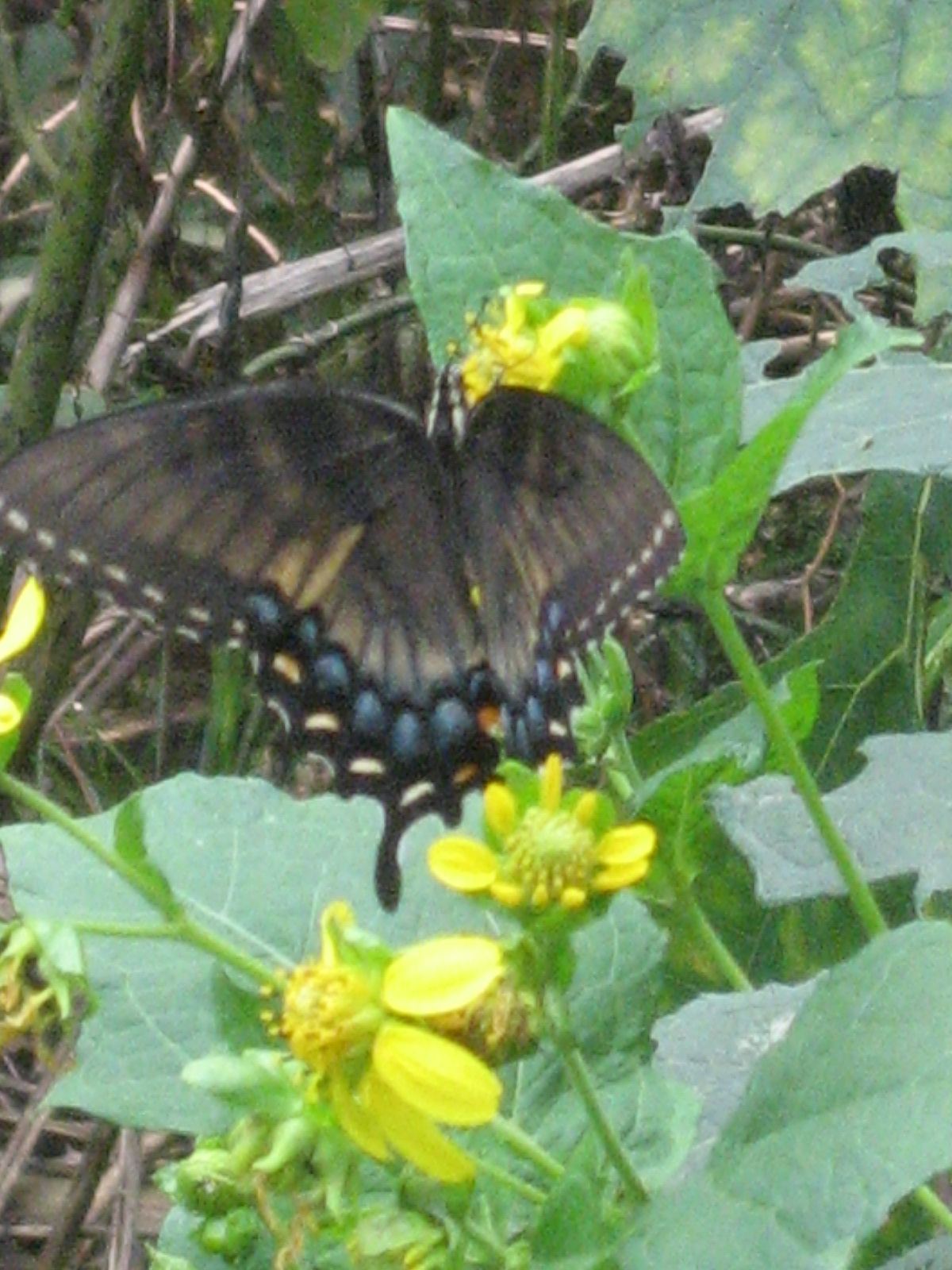
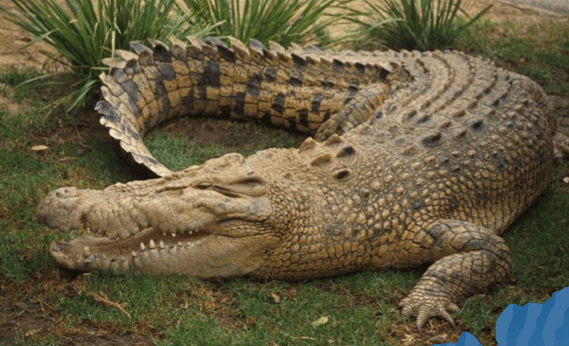
Is this animal an invertebrate or a vertebrate?
a)
Invertebrate
b)
Vertebrate
50.
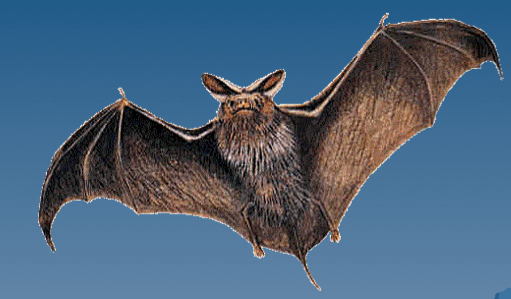
Is the picture a vertebrate or invertebrate?
a)
Vertebrate
b)
Invertebrate