
 Worksheets
Fall Exam Test Review
Total questions: 60
Worksheet time: 45mins
What type of cell has a nucleus?
eukaryotic
prokaryotic
neither
both
Plants and animal cells are examples of ___ cells
prokaryotic cells
eukaryotic cells
both eukaryotic and prokaryotic
neither

What is the most basic unit of life?
The cell
The atom
A molecule
Bacteria
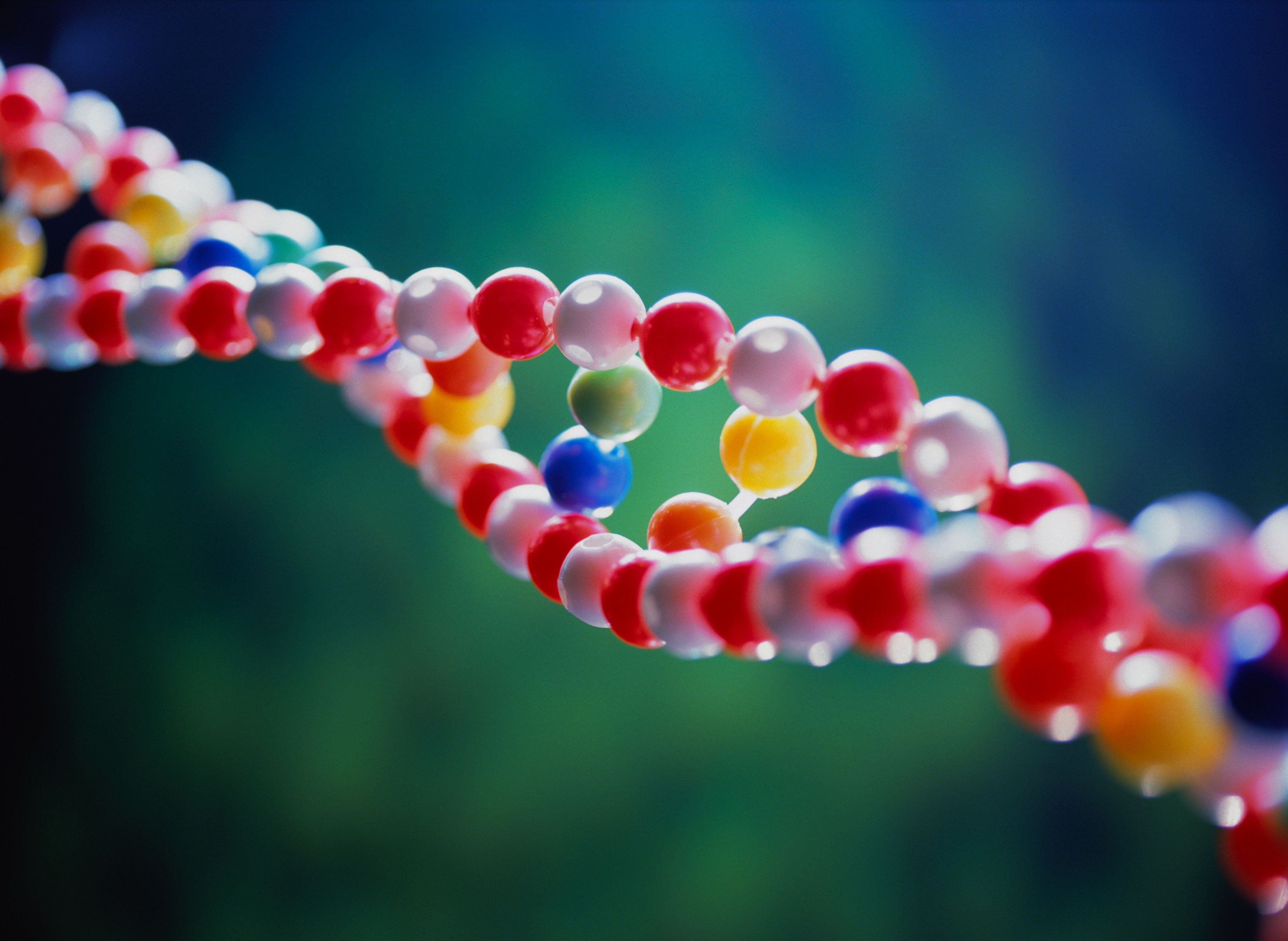

Which organelle is labeled C, and stores DNA?
cytoplasm
cell membrane
cell wall
nucleus
Check all that apply (3)
Prokaryotic cells:
are small, simple
have free-floating DNA
have a nucleus
have a cell membrane

Mitochondria produce an energetic molecule called (a)
Enzymes are responsible for-
Speeding up reactions
Giving the body energy
Slowing down reactions
Carmen shivers on a cold day. What mechanism is taking place in this situation?
Homeostasis
Evolution
Metabolism
Heredity
Match the following
Cells
All living things are made of one or more
DNA
All living things have genetic material.
Reproduce
All living things have offspring
Grow
All living thing increase in size, develop and die
Something that was not alive, was never alive, and will never be alive is called ____.
abiotic
dead
living
non-living
The building up or breaking down of materials is called ____.
homeostasis
metabolism
multicellular
stimulus
Diffusion & Facilitated Diffusion are both __________ transport.
Passive
Active
Easy
Free
Passive Transport uses ____ energy
no
a lot of
a little bit of
some
Passive Transport is the movement of particles across the membrane from an area of [ ___ ] to an area of [ ___ ]
high to low
low to high
low to low
high to high

The type of transport that requires the use of transport proteins
Passive Transport
Facilitated Diffusion
Active Transport
Vesicular Transport
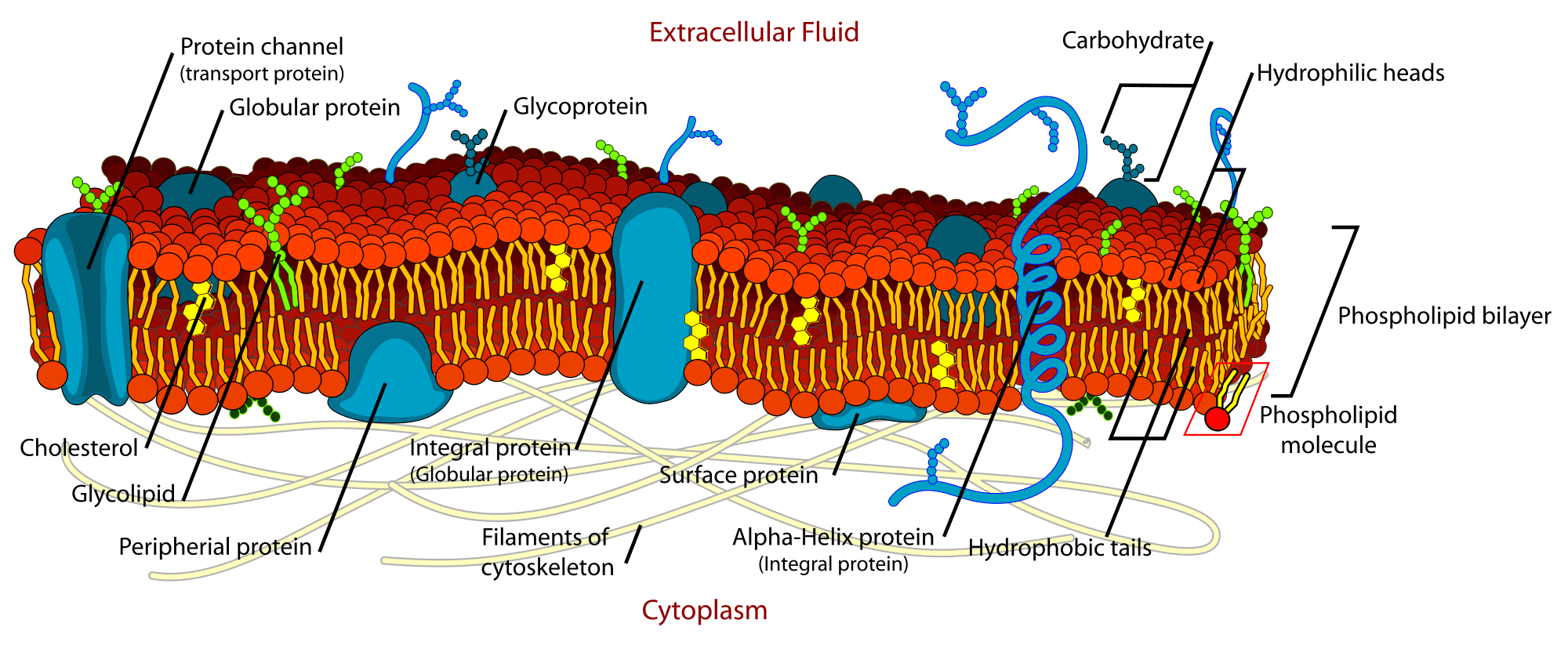


Match the following

Active Transport

Simple Diffusion

Facilitated Diffusion

osmosis
Match the following
Active Transport
Uses ATP/energy, protein pump
Osmosis
movement of water, high to low
Simple diffusion
through cell membrane, high to low
Facilitated Diffusion
Protein channel, no energy, high to low
The two components of a virus are nucleic acid and __________.
protein
carbohydrates
lipids
glucose
A virus is
living
non living
dead
Unlike (a) , viruses cannot reproduce on their own. Viruses need a (b) cell to reproduce.

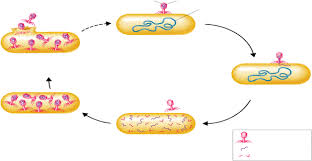
When a virus takes over a cell, it can cause the cell to create many more copies of the virus until the cell bursts open and releases them. What part of the virus's lifecycle is this?
Lytic
Lysogenic
Match the following pictures to their names:

Eukaryotic Cell

Prokaryotic Cell

Bacteriophage virus

Flu virus
What does DNA Replication mean? When does it occur?
DNA is made. During G1 phase
DNA makes new cells. During S phase
DNA copies itself. During S phase
DNA starts the cell cycle. During M phase
Match the image to the correct answer

Prophase

Metaphase

Anaphase

Telophase

Cytokinesis
Label the parts of the Cell Cycle
G1
S phase
G2
Mitosis
Match each phase with its correct description
Cell grows rapidly while carrying out normal functions.
G1 Phase
Cells must replicate their DNA before cell division to ensure that identical genetic information is passed to the next generation.
S Phase
FINISHES GROWING
Errors in DNA replication are checked- if something is wrong, cell needs to fix its errors before it divides!
G2 Phase
Put the Cell Cycle phases in order

Prophase

Metaphase

Anaphase

Telophase

Cytokinesis
Label the picture
Interphase
Prophase
Metaphase
Anaphase
Telophase
Cytokinesis

Organize these options into the correct categories.
have Organelles
protein capsid
DNA/RNA
Have Proteins
Reproduce independently
need a host to reproduce
Evolve
maintain homeostasis
sole purpose is to replicate
(a) is the uncontrolled growth of cells, often resulting in a tumor or mass of abnormal cells
The _______ system delivers oxygen and nutrients to every cell in the body.
Circulatory
Lymphatic
Integumentary
Nervous
Which system consists of the skin, hair, and nails?
Circulatory
Respiratory
Nervous
Integumentary
Which system takes in information through the 5 senses?
Nervous
Respiratory
Circulatory
Digestive
Reorder the following from simplest to most complex.
Organelle
Cell
Tissue
Organ
Organ System
Match the organ system with its function
Nervous System
Controls the body
Circulatory System
Transports oxygen and nutrients through the body
Muscular System
Helps move the body
Excretory System
Removes waste
Match the organ system with its function(s).
Integumentary System
Protects the body and helps control body temperature
Skeletal System
Provides support, protects organs, helps the body move
Respiratory System
Takes in oxygen and removes carbon dioxide
Digestive System
Breaks down food, absorbs nutrients, and removes waste
Drag the images to match the labels

Cell

Tissue

Organ

Organ System

Organism
Match the organ system with its function(s).
Integumentary System
Protects the body and helps control body temperature
Skeletal System
Provides support, protects organs, helps the body move
Respiratory System
Takes in oxygen and removes carbon dioxide
Digestive System
Breaks down food, absorbs nutrients, and removes waste

protein

nucleic acid

carbohydrate

lipid
Match the following functions to the biomolecule
Act as hormones
Lipid
Build muscle
Protein
Carry genetic information
Nucleic acid
Energy source (cellular respiration)
Carbohydrate
True or False: Biomolecules are necessary for ALL living organisms
(a)
Builds muscle
Protein
Makes up the cell membrane.
Lipid
Stores genetic information.
Nucleic Acid
Short term energy
Carbohydrates
Proteins
Speeds up chemical reactions


Which image shows an example of the genetic material of all living things?
Condensed Chromatin
Nucleaus
Microfilaments
Chromosomes
Flagella
Passive Transport
No energy required from the cell
Diffusion
Net movement of particles from an area of high concentration to low
Facilitated Diffusion
Diffusion through transport proteins
Osmosis
Diffusion of water across a semipermeable membrane
Active
Transport materials with ATP

