
 Worksheets
Weather & Climate
Total questions: 111
Worksheet time: 9hrs 15mins
Local weather varies across Florida. The temperature at the beach may be up to 5 degrees cooler than the temperatures inland 20 miles away. What is the reason for this difference in temperature?
The land distributes the thermal energy equally
The ocean reflects energy into the atmosphere.
The land and water create convection currents.
The land and water heat unequally.

The diagram below represents a cross section of Florida’s coastline. Compared to the change in temperature of the water surface, what will the change in temperature of the land surface be?
Faster, because the land requires more heat to change the temperature.
Slower, because the land requires less heat to change the temperature.
Faster, because the land requires less heat to change the temperature.
Slower, because the land requires more heat to change the temperature.
While visiting the beach during summer vacation, a sea breeze keeps you cool and comfortable during the hottest part of the day. Which best explains why this happens?
warm air rises over the land allows cooler air from the ocean to blow inland
there are similarities in temperature between the land and the water
cool air rising over land allows warm air from the ocean to blow inland
a thunderstorm is approaching
Grace is studying the difference between weather and climate. Which statement best describes weather?
Panama City has short mild winters and long, hot and humid summers
The temperature was 31°C (88°F) in Jacksonville, Florida on Saturday.
Jacksonville, Florida gets 50 inches of rain, on average, per year
The yearly rainfall average for Tallahassee, Florida is 155 centimeters
Students compared weather and climate.
Mary wrote: Climate is the average weather patterns over a long period of time and weather refers to short term atmospheric conditions, such as precipitation and temperature.
Tom wrote: Weather is the average weather patterns over a long period of time and climate refers to the short term atmospheric conditions, such as precipitation and temperature.
Bill wrote: Weather lists the highest temperatures in a region and climate list the lowest temperatures.
Sara wrote: Weather and climate are the same. There are no differences between them.
Whose comparison is correct?
Mary
Tom
Bill
Sara
The climate of an area can be different from its weather. Which of the following statements describes the climate of an area?
There should be heavy rains tomorrow morning
The average temperature from 1930–1996 was 23°C (74°F)
The rains next week are expected to cause some flooding.
The high temperature on September 4, 2009, was 32°C (89°F)

Which statement best describes the climate of the two cities
Both locations are influenced by a warm current making them warm.
Hopedale is influenced by a cold ocean current making it colder and Stornoway is influenced by a warm ocean current making it warmer.
They have the same climate because they have the same latitude.
Stornoway is influenced by a cold ocean current making it colder and Hopedale is influenced by a warm ocean current making it warmer.
Which statement best describes how energy transfer within Earth’s atmosphere can affect a weather condition?
During convection, warm air rises and cool air falls which affects the amount of precipitation
During radiation, electromagnetic waves transfer heat and light energy which affects the air temperature.
During radiation, objects directly transfer heat to each other which affects the air temperature
During convection, electromagnetic waves transfer heat and light energy which affects the amount of precipitation.

What type of weather will Florida expect when the front comes through?
light rain or drizzle
many days of rain, snow, or fog
heavy precipitation or thunderstorms
sunny, clear, and windy

Which best explains why the Gulf Stream tends to bring warmer air to the east coast of Florida?
The Gulf Stream brings water from the equator
The Gulf Stream is the result of the Earth’s Rotation
The Gulf Stream changes direction each year
. The Gulf Stream is a deep ocean current

The following map shows the average elevations of four U.S. state capitals. Which city would you expect to have the lowest air pressure?
Lansing, MI
Phoenix, AZ
Atlanta, GA
Cheyenne, WY
Jet streams are long, wide air currents in the upper atmosphere. They often affect weather over large areas. In what direction do jet streams above North America usually flow?
north to south
east to west
west to east
south to north
Which of these weather conditions is necessary for the formation of thunderstorms and hurricanes?
air moving toward the center of a storm and rising into the atmosphere
air masses combining to create a high-pressure area
cold rain falling to the ground
wind spiraling downward and away from the center of a storm
Which of the following factors would most likely cause a hurricane to decrease in strength?
increasing the number of large clouds
moving toward tropical waters
staying over a warm body of water for a long period of time
moving over land
What is the main cause of water evaporation from the ocean?
Heat energy from the Sun
Wind and wave action along the shore
Heat energy from the ocean floor
Currents in the ocean
Above a continent, a warm air mass slowly passes over a cold air mass. As the warm air begins to cool, clouds form. What will most likely happen next?
lightning will strike
hail will form
hurricanes will form
rain will fall

South Carolina is humid during the summer months. Which of the following is the most likely cause of the humid conditions?
groundwater bubbling to the surface
runoff from inland mountains
evaporation from the surface of the ocean
flooding from river and streams
How do differences in air pressure affect the movement of air?
Air always moves from areas of high pressure to areas of low pressure.
Air always moves from areas of low altitudes to high altitudes.
Air always moves from areas of low pressure to areas of high pressure.
Air always moves from east to west.
What fuels a hurricane's strength?
Wind
Warm Water
Sunlight
Cold Water
Why is the temperature lower at night than during the day?
There are more clouds at night to block the sun's rays
Winds blow harder at night
The temperature depends on energy from the sun
There is less water in the air at night
Which of the following devices measures air pressure?


What are the characteristics of a high-pressure system?
Wind and rain
Humidity and thunder
Extremely hot temperatures
Clear skies and sun
Abby and Ansleigh have entered gardening contest. They want to know how much rain fell last night. They should read their (a)
Grey and Jake are going sailing with their families this summer. They will want to be safe so they make sure that they check their (a) before they set out on the water.
Avery always checks a (a) before she leaves for school to know if she should grab her hoodie or not.
Grace and Seesin watched Meteorologist Gavin Wright on the WKRG weather report. He said that we had experienced 3 inches of rainfall during the night. They were able to verify this claim by checking their (a) .
Scarletta and Drew are planning an outdoor party. They are really worried that it a low pressure storm is on its way. They make sure to watch their (a) to see if the pressure is falling.
Noah and Woods are intrigued by wind. They get permission to install a (n) (a) on the roof of Mitchell Hall to monitor wind gusts.
Cooper and Owen are taking turns driving their Range Rover in Colorado. They are worried that the roads may be icy. To determine if the roads are clear of ice, they read their (a)
Virginia and Hollis are working on a project about hurricanes. They ask WKRG weather man, Gavin Wright, for photos of the cloud patterns during a hurricane. He is able to get them from the national (a)
Alice and Megan are studying in the Arctic. They are interested in climate change. They gather a lot of their information from a (a)
Hayes and Murray are shadowing a meteorologist this week. They are asked to gather information on temperature, wind speed and air pressure. They wisely chose to use a (a)
Your pilots today, Bentley and Braxton are landing the plane you are on. They need to pay attention to wind speed and direction on the run way. They will most likely read a (a)
What does climate describe?
short term weather patterns
long term weather patterns
the reason we have seasons
What of the following describes Earth's atmosphere?
The reason we have different seasons.
The movement of water throughout different phases.
The thin layer of gasses that surround Earth.
What is the definition of humidity?
The amount of water vapor held in the air.
When water molecules change from a gas to a liquid state.
When water falls back to Earth in the form of rain, sleet or snow.
How is weather different than climate?
weather is long term patterns
weather is short terms patterns
weather tells you the clothes you should buy for different seasons
What does the Coriolis Effect demonstrate?
air flow appears to move in a curved pattern
water that is cycling throughout the planet in different stages
air flow appears to move in a straight line
Weather or Climate?
Miami typically goes through a dry season every year from October to April.
Weather
Climate
Weather or Climate?
There is a chance of thunderstorms later tonight but the weekend should be clear.
Weather
Climate
Weather or Climate?
It was really hot out yesterday.
Weather
Climate
Weather or Climate?
In parts of the Sahara desert less than 1 inch of rain falls annually.
Weather
Climate

Martha is measuring the barometric pressure in her back yard every thirty minutes. She records her data in the table.
Which of the following weather forecasts is reasonable?
Tomorrow will be sunnier than today.
Next week will be warmer than this week.
A high pressure system is moving into the area.
A low pressure system is moving into the area.
A weather front occurs when two air masses of differing temperatures meet. When a cold air mass meets a warm air mass, for example, what will happen to the warm air?
It will sink.
It will reverse directions.
It will rise.
Nothing will happen.

Fey measures wind speed every fifteen minutes for one hour in her back yard. Her data is recorded.
As Fey takes her last two measurements she notices that the temperature drops suddenly.
Which of the following weather predictions would be best for Fey to make?
A tsunami is approaching.
A cold front is moving in.
The air's humidity is decreasing.
A hail storm is approaching.

A weather map of the United States is shown.
If this map represents today's weather, which of these is most likely true about the upcoming weather in Phoenix?
Heavy rain will fall for several days.
Tomorrow will be warmer than today.
Tomorrow will be cooler than today.
Strong winds will blow for several days.
Brandy has built a computer model of a weather system. She has included information about bodies of water, the Sun, and the atmosphere. Brandy decides to decrease the amount of atmospheric water vapor in her model. How will this likely affect the precipitation in her model?
There will be more precipitation.
The precipitation will not change.
There will be less precipitation.
It will rain constantly.

In the weather map, there is a cold air mass overtaking a warm air mass in the central portion of the U.S. This interaction is likely to cause severe thunderstorms. What type of pressure system is associated with this interaction?
a stationary pressure system
a low pressure system
a mixed pressure system
a high pressure system
A cold air mass and a warm air mass are predicted to meet. What type of weather can be expected between the two air masses?
dry weather
cold weather
stormy weather
warm weather
What type of system is associated with weather that is cold but sunny with almost no clouds in the sky?
tropical system
circulatory system
low pressure system
high pressure system

Raul is on vacation at location X on the map below. His classmate, Cassy, is at location Y. Raul's location has a temperature of 14 C and a pressure of 1035 m.
Cassy takes pressure and temperature measurements at the same time as Raul, and she also adjusts her measurements to correct for her elevation above sea level. Which of the following tables could be her data?


According to a weather map, a cold air mass is moving into a given area where a warm air mass is currently located. What type of weather should be expected as the cold air mass approaches?
rain, followed by warmer weather
rain, followed by cooler weather
dry conditions, followed by warmer weather
dry conditions with little wind

What was the temperature and precipitation amount in February?
23°F, 10mm
32°F, 48mm
31°F, 52mm
59°F, 60mm

What was the temperature and precipitation amount in July?
50°F, 18mm
35°F, 55mm
59°F, 14mm
67°F, 66mm

What does this symbol represent?
cold front
warm front
stationary front
occluded front

What does this symbol represent?
cold front
warm front
stationary front
occluded front

What does this symbol represent?
cold front
warm front
stationary front
occluded front
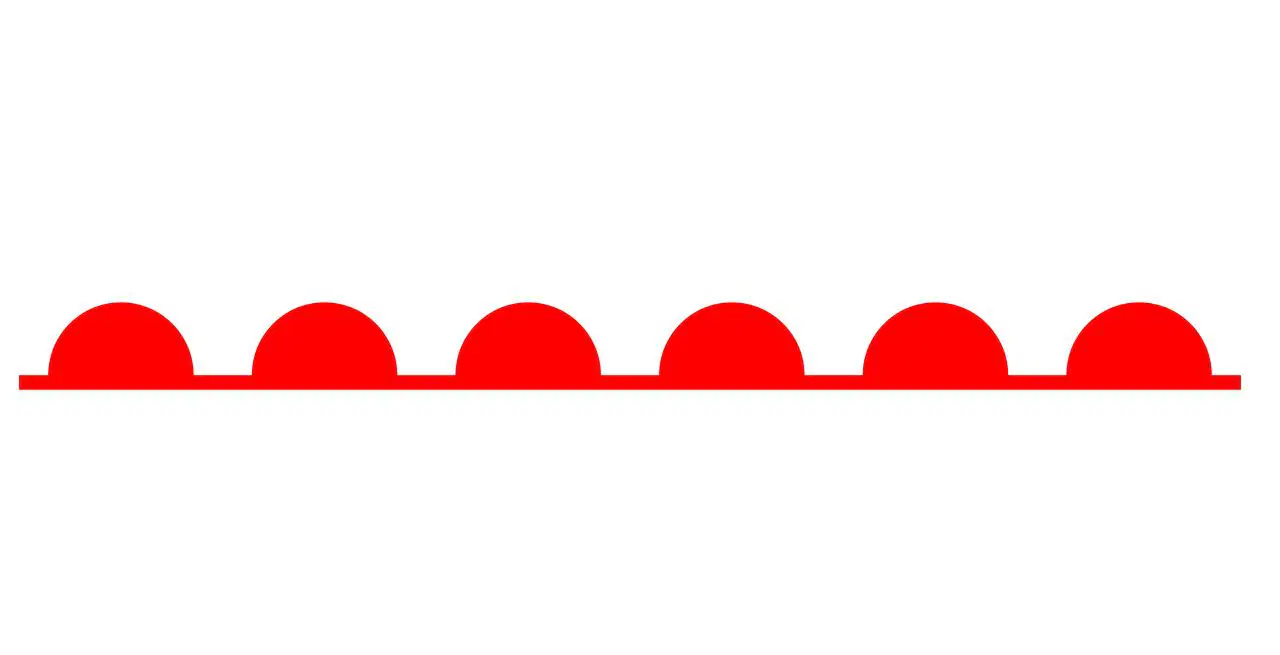
What does this symbol represent?
cold front
warm front
stationary front
occluded front
What does kind of weather does Maritime Tropical describe?
Wet, Warm
Wet, Cool
Dry, Warm
Dry, Cool
What does kind of weather does Continental Polar describe?
Wet, Warm
Wet, Cool
Dry, Warm
Dry, Cool

_____ pushes up or moves under a warmer air mass.
Air Mass
Cold Air Mass
Front
Warm Air Mass

_____ moves over a cold air mass.
Air Mass
Cold Air Mass
Front
Warm Air Mass

Cold Front and Warm Front are unable to move past each other.
Air Mass
Cold Air Mass
Stationary Front
Warm Air Mass

How does the Gulf Stream Current affect the climate of the South Carolina shoreline?
The ocean current brings in cool dry air.
The ocean current brings in cool moist air.
The ocean current brings in warm dry air.
The ocean current brings in warm moist air.

In the diagram, which letter represents the Polar regions?
A
B
C
As warm air rises into higher altitudes of the troposphere, what happens to the water vapor in that warm air?
The water vapor cools and condenses forming clouds.
The water vapor warms and condenses forming clouds.
The water vapor warms and precipitates.

Unequal heating of the ocean causes ocean currents to transfer thermal energy around the globe through what process?
convection
radiation
conduction

Which of the following climate regions would extend from about 30o N latitude to 30o S latitude?
Polar Region
Tropical Region
Temperate Region
Which wind belts, between 30o and 60o latitude, are responsible for much of the movement of weather across North America?
Trade Winds
Prevailing Westerlies
Polar Easterlies
What types of winds affect the movement of hurricanes in the Northern Hemisphere?
Trade Winds and Polar Easterlies
Prevailing Westerlies and Polar Easterlies
Trade Winds and Prevailing Westerlies
Polar Easterlies and Trade Winds

Land and sea breezes are local convection currents that occur in areas located near water. Which is the best explanation for the cause of these convection currents?
Land heats up slower and cools down slower than a body of water.
Land heats up faster and cools down faster than a body of water.
A body of water heats up faster and cools down faster than the land.

What causes global winds to curve (Coriolis Effect)?
The tilt of the Earth’s axis.
The rotation of the Earth.
Unequal heating of the Earth.

When traveling across the United States from Chicago, Illinois to Anchorage, Alaska a non-stop flight lasted 9 hours. On the return trip, the non-stop flight lasted 8 hrs. Why did it take longer to fly from east to west than it did from west to east?
When traveling west, the pilot used the Prevailing Westerlies to make the flight an hour shorter.
When traveling east, the pilot used the Polar Jet Stream to make the flight an hour shorter.
When traveling east, the pilot used the Polar Easterlies to make the flight an hour shorter.
Sometimes convection currents happen on a small scale near bodies of water. What are these winds called?
global winds
jet streams
land and sea breezes
trade winds
What does high pressure usually mean for weather?
It will be sunny because cold air is sinking.
It will be cloudy because cold are is sinking.
It will be sunny because are air is sinking.
It will be cloudy because warm air is rising.
Why does a HIGH pressure system usually bring dry, clear skies?
The air is warm, less dense, rises and moves so fast it doesn't have time to make clouds.
The air is cold, more dense and sinks. There is no water vapor rising to make clouds.
The air is warm, more dense and sinks. There is no water vapor rising to make clouds.
Why does a LOW pressure system usually bring cloudy and often stormy weather?
The air is warm, less dense, rises and moves so fast it doesn't have time to make clouds.
The air is cold, more dense and sinks. There is no water vapor rising to make clouds.
The air is warmer and less dense. It rises and the water vapor condenses to make clouds.
Why would clouds form when warm and cold air masses collide?
Cold air always brings clouds.
Warm air always brings clouds.
The water vapor in the warm air mass cools when it interacts with the cold air mass.
The water vapor in the cold air mass cools when it interacts with the warm air mass.

What type of front is over Texas?
warm front
cold front
stationary front
occluded front
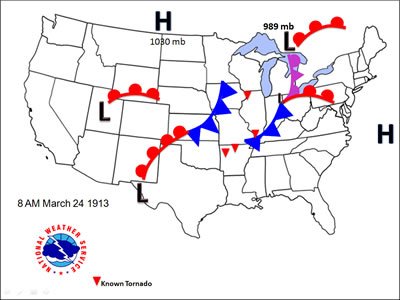
What type of front is over Ohio?
Warm front
Cold front
Occluded front
Stationary Front
Low pressure air masses rotate in what direction? paragraph 6
clockwise
counterclockwise
to the west
to the east

What type of front is located in the north eastern states? (Hint: It is purple)
cold
warm
stationary
occluded

Look at the map and explain what front is located in Texas.
warm front
cold front
occluded front
stationary front

Ms. Mendoza checked her rain gauge after a storm. Based on the image, how many inches did it rain?

Look at the weather forecast. Which day has lowest predicted temperatures?
Monday
Tuesday
Wednesday
Thursday

The image shows the temperature of five different cities in Texas. Which city was the warmest?
Dallas
Lubbock
San Antonio
Houston
Austin

Look at the chart. How many more inches of precipitation fell in October than in December?
Meteorologists are scientists who study weather patterns and make forecasts about upcoming weather. Which of the following would a meteorologist analyze when predicting weather?
Where organisms live
The movement of fronts
Stars and planets
How plants grow

In which example would a thermometer be the best tool to use?
Measuring the amount of rainfall in a backyard over a week
Checking the wind before heading out in a sailboat
Deciding if it is warm enough to take a weekend trip to the beach
Checking wind direction before flying a kite



