
 Worksheets
Dr. Potts EOC Review (Units 1-5)
Total questions: 171
Worksheet time: 5hrs 32mins
PROKARYOTIC cells do NOT have
membrane bound organelles
cell membrane
DNA
ribosomes

I am the "brain" of the cell or the "control center" for everything happening within the cell. I am a...
Golgi Body/Apparatus
Nucleus
Ribosome
Lysosome

I provide plant cells their rigid shape. I am the...
Basketball that Nic Quarne left in Mr. Woller's room last week
Cytoskeleton
Cell Membrane
Cell Wall

This is the part of the nucleus where ribosomes are made...
Nucleolus
Chromatin
Smooth ER
Rough ER

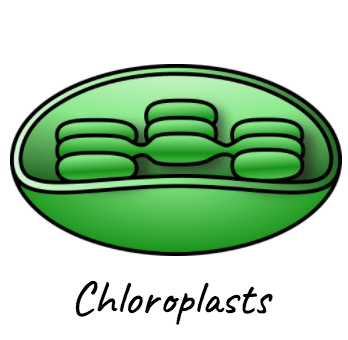
This part of a plant cell gives plants their green color and helps gather sunlight for photosynthesis.
Capsule
Chlorophyll
Chlroplasts
Chromosomes
Antibiotics can cure...
viral infection
bacterial infections
viral or bacterial infections
anything
Which answer best describes how viruses replicate/reproduce?
They copy their own genetic material inside a protein coat.
They kill a cell and reproduce inside it
They invade a living cell and use the cell's functions to replicate their genetic material and make copies of the virus
They do not reproduce because they are not technically living things
What is one of the three products of cellular respiration?
nitrogen
oxygen
glucose
ATP
What is the equation for photosynthesis?
O2+ H2O → C6H12O6 + CO2
CO2+ Light → C6H12O6 + O2
CO2+ H2O+ light → C6H12O6 + O2
Cellular respiration and photosynthesis are considered to be....
the same equation
opposites of one another
unique in every way
not important at all!
Energy is released from ATP when:
ATP is exposed to sunlight
a phosphate group is broken
adenine bonds to ribose
a phosphate group is added
Fermentation is an anaerobic process for releasing energy from glucose. Anaerobic means it takes place in:
An oxygen-rich environment.
an environment devoid of light
an environment devoid of oxygen
What is the primary goal of Photosynthesis?
To produce energy in the form of light
to produce oxygen
to produce chloroplasts
to produce glucose for the plant
What is the primary purpose of cellular respiration?
to release oxygen from air molecules
To release energy from ATP molecules
To break down glucose and transfer its energy to ATP molecules
To transfer the sun energy into glucose
The parts of a nucleotide are:
nitrogen, sulfur, phosphate group
DNA, RNA, ATP
nitrogenous base, ATP, glucose
nitrogenous base, 5-carbon sugar, phosphate group
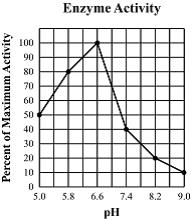
What is a substance called if it speeds up a chemical reaction? (This is what an enzyme is)


A roan cow shows codominance in fur color (brown and white). What is the phenotype ratio expected in offspring a female roan and a male roan mate together?
All four would be brown and White
Half would be orange, half would be white
2 Brown: 2 Brown and White: 0 White
1 Brown: 2 Brown and White: 1 White
How many daughter cells are made during meiosis?
1
2
3
4


What are some advantages of asexual reproduction are: (select all that apply)
it only requires one organism
it takes less energy than sexual reproduction
offspring are already well-adapted for the environment
there is a lot of genetic variety

Why does high genetic diversity/variation help populations survive?
high genetic diversity means a bigger population
high genetic diversity means a smaller population
lower chance that some organisms will survive in a changing environment
higher chance that some organisms will survive in a changing environment

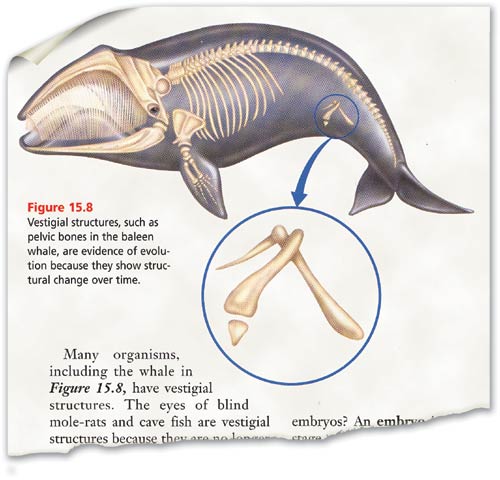
Similar structures with different purposes found in different species are known as _____
vestigial structures
DNA
homologous structures
the fossil record

The population size that the environment can sustain.
Carrying Capacity
Limited resources
Mutation
Polygenic Trait
A type of relationship when one species uses another species as a food source; this usually ends in the death of the organism
Symbiosis
Predation
Competition
Parasitism
Organization of the environment have a specific order. Which shows the correct order?
Organism, community, population, ecosystem, biome, biosphere
Organism, population, biome, ecosystem, population, biosphere
Organism, biome, community, ecosystem, population, bioshpere
Organism, population, community, ecosystem, biome, biosphere

I. inhabiting the same general area
II. individuals belonging to the same species
III. possessing a constant and uniform density and dispersion

What does the graph represent?
Emigration
Exponential growth
Immigration
Logistic Growth


Some flowers are controlled by codominance. Red flowers (RR), blue flowers (BB) and Speckled flowers (RB).
Cross a red flower with a speckled flower. What is the phenotypic ratio?
2 red, 2 speckled
2 red, 2 blue
2 blue, 2 speckled

What goes in box 15
aabb
AABB
aaBB
AAbb
(RRYY x rryy)
R = round seeds, r = wrinkled seeds Y = yellow seeds, y = green seeds
What percent will have Round and Yellow seeds?

Based off this punnett square, what fraction of the offspring will have wrinkled, yellow seeds?
9/16
3/16
1/16
16/16
What is the genotype for a pea plant homozygous for round seeds (R), and heterozygous for yellow seeds?
RrYy
RRyy
RRYy
rryy
Do organisms "decide" to evolve and change? (they have the ability to change whenever they want)
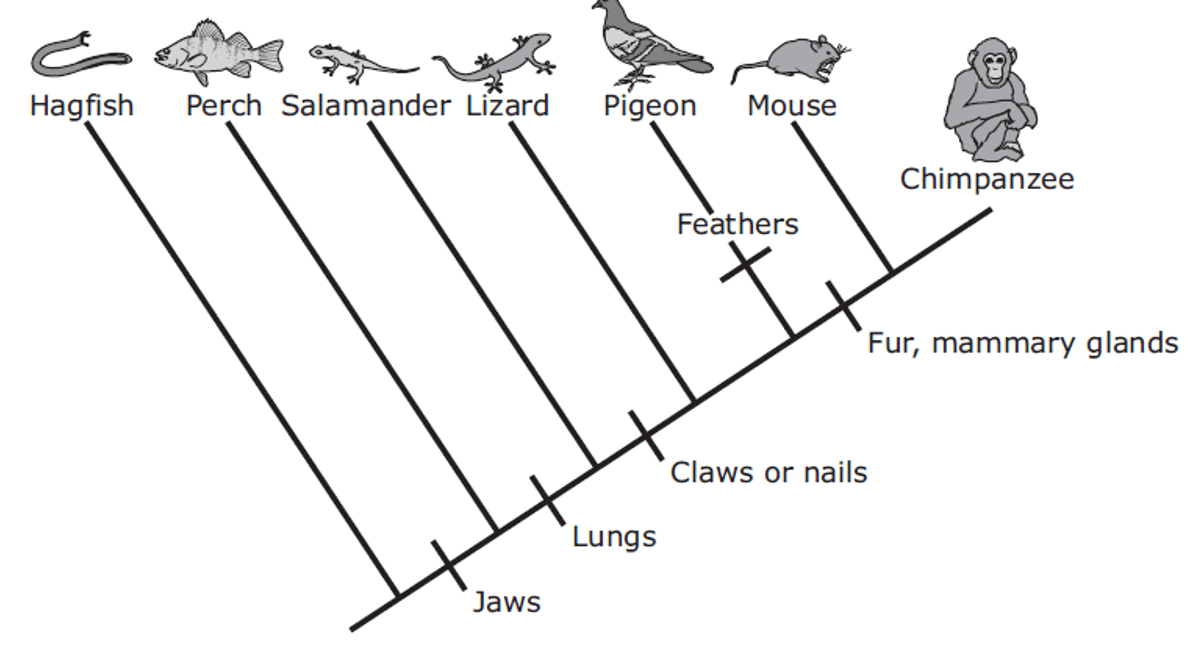
All the animals to the right of the salamander would have the common characteristic of...
Fur
Claws or nails
Lungs
Jaws
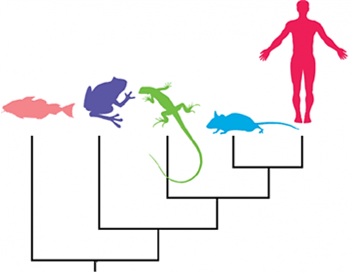
What is the human most closely related to?
Fish
mouse
Salamander
Human
A bird's wing and a butterfly's wing have the same function, but they have very different structures. These structures are classified as follows:
homologous structures
analogous structures
vestigial structures
embryological homologues

Two organisms that are closely related would have
very similar DNA sequence
exactly the same DNA sequences
no proteins in common
completely different DNA sequence
A forest fire ignites and kills many members of a population of rattlesnakes. This is an example of:
gene flow
genetic drift
mutation
Mutations are important because they bring about
death of the organism in which they develop
genetic variation needed for a population to evolve
benefits for the individual, not for the population
changes in genotype, but not phenotype
Mutation
Change in DNA sequence
Gene Flow
Increases genetic variation
Genetic Drift
Usually decreases genetic variation
Bottle Neck
Population gets smaller (Natural Disaster)
Founders Effect
Starting a new population
Male peacocks have beautiful blue and green plumage. However, this coloration makes them easier for tigers to hunt and kill. Why might they have these colors?
Sexual preference by female peacocks
Peacocks mated with parrots a long time ago
Genetic drift randomly killed off all brown peacocks
There is no reason - it's a horrible mutation with no advantage

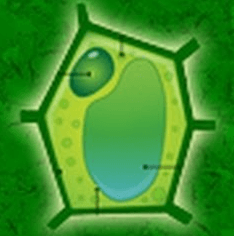
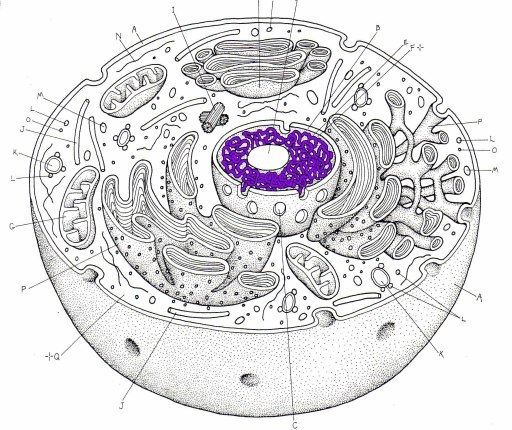
What molecules are in nucleotides?
Phosphate group
Protein
Sugar
lipid
Nitrogenous base
Which molecules make up the "backbone" of DNA and RNA?
Sugar
Phosphate group
Nucleotide base
Thymine will bond with...
Guanine
Cytosine
Adenine
Uracil
Adenine can bond with... (CAREFUL!!!)
Guanine
Cytosine
Thymine
Uracil
During transcription, this type of ribonucleic acid is responsible for copying the DNA and brining it out of the nucleus.
tRNA
mRNA
rRNA
dRNA

When these bond together, they form a protein
Amino Acids
Peptide Bonds
Ribose
Nucleotides

mRNA occurs during this process
Translation
Transcription
Replication
Delivery
Which of the following is the complementary mRNA sequence to this DNA strand: AACTGAA
UUGACUU
TTGACTT
AACTGAA
AACUGAA


What brings the amino acids to the ribosome to assemble a protein?
DNA
How many nucleotides code for 1 amino acid?
1
2
3
4
The two broad categories of cell transport are ...........
(select all correct answers)
passive transport
road transport
food transport
active transport
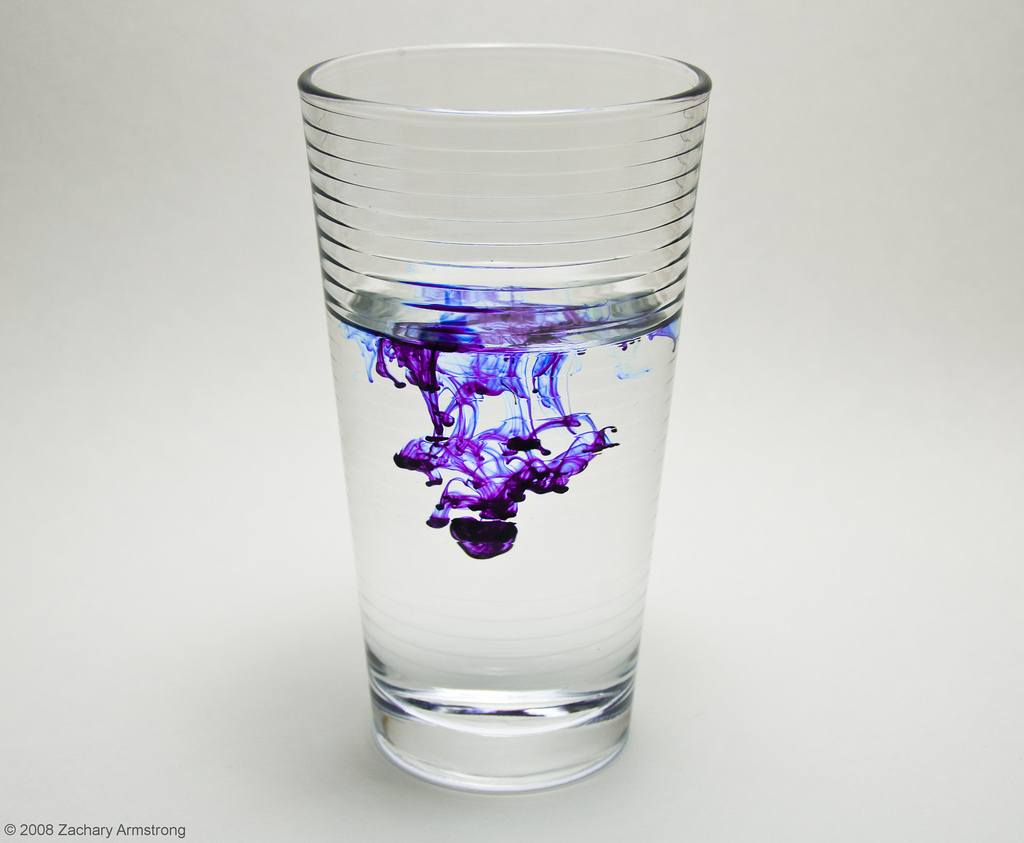
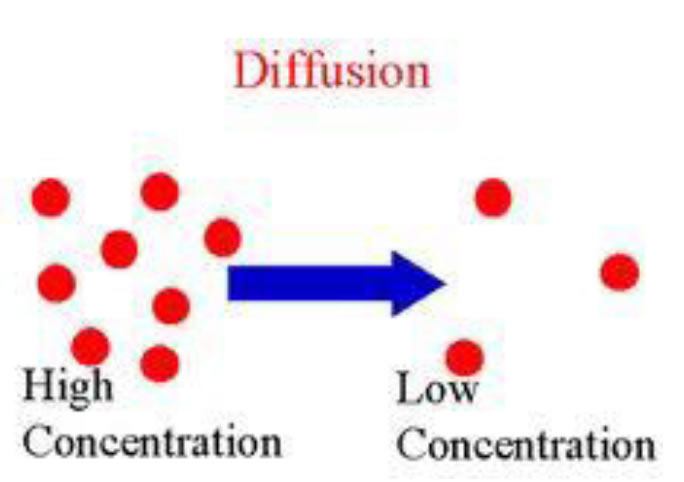


Which type of solution has the same solute concentration inside of and outside of the cell?
Hypertonic
Hypotonic
Isotonic

The cell shrunk in size, which means it was placed in a ____ solution.
Isotonic
Hypertonic
Hypotonic

The cell expanded in size to the point of lysing (bursting), which means it was placed in a ____ solution.
Isotonic
Hypertonic
Hypotonic

The cell shows water moving in and out equally, which means it was placed in a ___ solution.
Isotonic
Hypertonic
Hypotonic
Which of the following best describes "genome"?
A section of DNA
A bundle of DNA
Every cell in your body has 23 pairs of genes
All of the genetic material in an organism
Which of the following best describes "restriction enzymes?"
Enzymes that cut DNA
Enzymes that build DNA
Enzymes that dissolve DNA
Enzymes that turn DNA into RNA
SELECT ALL THAT APPLY: Which of the following best describes "stem cells?"
A cell without a job
A cell with a specific job in your body
A cell that can turn into ANY type of cell in your body
A cell that has procured a viral infection
Which of the following best describes "gel electrophoresis?"
A tool for separating chunks of DNA
A tool for editing someone's genes
A tool for adding genes from a new species into an organism's DNA
Copying DNA to make an identical organism
Which of the following might scientists use gel electrophoresis for?
Solve crimes
Edit diseased genes
Replace diseased cells
Identify fathers
Determine how related 2 species are
Which of the following best describes "DNA Fingerprinting?"
Means the same thing as "gel electrophoresis"
Used to edit someone's genes
Used to move genes from one organism into another
Used to copy an organism's genome
Genetically Modified Organisms (GMO's) are:
Organisms whose genes / DNA have been edited
Organisms who have received new stem cells to cure a disease
Organisms whose DNA has been copied
Organisms whose entire genome has been sequenced
Gene therapy is when:
A person's genes are edited
New genes are added to a person's genome
Bacterial DNA is incorporated into the human genome
Stem cells are used to cure a disease
Which of the following best describes "cloning?"
Copying an organism's DNA to make an identical organism
Editing genes to cure a disease / change a trait
Adding genes from one species into another's DNA
Sequencing an organism's entire genome
Which of the following best describes "recombinant DNA?"
DNA that has genes from different organisms
DNA that has been combined with RNA
DNA that is used to make carbohydrates instead of proteins
DNA that has genes that have never been edited
"Five green and speckled frogs, sitting on a speckled log, eat some most delicious bugs."
Which level of organization is this?
Individual
Population
Community
Ecosystem
Which of the following is an abiotic factor?
Grass
Spider
Turtle
Rock

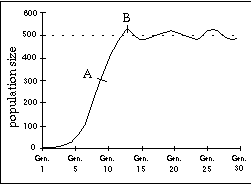
What type of growth is demonstrated in the graph?
Exponential
Carrying capacity
Linear
Negative
Leveling off of the population after the maximum number the environment can support has been reached.
Exponential
Carrying capacity
Linear
Negative

Predation

Symbiosis

Commensalism

Parasitism

What will happen if all of the frogs in a population die?
The frogs' predators will decrease and the frogs' prey will increase
The frogs' predators will increase and the frogs' prey will decrease
We better all pray because there isn't anymore frogs.

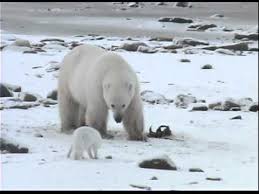
Two arctic fox are fighting with a polar bear for a sea lion carcass. One fox distracts the bear while the other eats. What type of limiting factor is the polar bear?
Predator-Prey Relationships
Competition
Herbivory Effect
Weather

A group of elephants gets stuck in mud at the edge of the river from a recent mud slide. A lion waits for an elephant to get tired before it attacks. What is the limiting factor to the elephant population?
Predator-Prey Relationships
Natural Disaster
Herbivory Effect
Competition
When resources are not available a population will _____________ in size.
Increase
Decrease
Stay the same
If the plant population decreased, the amount of carbon in the atmosphere would _________.
Stay the same
Increase
Decrease
Which describes the relationship between plants and animals in the carbon cycle?
Plants produce and release oxygen that animals need
Plants produce and release carbon dioxide that animals need
Animals produce and release oxygen that plants need
Animals produce oxygen that plants turn into carbon dioxide
Which nitrogen cycle process is occurring when bacteria convert ammonium to nitrite and then into nitrate?
nitrogen fixation
nitrification
denitrification
ammonification
assimilation
Which of these nitrogen cycle processes converts atmospheric nitrogen to a soil form of nitrogen that is usable by plants?
nitrogen fixation
nitrification
denitrification
ammonification
assimilation

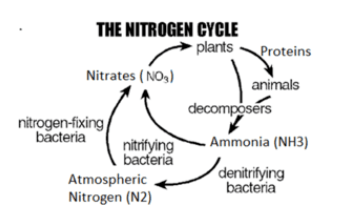
According to this diagram, plants use nitrogen to make _________________________
bacteria
animals
proteins
decomposers
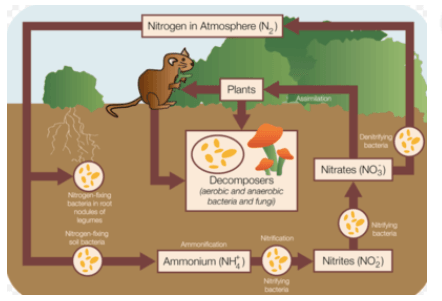
A correct path that nitrogen could take would be
air -> animals -> plants -> bacteria
animals -> air -> bacteria -> plants
bacteria -> air -> plants -> animals
air -> bacteria -> plants -> animals
____________ & _________________ are organelles that definitely arose from endosymbiosis.
Nucleus and cell membrane
Chloroplast and mitochondria
Mitochondria and nucleus
Cell wall and chloroplast
The theory of Endosymbiosis explains
The origin of eukaryotes
How bacteria live
How species develop
Why cells rely on one another
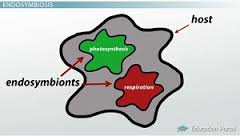
Which of the following is evidence to support the endosymbiotic theory?
Mitochondria and chloroplasts have their own DNA, which is similar to prokaryotic DNA.
Fossil evidence shows that the first forms of life were prokaryotic cells.
All eukaryotic cells have a double-layered membrane composed of phosplipids and proteins.
Prokaryotes have the same number and types of enzymes as eukaryotes.
Which of the following is NOT a characteristic of living things?
growth and development
ability to maintain homeostasis
ability to talk
ability to reproduce
The mutated DNA segment is TTCGCAAG. This is an example of ___ mutation.
AGA-TTC-ATA-GCG
Mutant-
AGA-TTC-AAT-AGC-G
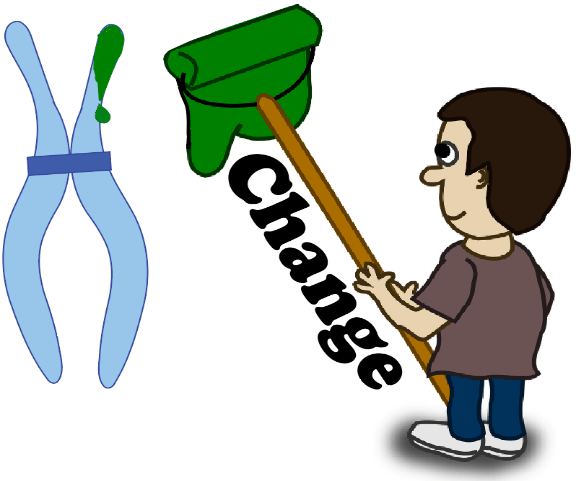
Genetic mutations can be...
beneficial, harmful, or neutral
beneficial only
harmful only
neutral only
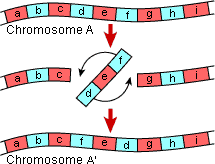
Mutations that involve parts of or all of
a chromosome
Replication
Deletion Mutation
Chromosomal Mutation
Transcription

Is this individual male or female?
Male
Female
Pairs of similar chromosomes are called...
homologous chromosomes
sister chromatids
Which set of chromosomes represents a female?
XX
XY
Cells that contain 2 sets of chromosomes are called ...
haploid
diploid
How many pairs of autosomes do human cells contain?
22
1
46
How many total chromosomes do human cells contain?
23
46
Reorder the phases of mitosis
Prophase
Metaphase
Anaphase
Telophase
Reorder the phases of meiosis
Prophase I
Metaphase I
Anaphase I
Telophase I
Prophase II


segregation of sister chromatids
condensation and segregation of alleles
mutationin which the DNA content of the gene is altered
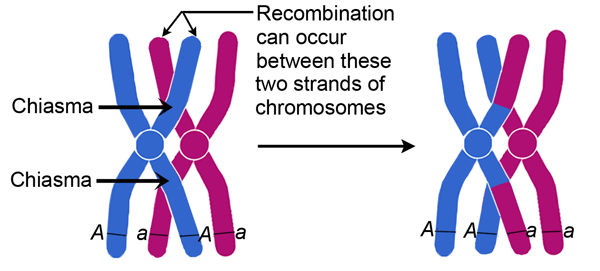
crossing - over in which genes are exchanged
Why is biodiversity important to ecosystems?
It helps populations adapt to ecological changes.
It increases at each level of the food chain.
It provides more abiotic factors for the ecosystem.

Define genetic diversity
variation of genes within a species or population in a given area
variety of ecosystems in a given area
system made up of all the living and nonliving things in a given area
disturbance in the environment conditions that cause genetic changes to occur in organisms
Which statement best describes an example of low species diversity?
A population of frogs has a wide variety of skin colors
A marsh ecosystem is covered by a single species of cattail bulrushes
A state park includes multiple forest, wetland, and freshwater ecosystems

A ski resort installed a wind turbine similar to those represented below to supply some of its energy needs. This turbine was most likely installed because wind power is:
Renewable and does substantial damage to the atmosphere.
Renewable and does minimal damage to the atmosphere.
Nonrenewable and does substantial damage to the atmosphere.
Nonrenewable and does minimal damage to the atmosphere
Salt water is an abundant resource but unusable for irrigation and drinking. As demands on freshwater sources increase, the use of desalination processes to remove salt from ocean water is increasing. A concern of desalinating water is the large amounts of recovered salts that are returned to the ocean. Which of the following describes the most likely impact of desalination on the surrounding ocean environment?
Methane gas would pollute the ocean environment as shoreline organisms begin to die and decay.
Alteration in ocean salt levels would cause loss of species and unbalanced populations in marine food webs.
Nonrenewable resources in the ocean environment would become depleted and upset the ecosystem's balance.
Increased levels of salts and minerals in the ocean would result in overpopulation of marine bivalves due to strengthened shells.

