
Font size
 Worksheets
Final Exam Study Guide (Strength)
Total questions: 76
Worksheet time: 57mins
All of the following are components of an effective warm-up EXCEPT:
Increase body temperature, heart rate, and mobility
Try to incorporate movements in all 3 planes of motion
Mimic exercises that will be performed later (warm up specific muscle groups if necessary)
Static Stretching
The responsibility of a spotter is...
Provide encouragement/motivation
Make sure the weight on each side of the barbell is equal
Assess form and give feedback to the lifter if necessary
All of the above
When stripping weights off a barbell that is on the rack, the SAFEST way to strip the weight is to gradually unrack the bar.
True
False
Safety bars should place so that they are 2” or so below where the bar sits when you’re at the bottom of a squat. That way if you can’t get up, you just dip down a little lower and can get out of trouble.
True
False
Types of Training
Match the correct training method with the appropriate definition.
This type of training is designed specifically to increase strength, build muscle and improve durability with load-bearing activity.
Strength Training
This type of training will build muscle mass, burn fat and build strength as well.
Hypertrophy training
This type of training reduces body fat and increases lean body mass while increasing energy levels/stamina, and metabolism to help maintain weight.
Endurance training
Reasons for rest time:
Adequate rest between sets helps to maintain a high level of force production for the next set.
Allows the muscles to recover enough to produce a comparable amount of force for the next set.
Helps structure a workout total amount of time to be completed.
All of the above.
Match each type of training with the correct number of sets or reps
3-5 Sets
2-6 Reps
6-12 Reps
2-4 Sets
12-15+ Reps
Match the correct muscle with the corresponding number. Each muscle will only be used once.
Hip Flexor
Pectoralis Major
Bicep
Abdominals
Obliques
Match the correct muscle with the corresponding number. Each muscle will only be used once.
Deltoid (front and rear)
Latissimus Dorsi
Hip Adductor
Quadriceps
Match the correct muscle with the corresponding number. Each muscle will only be used once.
Trapezius
Triceps
Gluteus Maximus
Hamstring
Match the corresponding movement with the correct lifts and muscles involved.
Lift Examples: Push-Up, Bench Press, Overhead Press Muscle Groups Involved: Pectoralis Major, Anterior Deltoid, Triceps
Upper Body Push
Lift Examples: Inverted Row, Bent-Over Row, Pull-Up Muscle Groups Involved: Upper Back, Posterior Deltoid, Biceps
Upper Body Pull
Lift Examples: Deadlift, RDL, Hip Thrust Muscle Groups Involved: Hamstrings, Glutes, Lower Back
Lower Body Hip-Dominant
Lift Examples: Squat, Lunge, Step-Up Muscle Groups Involved: Quadriceps, Hamstrings, Glutes, Lower Back
Lower Body Knee-Dominant
Match the corresponding joint movement with the correct definition.
Decreasing the angle between two body parts Ex. Bending of elbow during bicep curl
Flexion
Increasing the angle between two body parts Straightening of elbow during bicep curl
Extension
Movement toward the midline of the body Bringing legs together during lateral shuffle
Adduction
Movement away from the midline of the body Moving legs apart during lateral shuffle
Abduction
What is your heart rate?
The number of times each minute that your heart beats, which is normally between 60 and 100 times per minute for adults.
The way you can feel each time your heart beats.
The highest number of beats your heart can pump per minute when it's under high stress (physical or otherwise)
It is defined as the minimum number of heartbeats in a given amount of time in order to reach the optimal level of exertion necessary for cardiovascular fitness, specific to a person’s age, gender, or physical fitness.
What is your pulse?
The number of times each minute that your heart beats, which is normally between 60 and 100 times per minute for adults.
The way you can feel each time your heart beats.
The highest number of beats your heart can pump per minute when it's under high stress (physical or otherwise)
It is defined as the minimum number of heartbeats in a given amount of time in order to reach the optimal level of exertion necessary for cardiovascular fitness, specific to a person’s age, gender, or physical fitness.
What is your resting heart rate (RHR)?
The number of times each minute that your heart beats, which is normally between 60 and 100 times per minute for adults.
The number of times your heart beats per minute when you are at rest — such as when you are relaxed, sitting or lying down.
The highest number of beats your heart can pump per minute when it's under high stress (physical or otherwise)
It is defined as the minimum number of heartbeats in a given amount of time in order to reach the optimal level of exertion necessary for cardiovascular fitness, specific to a person’s age, gender, or physical fitness.
What is your maximum heart rate (MHR)?
The number of times each minute that your heart beats, which is normally between 60 and 100 times per minute for adults.
The number of times your heart beats per minute when you are at rest — such as when you are relaxed, sitting or lying down.
The highest number of beats your heart can pump per minute when it's under high stress (physical or otherwise)
It is defined as the minimum number of heartbeats in a given amount of time in order to reach the optimal level of exertion necessary for cardiovascular fitness, specific to a person’s age, gender, or physical fitness.
What is your target heart rate (THR)?
The number of times each minute that your heart beats, which is normally between 60 and 100 times per minute for adults.
The number of times your heart beats per minute when you are at rest — such as when you are relaxed, sitting or lying down.
The highest number of beats your heart can pump per minute when it's under high stress (physical or otherwise)
It is defined as the minimum number of heartbeats in a given amount of time in order to reach the optimal level of exertion necessary for cardiovascular fitness, specific to a person’s age, gender, or physical fitness.
How do you find Maximum heart rate?
220 - (Your Age) = MHR
(Your Weight) - (Your Age) = MHR
THR - (Your Age) = MHR
Target heart rate is defined as the minimum number of heartbeats in a given amount of time in order to reach the optimal level of exertion necessary for cardiovascular fitness, specific to a person’s age, gender, or physical fitness. Between what percentage of you maximum heart rate will you be in you target heart rate zone?
25% - 55%
35% - 65%
40% - 70%
50% - 80%
Match the following exercises with the correct picture.

Back Squat

Dead Lift (Barbell)

Bench Press

Power Clean

Rowing Machine
Match the following exercises with the correct picture.

Dumbbell Bench Press

Farmers Carries

Lat Pulldowns

Goblet Squat

Bicep Arm Curl
Match the following exercises with the correct picture.

Tricep Pushdowns

Sit Up

Front Squat
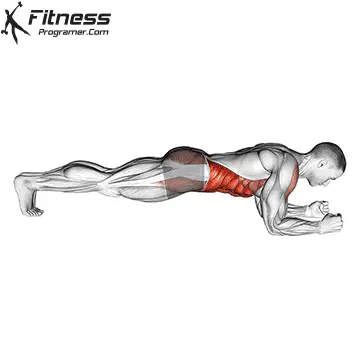
Plank

Oblique Twists (Russian Twists)
Match the following exercises with the correct picture.

Seated Cable Row

Cable Iron Cross

Kettlebell Swing

Inverted Row
Match the following equipment with the correct picture.
Vertimax

TRX Bands (Suspension Bands)

Rowing Machine
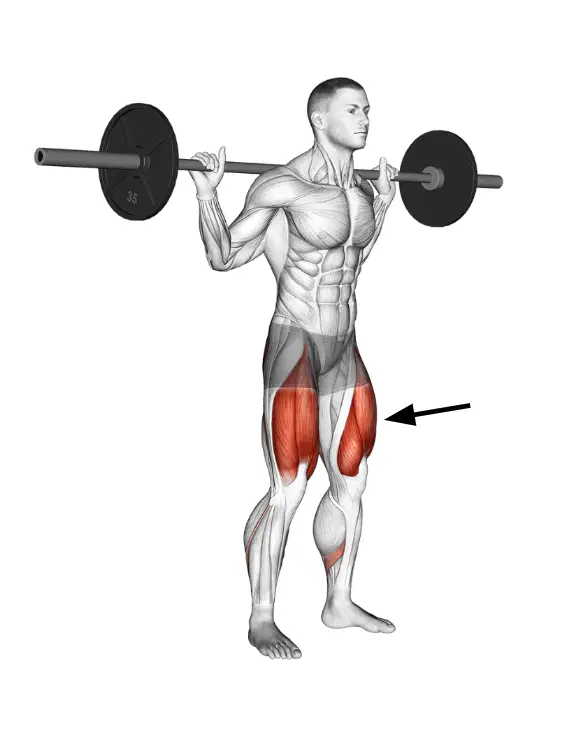
In the lift shown below what is one of the PRIMARY muscle being targeted in this lift? What muscle is the the arrow pointing at?
Quadriceps
Glutes (Gluteus Maximus)
Calves
Hamstrings
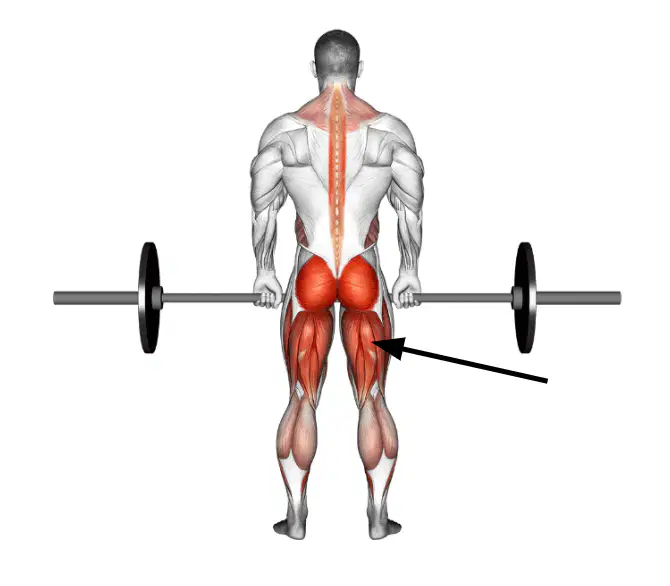
In the lift shown below what is one of the PRIMARY muscle being targeted in this lift? What muscle is the the arrow pointing at?
Quadriceps
Glutes (Gluteus Maximus)
Calves
Hamstrings
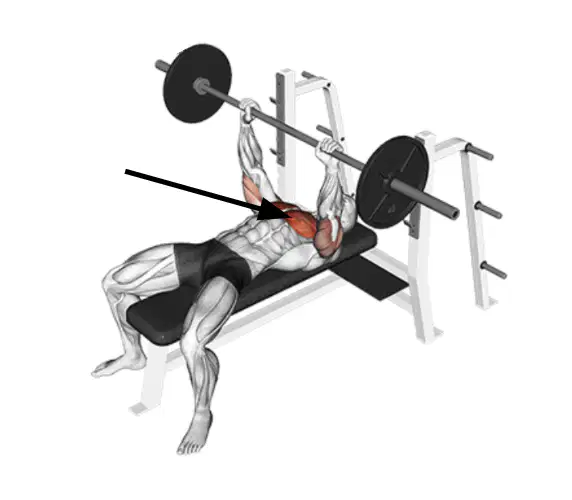
In the lift shown below what is one of the PRIMARY muscle being targeted in this lift? What muscle is the the arrow pointing at?
Wrist
Pectoalis Major
Biceps
Abdominals
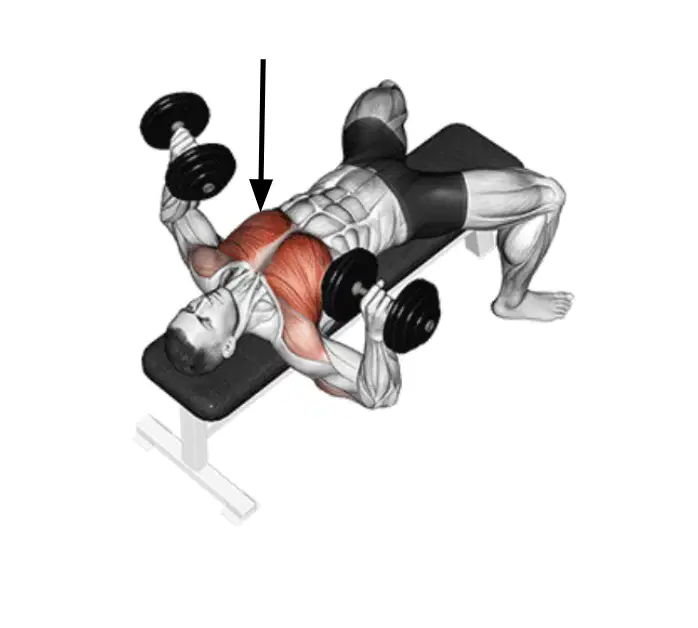
In the lift shown below what is one of the PRIMARY muscle being targeted in this lift? What muscle is the the arrow pointing at?
Tricep
Pectoalis Major
Biceps
Abdominals
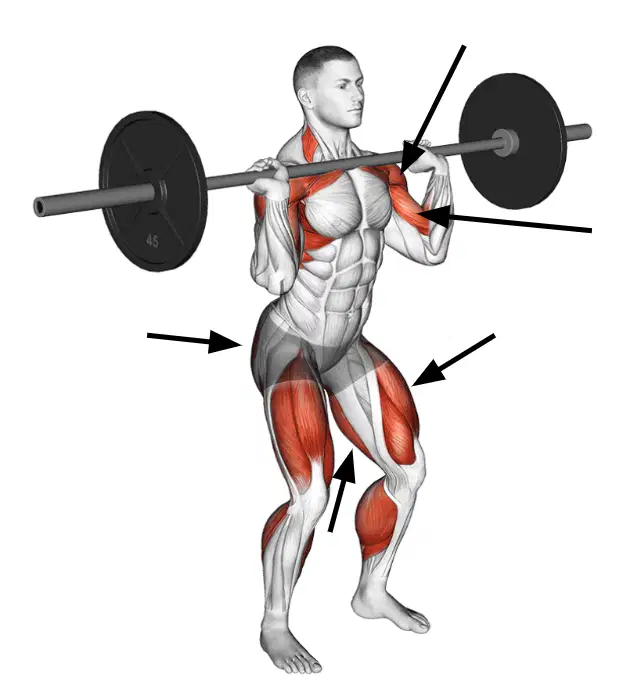
In the lift shown below what is the three PRIMARY muscles being targeted in this lift? What muscles are the the arrows pointing at? SELECT ALL THAT APPLY.
Glutes
Hamstrings
Quads
Biceps
Deltoids

In the lift shown below what what are the four main points to making sure you have proper form?
The Drive, The Slide, The Momentum, The End
The Start, The Middle, The Finish
The Catch, The Drive, The Finish, The Recovery
The Pull, The Push, The Row, The Finish

The farmer’s carry is a powerhouse exercise that involves holding a weight in each hand and walking for distance or time.
True
False
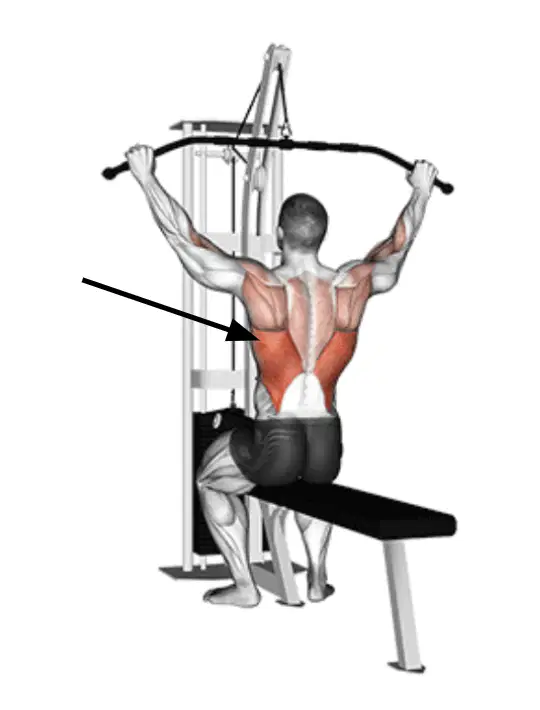
In the lift shown below what is one of the PRIMARY muscle being targeted in this lift? What muscle is the the arrow pointing at?
Latissimus Dorsi (Lats)
Triceps
Glutes
Bicep
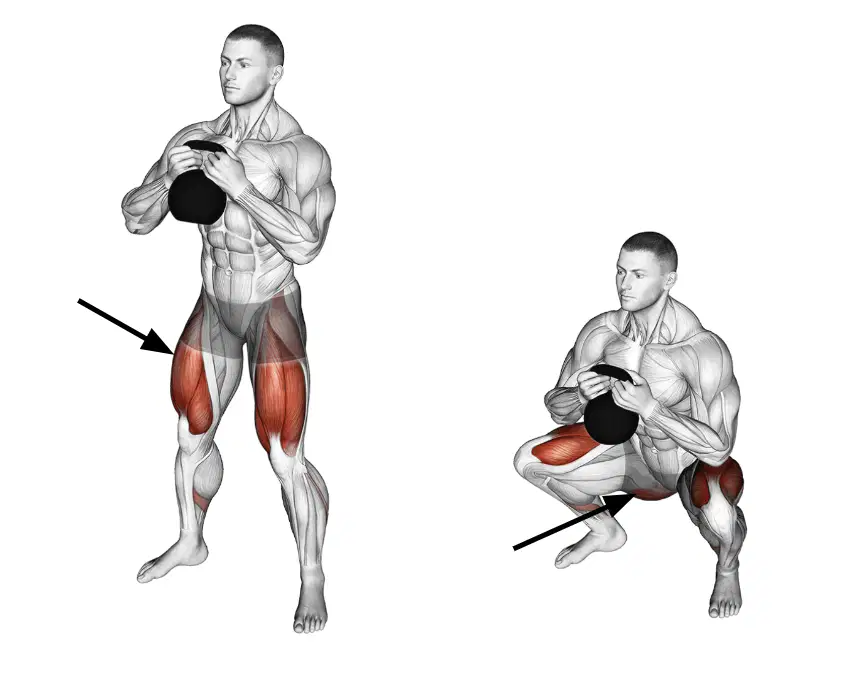
In the lift shown below what is two of the PRIMARY muscles being targeted in this lift? What muscles are the the arrows pointing at?
Quads and Glutes
Biceps and Triceps
Shoulders and Arms
Lats and Delts
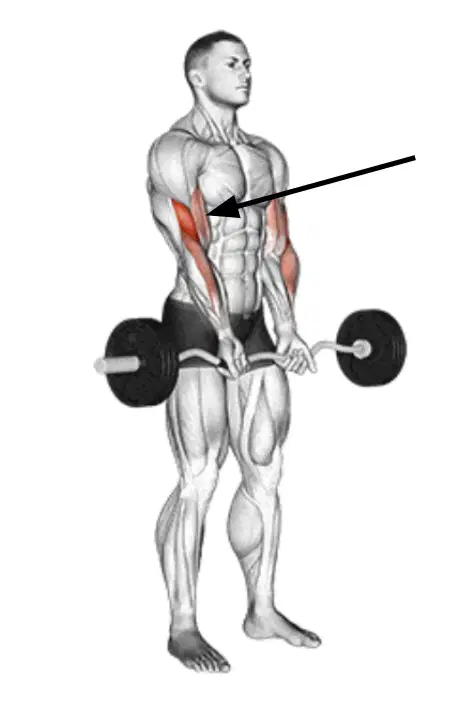
In the lift shown below what is one of the PRIMARY muscle being targeted in this lift? What muscle is the the arrow pointing at?
Triceps
Chest
Glutes
Bicep
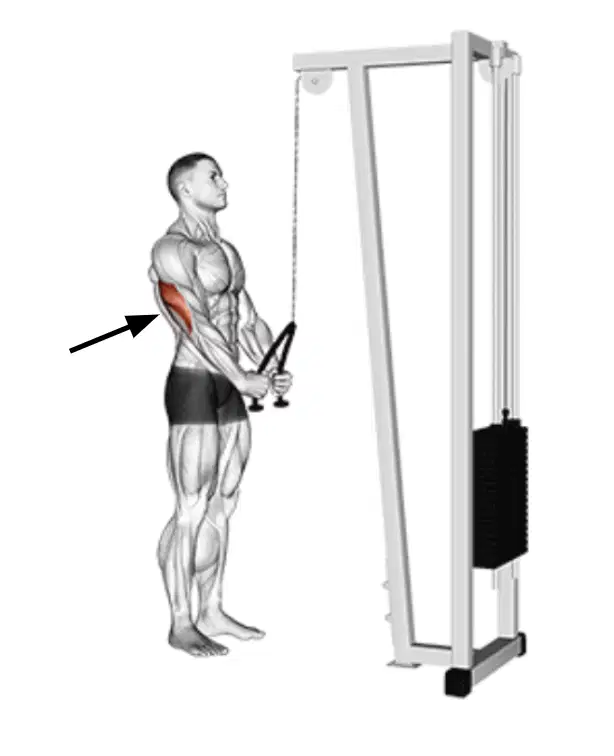
In the lift shown below what is one of the PRIMARY muscle being targeted in this lift? What muscle is the the arrow pointing at?
Latissimus Dorsi (Lats)
Chest
Triceps
Biceps
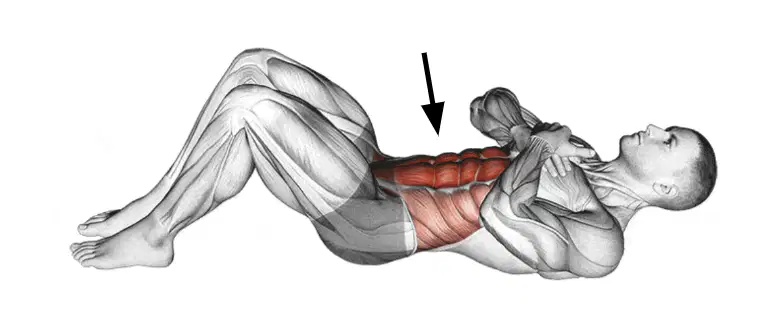
In the lift shown below what is one of the PRIMARY muscle being targeted in this lift? What muscle is the the arrow pointing at?
Abdominals
Latissimus Dorsi (Lats)
Pectoralis Major
Obliques
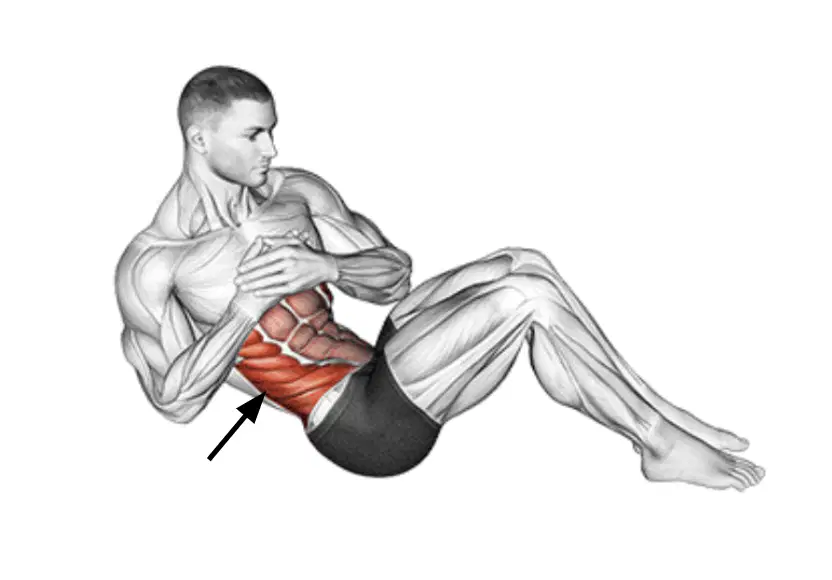
In the lift shown below what is one of the PRIMARY muscle being targeted in this lift? What muscle is the the arrow pointing at?
Abdominals
Latissimus Dorsi (Lats)
Pectoralis Major
Obliques
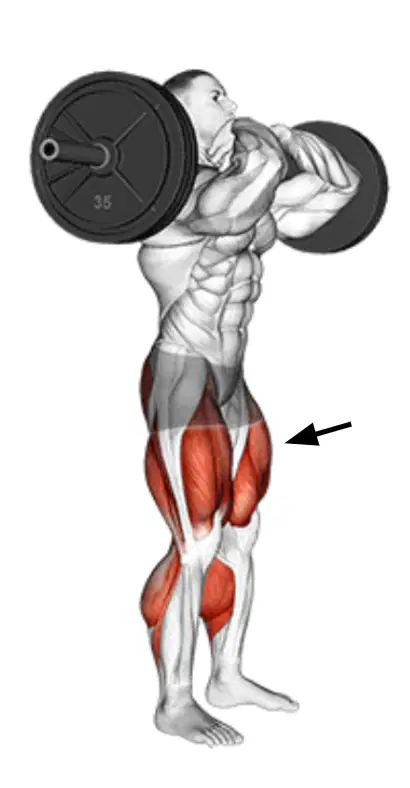
In the lift shown below what is one of the PRIMARY muscle being targeted in this lift? What muscle is the the arrow pointing at?
Quadriceps
Biceps
Latissimus Dorsi (Lats)
Hip Flexor
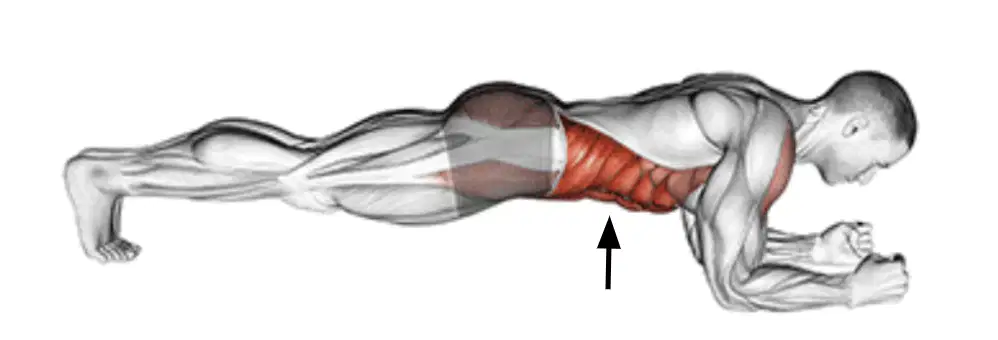
In the lift shown below what is one of the PRIMARY muscle being targeted in this lift? What muscle is the the arrow pointing at?
Abdominals
Latissimus Dorsi (Lats)
Pectoralis Major
Obliques

The exercise below targets the back, forearms, and biceps
True
False

What lift/exercise is shown in the picture below?
Battle Ropes
Jump Rope
Dips
Rope Pulls
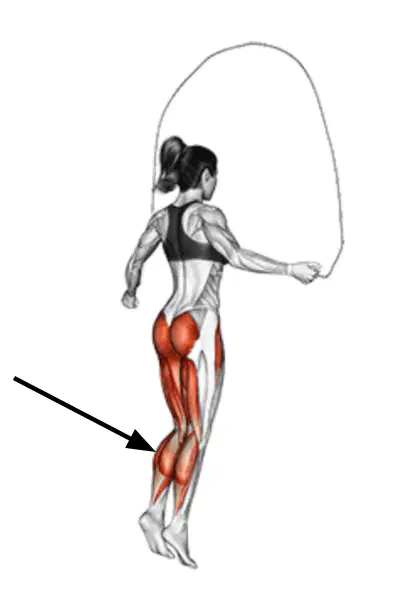
In the lift shown below what is one of the PRIMARY muscle being targeted in this lift? What muscle is the the arrow pointing at?
Quadriceps
Glutes (Gluteus Maximus)
Calves (Gastrocnemius and Soleus)
Hamstrings

What lift/exercise is shown in the picture below?
Hammer Curl
Hamstring Curl
Preacher Curl
Heavy Curl
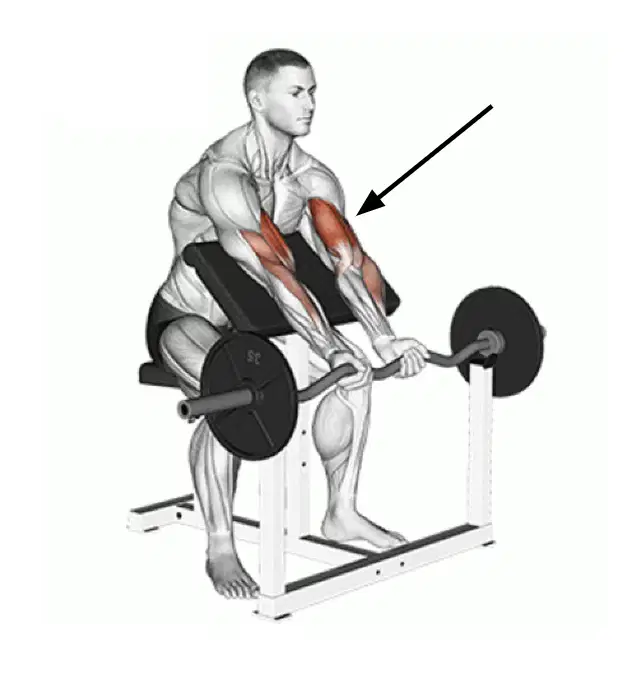
In the lift shown below what is one of the PRIMARY muscle being targeted in this lift? What muscle is the the arrow pointing at?
Quadriceps
Hamstrings
Triceps
Biceps

What lift/exercise is shown in the picture below?
Tricep Dip
Hamstring Dip
Push Up
Pull Up
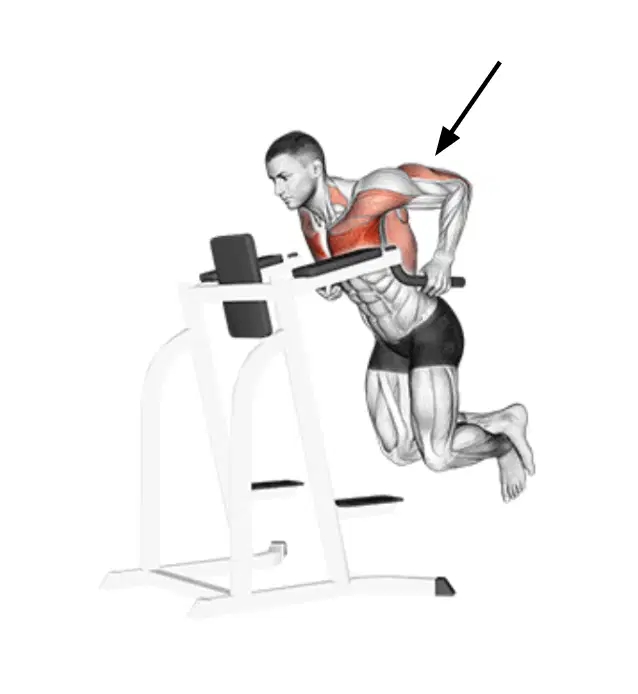
In the lift shown below what is one of the PRIMARY muscle being targeted in this lift? What muscle is the the arrow pointing at?
Quadriceps
Hamstrings
Triceps
Biceps

What lift/exercise is shown in the picture below?
Running Man
Squat
Farmers Carries
Dumbell Lunge
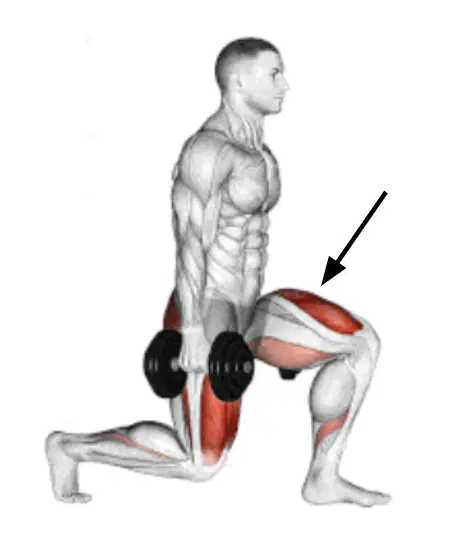
In the lift shown below what is one of the PRIMARY muscle being targeted in this lift? What muscle is the the arrow pointing at?
Quadriceps
Hamstrings
Abdominals
Calves (Gastrocnemius and Soleus)

What lift/exercise is shown in the picture below?
Deadlift
Russian Twists
Romanian Deadlift
Bent Over Row
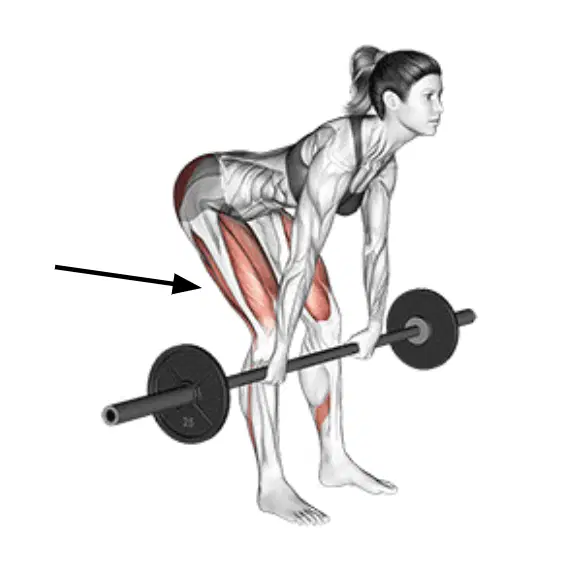
In the lift shown below what is one of the PRIMARY muscle being targeted in this lift? What muscle is the the arrow pointing at?
Quadriceps
Hamstrings
Abdominals
Calves (Gastrocnemius and Soleus)

What lift/exercise is shown in the picture below?
Push Up
Pull Up
Sit Up
Curl Up
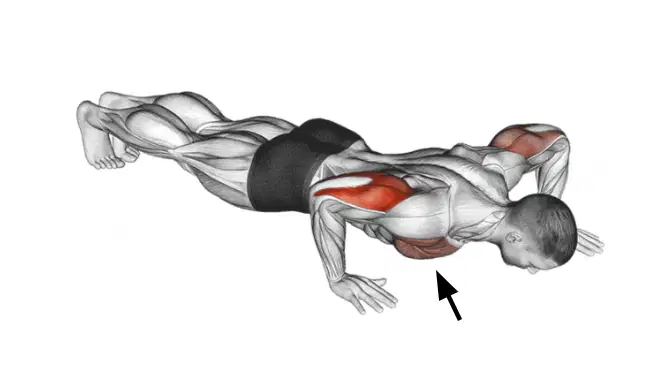
In the lift shown below what is one of the PRIMARY muscle being targeted in this lift? What muscle is the the arrow pointing at?
Pectoralis Major
Triceps
Biceps
Abdominals

What lift/exercise is shown in the picture below?
Barbell Bench Press
Dumbell Chest Fly
Overhead Shoulder Press
Overhead Chest Flys
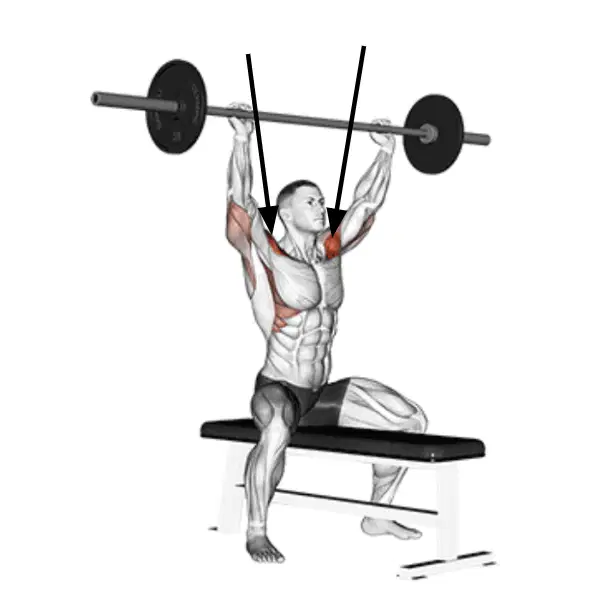
In the lift shown below what is one of the PRIMARY muscle being targeted in this lift? What muscle is the the arrow pointing at?
Pectoralis Major
Triceps
Deltoids
Latissimus dorsi

What lift/exercise is shown in the picture below?
Shoulder Shrugs
Shoulder Press
Shoulder Lift
Arm Curl
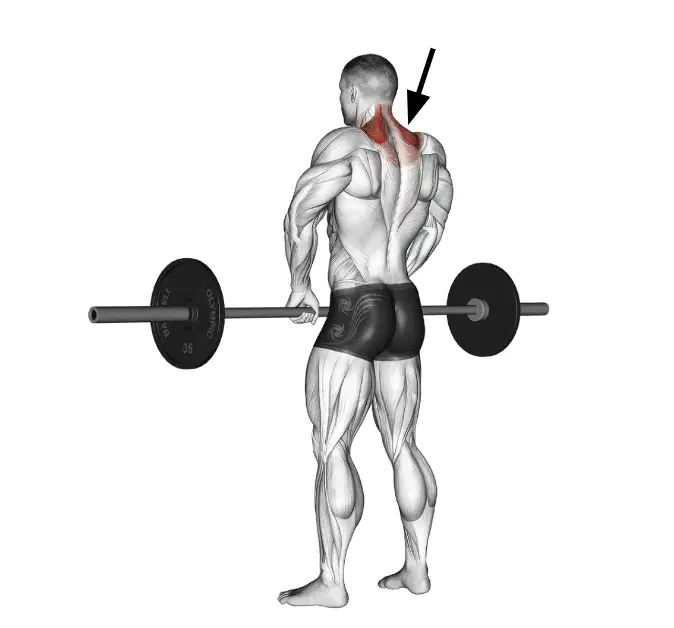
In the lift shown below what is one of the PRIMARY muscle being targeted in this lift? What muscle is the the arrow pointing at?
Trapezius
Triceps
Deltoids
Latissimus dorsi

The exercise below is a great full body workout that helps athletes train their bodies to used to unnatural positions.
True
False

What lift/exercise is shown in the picture below?
Goblet Squat
Turkish Get Up
Russian Twist
Turkish Squat

What lift/exercise is shown in the picture below?
Deadlift
Dumbbell Squat Jump
High Lunge
Dumbbell Step Up
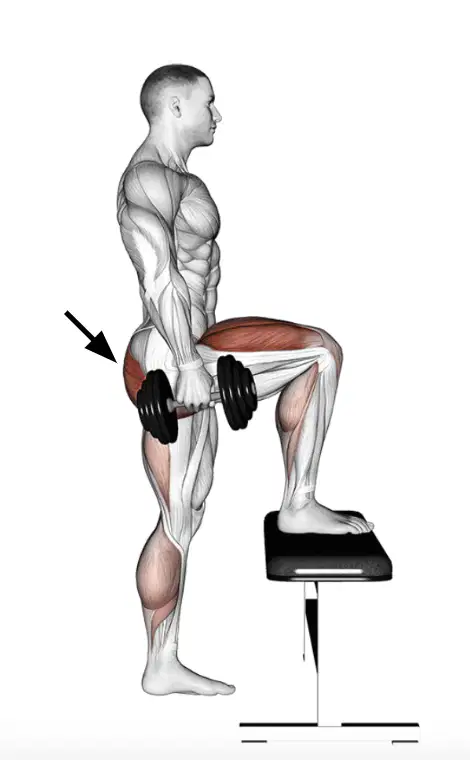
In the lift shown below what is one of the PRIMARY muscle being targeted in this lift? What muscle is the the arrow pointing at?
Glutes (Gluteus Maximus)
Chest
Hamstrings
Bicep

What lift/exercise is shown in the picture below?
Rowing Machine
Cardio Bike
Stairmaster
Recumbent Bike
In the lift shown below what is the three PRIMARY muscles being targeted in this lift? What muscles are the the arrows pointing at? SELECT ALL THAT APPLY.
Pectoralis Major
Trapezius
Latissimus Dorsi (Lats)
Triceps
Biceps
Quadriceps
Glutes (Gluteus Maximus)
Calves (Gastrocnemius and Soleus)
Hamstrings

What lift/exercise is shown in the picture below?
Rowing Machine
Cardio Bike
Stairmaster
Recumbent Bike
In the lift shown below what is the three PRIMARY muscles being targeted in this lift? What muscles are the the arrows pointing at? SELECT ALL THAT APPLY.
Pectoralis Major
Trapezius
Latissimus Dorsi (Lats)
Triceps
Biceps
Quadriceps
Glutes (Gluteus Maximus)
Calves (Gastrocnemius and Soleus)
Hamstrings

What lift/exercise is shown in the picture below?
Leg Extension
Hamstring Curl
Bicep Curl
Calf Raise
In the lift shown below what is the three PRIMARY muscles being targeted in this lift? What muscles are the the arrows pointing at? SELECT ALL THAT APPLY.
Pectoralis Major
Trapezius
Latissimus Dorsi (Lats)
Triceps
Biceps
Quadriceps
Glutes (Gluteus Maximus)
Calves (Gastrocnemius and Soleus)
Hamstrings

What lift/exercise is shown in the picture below?
Jump Ropes
Rope Pulls
Dips
Battle Ropes
Thanks to the strength training and cardio benefits of battle rope exercises, research has shown that incorporating battle rope exercises into sports training can significantly improve athletic performance.
True
False

What lift/exercise is shown in the picture below?
Bicep Curls
Bent Over Dumbbell Row
Tricep Pulls
Mountain Climbers
In the lift shown below what is the three PRIMARY muscles being targeted in this lift? What muscles are the the arrows pointing at? SELECT ALL THAT APPLY.
Pectoralis Major
Trapezius
Latissimus Dorsi (Lats)
Triceps
Biceps
Quadriceps
Glutes (Gluteus Maximus)
Calves (Gastrocnemius and Soleus)
Hamstrings

What lift/exercise is shown in the picture below?
Stability Ball Roll Out
Stability Ball Dead Bugs
Stability Ball V Pass
Stability Ball Plank
In the lift shown below what is the three PRIMARY muscles being targeted in this lift? What muscles are the the arrows pointing at? SELECT ALL THAT APPLY.
Rectus Abdominis
Pectoralis Major
Trapezius
Latissimus Dorsi (Lats)
Triceps
Biceps
Quadriceps
Glutes (Gluteus Maximus)
Calves (Gastrocnemius and Soleus)
Hamstrings

What lift/exercise is shown in the picture below?
Stability Ball Roll Out
Stability Ball Dead Bugs
Stability Ball V Pass
Stability Ball Plank
In the lift shown below what is the three PRIMARY muscles being targeted in this lift? What muscles are the the arrows pointing at? SELECT ALL THAT APPLY.
Rectus Abdominis
Hip Flexors
Trapezius
Latissimus Dorsi (Lats)
Triceps
Biceps
Quadriceps
Glutes (Gluteus Maximus)
Calves (Gastrocnemius and Soleus)
Hamstrings
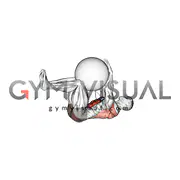
What lift/exercise is shown in the picture below?
Stability Ball Roll Out
Stability Ball Dead Bugs
Stability Ball V Pass
Stability Ball Plank
In the lift shown below what is the three PRIMARY muscles being targeted in this lift? What muscles are the the arrows pointing at? SELECT ALL THAT APPLY.
Rectus Abdominis
Hip Flexors
Trapezius
Latissimus Dorsi (Lats)
Triceps
Biceps
Quadriceps
Glutes (Gluteus Maximus)
Calves (Gastrocnemius and Soleus)
Hamstrings

