
 Worksheets
Test 1
Total questions: 77
Worksheet time: 47mins
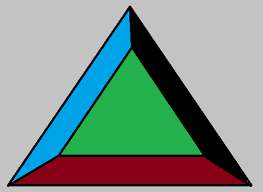
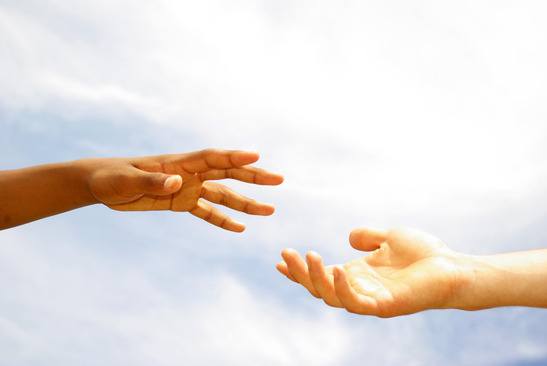
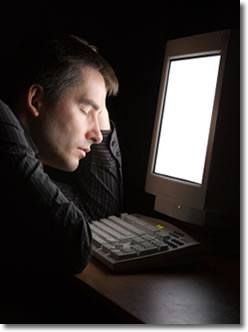
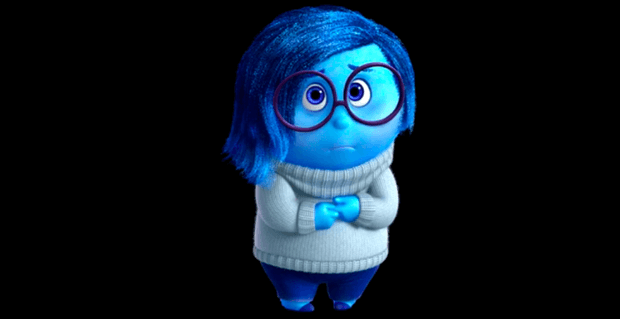


What part of the Health triangle does this photo represent?
Social
Physical
Mental
All of the above
Physical Health refers to:
how the mind operates
how to exercise properly
how the body functions
how to socialize properly
INSTRUCTIONS: The following twenty five (25) items are channels of communication. For each channel, select the specific medium/method of communication that it relates to.
The first one is:
Minutes of a Meeting
ORAL COMMUNICATION
WRITTEN COMMUNICATION
VISUAL COMMUNICATION
ELECTRONIC COMMUNICATION

1) How many basic methods of communication?
2
3
4
Facial Expressions:
smiling, frowning and even blinking
running, jumping, swimming
text, read, send
screaming, crying, laughing
Which of these is NOT an example of a non verbal communication skill
Intensity
Eye contact
Body Language
Volume of speech

Which of the following is something you can control?
Feeling disappointed
Disagreeing with your parents
Yelling at your best friend
A difficult classmate
Which of the following emotions is the worst one to express when you're tying to resolve a conflict?
amusement
sadness
confusion
rage
If you're arguing with a classmate, who's the best person to mediate the dispute?
You
Your best friend
Your teacher
Your classmate's brother
What does the M in SMART stand for?
Maximum - there are no limits for goals
Memorable - a goal must be easily remembered
Measurable - a goal must have some kind of number attached so you have a way to know if you are reaching the goal.
Mental - you have to be able to think about the goal.
What does the A in SMART stand for?
Attainable - a goal must be reachable; you CAN do it.
Admirable - a goal must impress people.
Artistic - a goal must be creative.
Academic - a goal must be scholarly and oriented towards learning.
All are reasons why it is important to set goals EXCEPT...
they motivate us
they keep you from being focused
they give your life direction
they help you see progress

This guy wants to appear more professional at work, which SMART goal is best for him?
I will obey the dress code every day for the following month
don't wear bandanas to work
go to work and wear what you want for a month
come to work perfectly dressed for now on
People succeed because they set ___________.
goals
values
plans
steps
"Could you please stop tapping your fingers on the table? It is making it hard for me to concentrate."
Aggressive
Passive-Aggressive
Assertive
Passive
"WHY are you moving so slow? Get out of my WAY!!!"
Passive
Assertive
Passive-Agressive
Aggressive
"I cannot believe you did that, you are so dumb."
passive
passive- aggressive
aggressive
assertive
"You know if you were really my friend you would let me copy your homework. I didn't have time to do mine."
aggressive
passive
passive-aggressive
assertive
"No, I am not comfortable doing that."
passive
passive-aggressive
aggressive
assertive
Not speaking up when someone is being unkind to you and it is really bothering you.
passive
assertive
aggressive
passive-aggressive
This is the communication style that you should always strive for:
passive
assertive
passive-aggressive
aggresive
Your teacher has not given you a grade for a paper you handed in, and you tell him or her, "I handed in that paper with everyone else. It's not my fault if you can't keep yourself organized," is an example of which of the following communication styles?
Agressive
Passive
Assertive
After being berated by your manager in front of your fellow employees, you say: "I can see some of your points, but I would have preferred that you spoke to me in private." This is an example of which of the following communication styles?
Passive
Agressive
assertive
You overhear someone at work saying something mean about you. You wait until she is alone, and then let her know that you were sad to hear her say such a thing. This is an example of which communication style?
Agressive
Passive
Assertive
You go out to dinner and after a very long wait, your food arrives cold. You use Agressive
Tell the waiter how incompetent you think he is and demand that the food be free.
Tell the waiter that this is unacceptable and ask what they can do to make things right.
Say nothing; you don’t want to risk having the waiter spit in your food!
What is a type of non-verbal communication?
Facial Expressions
Skipping
Peer Pressure
Dancing
Which example below exhibits a assertive behavior.


Which example below exhibits a aggressive behavior.


Only cares about own opinion
Passive
Assertive
Agressive
Makes good eye contact
Passive
Assertive
Agressive
Which of the following represents a "POSITIVE SELF-TALK" statement?
It's too complicated.
I'll tackle it from a different angle.
Which of the following represents a "POSITIVE SELF-TALK" statement?
I trust myself to succeed.
I'm not good enough.
Which of the following represents a "POSITIVE SELF-TALK" statement?
It's too hard.
I've overcome tougher challenges.
The main source of confidence is _______________
Laziness
Procrastination
Hard Work
Talent
Which posture best shows that a person is actively listening?
slouching
lying down
sitting up straight
standing with your back to the speaker
When you’re actively listening, you should look ________.
at the ground
at the speaker
out the window
at a page of notes
What part of the Health triangle does this photo represent?
Social
Physical
Mental
All of the above

What part of the Health Triangle does this photo represent?
Physical
Mental
Social
None of the above
win-win
The Health Triangle represents three main parts of our health.
True
False

What are the important factors in a healthy relationship?
Fear and submission
Communication, equality, respect, honesty
Tenacity and control
All of the above
What are the important factors in a healthy relationship?
Fear and submission
Communication, equality, respect, honesty
Tenacity and control
All of the above

What are the signs of a healthy relationship?
You're comfortable, happy, and able to express your feelings
You can share your problems and your successes
You don't feel threatened
All of the above

How can you solve a conflict without using violence?
Breathe, reflect, be respectful, listen, and talk it out
Respond the same way as the other person does
Share your perspective and ignore the others perspective
All of the above

How do you define good communication?
When you can’t share your happiness or sadness
When you and your partner begin to scream at each other
When you listen and share your ideas in a respectful way
All of the above

Which are characteristics of an healthy relationship?
Zero tolerance for violence
Respect and trust
Equality
All of the above

In a _____________________ partners don’t pressure each other to go against their personal values.
Healthy relationship
Unhealthy relationship

In a _________________ both people involved feel good about themselves.
Healthy relationship
Unhealthy relationship

Being controlling with one another is a part of a ________________ relationship.
Healthy
Unhealthy

Pushing, shoving, hitting, and insulting are part of a healthy relationship.
True
False

It is NOT part of a heathy relationship to call each other ugly names and criticize each other.
True
False
Choose the main reasons for communication
To offer reassurance
To express feelings and/or concerns
To form/build relationships
All of the above
Communication is key to effective working.
True
False
How many Caldicott principles are there?
5
6
7
8
Patients and service users have a right to have their information kept confidential
TRUE
FALSE
Only certain organisations will have policies and procedures around sharing information.
TRUE
FALSE
All organisations will
Information can be kept confidential and only shared on a need-to-know basis, for example with the safeguarding officer.
TRUE
FALSE
A ‘need-to-know’ basis means that information should only be shared with those who would be unable to do their job properly without the relevant knowledge.
TRUE
FALSE
If an individual has a sensory impairment then speaking slowly and not shouting can assist. Ensure the person can see your f (a) and the light is suitable.
Cognitive barriers can be reduced by r (a) ing distractions, and communicating ideas one at a time.
Speaking clearly and using short s (a) s can help when communicating with people who have dementia.
Environmental b (a) can be a interference, for example when it is too noisy or too dark. This means that people may not hear or pick up on non-verbal communication.

