
 Worksheets
8th First Semester Exam Review
Total questions: 177
Worksheet time: 4hrs 42mins
Which of the following is true?
A physical property can only be seen.
A physical property describes how matter can change when exposed to air.
A physical property is something that can be observed about the substance by itself.
A physical property can only be observed when two types of matter interact.

Which of the following are physical properties of the matter pictured?
Check all that are true
reacts to oxygen
smooth
malleable (bendable)
reddish-brown
shiny
A chemical property describes how matter __________.
smells
reacts with another type of matter
looks under a microscope
dissolves when made into a solution

Jack leaves solid butter near a warm surface. When Jack returns, the butter has turned into a liquid. Jack's friend Elijah insists this is a chemical change. Is Elijah right?
no, because no new matter was formed
yes, because the matter changed states
no, because the butter didn’t have enough time to go through a chemical change
yes, because melted butter is a new type of matter
When you increase the energy by heating a liquid what happens to the motion of the molecules
They slow down
They speed up
Heat doesnt change the motion of the molecules

Is this an example of a physical or chemical change?
physical
chemical

Is this an example of a physical or chemical change?
physical
chemical
Which of these actions cause a PHYSICAL change?
rusting of metal pipes
burning a log
cooking an egg
crushing an aluminum can
Rusting metal is an example of a ____ change.
chemical
phase
state
physical
Salt water, a mixture, is made by dissolving salt in water. Mixtures like this can be separated by using the physical properties of the mixture. Which would be the best way to separate a mixture made of salt and water?
evaporation
chromotography
magnetism
filtering
Which is an example of a chemical change?
baking a cake
ripping paper
stretching a rubber band
chopping wood
Which of the following options provides evidence of a CHEMICAL change?
Wood is burned releasing ash and smoke
Rocks separate when soil is sifted
Boiling water bubbles when heated
Salt dissolves in water

Use the basic properties of solids, liquids, and gases to identify the correct state of matter in the image.
(A) gas, (B) liquid, (C) solid
(A) solid, (B) liquid, (C) gas
(A) liquid, (B) solid, (C) gas
(A) solid, (B) gas, (C) liquid
What is physical change?
How two chemicals react with one another when combined
A property that we can measure or observe with our 5 senses or other tools
When two chemicals react with one another to form a new substance
When a change occurs but it does not result in the formation of a new substance
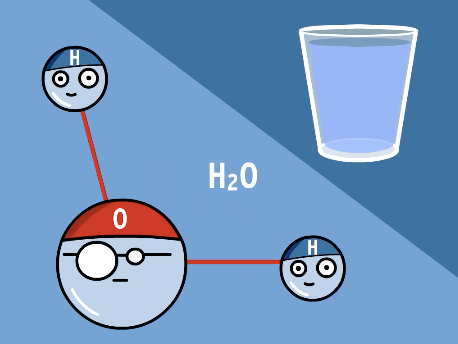
4 grams of hydrogen and 32 grams of oxygen will combine to form:
36 grams of water
28 grams of hydroxide
32 grams of oxygen
36 grams of deuterium

Which of the following describes a chemical reaction?
Oxygen interacts with iron to form rust
Ice melts into water
Carbon dioxide freezes to make dry ice
Rocks split apart over many years due to weathering
When a log is burned, what happens to the wood?
The mass stays the same, but becomes smoke and ash.
It disappears.
The mass changes as it goes away.
Nothing. You're imagining things.

A precipitate is a ___________ that forms when 2 liquids react together.
solid
liquid
gas
plasma
A chemical reaction involving atoms of one or more substances bonding together differently
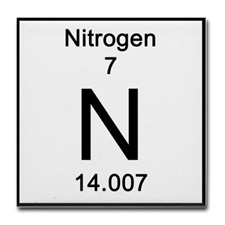
tells us the number of atoms of each element in a compound
Coeffecient
Exponent
Subscript
Calculator
a process or reaction in which the system absorbs energy from its surroundings; usually in the form of heat
Endothermic Reaction
Exothermic Reaction
Diffusion
Fission
type of chemical reaction where two compounds react, and the ions of the two reactants switch places, forming two new compounds or products
Double Displacement
Single Displacement
Synthesis
Decomposition
type of reaction in which two or more elements combine to form a compound
Double Displacement
Single Displacement
Synthesis
Decomposition
type of reaction in which a compound is broken down into two or more elements
Double Displacement
Single Displacement
Synthesis
Decomposition
Which of the following 2 are chemical reactions?
sugar dissolving in water
water turning into steam
burning wood
mixing baking soda and vinegar
tearing paper
Which of the following 2 are chemical reactions?
sugar dissolving in water
water turning into steam
burning wood
mixing baking soda and vinegar
tearing paper
A chemical change is different than a physical change because in a chemical change
chemicals are used
molecules do not physically touch
a new substance is formed and in a physical no new substance is formed
the change can be seen but in a physical change it cannot

How many Carbons are present on the reactant side?
1
2
3
4

How many Hydrogens are on the product side of this chemical equation?
1
2
3
4

Why are chemical equations always balanced? Select ALL that apply.
Matter cannot be created.
Matter cannot be destroyed.
Matter can only be rearranged/conserved.
Matter doesn't matter.

In a chemical reaction, if the reactants are heated, the reaction usually happens
slower
faster
at the same rate
in a smaller volume

Some chemical reactions require a substance called a catalyst. The purpose of a catalyst is
to warm up the reaction
to speed up the reaction
to create more reactants
to stop the reaction

Is this chemical equation balanced? Why or why not? Choose the BEST answer.
Yes, the amount of atoms for each element are equal on both the reactant and product side.
No, the carbons are not the same number on both the reactant and product side.
No, neither the carbons or hydrogens are the same amount on both the reactant and product side.
No, none of the elements (carbon, hydrogen, or oxygen) are the same amount on both the reactant and product side.
Which of the following is a common sign that a chemical change has occurred?
A chemical has turned a different color, bubbled, and/or changed temperature.
A chemical has changed to a different state of matter, such as a liquid to a solid.
A chemical has changed size.
A chemical has become a different shape.
__K + __Br2 --> __KBr
FeS + Hal --> H2S + FeCl
__HNO2 + __O2 --> __HNO3

What is the state of matter when molecules are tightly packed together
solid
liquid
gas

A substance that resists change and holds it's shape.
liquid
solid
water
clouds

The temperature at which a gas turns into a liquid
Melting point
Freeing point
Boiling point
Condensation point
The temperature at which a substance changes from a liquid to a gas
Melting point
Boiling point
Freezing point
Condensation point
the mass per unit volume of a substance
mass
weight
volume
density
A substance that is made up of only 1 element
homogeneous mixture
heterogeneous mixture
pure substance
compound
TRUE or FALSE: The particles in solids move around a lot and spread out.
TRUE
FALSE
TRUE or FALSE: Liquids have a fixed volume but not a fixed shape.
TRUE
FALSE
Which of the following statements is NOT true about gases?
Gases do not have fixed shape or volume
Gas particles do not move much, but vibrate
Gas particles have a lot of free space
Unlike solids, gases can be compressed
Which of the following statements is true about liquids?
Particles do not move around much, but vibrate
Particles have a lot of free space and spread out
Liquids have fixed shape & volume
Particles are less closely packed than solids

Look at the picture. Which state of matter is in beaker C?
Solid
Liquid
Gas
Blue thingys
A _________ is made of two or more substances that are together in the same place but their atoms are NOT chemically bonded.
compound
mixture
substance
filtration
A type of mixture where you can see the different parts and they can easily be separated into their different parts.
atomic mixture
Compound mixture
Heterogeneous mixture
Homogeneous mixture
A type of mixture that you can't see the different parts.
Homogeneous mixture
Heterogeneous mixture
Compound
distillation
Heterogeneous and Homogeneous are two types of what?
compounds
elements
mixtures
atoms
Pure Substance
Matter that always has the exact same composition.
Element
A substance that cannot be broken down into simpler substances
Compound
A substance that is made of 2 or more simpler substances.
Heterogeneous
The parts of this mixture are noticeably different.
Homogeneous
The parts of this mixture are indistinguishable from one another.
Which of the following are considered pure substances?
homogeneous mixture
compound
element
heterogeneous mixture
Which of these are homogeneous mixtures?
peanuts and almonds mixed in a bowl
food dye mixed in water
a cup of tea and sugar
concrete
Solutions are ___________ mixtures.
Solid
Homogeneous
Heterogeneous
Gas
Matter is anything that takes up space and has mass. It can be classified into two(2) groups. What are those classifications?
Homogeneous and Heterogeneous
Elements and Compounds
Pure substances and Mixtures
Solute and Solvent
In a heating curve, diagonal lines indicate temperature is __________, while flat lines indicate temperature is __________.
Constant, changing
Changing, constant
Which is a chemical property of matter?
Reactivity
Color
Density
Solubility
Which is NOT an example of a chemical property?
Water is a liquid at room temperature.
Vinegar bubbles when baking soda is added.
Wood burns when exposed to fire.
Apple slices turn brown.
Which chemical property describes a substance that reacts rapidly with oxygen and gives off heat?
combustibility
reactivity
acidity
basicity

the mass per unit volume of a substance
mass
weight
volume
density
the ability of a type of matter to burn easily
flammability
rust
solubility
conductivity

Which of the following is NOT an indicator that a chemical change has occurred?
a change in state
a temperature change
a color change
bubbles
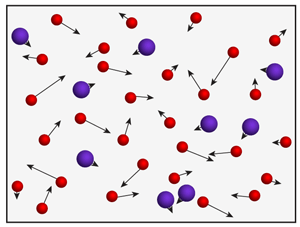
What happens to the atoms of a substance in a chemical change?
Atoms get bigger
Atoms change their arrangement and motion
Atoms get smaller
Atoms bond together differently
A substance that is made up of only 1 element
homogeneous mixture
heterogeneous mixture
pure substance
compound
A substance that is made up of 2 or more elements that are chemically bonded.
homogeneous mixture
heterogeneous mixture
pure substance
compound
The smallest unit of a substance that still has all the properties of that substance is called a/an ____________.
energy
atom
electron
compound
As you move left to right on a row or period what happens?
Atomic number increases by 1
Electrons decrease
Number of shells decrease
Nothing
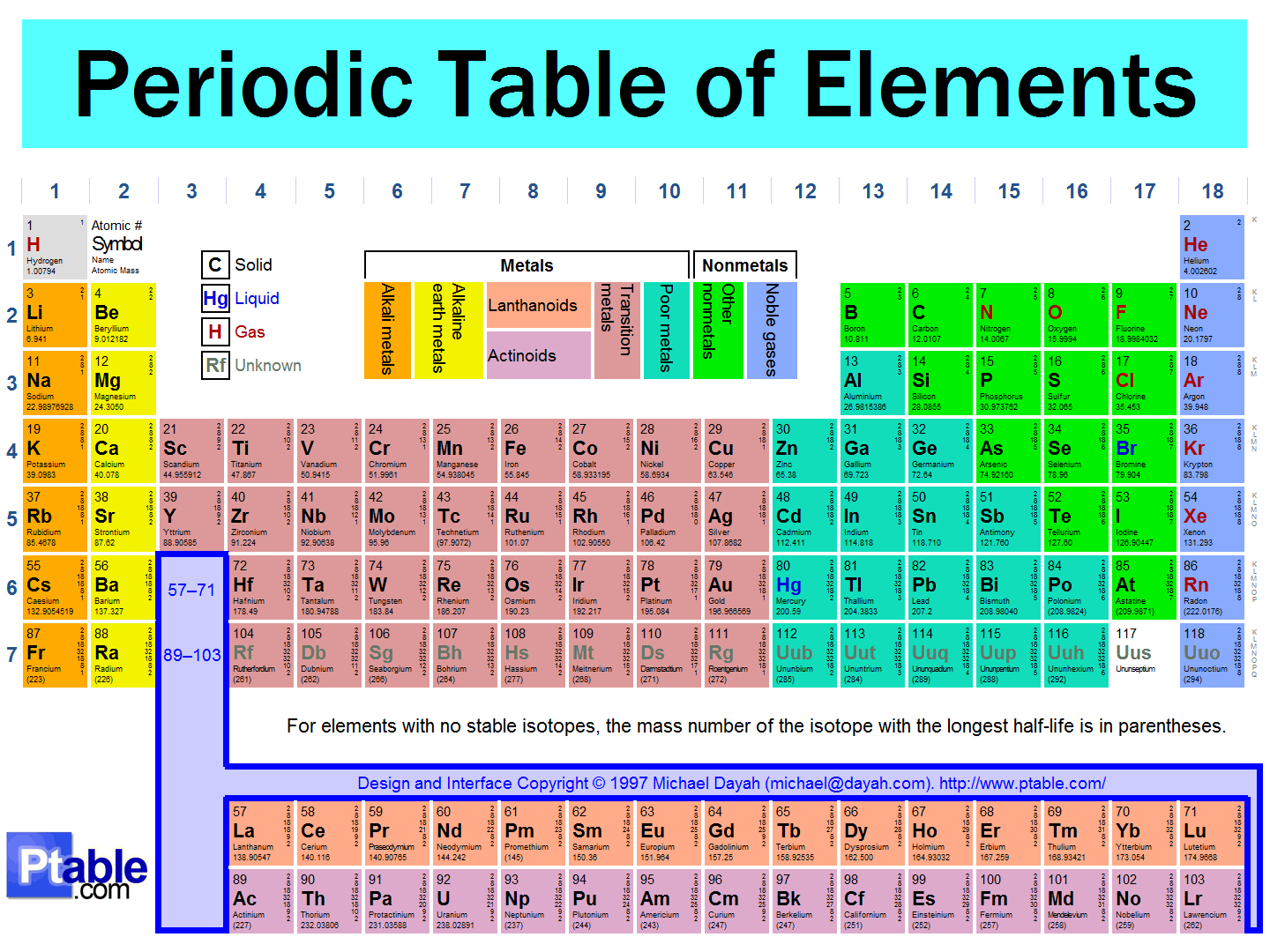
What are valence electrons?
Any of an atom's electrons
Electrons located on the first energy level
Electrons not attached to any atom
electrons located on the outer energy level
What Element is in period 4, group 5A?
Antimony
Arsenic
Tin
Germanium
Why are halogens so reactive?
They want to get rid of their only valance electron
They only need one more electron
They are non reactive, they have a full shell
How many valence electrons does a carbon atom have?
8
4
2
6
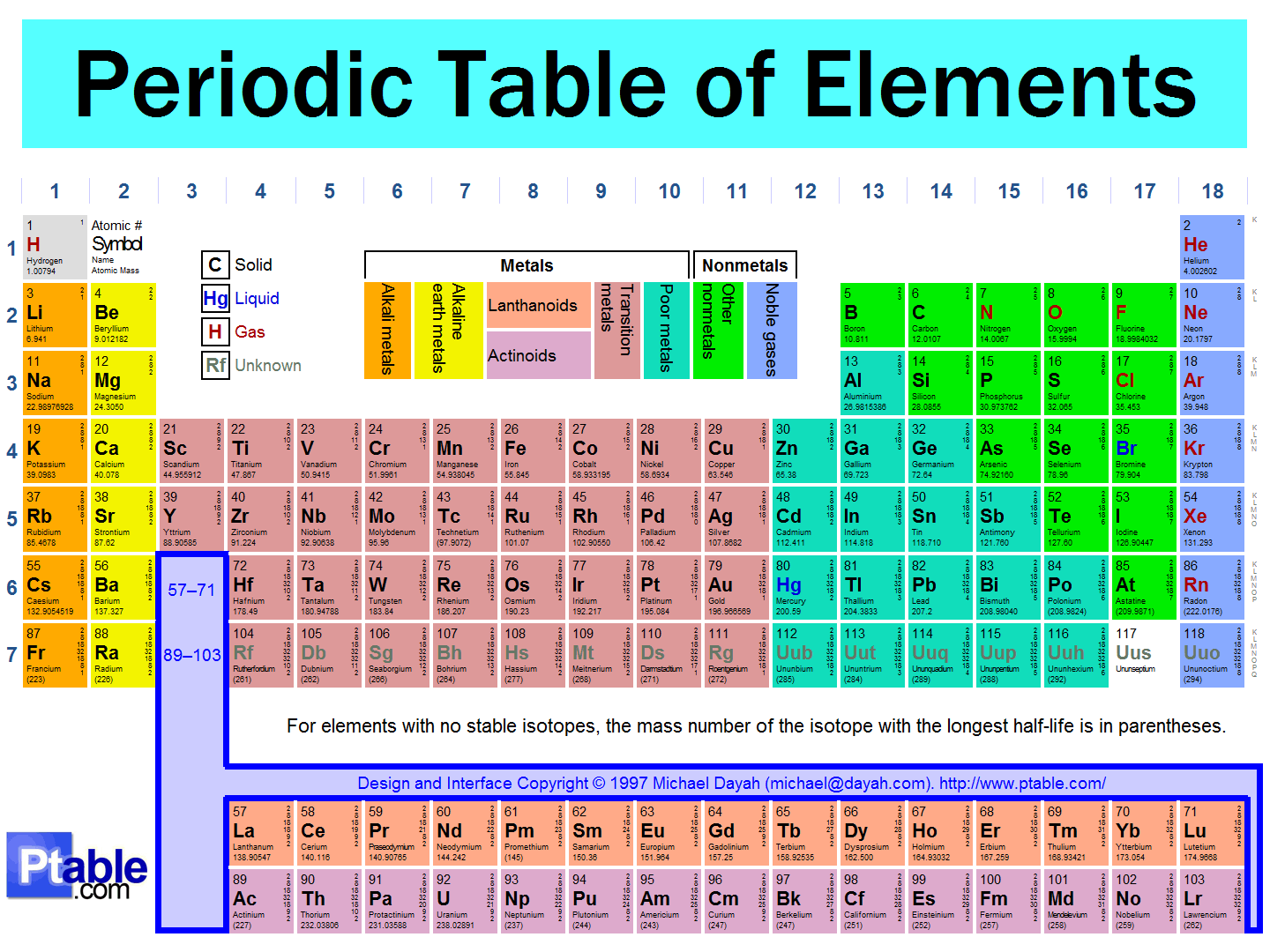
The vertical (up and down) columns in the Periodic Table are called
groups
towers
periods
atomic numbers

What family is Sodium (Na) a part of?
Transition Metals
Halogens
Alkali Metals
Alkaline Earth Metals


What is the volume of the water in this photo?
6mL
6.4mL
7mL
6.6mL
What is the metric measuring unit for mass?
Meter
Liter
Pounds
Grams

What units is volume measured in?
grams
degrees
milliliters or cm3
pounds
Match the correct SI base unit to the type of measurement.
Length or Distance
m
Volume
L
Time
s
Mass
g
Temperature
K

What is the mass?
33.33g
303.3 g
333.32 g

What is the name of this metric tool?
Triple Beam Balance
Graduated Cylinder
Massometer
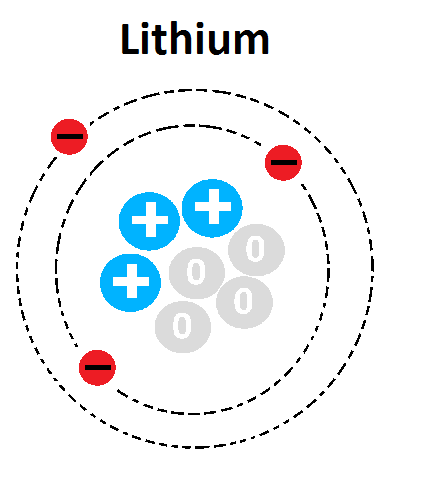
What is the mass number of this atom?
1
3
4
7

