
 Worksheets
Rollercoaster Project
Total questions: 109
Worksheet time: 1hrs 26mins

How much GPE is present at 100 m?
15,000 J
20,000 J
35,000 J
50,000 J
0 J
How much KE is present at 100 m?
15,000 J
20,000 J
35,000 J
50,000 J
0 J
How much ME is present at 100 m?
15,000 J
20,000 J
35,000 J
50,000 J
0 J
How much KE is present at 30 m?
15,000 J
20,000 J
35,000 J
50,000 J
0 J
How much GPE is present at 30 m?
15,000 J
20,000 J
35,000 J
50,000 J
0 J
How much ME is present at 30 m?
15,000 J
20,000 J
35,000 J
50,000 J
0 J
How much GPE is present at 60 m?
15,000 J
20,000 J
30,000 J
50,000 J
0 J
How much KE is present at 60 m?
15,000 J
20,000 J
30,000 J
50,000 J
0 J
How much ME is present at 60 m?
15,000 J
20,000 J
30,000 J
50,000 J
0 J

What do you notice about the ME throughout the whole ski jump?
It is the same as the GPE
It is the same as the KE
It is always different
It never changes

Using the GPE, calculate the mass of the skier.
about 500 kg
about 51 kg
about 1167 kg
about 119 kg

Now that you know the mass of the skier, calculate the speed of the skier as they reach the bottom of the hill
about 1373 m/s
about 140 m/s
about 44 m/s
about 12 m/s
The sum of kinetic and potential energy is called...
sum energy
nonmechanical energy
mechanical energy
space energy
The total amount of energy
varies
can cancel out to zero
goes out into space
remains constant
work is done when
the object you apply a force on moves
any force is applied to an object, regardless if it moves or not
the force is zero
the force and direction of motion are perpendicular
Which form of energy is involved in a pencil falling from a desk?
kinetic
nonmechanical
gravitational potential
elastic potential
An object in motion
potential energy
elastic potential energy
nonmechanical energy
kinetic enerty
Energy stored due to the interactions between objects
potential
positional
total
kinetic
What is the rate at which energy is converted?
potential energy
kinetic energy
mechanical energy
power
The ability to do work is called
energy
force
power
machine
A device that changes the force or increases the motion from work is a
computer
engineer
automobile
machine
All are examples of a simple machine EXCEPT
a lever
a pulley
motor
wheel and axle
A moving van burns gasoline in its engine. During this process it converts
chemical energy to mechanical energy
kinetic energy to potential energy
thermal energy into electrical energy
mechanical energy into kinetic energy
A juggler is juggling four bean bags. When does each bean bag have the greatest potential energy with respect to the floor?
just after it is thrown
just before it is caught
when it reaches its highest point
when it is moving at its greatest speed
What is the unit of report for energy?
Joules
meters
newtons
grams
What is the correct classification of the following objects?
Toy boat floating - potential energy
Boy standing at the top of a slide- kinetic energy
Girls running on a path- potential energy
Child holding a ball- potential energy
The equation for force is
W= fd
W= fN
W=mv
W=wh
A waiter carries a tray full of meals above his head by one arm straight across the room at constant speed.

A crane lifts an 8-m long steel girder weighing 2600 N up 15 m off the ground. The crane did ___ of work.
0 J
39000 J
20800 J
2600 J
Two workers use 100 N of force to move a sofa 2 meters in 2 seconds. How much power is required?
100 watts
400 watts
104 watts
50 watts
Which requires more power – a person walking up stairs or a person running up stairs?
walking
running
they require equal power output
no power is required at all


Steve, Mary, Annie, and James hit four identical tennis balls with a racket. The diagram below shows the top speed at which each tennis ball moved when it was hit.
Based on the diagram, which of the following is true about the tennis balls when they were at their top speed?
James's ball had the most kinetic energy.
Steve's ball had the most kinetic energy.
Mary's ball had the most kinetic energy.
Annie's ball had the most kinetic energy.
Kinetic energy is the energy of motion. How could you determine how much kinetic energy an object has?
by finding its height and width
by finding its speed and direction
by finding its position and form
by finding its mass and speed

Juniper and her cousins are racing model cars they have built. Based on the table below, whose car has the most kinetic energy as it rolls down the road?
Kylie
Craig
Sheldon
Juniper

A pitching machine is used to pitch two balls. The speed of both balls is 94 km/hr.
The mass of one ball is 5 grams, and the mass of the other ball is 50 grams. Since both balls are traveling at the same speed, which of the following is true?
Neither ball has any kinetic energy.
The 5-gram ball has more kinetic energy than the 50-gram ball.
The balls have the same kinetic energy.
The 50-gram ball has more kinetic energy than the 5-gram ball.

The diagram below shows two boulders that are rolling down a mountain slope.
The mass of one boulder is 1,000 kilograms, and the mass of the other boulder is 50 kilograms. If both of the boulders are moving at the same speed, which of the following statements is true when both reach point A before touching the ground?
The 1,000-kg boulder has more kinetic energy than the 50-kg boulder.
The 50-kg boulder has more kinetic energy than the 1,000-kg boulder.
Neither boulder has any kinetic energy.
The boulders have the same kinetic energy.
A small car is traveling at a speed of 60 mph on the highway. In the next lane, a large passenger bus is traveling at the same speed.
Which of the following is true?
The car and the bus have potential energy, not kinetic energy.
The car and bus have the same amount of kinetic energy.
The car has more kinetic energy than the bus.
The bus has more kinetic energy than the car.

Two cars that are identical except for their color are traveling on the same road.
The red car is traveling at a speed of 78 km/hr, and the blue car is traveling at a speed of 106 km/hr. Which of the following statements is true?
Neither car has any kinetic energy.
The red car has more kinetic energy than the blue car.
The blue car has more kinetic energy than the red car.
The cars have the same kinetic energy.
A graph showing the kinetic energy of a ball over time is shown below.
Which of the following statements best explains the relationship between the kinetic energy of the ball and its speed?
The kinetic energy of the ball increases over time as the ball travels at a constant speed.
The kinetic energy of the ball increases as its speed increases.
The kinetic energy of the ball decreases as its speed increases.
The kinetic energy of the ball remains the same as its speed increases.

Daniel and Robert went rowing. While Robert was rowing at a speed of 8 km/h, Daniel was rowing at a speed of 10 km/h in the opposite direction.
If the masses of the boats and their rowers are equal, which of the following is a true statement about their kinetic energies?
Only Robert has kinetic energy because he is rowing in the forward direction.
Robert has more kinetic energy than Daniel.
Daniel has more kinetic energy than Robert.
Only Daniel has kinetic energy because his energy cancels out Robert’s.

Two motorboats are traveling down a river. Motorboat 1 has a mass of 6,000 kg, and motorboat 2 has a mass of 1,500 kg. The graph below shows the kinetic energies of the boats as they gain speed.
If both boats gain speed at the same rate, why does motorboat 1 have more kinetic energy?
It sits up higher in the water.
It has more mass.
It encounters more air resistance.
Its length is greater.

The picture below shows John, Mark, and Erica on an elevator. The elevator is moving down from the 10th floor of a building to the 1st floor of the building.
John's mass is 78 kilograms, Mark's mass is 31 kilograms, and Erica's mass is 54 kilograms. At any given moment when they are moving down with the elevator, which of the following statements is true?
John has the most kinetic energy, and Mark has the least kinetic energy.
Mark has the most kinetic energy, and Erica has the least kinetic energy.
Mark has the most kinetic energy, and John has the least kinetic energy.
Erica has the most kinetic energy, and Mark has the least kinetic energy.

Francis throws the same ball three different times. The diagram below shows the top speed at which the ball traveled during each throw.
Based on this information, which of the following statements is true?
The ball had the same kinetic energy during all three throws.
The ball had the most kinetic energy during the second throw.
The ball had the most kinetic energy during the first throw.
The ball had the most kinetic energy during the third throw.

The following graph shows the kinetic energy of a roller coaster car as it passes through a loop.
What was the most likely cause for the rise in kinetic energy after 2.5 seconds?
The roller coaster was pulled with decreasing gravitational force.
The roller coaster began speeding up.
The roller coaster started gaining elevation.
The roller coaster began slowing down.

A 15,000-kilogram truck and a 3,000-kilogram van are moving alongside one another on a road. The vehicles are moving at the same speed, and the speed of both vehicles is constant.
Which of the following statements is true about the vehicles?
The truck has more kinetic energy than the van.
The van has more kinetic energy than the truck.
Neither vehicle has any kinetic energy.
The vehicles have the same kinetic energy.

Sam and Dean are at a bowling alley. Sam throws a bowling ball toward a set of bowling pins, and his ball moves at 25 km/hr. Dean throws an identical ball toward another set of bowling pins, and his ball moves at 22 km/hr.
Since both bowling balls have the same mass, which of the following statements is true?
Sam's ball has more kinetic energy than Dean's ball.
Dean's ball has more kinetic energy than Sam's ball.
Neither ball has any kinetic energy.
The bowling balls have the same kinetic energy.

A scientist is studying asteroid impacts in space. For his current study, he chose four asteroids, which are on the course of collision with other asteroids. The table given below summarizes the characteristics of the four asteroids.
Based on it, which asteroid has the greatest kinetic energy?
asteroid X
asteroid W
asteroid Y
asteroid Z

Kyriece and Trinity are racing toy cars to learn about kinetic energy. The data that Kyriece and Trinity collected is shown below.
Based on the data given in the tables, how could one of the cars have four times as much kinetic energy as another car?
It could have double the mass or four times the speed.
It could have double the mass or double the speed.
It could have four times the mass or double the speed.
It could have four times the mass or four times the speed.

Andrea and the other members of the tennis team are practicing hitting tennis balls. If two people hit identical balls at the same time, which ball has the most kinetic energy?
the ball that travels the farthest distance from the ground
the ball that stops moving first
the ball that moves at the fastest speed
the ball that lands the shortest distance away

Two identical trains, Train A and Train B, are traveling along parallel rails.
The speed of Train A is 88 km/hr, and the speed of Train B is 96 km/hr. Based on this information, which of the following statements is true?
The trains have the same kinetic energy.
Train A has more kinetic energy than Train B.
Neither train has any kinetic energy.
Train B has more kinetic energy than Train A.

Two identical cars are traveling on a road.
One car is carrying one person and traveling at a speed of 53 km/hr. The other car is carrying five people and is also traveling at a speed of 53 km/hr. All six of the people in the cars have the same mass. Based on this information, which of the following statements is correct?
The car carrying five people has more kinetic energy than the car carrying one person.
The cars have the same kinetic energy.
The car carrying one person has more kinetic energy than the car carrying five people.
Neither car has any kinetic energy.

Amelia is bowling with her family. Her bowling ball followed the path that is shown in the image below. The bowling ball slows down as it travels down the lane.
At which point does the bowling ball have the most kinetic energy?
Y
W
X
Z

The following table shows the speed and height of a softball after a batter hits it in the air.
Based on the table, which statement best describes the kinetic energy of the ball?
The kinetic energy of the ball reaches its maximum at 2.0 seconds and then it starts decreasing.
The kinetic energy of the ball is at its maximum immediately after the ball is hit.
The kinetic energy of the ball goes on increasing and reaches its maximum at 4.0 seconds.
The kinetic energy of the ball goes on decreasing and reaches its minimum at 4.0 seconds.
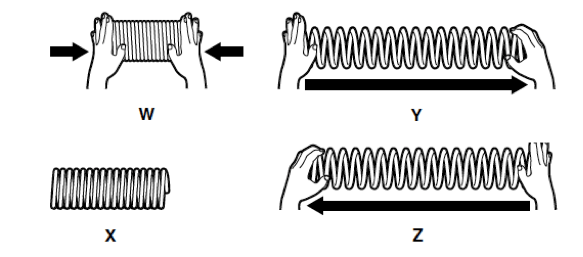
Elastic potential energy is energy stored in an object, such as a spring, due to the object being stretched or compressed. In which position is it most likely that the spring has lost its elastic potential energy?
W
Y
X
Z
Energy stored because of gravity is called:
Gravitational Potential Energy
Kinetic Energy
Mechanical Advantage
Chemical Energy
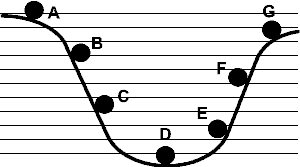
At which point does the ball has the greatest gravitational potential energy (GPE)?
A
G
D
C
G
Which would have the LEAST gravitational potential energy (GPE)?
A ball sitting on the ground
Moon viewed from the Earth
An airplane flying 30,000 feet above the ground
A rock sitting on top of Mt. Everest
How could you increase the gravitational potential energy of an object without changing its mass and gravity?
Make the object larger
Lower the object towards the ground
Raise the object farther off the ground
Allow the object to roll on the ground
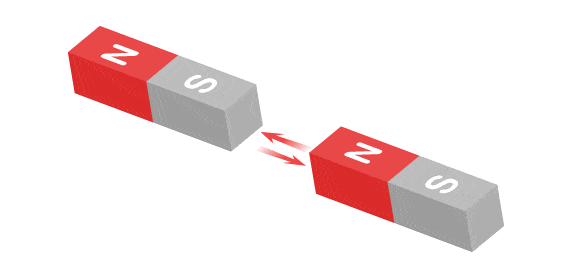

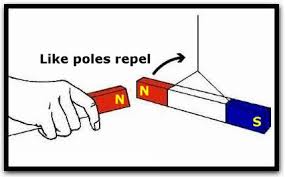

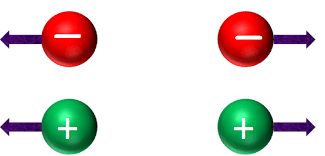
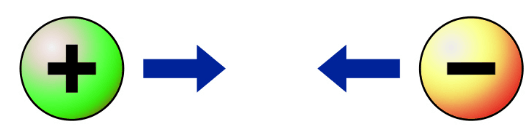

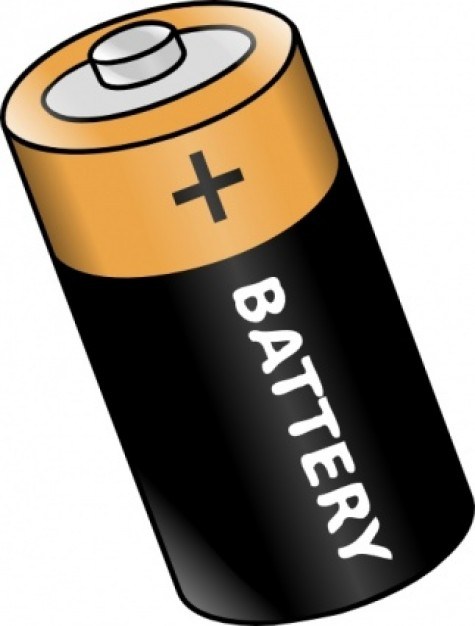
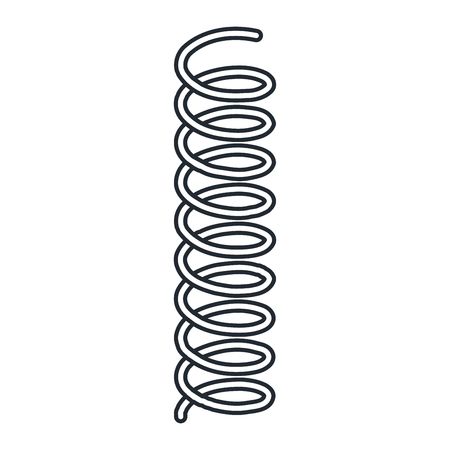
Which picture is NOT an example of Chemical PE?


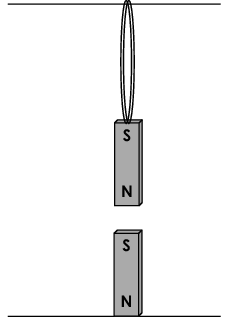
The upper magnet is hung from the top of a box with a rubber band.
The bottom magnet is held in place at the bottom of a box.
What THREE potential energies are affecting this attraction in the picture?
Gravitational, Electrical, Chemical
Gravitational, Elastic, Chemical
Magnetic, Elastic, Chemical
Gravitational, Magnetic, Elastic
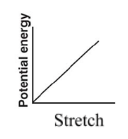
What potential energy is this graph representing?
Electric
Elastic
Magnetic
Gravitational
Which piece of evidence BEST represents Chemical PE being released?
a rubber band flung a far distance
an apple falling from a tree
2 magnets repelling
water temperature increasing
Energy stored because of gravity is called:
Gravitational Potential Energy
Kinetic Energy
Mechanical Advantage
Chemical Energy
At which point does the ball has the greatest gravitational potential energy (GPE)?
A
G
D
C
G
Which would have the LEAST gravitational potential energy (GPE)?
A ball sitting on the ground
Moon viewed from the Earth
An airplane flying 30,000 feet above the ground
A rock sitting on top of Mt. Everest
How could you increase the gravitational potential energy of an object without changing its mass and gravity?
Make the object larger
Lower the object towards the ground
Raise the object farther off the ground
Allow the object to roll on the ground
How could you increase the object's gravitational potential energy (GPE) without changing its distance from the ground (height) and gravity?
Decrease the object's mass
Increase the object's height
Increase the object's mass
Decrease the object's height
____________ is the ability to do work.
Energy
Force
Friction
Motion
When you are holding a book, energy is stored between the book and Earth; this type of energy is called ________ potential energy.
Kinetic Energy
Chemical Energy
Gravitational Potential Energy
Electric Energy
Gravitational potential energy depends on the strength of gravity, ________ and ________ of the object.
height and mass
friction and movement
mass and movement
height and friction

You throw a ball into the air as shown in the diagram. At what point does the ball have the most gravitational potential energy?
W
X
Y
Z

At which position does the child on the swing have the most gravitational potential energy?
W
X
Y
Z

At which point on the roller coaster is the gravitational potential energy the greatest?
W
X
Y
Z

What kind of energy is in a rock at the edge of a cliff?
Gravitational Potential Energy
Kinetic Energy
Both potential and kinetic energy
none of the above
Which is the correct unit for expressing gravitational potential energy?
Joule
Newton
m/s2
meter
Which of the following is the correct equation for calculating an object's gravitational potential energy?
PE = mgh
PE = mg / h
PE = mg + h
PE = gh
What is the value of the Earth's acceleration due to gravity (g)?
9.8 m/s2
100 m/s2
25 m/s2
3.14 m/s2
What is the gravitational potential energy (GPE) of a 1 kilogram book that is 1 meter above the ground?
g = 9.8 m/s2
9.8 Joules
1.0 Joule
0.10 Joule
11.8 m/s2
An amusement park engineer noticed that the roller coaster cart did not make it to the end of the track. He checks and determined that it was not a friction issue with the cart and track. Explain what he needs to do to help the cart reach the end of the track.
Decrease the distance between the first and second hill to build more potential energy.
Add another hill towards the end of the roller coaster to increase the amount of kinetic energy.
Increase the height of the first hill to increase the amount of initial potential energy.
Remove a hill and decrease the added friction at the end of the track.
The NASCAR driver Jimmy Johnson raced around the track at a constant speed of 198 miles per hour. Is there acceleration, yes or no?
Yes, the speed and direction changed
No, nothing changed
Yes, the speed changed
Yes, the direction changed
As the boat reached the dock, it came to a complete stop. Is there acceleration, yes or no?
Yes, direction changed.
No, nothing changed
Yes, speed changed
Yes, both speed and direction changed

Which runner has the greater speed? ________________________
Runner A
Runner B

Frank throws the same ball three different times. The diagram below shows the top speed at which the ball traveled during each throw.
The ball had the most kinetic energy during the first throw.
The ball had the most kinetic energy during the third throw.
The ball had the most kinetic energy during the second throw.
The ball had the same kinetic energy during all three throws.
What is the difference between speed and velocity?
Speed contains direction and velocity does not
Velocity contains direction and speed does not
Speed can be measured and velocity can’t be measured
There is no difference between the two terms

Directions: The graph shows the velocity of moving car over time. During which two intervals did the car have a positive acceleration?
0.0-2.0 s and 8.0 – 10.0 s
4.0-5.0 s and 11.0-12.0 s
5.0-8.0 s and 10.0-11.0 s
4.0-5.0 s and 8.0-10.0 s

Directions: Analyze the distance-time graph and answer the following question. The Point of Reference is the goal post. Which statement corresponds with Segment AB?
We marched in place.
We marched from the goal post to the big tree.
We marched from the big tree to the goal post.
We marched from the school to the goal post.
Which situation is an example of increasing potential energy?
Pulling a wagon uphill
Emptying a bucket of water
A cat jumping from a tree
A bicyclist stopping at a stop sign
Which example best illustrates kinetic energy?
A light bulb that is turned on.
A car that is parked on top of a hill.
A comet that is flying through space.
A battery that is connected to a circuit.
Which of the following is the most accurate description of the relationship between velocity and acceleration?
Velocity and acceleration are the same thing
Velocity is a type of acceleration
Acceleration is a change in velocity
Acceleration is positive and velocity is negative
A Physical Science student wants to measure the speed of a toy car at the bottom of a hill. Which information is needed to calculate speed?
The mass of the car and the height of the hill
The friction of the surface of the hill and the mass of the car
the length of the hill and the time for the car to go down the hill
the length of the car and the time for the car to go down the hill
A metal ball has a constant velocity of zero. Which other quantity must also be zero?
weight of the ball
energy of the ball
acceleration of the ball
inertia of the ball

A roller coaster car moves on a roller coaster track through positions w, x, y, and z. At what position will the roller coaster car most likely have the greatest kinetic energy?
W
X
Y
Z

This graph relates speed and time of four cars (1, 2, 3, 4) traveling along a straight highway. Which two cars move with zero acceleration?
1 and 4
2 and 3
1 and 2
3 and 4

The diagram below shows a model airplane. Which energy transformation occurs in a rubber band powered model airplane when it is flown?
Thermal energy stored in the rubber band is transformed into chemical energy used by the propeller.
Kinetic energy stored in the rubber band is transformed into thermal energy used by the propeller.
Chemical energy stored in the rubber band is transformed into potential energy used by the propeller.
Potential energy stored in the rubber band is transformed into mechanical energy used by the propeller.

