
 Worksheets
6th Grade Units 1 & 2 Review
Total questions: 95
Worksheet time: 2hrs 17mins
What are the non-living components or an ecosystem referred to as?
Abiotic
Biotic
Unknown
Aliens
What type of consumer only eats plants?
Carnivore
Omnivore
Herbivore
Producer
What type of consumer only eats meat/flesh?
Herbivore
Carnivore
Omnivore
Producer
What type of consumer eats BOTH plants and flesh/meats?
Omnivore
Carnivore
Herbivore
Producer
A snake can be classified as which of the following?
Herbivore
Carnivore
Omnivore
Producer

The data showed that all three populations were stable. Then the penguin population decreased suddenly. What will likely happen to the size of the sardine population as a result?
stay the same. The size of its resource population did not change, so the amount of energy storage molecules available for the sardines did not change. There will be the same number of births and deaths in the sardine population.
decrease. A decrease in one population causes a decrease in the sizes of all other populations in the ecosystem.
increase. The smaller penguin population will leave more energy storage molecules available for the sardine population to reproduce more. This will lead to more births in the sardine population.
increase. The smaller penguin population will need fewer energy storage molecules, so they will eat fewer sardines. This will lead to fewer deaths than births in the sardine population.

In a mountain region, tigers eat wild pigs, and wild pigs eat worms. In the last 5 years, the sizes of the populations have been stable, but recently the tiger population has increased. What will likely happen to the worm population?
increase. The larger tiger population will lead to fewer wild pigs. The smaller wild pig population will need fewer energy storage molecules to reproduce, so they will eat fewer worms. This will lead to more births than deaths in the worm population.
increase. An increase in the size of any population leads to an increase in the sizes of all other populations in an ecosystem.
stay the same. Tigers do not eat worms, so the number of births and deaths in the worm population will stay the same.
decrease. The larger tiger population will leave fewer energy storage molecules available in the ecosystem for the worm population, so there will be fewer births in the worm population.
What do birds such as eagles and hawks need energy for?
Flying
Breathing
Digesting Food
All of the above
What do mammals like tigers and zebras need energy for?
Running
Breathing
Reproducing
All of the above

The data showed that all three populations were stable. Then the snail population increased suddenly. What will likely happen to the size of the perch population as a result?
increase. An increase in any population within an ecosystem will lead to an increase in the sizes of all other populations in the ecosystem.
increase. The larger snail population will provide more energy storage molecules for the perch population, so they will reproduce more. This will lead to more births than deaths in the perch population.
stay the same. The size of its consumer population did not change, so the number of deaths in the perch population did not change. There will be the same number of births and deaths in the perch population.
decrease. The larger snail population will take more energy storage molecules from the ecosystem, leaving fewer available for the perch population. This will lead to more deaths than births in the perch population.

In a rainforest, both spiders and frogs eat flies. The sizes of the populations have been stable for the last 10 years, but recently the size of the frog population decreased. What will likely happen to the spider population?
increase. The smaller frog population will leave more energy storage molecules for all other populations in the ecosystem, so all populations will reproduce more. This will lead to more births in the spider population.
increase. More energy storage molecules will be available to the spider population from the larger fly population, so the spider population will reproduce more. This will lead to more births than deaths in the spider population.
stay the same. Frogs and spiders do not eat each other, so the number of births and deaths in the spider population will stay the same.
decrease. A decrease in the size of one population leads to a decrease in the sizes of all other populations in an ecosystem.
An ecosystem is made up of ______ .
living things and their offspring
nonliving things such as rocks and soil
living things and nonliving things
many types of animals
What causes a population size to increase?
The number of births is greater than the number of deaths.
The number of deaths is greater than the number of births.
The number of births and the number of deaths is equal.
What causes a population size to decrease?
The number of births is greater than the number of deaths.
The number of deaths is greater than the number of births.
The number of births and the number of deaths is equal.
If the population size stays stable, does this mean that no organisms have been born or died?
Yes, because if organisms were born or died that would change the number of organisms in the population.
No, because if some organisms are born and the same number of organisms die, then the total population size can stay constant.
Yes, because some organisms never die, so they don't need to reproduce.
No, because all organisms will give birth and then die.

Based on this graph, what must be true about the US honeybee population?
There are more births than deaths occurring.
There are more deaths than births occurring.
There is an equal number of deaths and births occurring.
People don't like honeybees.
When something remains mostly the same over time it is said to have....?
Uneventful
Potential Energy
Stability
Boring
A large population of squirrels lives in a forest. In the last 50 years, the size of the squirrel population has stayed the same. What must be true about the squirrel population during the last 50 years?
No squirrels were born and no squirrels died.
Humans started protecting the squirrel population so they stopped dying.
The squirrels did not have any baby squirrels during these years.
The number of squirrels that were born was the same as the number of squirrels that died.
A consumer population is the population that....
is eaten by others.
eats others.
A resource population the population that....
gets eaten by others
eats others.
If the resource population decreases, then the consumer population will....
Increase
Stay the same
Decrease
If the consumer population decreases, the resource population will....
Increase
Stay the same
Decrease

The diagram above is called a food web. It shows the relationship between foxes and voles. What does the food web show?
foxes eat voles
voles eat foxes
voles compete with foxes
foxes compete with voles

Foxes eat small animals called voles. In southern Sweden, scientists observed that when the vole population decreased, what will happen the fox population?
Population will decrease
Population will remain stable
Population will increase

Energy storage molecules are:
molecules required only for the birth rate
potatoes
a molecule organisms use to stabilize a population
a molecule that organisms can use to release the energy needed to survive
Which picture accurately shows a "population"?


Which 2 pictures most accurately show an "ecosystem"?
What is a scientific word that refers to new organisms being made?
Reproduce
Renovate
Expire
Subsist

A population of bluefish lives in the Gulf of Mexico. Over the last 50 years, the size of the bluefish population has decreased. What best explains the decrease in the size of the bluefish population?
A lot of bluefish died and no new bluefish were born.
More bluefish were born than died.
Fewer bluefish were born than died.
The bluefish population is always decreasing because bluefish are always being eaten.

A population of tigers lives in Bangladesh. Over 50 years, the size of the tiger population increased. What best explains the increase in the size of the tiger population?
A lot of tigers were born and none of them died.
The tiger population is always increasing because no animal eats tigers.
Fewer tigers were born than died.
More tigers were born than died.
An ecosystem is made up of ______ .
living things and their offspring
nonliving things such as rocks and soil
living things and nonliving things
many types of animals
What causes a population size to increase?
The number of births is greater than the number of deaths.
The number of deaths is greater than the number of births.
The number of births and the number of deaths is equal.
What causes a population size to decrease?
The number of births is greater than the number of deaths.
The number of deaths is greater than the number of births.
The number of births and the number of deaths is equal.
If the population size stays stable, does this mean that no organisms have been born or died?
Yes, because if organisms were born or died that would change the number of organisms in the population.
No, because if some organisms are born and the same number of organisms die, then the total population size can stay constant.
Yes, because some organisms never die, so they don't need to reproduce.
No, because all organisms will give birth and then die.
Based on this graph, what must be true about the US honeybee population?
There are more births than deaths occurring.
There are more deaths than births occurring.
There is an equal number of deaths and births occurring.
People don't like honeybees.
When something remains mostly the same over time it is said to have....?
Uneventful
Potential Energy
Stability
Boring
A large population of squirrels lives in a forest. In the last 50 years, the size of the squirrel population has stayed the same. What must be true about the squirrel population during the last 50 years?
No squirrels were born and no squirrels died.
Humans started protecting the squirrel population so they stopped dying.
The squirrels did not have any baby squirrels during these years.
The number of squirrels that were born was the same as the number of squirrels that died.
A consumer population is the population that....
is eaten by others.
eats others.
The diagram above is called a food web. It shows the relationship between foxes and voles. What does the food web show?
foxes eat voles
voles eat foxes
voles compete with foxes
foxes compete with voles
Foxes eat small animals called voles. In southern Sweden, scientists observed that when the vole population decreased, what will happen the fox population?
Population will decrease
Population will remain stable
Population will increase
Energy storage molecules are:
molecules required only for the birth rate
potatoes
a molecule organisms use to stabilize a population
a molecule that organisms can use to release the energy needed to survive
Which picture accurately shows a "population"?
Which 2 pictures most accurately show an "ecosystem"?
What is a scientific word that refers to new organisms being made?
Reproduce
Renovate
Expire
Subsist
A population of bluefish lives in the Gulf of Mexico. Over the last 50 years, the size of the bluefish population has decreased. What best explains the decrease in the size of the bluefish population?
A lot of bluefish died and no new bluefish were born.
More bluefish were born than died.
Fewer bluefish were born than died.
The bluefish population is always decreasing because bluefish are always being eaten.
A population of tigers lives in Bangladesh. Over 50 years, the size of the tiger population increased. What best explains the increase in the size of the tiger population?
A lot of tigers were born and none of them died.
The tiger population is always increasing because no animal eats tigers.
Fewer tigers were born than died.
More tigers were born than died.

Check all the things that could be found in an ecosytem.
animals
plants
rocks
streams

living things, such as plants, animals, and bacteria are called
organisms
organ systems
organ music
organizations

when two or more populations use the same resource, such as the same food source
competition
completion
cooperation
consumerism

Check all the following that are organisms.
elk
soil
bacteria
pine trees

A consumer population is
a population that eats organisms from another population
a population that is eaten by organisms from another population
a population that uses up more energy than other populations
a population that gets it's energy all from plants

What is a molecule that organisms can use to release the energy they need to survive
an energy storage molecule
a water storage molecle
an internal storage molecule
any storage molecule

How can we define energy?
as the ability to make things move or change
as the ability to go up or down
as the ability to rise or fall
as the ability to go in circles

Check all of the energy storage molecules:
glucose
fats
proteins
water

A model that shows what eats what in an ecosystem is a
food web
food chain
food fight
food court

What is a population?
a group of the same type of organism living in the same area
a group of similar organisms in an ecosystem
a group of people attending a movie
a group of different types of organisms in the same area

Which of the following is a type of organism that is a resource population?
grass
mice
lions
krill

a small part that is meant to show what the whole is like
a sample
a bit
a piece
a molecule

a group of the same type of organism living in the same area
population
populist
popcorn
pop music
Choose all the factors that affect an increase or decrease in a population.
availability of food sources
deaths
births
scientific name
A ________ depends on its ____ for getting its energy molecules (fats, carbohydrates and proteins)
predator/prey
organism/predators
person/friends
crustacean/shell
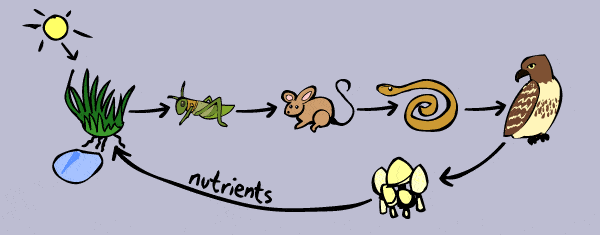
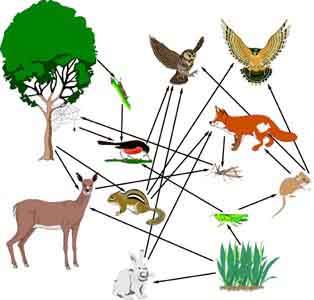
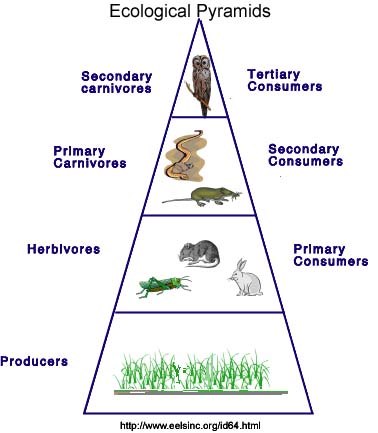
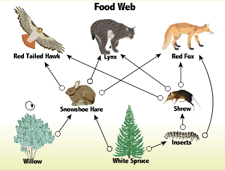


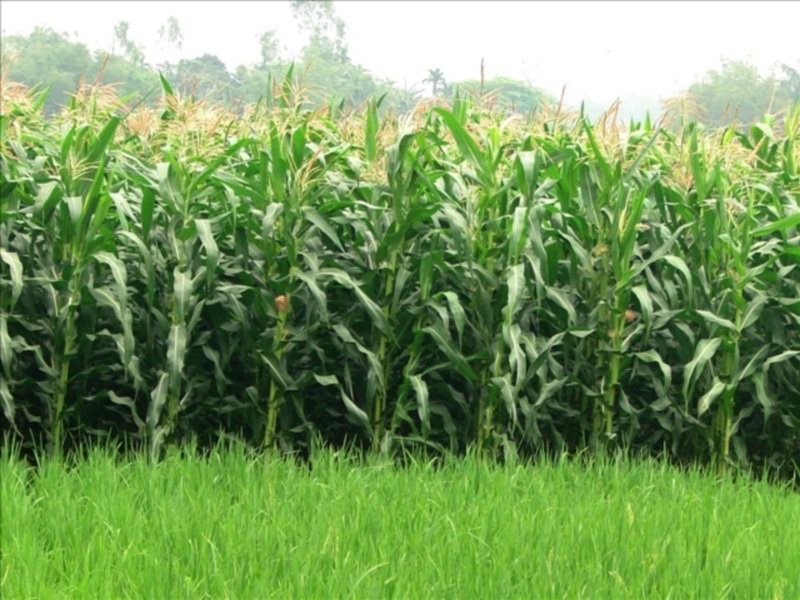
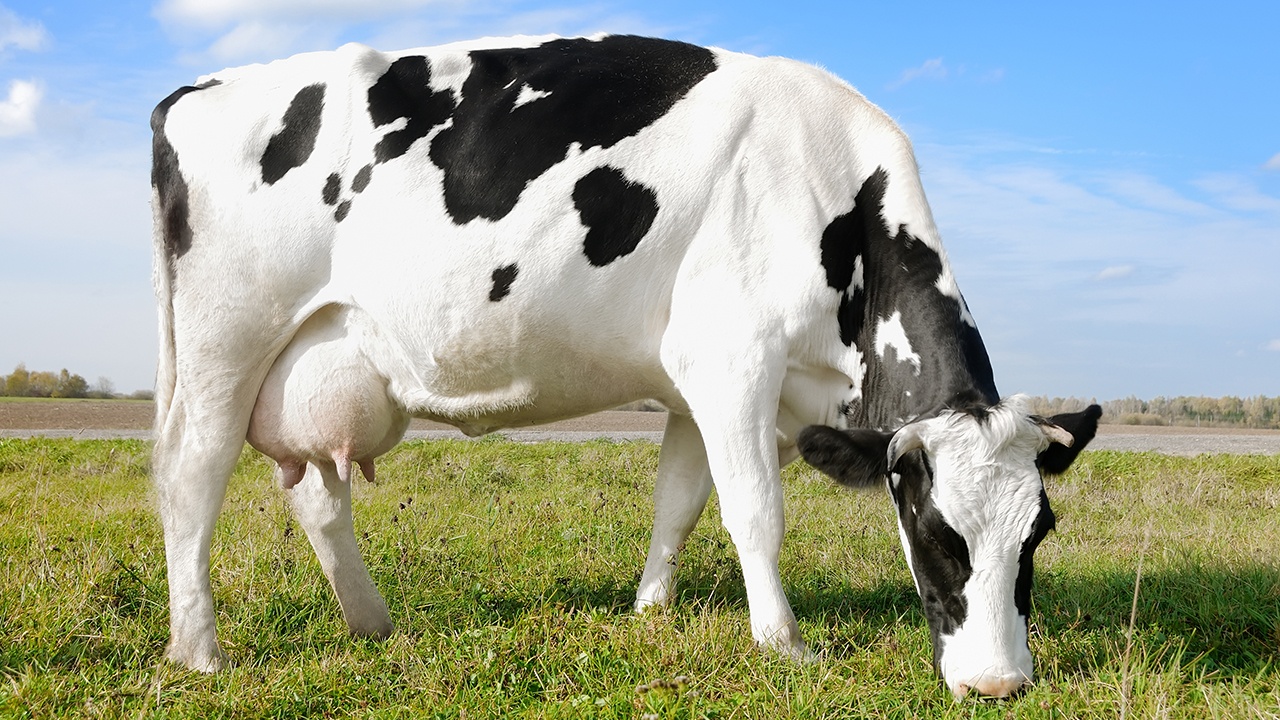

Identify the producer in the image above.
Grass
Grasshopper
Frog
Snake
Eagle
Many organisms are (a) —so small that they cannot be seen with the naked eye. All living things are made of (b) . Almost all cells are (c) . Even though they are both too small to see, (d) are much bigger than (e) .
Many organisms are (a) —so small that they cannot be seen with the naked eye. All living things are made of (b) . Almost all cells are (c) . Even though they are both too small to see, (d) are much bigger than (e) .
A closed ecosystem made by humans
Earth
biodome
biopic
mitosis
An organism that gets energy storage molecules by breaking down dead matter
primary consumer
secondary consumer
producer
decomposer
Matter that makes up the living and dead organisms in an ecosystem.
abiotic
mitosis
biotic
photosynthesis
The part of the cell where photosynthesis happens
mitochondria
nucleus
ribosome
chloroplast
The chemical reaction between oxygen and glucose that releases energy.
photosynthesis
carbonation
oxygenation
cellular respiration
A molecule made of carbon and oxygen atoms
carbon dioxide
energy storage molecules
oxygen
carbon
An organism that needs to eat in order to get energy storage molecules.
producer
consumer
decomposer
dead matter
Living things, such as plants, animals, and bacteria.
ecosystem
matter
organisms
atoms
The process by which plants and other producers use energy from sunlight to change carbon dioxide and water into oxygen and glucose.
cellular respiration
mitosis
metamorphasis
photosynthesis
An organism that can make its own energy storage molecules.
producer
primary consumer
secondary consumer
decomposer

The sun has been up for several hours, and it has been shining on these trees. What can the trees do because they are in sunlight? What does this mean for the number of energy storage molecules in the trees?
give off carbon to the air. Giving off carbon allows them to make energy storage molecules.
give off carbon to the air. Giving off carbon uses up energy storage molecules
take in carbon from the air. The carbon is used to make energy storage molecules.
take in carbon from the air. The carbon is used to break down energy storage molecules.
Scientists are studying photosynthesis in a forest ecosystem that has plants, animals, and decomposers (which consume dead things). Which group or groups of organisms in the forest carry out photosynthesis?
all organisms in the forest
animals and decomposers
plants and decomposers
plants

This tortoise is eating cactus on a sunny day. Is carbon moving into the air, moving out of the air, or both?
Carbon is not moving into the air; it is only moving out of the air.
With this information, there is no way to know for sure.
Carbon is only moving into the air; it is not moving out of the air.
Carbon is moving into the air and out of the air at the same time.

What gas is taken in during photosynthesis?
Argon
Nitrogen
Oxygen
Carbon dioxide

Where does the energy for photosynthesis come from?
carbon dioxide
oxygen
the sun
glucose

Decomposers are important to ecosystems because they...
return vital nutrients to the ecosystem
capture energy from the Sun
are producers
can be omnivores

What happens to the amount of carbon in an ecosystem as it moves through an ecosystem?
Amount of Carbon increases
Amount of Carbon decreases
Amount of Carbon stays the same
New Carbon is created when old carbon decomposes

What do animals take in during cellular respiration?
Sugar and carbon dioxide
Sugar and Oxygen
Carbon dioxide and water
Oxygen and Water

In the energy pyramid, the organism with the least amount of energy available is the (a) .
Match the following terms with their definitions in an ecosystem:
Herbivores
Primary consumers
Carnivores
Secondary consumers
Omnivores
Consumers that eat both plants and animals
Decomposers
Organisms that break down dead material
In the energy pyramid below, which organism has the most amount of energy available?
Producers
Herbivores
Carnivores
Top Predator

