
 Worksheets
23-24 First Semester
Total questions: 128
Worksheet time: 6hrs 52mins
Carbohydrate
monosaccharide
Lipid
Fatty acids and glycerol
Protein
amino acids
Nucleic Acid
nucleotides
Structure in plant and fungus cell walls
Carbohydrate
Main component of cell membrane
Lipid
used for structure and to speed up chemical reactions
Protein
Holds the genetic code for living organisms
Nucleic Acids
CHO
1:2:1 ratio
Carbohydrates
CHO
More C than O
Lipids
CHON
Proteins
CHONP
Nucleic Acids
Reorder the following from the simplest to the most complex.
Cells
Tissues
Organs
Organ Systems
Organism
Which element is the cornerstone element of all organic organisms?
Carbon
Hydrogen
Oxygen
Nitrogen

Monosaccharide

Glycerol and Fatty Acid

Amino Acid

Nucleotide

active transport
endocytosis
passive transport
phagocytosis

When cells form a vesicle to RELEASE materials out of a cell, which form of transport is occurring?
Endocytosis
Exocytosis
Facilitated Diffusion
Osmosis

The sodium-potassium pump requires energy to move ions across the cell membrane against their concentration gradient so it is a type of.....
active transport
osmosis
diffusion
facilitated diffusion

The picture is an example of _________________.
osmosis
facilitated diffusion
diffusion
active transport
Some molecules need the HELP of membrane proteins to move molecules from areas of high concentration to areas of low concentration.
active transport
facilitated diffusion
diffusion
osmosis
An abnormal amount of cancer cells is called a
tumor
cyst
lesion
polyp
What is the purpose of the cell cycle checkpoints?
To ensure cells are functioning and fit before being allowed to advance to the next phase of the cell cycle.
To provide nutrition to the cell as they journey through the cell cycle
Cell cycle checkpoints serve no apparent function.
Why do organisms use the cell cycle?
to grow and replace dead cells
to make sugar
to get energy
to make unique cells
The reactants of photosynthesis
CO2
CO2, H2O
CO2, H2O, Sunlight
none of the above
The products of cellular respiration
CO2
CO2, H2O
CO2, H2O, glucose
CO2, H2O, ATP
The products of photosynthesis
CO2, H2O, sunlight
CO2, H2O, ATP
O2, Glucose
CO2, Glucose
Location for photosynthesis
mitochondria
chloroplasts
cytoplasm
vesicle


Why are many plants green?
plant cells are green
plants absorb green light
chlorophyll reflects green light
rigid cell walls are green
Which statement about photosynthesis is correct?
Plants get the energy they need for photosynthesis from water.
Plants get the energy they need for photosynthesis from soil.
Plants get the energy they need for photosynthesis from sunlight.
Plants do not require energy to perform photosynthesis.
The enzymes work better after they are heated excessively.
The shape of the enzyme is altered and the enzyme denatures.
The amino acid sequences of the enzymes change.
The enzymes remain the same
Can a change in pH alter the active site of an enzyme?
yes
no
Prokaryotic cells do not have_____.
DNA
Cell Membrane
Cytoplasm
Nucleus
Which of these structures can be found in both prokaryotes AND eukaryotes?
Nucleus
Chloroplasts
Organelles
Ribosomes
Examples of prokaryotic organisms would include___________________?
Fungi
Animals
Plants
Bacteria
Which is not true of the cell theory?
All living organisms are composed of cells.
All cells have a nucleus, which acts like the brain of the cell.
All cells come from preexisting living cells.
The cell is the most basic part of a living organism.
Homeostasis in a cell is a way for a cell to stay_____.
Balanced
Growing
Dividing
Protected
All viruses are different, but what are two parts that a virus must have?
Genetic Information (DNA or RNA)
a lipid membrane
a nucleus
a protein coat

Which of these statements is true?
Viruses are unicellular; they have only one cell.
Viruses may sometimes be multicellular; they have many cells.
Viruses are not made of cells.
Which statement is true?
Viruses have a nucleus, but no other organelles.
Viruses have a nucleus and ribosomes.
Viruses have no organelles because they are non-living and are not made of cells.

Cell membranes of living organisms are made of a bilayer (2 layers) of
lipids
proteins
carbohydrates
nucleic acids
_____________ controls what enters or leaves the cell.
Cell Wall
Cell Membrane
Nucleus
Mitochondria
To provide protection and structure for the plant cell is a function of _________.
Large Central Vacuole
To store water, glucose (sugar), materials (building blocks), or wastes is a function of _________.
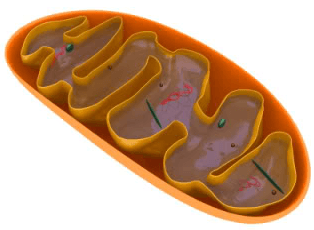
What are tiny organelles that convert glucose into ATP during aerobic cellular respiration?
Ribosomes
Vesicles
Cytoskeleton
Mitochondria
Plant and animal cells are examples of
prokaryotic cells
eukaryotic cells
The smallest unit of life in a living thing is
an atom
a cell
DNA
an organelle
Which cell type tends to be smaller?
Prokaryote
Eukaryote
there is not a size difference
Which of the following provides evidence for the hypothesis that prokaryotes evolved before eukaryotes.
prokaryotes are more complex
prokaryotes are simple in their structure, having no nucleus or other membrane-bound organelles
eukaryotes are multicellular which makes them simpler
prokaryotes turn into eukaryotes later in life
Put the following actions in the cell cycle in order:
Cell grows
DNA replicates
Cell prepares for mitosis
Division of nucleus
Division of cytoplasm
Put the following phases of the cell cycle in the correct order:
G1
S
G2
Mitosis
Cytokinesis
Put the following stages of mitosis in order:
Prophase
Metaphase
Anaphase
Telophase
Place the following cells in the correct order for the M Phase of the cell cycle:


Prophase
Nuclear envelope breaks down
Nucleolus disappears
Chromatin condenses into chromosomes
Metaphase
Chromosomes line up at cell's equator
Spindle fibers attach to the centromere of sister chromatids
Anaphase
Spindle fibers shorten
Centromeres are separated
Chromatids are pulled to opposite poles of the cell
Telophase
Cell membrane pushes inward creating a cleavage furrow
Nuclear envelope reforms
Chromosomes uncoil
Cytokinesis
Separation of the cytoplasm
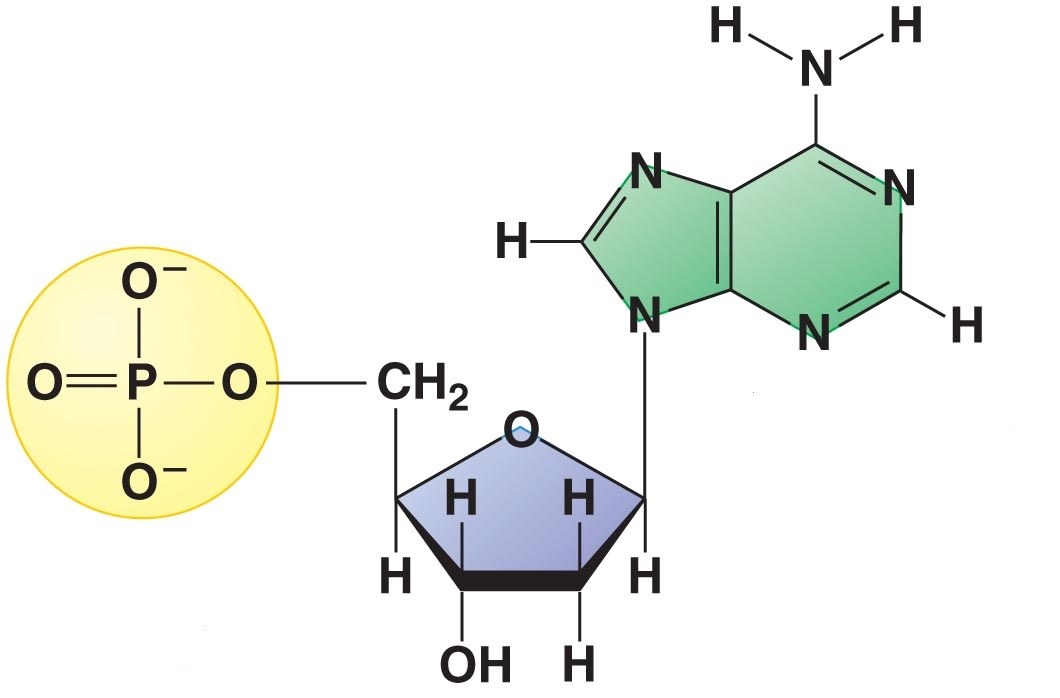
Name this structure
double helix
nucelotide
twisted ladder
hydrogen bond

An organism's DNA is usually found in the ___________.
cell membrane
vacuole
ribosome
nucleus

Which of the following best describes a DNA molecule?
double helix
contains ribose
made of amino acids
contains Uracil

What are the proper complementary base-pairs?
A--T and G--C
A--G and C--T
G--T and A--C
A--C and T--G

During which part of the cell cycle is DNA copied?
Mitosis
Cytokinesis
S phase

A process in which DNA has the unique ability to make an exact copy of itself.
Replication
Translation
Transcription

What determines the code, or information, of a DNA molecule?
the shape (structure) of the nitrogen bases
the order (sequence) of the nitrogen bases
the color of the nitrogen bases
In what molecule is the energy carried in cells?
Glucose
Oxygen
ATP
Carbon Dioxide
In which organelle does aerobic cellular respiration happen?
Nucleus
Mitochondria
Chlorophyll
Chloroplast
What materials GO INTO cellular respiration? Choose all correct answers.
Glucose
ATP
Oxygen
Carbon Dioxide
Water
Reorder the following from least complex to most complex:
Cells
Tissues
Organs
Organ Systems
Organisms
Match the following:

Cell

Tissue

Organ

Organ System

Organism
What is the most basic unit of life?
Cell
Atom
Molecule
Organism
Reorder the following from least complex to most complex
Organism
Population
Community
Ecosystem
Biome
What type of cell has a nucleus? (a)
Plant and animal cells are examples of (a)
Which of the following structures is ALWAYS found in both eukaryotic and prokaryotic cells? (a)
Which of the following is only found in EUKARYOTIC cells? (a)
PROKARYOTIC cells do NOT have
membrane bound organelles
cell membrane
DNA
ribosomes
The smallest unit of a living thing are
atoms
cells
DNA
organelles

Which type of cell developed first?
Prokaryotic Cells
Eukaryotic Cells
Which cell type tends to be smaller?
Prokaryote
Eukaryote
there is not a size difference
Bacteria is an example of a(n)
prokaryotic cell.
eukaryotic cell.
Membrane-bound organelles are found in
prokaryotic cells.
eukaryotic cells.
both
Which of the following provides evidence for the hypothesis that prokaryotes evolved before eukaryotes.
prokaryotes are more complex
prokaryotes have no nucleus and fewer genes
eukaryotes are multicellular which makes them simpler
prokaryotes mature into eukaryotes


The flu is caused by a virus.


Name this phase

Name this phase
Cytokinesis
Interphase
Anaphase
Metaphase

Name this phase


Can a change in pH alter the active site of an enzyme
yes
no

What is indicated by letter C?
enzyme
product
substrate
active site
What is indicated by letter B?
enzyme
product
substrate
active site
What category of molecule does DNA and RNA belong to?
carbohydrates
lipids
nucleic acids
proteins
What are the building blocks of RNA and DNA?
monosaccharides
amino acids
fatty acids
nucleotides
What is a nucleotide made of?
one glycerol and three fatty acids molecules
an amino group and a carboxyl group
monosaccharides and disaccharides
a 5-carbon sugar, a phosphate group and a nitrogen base

Which of the following is a characteristic of both eukaryotic and prokaryotic cells?
contains ribosomes
contains a nucleus
contains several membrane bound organelles
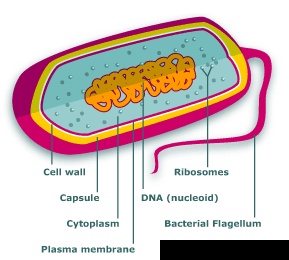
What type of cell is in the diagram?
Prokaryote
Eukaryote
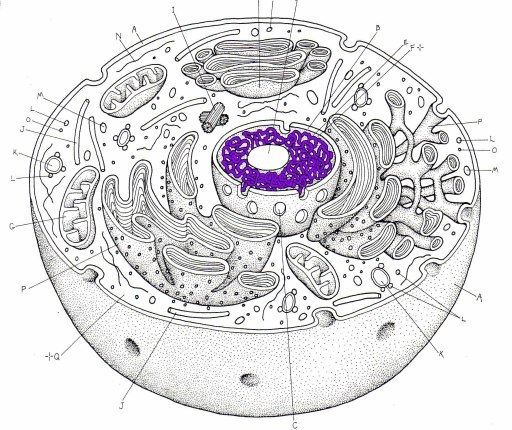
What kind of cell is in the diagram?
Eukaryotic
Prokaryotic

