
Font size
 Worksheets
Systems Quiz
Total questions: 85
Worksheet time: 4hrs 15mins

The intestines take the _____ from the food.
nutrients
tongue
teeth

The _____ is the first part of the digestive system.
large intestine
stomach
mouth
What does the small intestine do?
reabsorbs the water after the process of the system.
Absorbs most of the end of the nutrients and minerals from where the food takes place.
keeps the stomach in balance for when the system starts.
Absorbs most of the food that's left from the process.

Which is the esophagus?
A
B
C
D
What kind of nutrients help your body with chemical reactions?
vitamins
protien
carbohydrates
water
Saturated and Unsaturated are 2 examples of what kind of nutrient?
protien
water
fat
vitamin
Calcium is an example of what kind of nutrient?
vitamin
mineral
protien
water


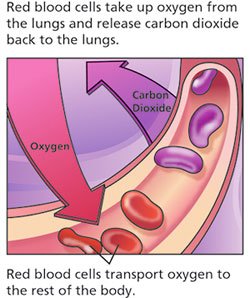


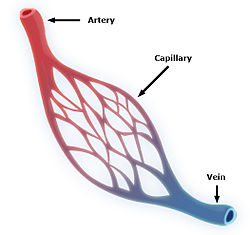

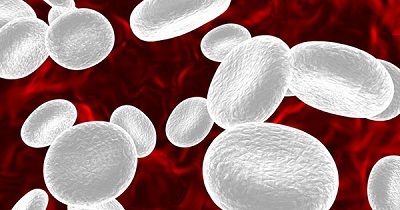


Alveoli have very thick walls to maximise the distance that gases have to move.
True
False


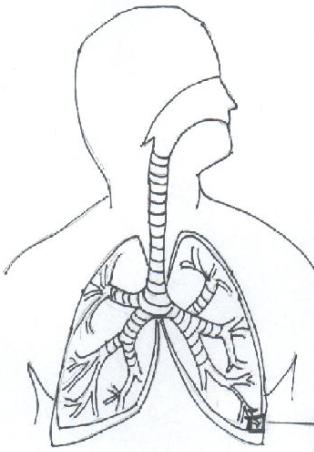

When the gasses are exchanged between the alveoli in the lungs and the capillaries, oxygen enters the blood stream. What happens with this oxygen?
Oxygen in the blood is delivered to the lungs to be exhaled.
Oxygen in the blood is delivered to the nose to be exhaled.
Oxygen in the blood is delivered to the tissues and cells of the body to help make energy.
Oxygen in the blood is a waste that needs to be removed from the boyd.
Cellular Respiration is
when cells inhale oxygen and exhale CO2
when cells use oxygen and nutrients to make all the energy your body needs (CO2 and wastes are created).
when cells use CO2 and nutrients to make all the energy your body needs (Oxygen and wastes are created).
breathing

Why does CO2 build up (or increase) inside your lungs when you hold your breath? (Choose the BEST answer.)
Because the circulatory system is still pumping blood by your lungs.
Because your lung always have CO2 in them.
Because the circulatory system is still pumping blood and delivering CO2 to your lungs, even if you don't exhale it.
Because the circulatory system is still pumping blood and delivering Oxygen to your lungs, oxygen created as waste in cells.

What are the main functions of the excretory system?
deliver oxygen to the body
deliver nutrients to the body
remove water and waste from the body
remove disease from the body
Which organs help to remove waste from the body?
Lungs, stomach, bladder, and kidneys
Lungs, heart, bones, and bladder
Lungs, large intestine, bladder and kidneys
Lungs, esophagus, bladder and kidneys
Which organ(s) remove waste gases?
Bladder and kidneys
Lungs
Large intestine
Which organ(s) filter blood and store liquid waste?
Bladder and kidneys
Large Intestine
Lungs
Which organ(s) absorb excess water and store solid waste?
Bladder and kidneys
Large Intestine
Lungs

What is organ is #1?
Kidney
Stomach
Bladder
Heart
What organ is #3?
Kidney
Stomach
Bladder
Heart
True or False:
Kidneys filter waste from blood.
True
False
I mix everything up with my acids
stomach
pancreas
large intestine
I am the largest organ inside the body
stomach
liver
small intestine
I look like a sleeping snake
colon
small intestine
esophagus
I am like a long slide
esophagus
small intestine
large intestine

What is the job of your excretory system?
To bring oxygen into your body
To pump blood around the body
To break down food
To remove waste from your body

Which of the following is NOT part of your excretory system?
Heart
Lungs
Kidneys
Skin

Blood is cleaned by which organs?
Lungs
Ribs
Kidneys
Intestines

Why is your skin part of the excretory system?
Sweating gets rid of salt and water
Exhaling releases carbon dioxide
Sweating gets rid of carbon dioxide
The large intestine releases feces

The job of your kidneys is to...
Create feces
Take carbon dioxide out of your blood
Put oxygen into your blood
Clean blood, sending waste to bladder
Protects the body, regulates body temperature
Integumentary
Nervous
Skeletal
Muscular
Carries oxygen and nutrients to all parts of the body.
Integumentary
Nervous
Circulatory
Respiratory
Allows movement in the body
Integumentary
Nervous
Skeletal
Muscular
Receives stimuli and transports impulses, coordinates actions and reactions in the body
Integumentary
Nervous
Circulatory
Respiratory
Supports and provides structure for the body
Skeletal
Muscular
Circulatory
Respiratory
Supplies blood with oxygen and rids the body of carbon dioxide
Integumentary
Nervous
Circulatory
Respiratory

What blood type do you need to be a universal donor?
Type AB+
Type O-
Type B-
Type A-
Main Organs: Skin
Integumentary
Nervous
Skeletal
Muscular
Main Organs: Heart and blood vessels
Integumentary
Nervous
Circulatory
Respiratory
Main Organs: Muscles
Integumentary
Nervous
Skeletal
Muscular
Main Organs: Brains, spinal cord, nerves
Integumentary
Nervous
Circulatory
Respiratory
Main Organs: Bones and joints
Skeletal
Muscular
Circulatory
Respiratory
Main Organs: Lungs
Integumentary
Nervous
Circulatory
Respiratory

How much does the adult human brain weigh?
About 1 pound
About 2 pounds
About 3 pounds
About 4 pounds

Integumentary
Nervous
Skeletal
Muscular

Integumentary
Nervous
Circulatory
Respiratory

Integumentary
Nervous
Skeletal
Muscular

Integumentary
Nervous
Circulatory
Respiratory

Skeletal
Muscular
Circulatory
Respiratory

Integumentary
Nervous
Circulatory
Respiratory

