
 Worksheets
Body Systems digestive respiratory circulatory endocrine
Total questions: 52
Worksheet time: 26mins
What type of digestion takes place in the stomach?
mechanical
chemical
both mechanical and chemical
Where does the process of digestion begin?
mouth
esophagus
stomach
small intestine
What enzyme is found in saliva that starts digesting carbohydrates?
amylase
chyme
pepsin
bile
Where does the absorption of nutrients from food take place?
stomach
liver
small intestine
large intestine
What makes the small intestine have such a large surface area?
21 feet long
villi
microvilli
all answers contribute
What chemically breaks down food into smaller molecules?
teeth
muscles of the stomach
enzymes
What are the rhythmic muscular contractions of your esophagus called to help food move along?
swallowing
peristalsis
inertia contractions
paralysis
Where is bile produced?
Kidney
Pancreas
Liver
Small intestine

What are these structures call that are found on the lining of the small intestine?
Gallbladder
Villi
Sphincter
Duodenum
What is the function of the teeth and tongue
chemical digestion
break down food
mechanical digestion
they only chew food
This organ absorbs water from digested food
small intestine
stomach
villi
large intestine
This organ produces several enzymes that chemically break down food, food does not pass through this organ
liver
pancreas
gall bladder
stomach

What is the muscular tube that moves food from the mouth to the stomach?
Uvula
Esophagus
Palate
Salivary glands
The __________ is where digestion begins.
Stomach
Small Inestine
Mouth
Liver
What are the functions of the digestive system? Select ALL that apply:
What is the correct order of processes by which nutrients, energy, and waste from food are handled by organisms?
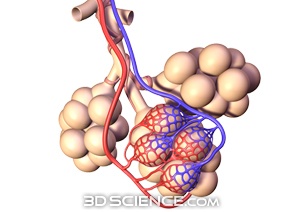
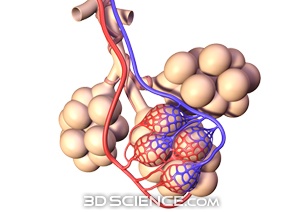
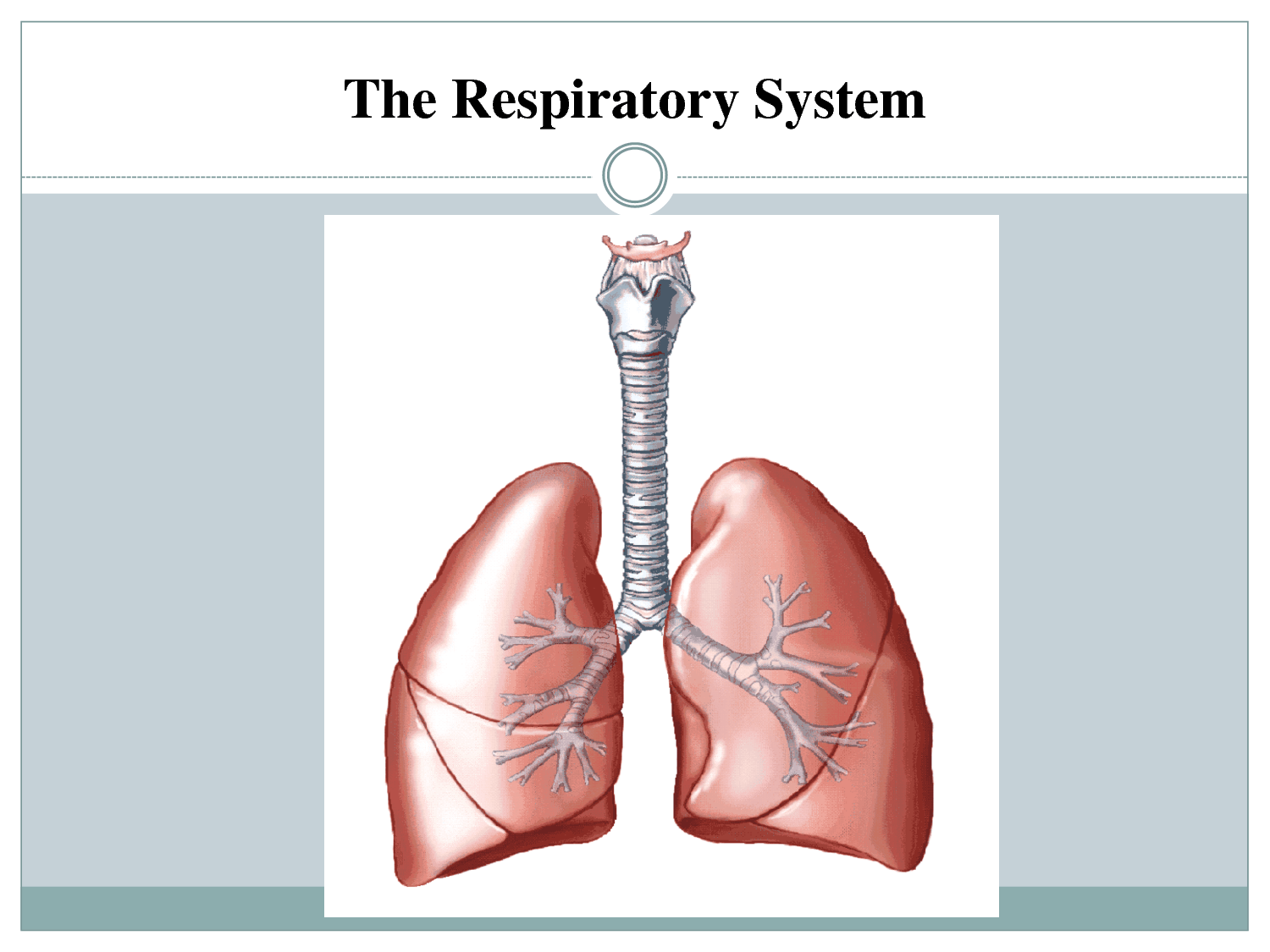
The division of the trachea forms
nose
main bronchi
lungs
alveoli
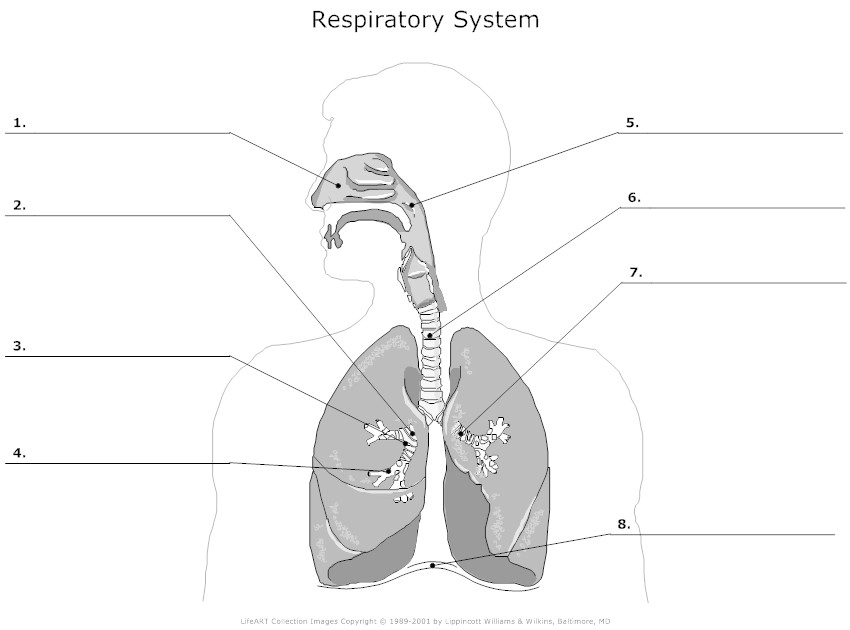
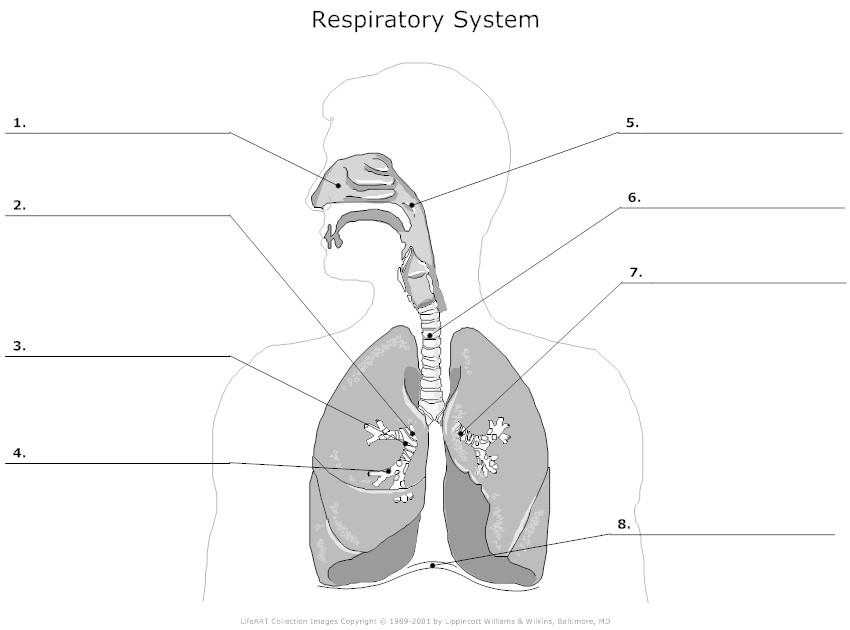
When air is pushed OUT of the lungs, what is the correct order for the tubes it passes through?
bronchiole -> bronchi -> trachea -> nose
bronchi -> bronchiole -> trachea -> nose
trachea-> bronchi -> bronchiole-> nose
Gaseous exchange happens because of...
Osmosis
Respiration
Diffusion
Semi-permeable membranes

What type of cells carry oxygen in the blood?
red blood cells
white blood cells
From which chamber of the heart does blood leave to go to the lungs?
lower ventricle
upper ventricle
left ventricle
right ventricle
Which type of blood vessel carries blood away from the heart?
arteries
ventricles
aorta
veins
The upper chambers of your heart are called ______
atrium
ventricle
vesticle
artery
A _____ is a blood vessel that carries blood to the heart
blood vessel
artery
vein
capillary
Which of the following organs fits the definition?
•they carry oxygen and nutrients away from your heart to your bodies tissues
veins
arteries
lungs
heart
Which of the following organs fits the definition?
-carry deoxygenated blood from the body to the heart so that the system can renew and be sent to the lungs
heart
arteries
veins
lungs
Arteries, Veins, and capillaries are 3 types of ____
systems
cells
organs
blood vessels
What are the smallest blood vessels that exchange gases, nutrients and wastes with the cells of the body?
arteries
veins
capillaries
What are the functions of valves in the circulatory system?
stimulate the heartbeat
accelerated blood flow
prevent the backward flow of blood
serve as a cushion for friction
What part of the blood carries minerals, vitamins, sugar, and other foods to the body's cells?
Plasma
Platelets
Red blood cells
White blood cells
The heart receives deoxygenated blood from the body into the
right atrium
right ventricle
left atrium
left ventricle
When the heart contracts, the right ventricle will pump the blood into the _____, where the CO2 is replaced with oxygen,
heart
lungs
aorta
vein
After the exchange of materials in the lungs, the blood containing fresh ____ flows into the left atrium.
oxygen
CO2
nutrients
iron
Oxygenated blood will flow from the left atrium into the
aorta
left ventricle
right atrium
right ventricle

What is blood pressure?
Pressure of the blood against the walls of the veins.
Pressure of the heart pushing the blood out.
Pressure of the heart receiving blood.
Pressure of the blood against the walls of the arteries.
How many chambers does the human heart have?
one
two
three
four
What are the flaps of tissue found in veins, that prevent blood from flowing backward.
valves
platelets
ventricle
antibodies
A group of cells located in the right atrium responsible for sending signals to other chambers causing them to contract is
start cells
nucleus
switch
pacemaker

The alternating expansion and relaxation of the artery wall caused by contraction of the left ventricle is
blood pressure
pulse
blood reading
palpitation
An iron-containing protein found in red blood cells is
hemoglobin
red pigment
platelets
erythrocyte
Platelets are important for which process?
fighting bacteria
carrying oxygen
recycling water
clotting
What is the purpose of the PULMONARY circuit?
pick up carbon dioxide waste from cells around the body
deliver oxygen to cells in the body
Bring blood to the lungs to exchange gases
none of the above
The aorta is a large blood vessel that carries oxygen-rich blood from the left ventricle out to the body. What type of blood vessel is the aorta?
artery
vein
capillary
vena cava

