
 Worksheets
Energy & Cycles Review
Total questions: 65
Worksheet time: 1hrs 14mins
An organism that produces its own food supply from inorganic compounds is called a(n):
heterotroph
consumer
detritivore
autotroph
What is the term for each step in the transfer of energy between members of a biological community?
energy path
food web
trophic level
food section

Only ____ of organism energy is passed on to the next trophic level of an ecosystem as you move up the energy pyramid.
10%
1%
100%
20%
90%
Organisms that break down and absorb nutrients from dead organisms are:
consumers
trophic level
saprotrophs
producers
What are the products/outputs of photosynthesis?
water and carbon dioxide
oxygen and glucose
oxygen and carbon dioxide
oxygen and water
Which of the following is the correct equation for PHOTOSYNTHESIS?
CO2 + light + H2O --> O2 + Sugar
CO2 + sugar + H2O --> O2 + light
O2 + light + H2O --> CO2 + Sugar
CO2 + O2 + H2O --> Light+ Sugar
Excess Carbon Dioxide seeps into the ocean and is causing a drop in pH. Which chemical is being created that is causing the pH drop?
hydrochloric acid
nitric acid
carbonic acid
sulfuric acid
The process that occurs when concentrations of a harmful substance increases in organisms at higher trophic levels in a food chain or food web:
Bioremediation
Predation
Biomagnification
Accumulation
Eutrophication is caused by:
a severe drop in the temperature of the water
excess clay particles in the water column
excess nutrients such as nitrogen and phosphorus
an oil spill that concentrates on the ocean surface
How can an algal bloom (eutrophication) lead to a decrease in dissolved oxygen?
Algae is a heterotroph and consumes more oxygen than it produces.
Decreased temperature limits photosynthesis below the surface.
Bacteria consume oxygen as they decompose dead algae and other organisms.
Decomposers that would have produced oxygen are killed by algae.
The two critical nutrients in eutrophication are... (select two)
nitrates
phosphates
carbon dioxide
dissolved oxygen
Only a small fraction of the water on Earth is fresh water.
Where is MOST of the fresh water on Earth located?
in underground aquifers
in polar ice caps/glaciers
lakes and rivers
the atmosphere
Which of the following toxins tends to bioaccumulate in the tissue of fish and other aquatic organisms (toxin affects the nervous system)?
Boron
Mercury
Triphosphate
Asbestos
Which choice contains correct items that can increase nitrate or phosphate levels in a lake?
Nuclear (radioactive) waste
Coal dust and ash
Sodium and chloride chemicals
Fertilizers and laundry detergents
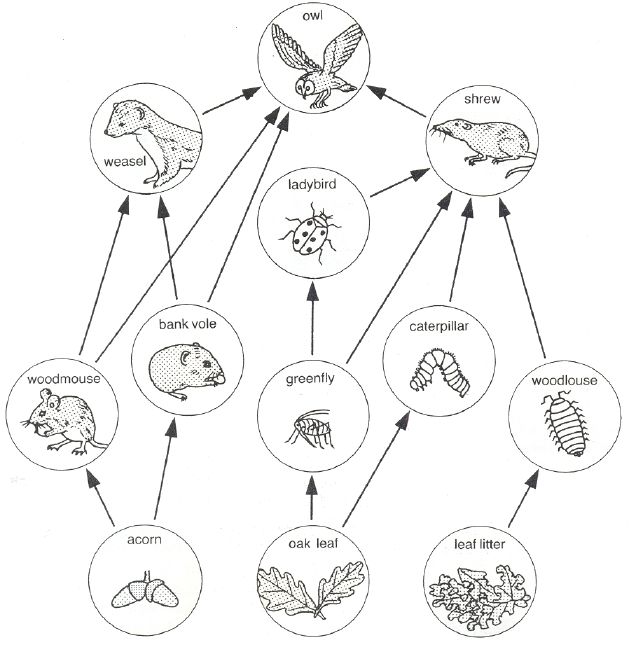
What type of consumer is the shrew?
herbivore
omnivore
carnivore
detritivore

Which one is NOT an example of a decomposer?
mushroom
shrimp
mold
bacteria
The arrows in a food chain or web represents what?
They point to the organism that is being eaten (from the predator to the prey item)
It shows how sunlight flows within each level of the ecosystem
They show what direction the energy is flowing between organisms. (from prey to predator)
They represent how water molecules are transferred within a habitat.
When an organism's energy source comes from both animals and plants, that organism is considered to be a:

Which organism receives the least amount of energy from the producer?


Both ______ and ______ DECREASE as you move up the energy pyramid in an ecosystem.
Sunlight; Nitrates
Energy; Biomass
Biomass; Predation
Heat; Photosynthesis
Which of these shows a possible food chain for an ecosystem?
shark--> fish --> plankton -->sun
sun --> plankton --> fish --> shark
plankton --> sun --> fish --> shark
plankton --> fish --> shark --> sun
Both the biotic and abiotic factors in an area of an ecosystem

Grass is considered to be a:
consumer
producer
decomposer
saprotroph


Animal that gets its energy and nutrition from eating plants.
Parasite
Herbivore
Carnivore
Ominvore

Animal that gets its energy and nutrition from eating meat.
Detritivore
Ominvore
Carnivore
Herbivore

Organisms that must consume other organisms to acquire energy are called:
Heterotrophs
Autotrophs
Decomposers
Detritivores

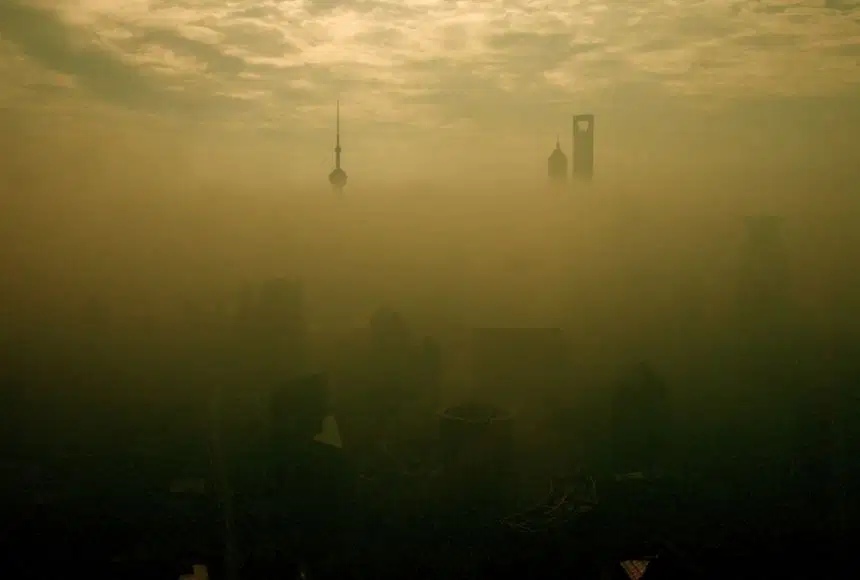
Photochemical smog and acid rain are both heavily associated with the ________ cycle.
Carbon
Nitrogen
Phosphorus
Photic

hydrogen (H2)
oxygen (O2)
nitrogen (N2)

Which cycle are fossil fuels (oil, coal, natural gas) part of?
carbon
water
nitrogen
phosphorus


These gases, such as carbon dioxide, trap heat in the Earth's atmosphere causing a rise in global temperatures:

A Cactus has 4520 kcal of energy it acquired from photosynthesis. Based on the food chain in the photo, how much energy will the hawk gain?
4520 kcal
452 kcal
45.2 kcal
4.52 kcal
0.452 kcal
True or False: Much energy is lost at each stage of a food chain through an organism's body heat.
True
False
Which of these nitrogen cycle processes converts atmospheric nitrogen to a soil form of nitrogen that is usable by plants?
nitrogen fixation
nitrification
denitrification
ammonification
assimilation
TRUE or FALSE: Plants and animals cannot use nitrogen directly from the air.
The amount of nutrient moving from one part of the environment to another in a period of time is called the:
Reservoir switch
Exchange pool
Transfer Rate
Cycle Sink
What process converts Nitrates (NO3) back into Nitrogen gas (N2)?
Assimilation
Nitrification
Ammonification
Denitrification
How is nitrogen "fixed" into a usable form for plants?
Through action of bacteria only
Through lightning only
Through action of bacteria and lightning
Through photosynthesis
The biological transformation of ammonia or ammonium to nitrites and nitrates.
ammonification
denitrification
nitrification
nitrogen fixation
Beside Carbon Dioxide, what other gas is a greenhouse gas?
water vapor
nitrgoen gas
carbon gas
glucose
Which of the following contributes to the formation of Photochemical Smog?
Carbonic Acid
Phosphates
PCBs
Nitrous oxide
What is the process that occurs when water vapor is cooled and changes from a gas to a liquid?
evaporation
condensation
transpiration
precipitation

What process is happening step A?
transpiration
evaporation
condensation
accumulation
What is an aquifer?
An underground area of rock and soil that is soaked with water.
A freshwater source that is frozen year round.
A river that runs through a mountain.
An open area where glaciers melt.

What is another name for the water cycle?
high quality H2O
watershed
hydrosphere
hydrologic cycle

What percentage of the Earth's water is saltwater, and cannot be used by people?
99%
97%
71%
3%

The upper level of the groundwater is called?
water table
groundwater
aquifer
reservoir
Match each process to the correct location:
Transpiration
Surface Runoff
Condensation
Evaporation
Groundwater
Precipitation

