
 Worksheets
A&P Unit 1 Anatomical Terms & Planes
Total questions: 75
Worksheet time: 30mins
Describes the front or direction toward the front of the body
Anterior
superior
posterior
Inferior
describes a position above or higher than another part of the body proper.
Anterior
Posterior
Superior
Inferior
It describes a position in a limb that is nearer to the point of attachment or the trunk of the body.
Inferior
Proximal
Superior
Anterior
Describes the back or direction toward the back of the body.
Posterior
Anterior
Superior
Inferior
It describes a position below or lower than another part of the body
Superior
Anterior
Inferior
posterior
It describes a position in a limb that is nearer to the point of attachment or the trunk of the body.
Proximal
Distal
Medial
Superficial
It describes the side or direction toward the side of the body.
Medial
Superficial
Lateral
Deep
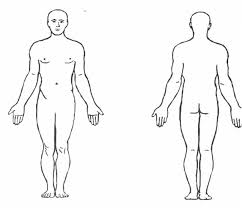
*right and left refer to "right" and "left" of the body in position.


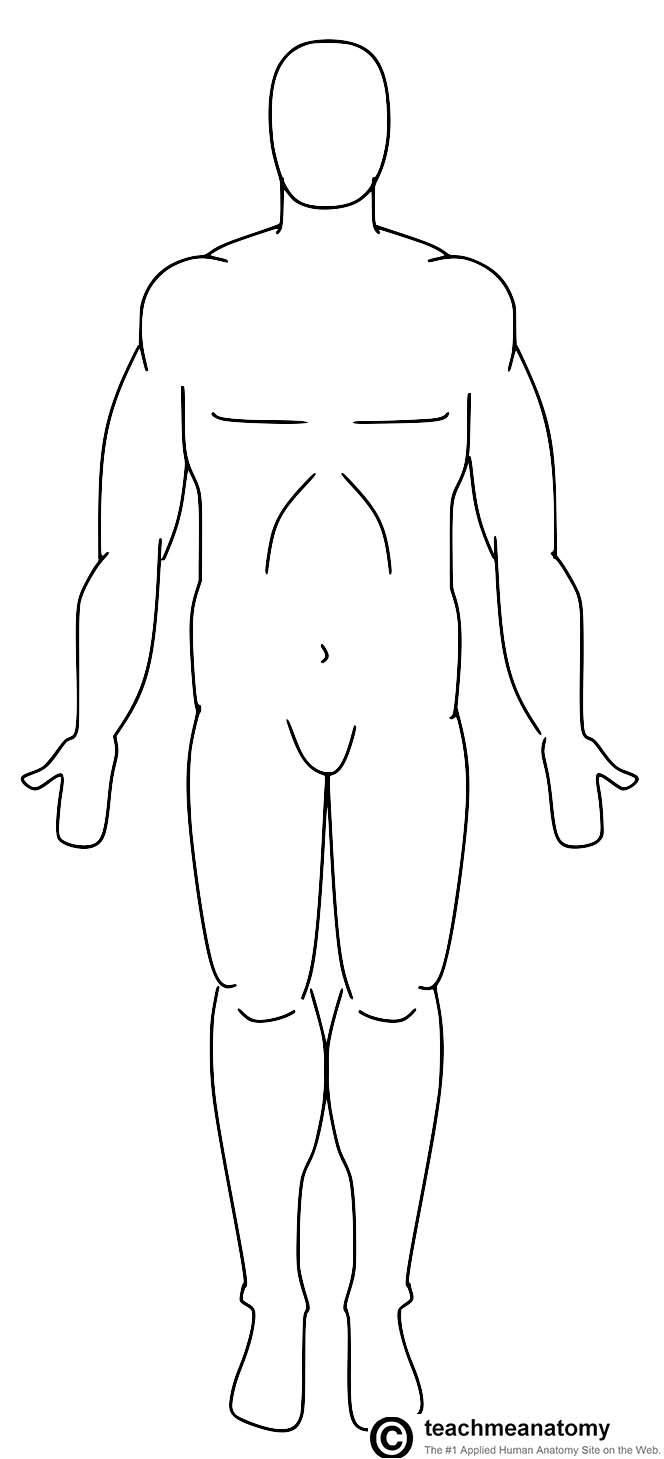
The wrist is ________ to the shoulder
proximal
inferior
superior
distal
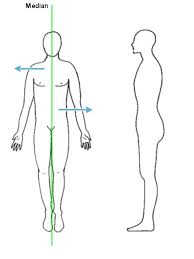
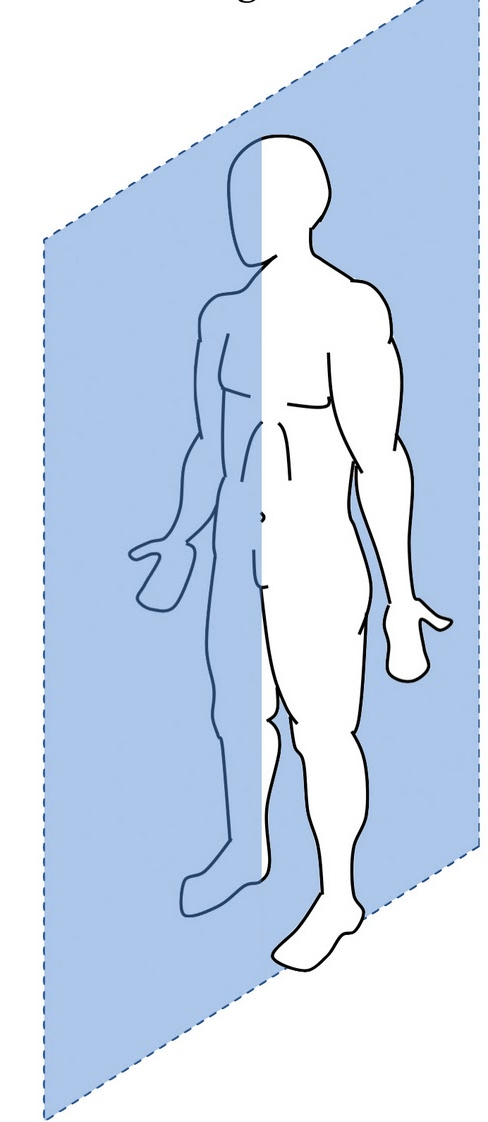

the body erect, with feet together and hands to the side is known as...
body regions
anatomical position
body quadrants
body planes

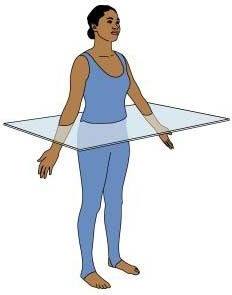
Which plane is being shown?
sagittal
frontal
coronal
transverse
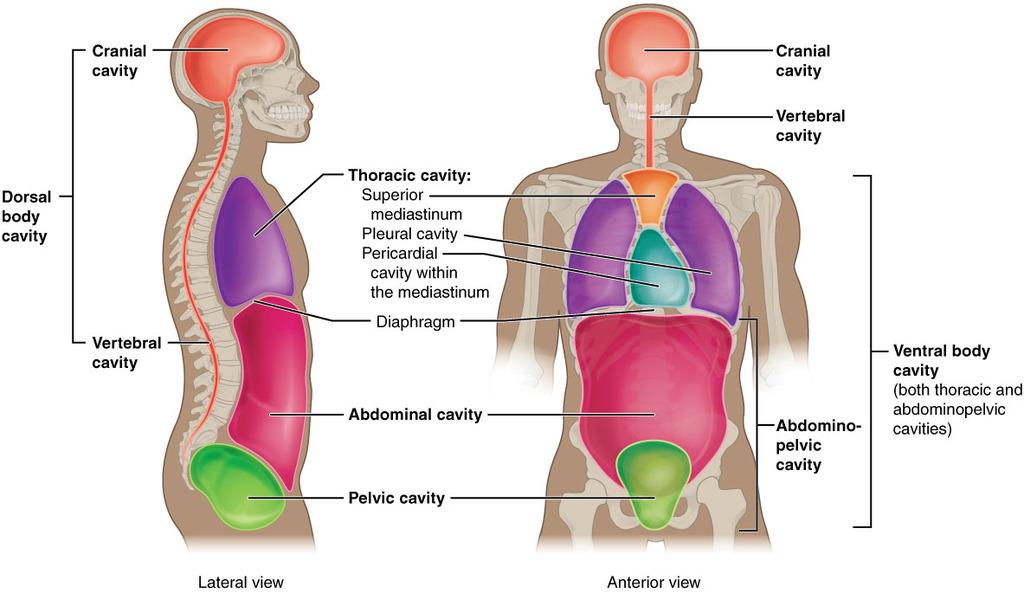
Which body cavity houses the brain?
Cranial
Spinal
Orbital
Ventral
Which body cavities are separated by the diaphragm?
Thoracic and Pelvic
Pelvic and Abdominal
Thoracic and Abdominal
Ventral and Dorsal
Which body cavity contains the organs of the cardiovascular system?
dorsal
spinal
abdominal
thoracic
My thumb points _ in anatomical position
medial
superior
lateral
inferior
My palms face _ in anatomical position
anterior
posterior
superior
inferior
Standing straight
anatomical postition
anterior
posterior
superior
toward the feet
inferior
superior
midline
lateral
back side of body
inferior
midline
distal
posterior
toward midline
medial
lateral
inferior
superior
line symmetry that divided body in half R/L
midline
flexion
medial
proximal
toward the head
medial
anterior
superior
anatomical position
away from midline
proximal
midline
lateral
inferior
front side of body
lateral
proximal
superior
anterior
away from midline
medial
saggital
lateral
central
Your feet are ________ to your knees.
caudal
cephalic
inferior
superior
The head is _____ to the shoulders.
proximal
caudal
superior
inferior
The eyes are _________ to the ears
medial
lateral
anterior
posterior
The heart is ____________ to the hips
posterior
anterior
superior
inferior
The study of the structures of the body
biology
physiology
anatomy
geology

What anatomical plane is labeled as #1 and highlighted red?
Transverse
Coronal
Sagittal

Which anatomical plane divides the body into front and back
frontal/coronal
transverse/horizontal
sagittal plane
none of the above
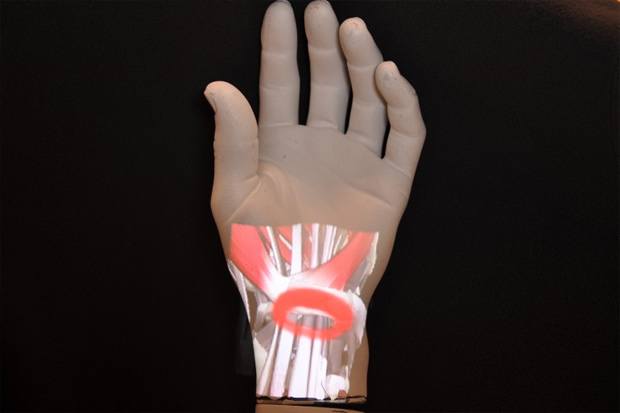


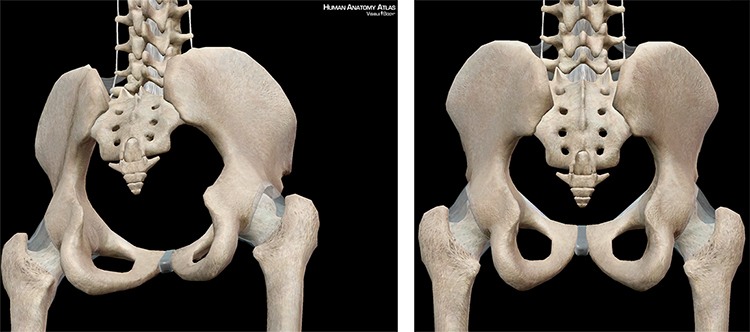

The eyes are _________ to the ears
medial
lateral
anterior
posterior
The head is _____ to the shoulders.
proximal
caudal
superior
inferior
A coronal plain will divide the body into which sections?
left and right
superior and inferior
anterior and posterior
cranial and caudal
What is the definition of the sagittal plane?
divides the body into left and right
divides the body into front and back
divides the body into top and bottom
Which of the folliowing is an accurate description of the physiology of a body system?
A study of where each organ and structure in the system is located.
A study of what can go wrong in a body system due to disorder or disease.
A study of how the different organs and parts of a system work together to function.
Another term for superior.
Cranial
Caudal
Ventral
Dorsal
Another term for inferior.
Ventral
Superior
Caudal
Dorsal
Another term for anterior.
Dorsal
Distal
Lateral
Ventral
Another term for posterior.
Medial
Deep
Dorsal
Anterior
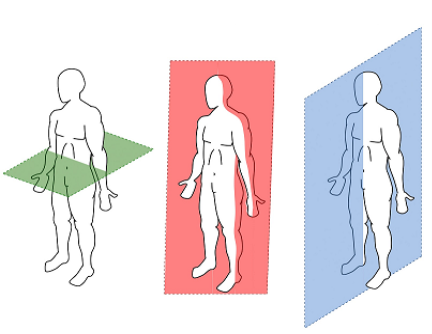
Divides the body into left and right portions.
Frontal
Transverse
Sagittal.
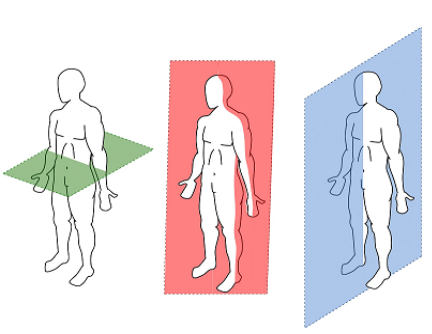
Divides the body into front and back portions.
Sagittal
Frontal
Transverse
The term that refers to lying FACE DOWN
caudal
prone
superior
supine
The term that refers to lying ON THE BACK
caudal
prone
superior
supine
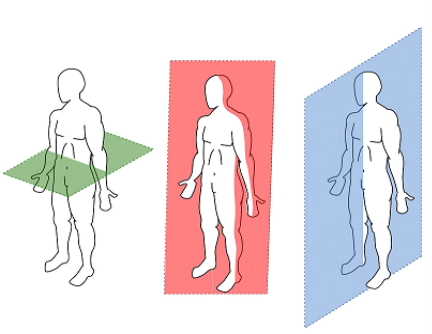
Divides the body into top and bottom portions.
Sagittal
Frontal
Transverse
The brain is SUPERFICIAL to the cranium
True
False
The tailbone (coccyx) is SUPERIOR to the pelvis.
True
False
The eyes are LATERAL to the nose.
True
False
The facial structures are DORSAL on the body.
True
False

